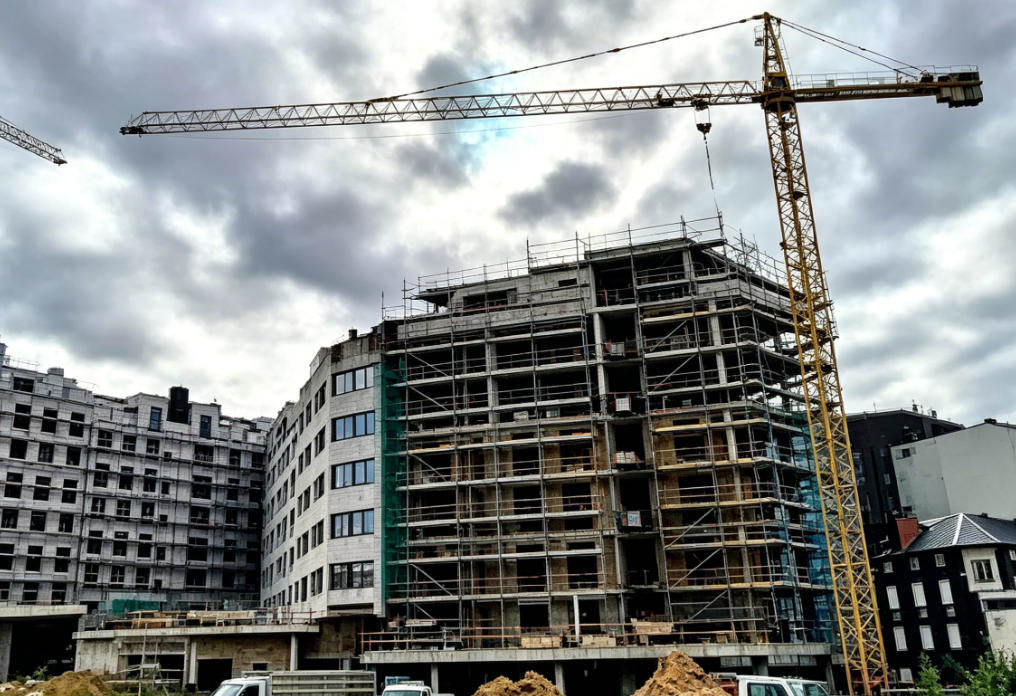
en.Wedoany.com Reported - The first Accessibility Barometer compiled by Spain's Mutua de Propietarios Foundation (Fundación Mutua de Propietarios) reveals that out of nearly 9.8 million residential buildings in Spain, only about 3% (approximately 292,000 buildings) provide full barrier-free access for wheelchair users from the street to the doorstep of the home, while 97% of residential buildings have at least one architectural barrier. The report was released on the occasion of European Independent Living Day.
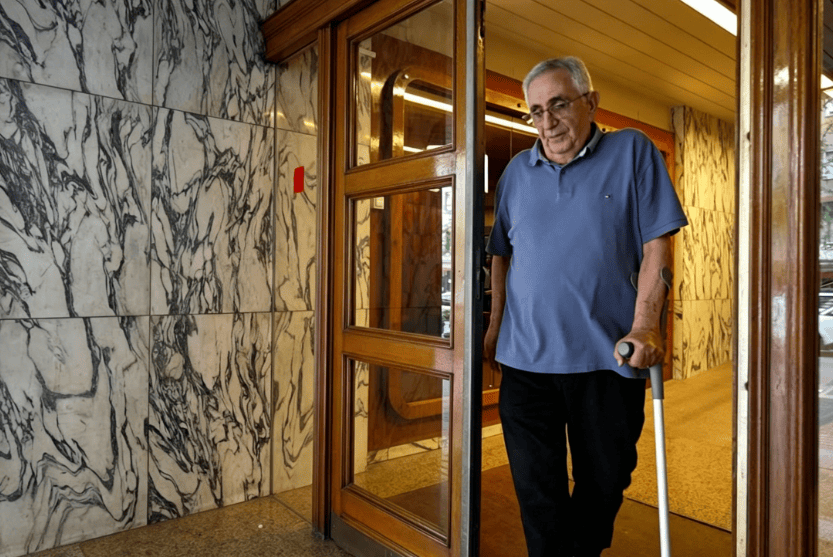
The study points out that two-thirds (67%) of residential buildings lack accessible conditions from the street to the entrance hall, with the main obstacle being the presence of steps, occurring with a probability of 48%. Even when ramps are installed, 40% lack handrails, limiting their functionality. When entering residential buildings, 60% of buildings present difficulties for accessible passage. Although 89% of doors are wide enough, in 47% of cases the doors cannot stay open on their own or close too quickly, and 30% of doors are difficult to open due to their weight. Only 42% of residential buildings have intercoms positioned at a height suitable for wheelchair users, and three-fifths of mailboxes cannot be used without barriers.
Regarding elevators, 22% of residential buildings have no elevator. In residential buildings with elevators, 43% have height differences that have not been properly eliminated. Once inside the elevator, prominent issues include doors that are too heavy (87%), buttons placed too high (85%), insufficient closing time (83%), or inadequate space (78%). Overall, 64% of elevators fail to meet the physical accessibility standards for wheelchair use.
Cristina Parias, Director of the Mutua de Propietarios Foundation, stated: "A free and independent life begins with the most ordinary thing: being able to enter and leave one's home without assistance. When the environment is not adequately prepared, this autonomy is eroded, ultimately trapping millions of people in their own homes."
The Barometer also identified a perception gap regarding accessibility. People without mobility impairments rated the accessibility level of their residential building at 6.88 points, while those with mobility impairments gave a rating of 5.45 points. 78% of residential buildings have not undergone renovations in the past two years, and 61% have no renovation plans in the near future. Parias emphasized: "Against the backdrop of an aging population and increasing life expectancy, ensuring an accessible environment should not be seen as an expense, but as an indispensable investment to guarantee quality of life in the not-too-distant future."
This article is compiled by Wedoany. All AI citations must indicate the source as "Wedoany". If there is any infringement or other issues, please notify us promptly, and we will modify or delete it accordingly. Email: news@wedoany.com