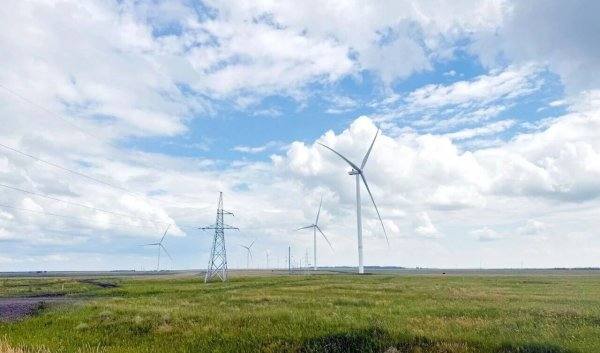
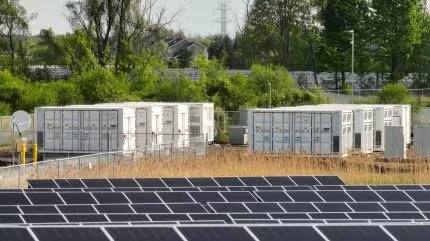
en.Wedoany.com Reported - Serbia's transmission system operator, Elektromreža Srbije (EMS), is ready to connect approximately 12 GW of renewable energy capacity to the transmission grid over the next six years. The company's General Manager, Jelena Matejić, revealed this information at the Belgrade Energy Forum 2026.
The Belgrade Energy Forum 2026, organized by Balkan Green Energy News, the leading energy news portal in Southeast Europe, lasted two days and attracted around 500 participants. During a panel discussion on transmission grid development, Matejić pointed out that Serbia's power transmission system has eight interconnection borders and 20 interconnection transmission lines.
Jelena Matejić stated: "This provides us with enormous flexibility and potential for further development and integration, both in terms of market integration and the interconnection of transmission systems across this part of Europe."
Matejić noted that EMS has invested €620 million in the last 10 years alone, primarily in the transmission system and digital technology innovations for grid management. She said: "In the last three years, the investment momentum has been so strong that it accounts for over 45% of the total investments for the entire ten-year cycle. Last year, we achieved an investment volume of €135 million, an exceptional historical figure, completing 95% of the plan." According to the plan, an additional €740 million will be invested by 2028, with total investments expected to reach €1 billion by 2030.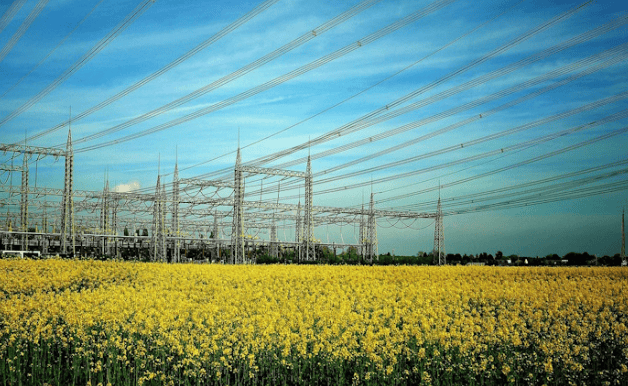
Regarding the green transition, Matejić stated that EMS's strategic plan involves the implementation of four pan-European projects, most of which are expected to be completed by 2030. The first and most important project is the Trans-Balkan Corridor, where EMS is building its third section, planned for operation in 2029. The second project, BeoGrid, is in the implementation phase, targeting completion in 2029, with the Ugrinovci substation construction in full swing and the interconnection with Romania being strengthened. She stated: "All of this perfects the integration of renewable energy from South Banat."
The third major project is the Pannonia Corridor towards Hungary, with an investment of €105 million. Concurrently, the Central Balkan Corridor project is underway, including an interconnection linking Bulgaria and Bajina Bašta, which will involve the construction of two new substations.
Matejić emphasized: "We also have the interconnection with Croatia and many other projects, but it is important to highlight that by 2030, with the implementation of most of these projects, our interconnection capacity will increase by 50%, which means an impressive 6,000 MW of installed capacity." She noted this is crucial for energy security, capacity expansion, and regional integration.
Matejić added that the national dispatch center underwent a complete overhaul last year, and the transmission system has been modernized and digitized, including the use of smart meters, remote control, and digital substations. She concluded: "Without such investments in grid modernization and digitization, we would not be ready to accommodate the nearly 12 GW of new renewable energy that will be connected to the transmission system in the next six years, most of which will be connected within the next four years."
This article is compiled by Wedoany. All AI citations must indicate the source as "Wedoany". If there is any infringement or other issues, please notify us promptly, and we will modify or delete it accordingly. Email: news@wedoany.com