en.Wedoany.com Reported - Mazda disclosed in its year-end financial results that the next-generation CX-3 will be officially launched in 2027. The model will be produced at Mazda's plant in Thailand and will become an important part of its future sales targets.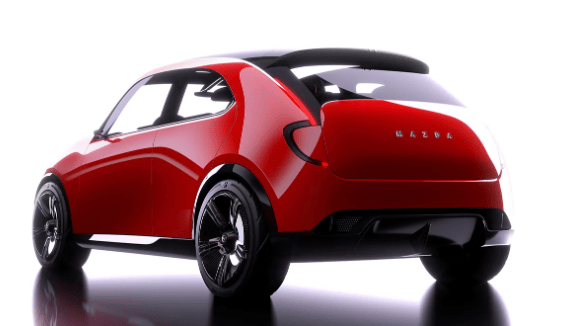
Information from Mazda's presentation materials shows that the CX-3 will debut in Thailand in 2027, after which the plant will serve as an export base, supplying vehicles to Japan and the Southeast Asian region. The company did not reveal further details about the new CX-3, but outlined a plan to expand its hybrid vehicle lineup from one model to four. Following the existing CX-50 and the planned hybrid CX-5, at least two more models will be electrified, although this electrification plan primarily targets larger vehicles.
The design theme of the new-generation CX-3 is expected to follow the style of the Vision X-Compact concept car showcased by Mazda at the 2025 Tokyo Auto Salon. Mazda CFO Jeff Guyton told CarsGuide at the Tokyo Auto Salon that the next-generation small car is the brand's next priority after completing hybrid development. "As a moderately sized company, from a business perspective, our (small car) return on sales isn't good enough yet," Guyton stated.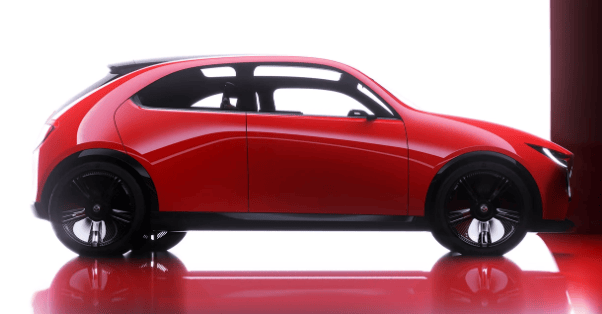
Mazda also recently revealed that the current CX-3 and 2 hatchback will continue to be sold until 2027. The fiscal year-end presentation materials confirmed the existence of the next-generation CX-3, and its name will not be the previously speculated CX-20. Mazda has long stated that it will not abandon "small architecture vehicles" after the planned completion of its core best-selling model, the CX-5.
For the Australian market, the CX-3 replacement model may face challenges posed by stringent new emissions regulations and safety requirements. The 2.0-liter gasoline engine (110kW/195Nm) currently used in the CX-3, paired with a six-speed traditional torque converter automatic transmission, can no longer be used in Australia, and Mazda is incurring significant penalties under the new emissions scheme. If the CX-3 is not equipped with a hybrid powertrain at its initial launch in Thailand, its introduction in Australia may be delayed.
To alleviate the emissions burden, Mazda pointed out in its fiscal year-end presentation that it will continue to rely on joint venture models produced in China, such as the Mazda 6e and CX-6e, which are soon to be launched in Australia. With aggressive pricing, these two models will compete against traditional rivals and emerging Chinese brands, helping Mazda achieve sales in the low-emission vehicle segment. This will help offset some of the emissions pressure brought by the upcoming CX-5, which continues to use a 2.5-liter four-cylinder gasoline engine and is offered exclusively with all-wheel drive.
This article is compiled by Wedoany. All AI citations must indicate the source as "Wedoany". If there is any infringement or other issues, please notify us promptly, and we will modify or delete it accordingly. Email: news@wedoany.com