AT&T, T-Mobile, and Verizon Form Joint Venture to Integrate Spectrum and Eliminate National Signal Dead Zones
en.Wedoany.com Reported - In a joint statement released on May 14, the three major U.S. mobile operators—AT&T, T-Mobile, and Verizon—announced they have reached an agreement in principle to jointly establish a new joint venture focused on Direct-to-Device (D2D) satellite technology. The joint venture aims to integrate the three parties' limited terrestrial spectrum resources, helping satellite providers cover more users through a unified platform, thereby virtually eliminating all mobile network signal dead zones across the United States, including rural areas, and providing redundant connectivity when traditional cellular networks are disrupted by extreme disasters.
Under the agreement framework, this joint venture will pool the intellectual property and terrestrial spectrum resources of the three operators, establish unified industry technical standards, and provide a standardized access platform for satellite operators. This multi-party collaboration model will change the past landscape of one-to-one partnerships between a single operator and a single satellite company, enabling more satellite providers to access the U.S. mobile communications ecosystem with greater efficiency. AT&T CEO John Stankey stated in the announcement that by joining forces with other operators, the companies are combining their respective expertise to accelerate the delivery of ubiquitous, reliable coverage to users. This collaboration not only makes connectivity easier but will also strengthen America's communications leadership.
T-Mobile President and CEO Srinivasan Gopalan noted that as satellite constellations expand and support from multiple space operators is about to be secured, the joint venture will leverage expanded capacity and upgraded performance to deliver superior service to users, while making it easier for satellite operators to provide a richer direct-to-device experience, accelerating innovation in both the wireless and satellite industries. Verizon CEO Dan Schulman emphasized that users' daily lives are highly dependent on mobile services, and this collaboration is not only dedicated to eliminating coverage gaps on the map but also to building a resilient digital infrastructure, offering customers more choices and enhancing competition among satellite providers.
From a technical pathway perspective, the joint venture focuses on D2D satellite communication technology, which allows ordinary smartphones to connect directly to satellites for communication without any hardware modifications. AT&T and Verizon have previously established partnerships with AST SpaceMobile, while T-Mobile has partnered with SpaceX's Starlink Mobile, with T-Mobile having launched a satellite direct-to-phone testing service in July 2025. After the joint venture is established, these existing bilateral partnerships will continue, and the operators' independent network construction plans will also proceed in parallel. The joint venture will not replace any operator's own network build-out or existing collaborations with specific satellite companies.
AST SpaceMobile issued a statement on May 14, welcoming the three operators' plan to form a joint venture. AST SpaceMobile Chairman and CEO Abel Avellan stated in the announcement that the company is pleased to see the industry preparing to deliver space-based cellular broadband connectivity to users nationwide, and the company plans to be a key enabler of this transformation, continuously expanding its global network and available spectrum resources in low Earth orbit. AST SpaceMobile has received authorization from the U.S. Federal Communications Commission to deploy and operate up to 248 satellites, providing supplemental D2D coverage services for AT&T, Verizon, and FirstNet.
The FCC Chair publicly stated on May 7, 2026, that relying solely on Starlink's satellite phone service is insufficient to meet market demand, and the industry needs at least three satellite direct-to-phone service providers to ensure competition and service resilience. This judgment directly aligns with the subsequent action of the three operators jointly establishing a joint venture. According to the joint statement, the joint venture will function in areas difficult for traditional cellular services to cover, reaching previously unserved regions, while also providing a backup network path when existing terrestrial networks are disrupted by extreme natural disasters or other abnormal situations.
Multiple industry analysts point out that the joint venture makes satellite providers more interchangeable, helping to establish industry-wide common technical standards. Traditionally, each partnership between an operator and a satellite company constituted an independent solution, but the joint venture's unified platform means that satellite operators—whether Starlink, AST SpaceMobile, or Amazon's Project Kuiper—can connect to all three major U.S. mobile networks through the same standard, thereby breaking any single satellite company's potential monopoly on technical standards. Currently, the financial terms of the joint venture, the proportion of spectrum contributions from each party, and the specific timeline have not yet been disclosed, pending negotiations on the final agreement and the satisfaction of customary closing conditions.
This article is compiled by Wedoany. All AI citations must indicate the source as "Wedoany". If there is any infringement or other issues, please notify us promptly, and we will modify or delete it accordingly. Email: news@wedoany.com
Related Products
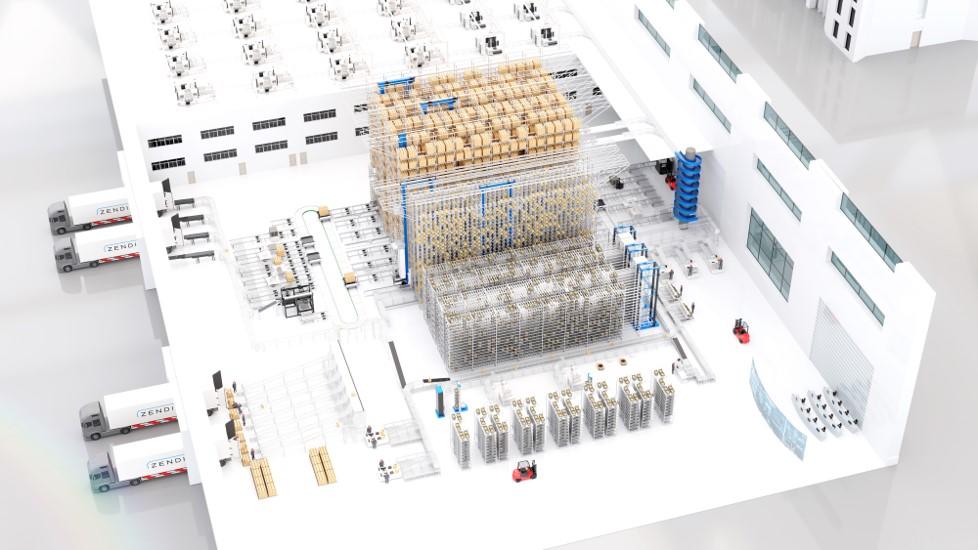

One-Stop Steward Service for the Entire Logistics System Integration Chain
Zhongding Intelligent (Wuxi) Technology Co., Ltd.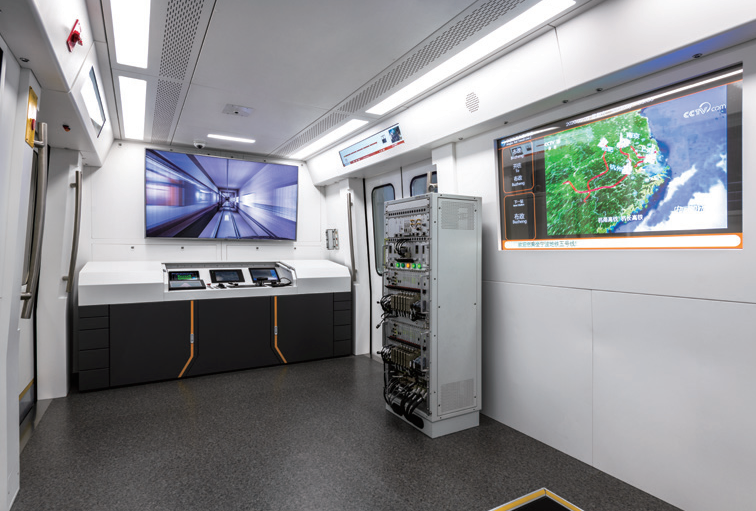

Automatic Aiming Laser Remote Obstacle Removal Robot
Pinggao Group Weihai High-Voltage Apparatus Co., Ltd.
Industrial and Commercial Point-Type Gas Detector
Jinan Benan Technology Development Co., Ltd.


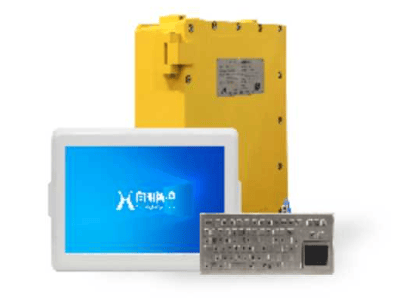
KJD127(A) Mining Explosion-Proof and Intrinsically Safe Computer
Taiyuan Xiangming Intelligent Control Technology Co., Ltd.
Mine Explosion-proof and Intrinsically Safe Industrial Ethernet Ring Network (10 Gigabit/Gigabit)
Chongqing Mas Sci&Tech Co., Ltd.
Comprehensive Mining Automation Control System
Beijing Tianma Intelligent Control Technology Co., Ltd.