Rocket Lab's 1,000th Rutherford Engine Rolls Off Production Line at Long Beach Facility, Additive Manufacturing Drives Mass Production Breakthrough
en.Wedoany.com Reported - Rocket Lab's "Rutherford" engine has surpassed the production milestone of 1,000 units, making it one of the highest-volume 3D-printed orbital rocket engines in the world. Development of the engine began in 2013, and it first reached orbit in January 2018 aboard the "Electron" small launch vehicle. It utilizes a two-stage configuration with nine sea-level variants (each producing 24 kN of thrust) and one vacuum-optimized version. The entire engine weighs just 35 kilograms. Its electrically-driven propellant pumps use brushless DC motors powered by lithium-polymer batteries, replacing traditional gas turbine systems, resulting in a simpler and lighter structure.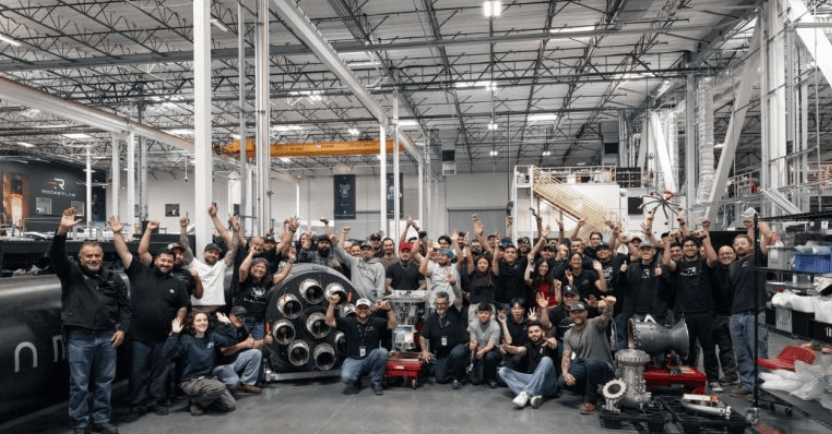
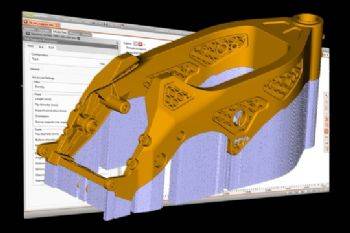
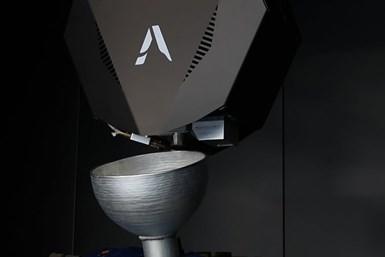
Additive manufacturing is the core driver behind the production ramp-up. Key components such as the combustion chamber, injectors, pumps, and main propellant valves can all be 3D-printed within 24 hours, a process significantly faster than traditional machining and casting. The engines are produced at the company's Long Beach, California facility, equipped with metal 3D printing systems from companies like EOS, Nikon SLM Solutions, and Renishaw, with powder supplied by Carpenter Technology Corporation. The production rate has increased from approximately one engine per month in 2017 to around 200 per year currently. By the end of 2025, the Rutherford had completed over 70 successful launches, with more than 800 engines having flown to space.
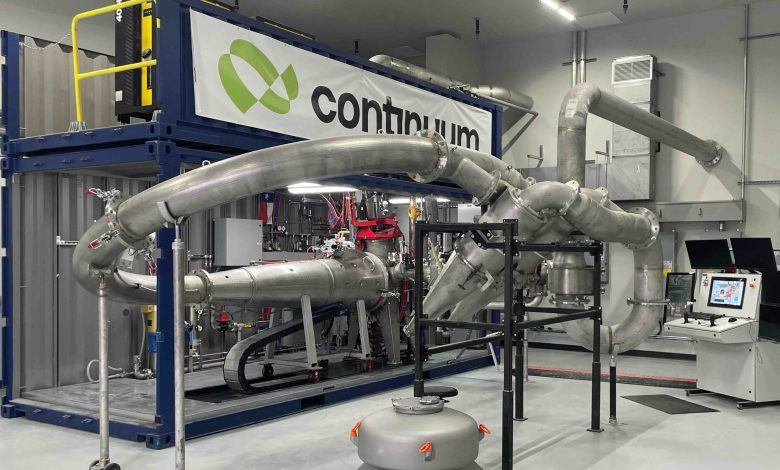
The same additive manufacturing-first approach has been carried over to the next-generation "Archimedes" engine, designed for the partially reusable "Neutron" medium-lift launch vehicle. Its turbopump housings, thrust chamber, valve bodies, and structural components are all 3D-printed. The engine employs an oxygen-rich staged combustion cycle, using liquid oxygen and methane as propellants, and delivers a single-unit thrust of 733 kN (165,000 lbf). Nine engines on the first stage provide a combined 1,450,000 lbf of thrust, with each engine designed for a minimum of 20 reuses. Rocket Lab has completed the full assembly of the first Archimedes engine and initiated testing at NASA's Stennis Space Center in Mississippi. Long-lead 3D-printed components for subsequent engines have already been manufactured and inspected at the Long Beach Engine Development Complex.
This article is compiled by Wedoany. All AI citations must indicate the source as "Wedoany". If there is any infringement or other issues, please notify us promptly, and we will modify or delete it accordingly. Email: news@wedoany.com