Instron Intelligent Drop Weight System and Digital Image Correlation Technology Facilitate Sustainable EV Battery Testing
en.Wedoany.com Reported - Andrea Incardona, a materials engineer at materials testing equipment manufacturer Instron, points out that smarter testing solutions can help address sustainability issues in electric vehicle batteries. The core approach involves using drop weight systems, high-speed cameras, and computer-aided engineering to significantly reduce resource consumption and waste generation while ensuring test reliability.
The global adoption of electric vehicles continues to accelerate. According to data from the International Energy Agency (IEA), global EV sales surpassed 20 million units in 2025, a year-on-year increase of 20%. Policymakers in various countries are introducing stricter emission targets and accelerating timelines for phasing out internal combustion engines, further driving demand. Investment in battery gigafactories and supply chains has surged accordingly, but battery quality control faces bottlenecks—components such as separators, metal foils, electrodes, insulators, and cells must repeatedly undergo impact, drop, and dynamic load tests, consuming enormous amounts of time and resources.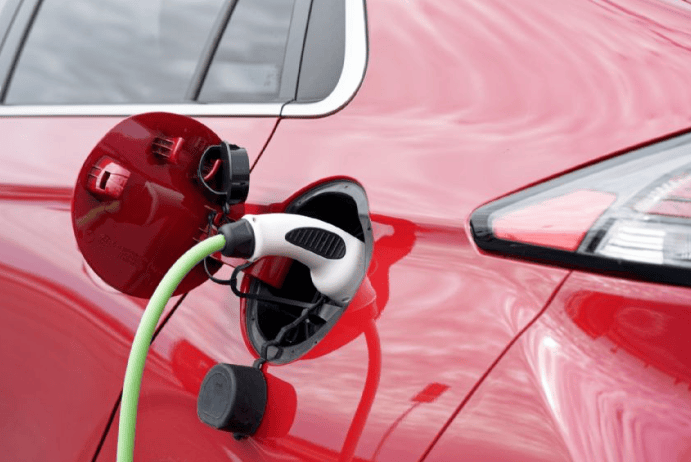
The drop weight testing system has become a key solution. It provides repeatable impact velocities under controlled conditions, significantly reducing the number of test failures and material waste. In a typical setup, the material is clamped vertically in a fixture, and a weighted impactor is dropped from a specified height to apply an instantaneous load, simulating real-world dynamic stress scenarios such as collisions or drops. By adjusting clamping methods, specimen geometry, impact velocity, strain rate, and temperature, engineers can cover multiple operating conditions with a single setup, obtaining reliable data in fewer cycles, thereby saving energy and materials.
The system can also be equipped with a high-speed camera (HSC) to implement Digital Image Correlation (DIC) technology, mapping strain fields in real-time and helping engineers precisely understand material deformation and failure modes during impact. Based on the in-depth data obtained from DIC, teams can reduce the preparation and destruction of physical samples, directly cutting down on waste. Meanwhile, test results can be fed into Computer-Aided Engineering (CAE) simulation tools, allowing engineers to replace a large number of physical tests with virtual iterations, further reducing resource consumption.
Automated testing is also being rapidly adopted for handling fragile, high-volume materials like separators and foils, improving quality and throughput. On the hardware side, modern drop weight systems are equipped with wide-range load cells, enabling a single device to test a broad spectrum of objects—from brittle battery films to robust structural composites—without the need for multiple specialized machines, thus reducing energy consumption and total cost of equipment ownership. Incardona states that these advancements, led by the Instron team, are helping the EV industry achieve more efficient, safer, and more sustainable materials testing on the path toward an electrified future.
This article is compiled by Wedoany. All AI citations must indicate the source as "Wedoany". If there is any infringement or other issues, please notify us promptly, and we will modify or delete it accordingly. Email: news@wedoany.com