Google I/O 2026 in the U.S. is set to open on May 19 in Mountain View, California, focusing on AI model upgrades, AR glasses, and the evolution of the Android system.
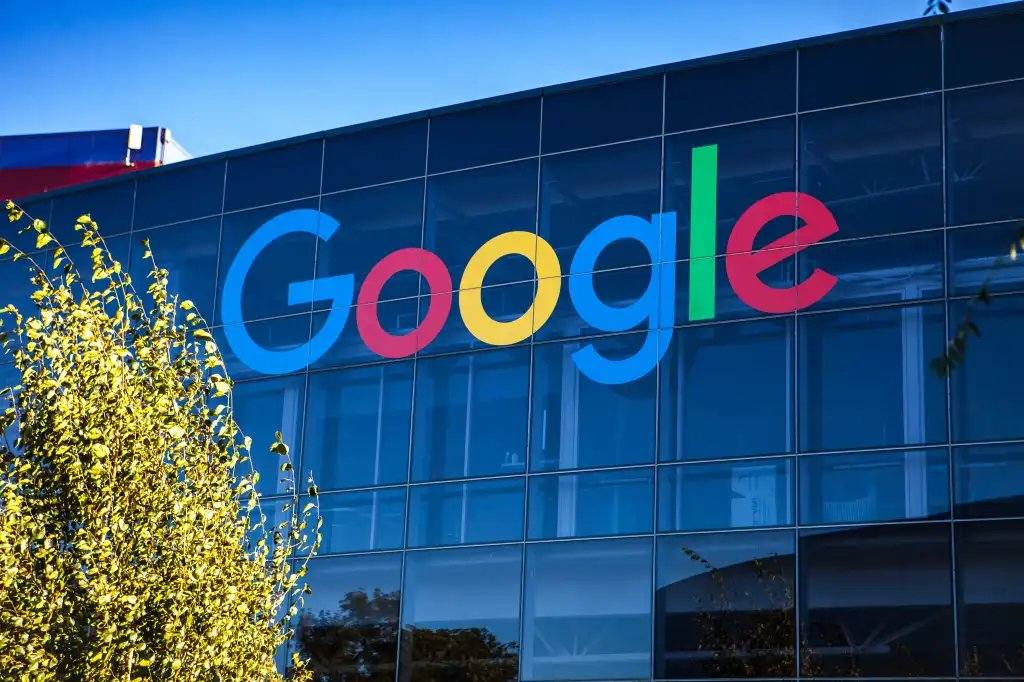
en.Wedoany.com Reported - The highly anticipated 2026 Google Developers Conference (Google I/O 2026) officially kicked off at 10:00 AM local time on May 19 (1:00 AM Beijing time on May 20) at the Shoreline Amphitheatre in Mountain View, California. The two-day event will open with a core keynote address, followed by technical sessions for the developer community in the afternoon. While the conference covers multiple areas like Android, Chrome, and Cloud, judging by the official schedule and early previews, AI—particularly its self-developed Gemini large model—will be the absolute core theme running throughout.
One of the most significant highlights of this year's conference is the expected launch of Google's next-generation Gemini AI model. According to forward-looking analyses from multiple tech media outlets, this update could be Gemini 3.2, 3.5, or even potentially iterate to Gemini 4.0. The focus of the new version is not solely on achieving top theoretical performance but on enhancing the task execution capabilities of "Agents" and lightweight performance for on-device deployment, enabling it to run smoothly on more mid-to-low-end Android devices. Additionally, an agent platform named "Gemini Spark" is also expected to be unveiled. It can proactively execute multi-step tasks across apps and services, even accessing users' browsing activity data without waiting for explicit command triggers. This signifies Google's full-scale push to transform AI from a passively responsive tool into a proactive "operating system" layer.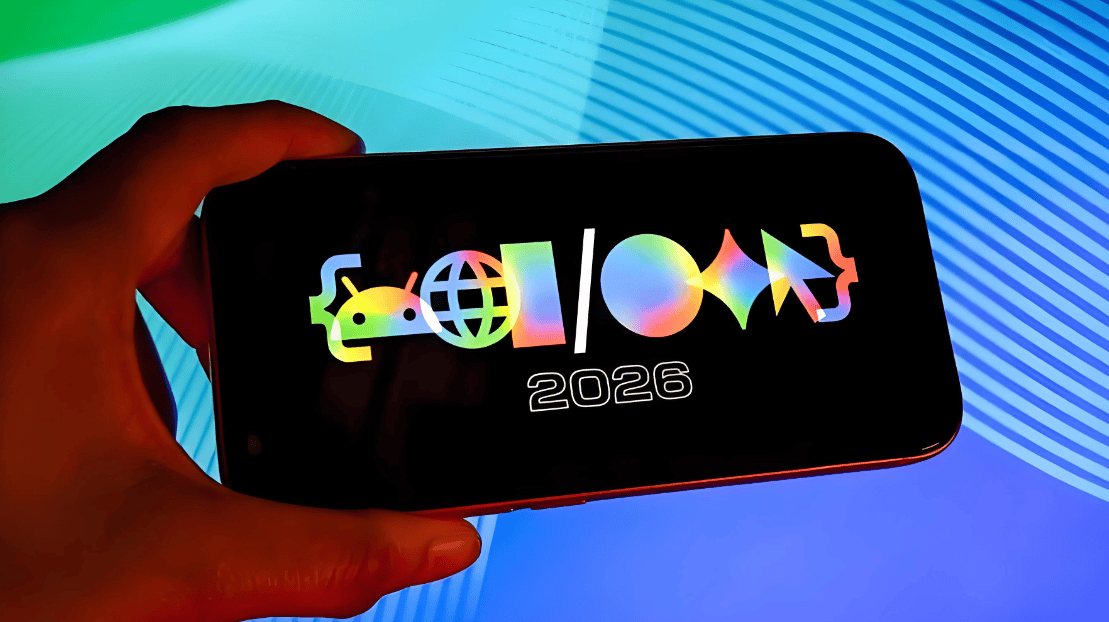
On the hardware front, restarting the smart glasses product line is the most watched move at this I/O. Google, in collaboration with Samsung, will showcase the Android XR smart glasses codenamed "Jinju" for the first time. Reports indicate the device will feature a lightweight design, be powered by the Qualcomm Snapdragon AR1 chip, weigh approximately 50 grams, and be equipped with a 12-megapixel camera and a directional speaker system. Google's strategy involves partnering with fashion eyewear brands like Gentle Monster and Warby Parker to launch two product forms: a lightweight, screen-less version supporting hands-free wake-up for the Gemini assistant, and another featuring in-lens display technology capable of projecting information like navigation and real-time translation. This is not just a hardware restart but a strategic deployment by Google to integrate AI into the real world through visual perception and real-time information interaction.
At the conference, Google also demonstrated the comprehensive layout of its AI vision's hardware carriers, spanning from pocket and desktop to wrist. At "The Android Show" a week before the conference, Google, together with manufacturers like Acer, ASUS, Dell, HP, and Lenovo, introduced a new laptop category called "Googlebook." Its operating system, Aluminum OS, deeply integrates the Android and Chrome OS ecosystems, aiming to allow AI to access local files and system-level data. Meanwhile, although the next-generation flagship Pixel 11 series is not expected to be officially released until August, it will feature the new self-developed Tensor G6 chip to provide ample on-device AI computing power, offering hardware support for on-device AI features like Gemini Intelligence. Furthermore, Google showcased the penetration of its AI capabilities into the automotive space, with the new version of Android Auto utilizing Gemini to provide an immersive navigation experience and supporting video watching via YouTube while parked.
The Android operating system itself was also redefined at this conference. Based on the warm-up from the recent "The Android Show," Google is committed to transforming Android from a traditional Operating System into an Intelligence System. The core of this transformation is "Gemini Intelligence," which can not only understand context but also automate multi-step tasks, such as searching and booking tour groups in third-party apps based on brochure photos, or automatically generating a shopping cart from a memo list. With the arrival of Android 17, Gemini will be deeply embedded at the system level. Its Gboard keyboard will support smarter voice input and automatic contextual information filling, while desktop widgets will allow users to create them using natural language, making them true entry points for compound tasks. This design philosophy of "freeing hands with AI" aims to let users spend less time operating on screens and return their attention to life itself.
This article is compiled by Wedoany. All AI citations must indicate the source as "Wedoany". If there is any infringement or other issues, please notify us promptly, and we will modify or delete it accordingly. Email: news@wedoany.com
Related Products


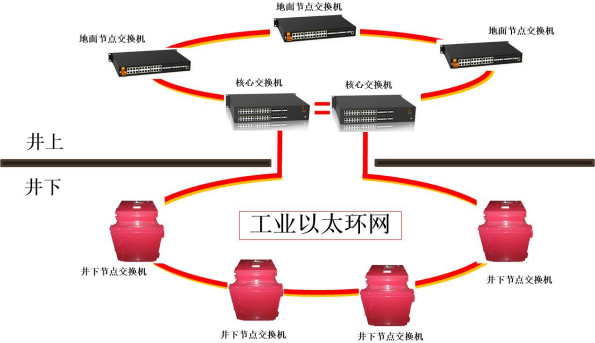
Mine Explosion-proof and Intrinsically Safe Industrial Ethernet Ring Network (10 Gigabit/Gigabit)
Chongqing Mas Sci&Tech Co., Ltd.

MUX Series Communication Interface Device for Security and Stability Control System
Nanjing NR Electric Co., Ltd.
Industrial and Commercial Point-Type Gas Detector
Jinan Benan Technology Development Co., Ltd.

Multi-function Marine Monitoring Low-altitude Detection Radar Sea-air Boundary Ocean Dynamic Environment Measurement
Chengdu Dixin Technology Co., Ltd.
G.652.D Wavelength-extended Non-dispersion Shifted Single-mode Optical Fiber
HONGAN GROUP CO., LTD.
Conveyor Belt Intelligent Monitoring System
LUO YANG WIRE ROPE INSPECTION TECHNOLOGY CO., LTD.