China's manufacturing sector to account for 24.7% of GDP in 2025
en.Wedoany.com Reported - In 2025, China's industrial added value reached 41.7 trillion yuan, of which the manufacturing added value amounted to 34.7 trillion yuan, with the manufacturing sector accounting for 24.7% of GDP. Looking at historical data, the share of China's manufacturing added value in GDP peaked at 32% in 2006 and has gradually declined since then. China's overall manufacturing scale has ranked first in the world for 16 consecutive years. Since the 18th National Congress of the Communist Party of China, the scale and quality of China's manufacturing sector have continued to improve.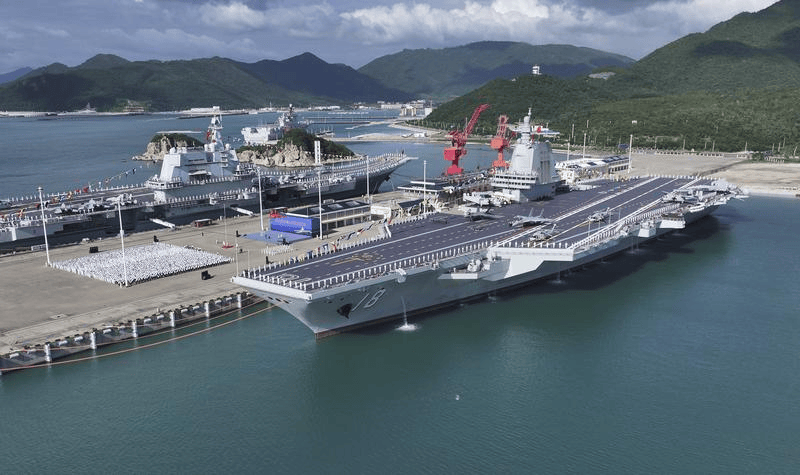
Research shows that the production capacity and knowledge accumulation embedded in the manufacturing sector are key to supporting long-term economic development. From international experience, major developed countries such as the United States and Japan all experienced a phase where the manufacturing sector's share gradually declined after peaking during the late stage of industrialization. China's economic development has generally entered the late stage of industrialization, and the decline in the manufacturing sector's share is related to changes in internal and external conditions, as well as factors such as price and cost.
The manufacturing sector's share needs to be maintained within a reasonable range. Maintaining a reasonable share does not mean keeping it unchanged, nor is a higher share always better. The key lies in aligning it with the stage of economic and social development and matching it with national strategic needs. Currently, China is at a critical period of transitioning from a large manufacturing country to a strong manufacturing power, and the manufacturing sector's share cannot continue to decline. During the "15th Five-Year Plan" period, it is necessary to closely adhere to the requirements of basically realizing socialist modernization, and comprehensively consider factors such as population, technology, resources, and the environment.
The internal and external environment for manufacturing development has changed. The traditional model of scale expansion is facing adjustments, requiring improvements in the quality and efficiency of the supply system and enhanced alignment between supply and demand. It is essential to follow the trends of intelligent, green, and integrated development, and promote the manufacturing sector's ascent up the value chain. The investment mechanism for maintaining a reasonable manufacturing share should be improved, strengthening the guarantee of factors such as capital, land, talent, data, and computing power. A world-class business environment that is market-oriented, law-based, and internationalized should be created to encourage and support entrepreneurship, innovation, and creation.
This article is compiled by Wedoany. All AI citations must indicate the source as "Wedoany". If there is any infringement or other issues, please notify us promptly, and we will modify or delete it accordingly. Email: news@wedoany.com
Related Products

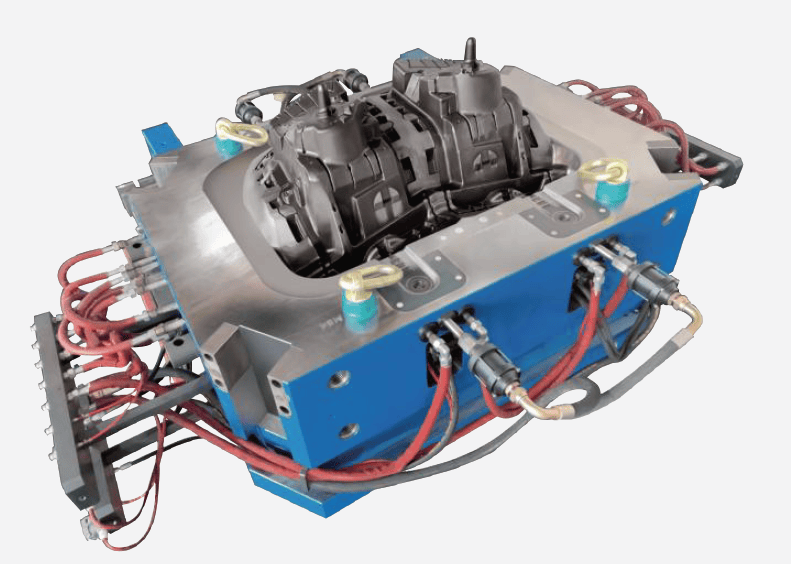
Aluminum-Magnesium Alloy High-Pressure Die-Casting Molds
NINGBO HELI TECHNOLOGY CO., LTD.
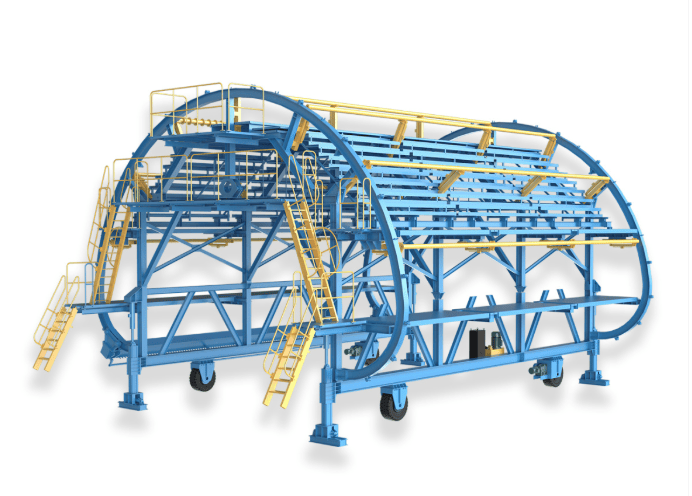
QLZNGJ Intelligent Steel Reinforcement Trolley
Luoyang China Railway Qiangli Machinery Co., Ltd.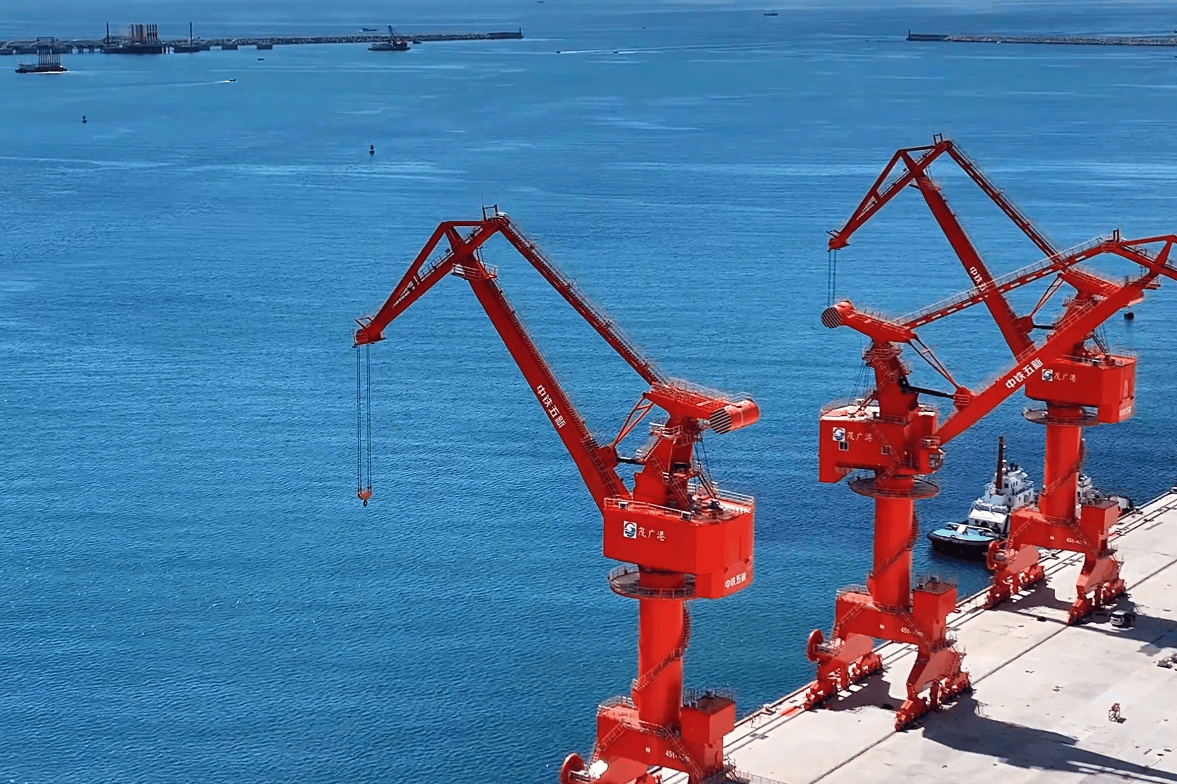
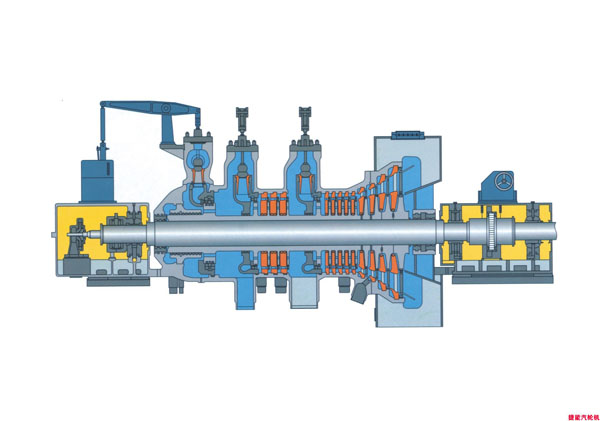
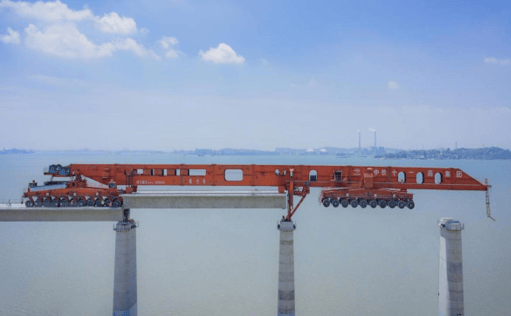
High-Speed Railway Lifting, Transporting, and Erecting Equipment: Integrated Transport and Erection Machine
Hanjiang Heavy Industry Co., Ltd. of China Railway 11th Bureau Group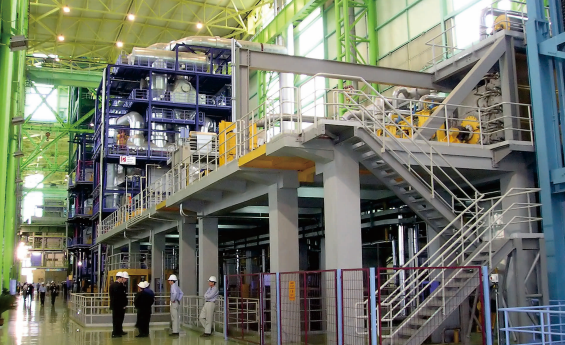
Strip Coating and Plating Production Line Equipment
MCC-SFRE HEAVY INDUSTRY EQUIPMENT CO., LTD.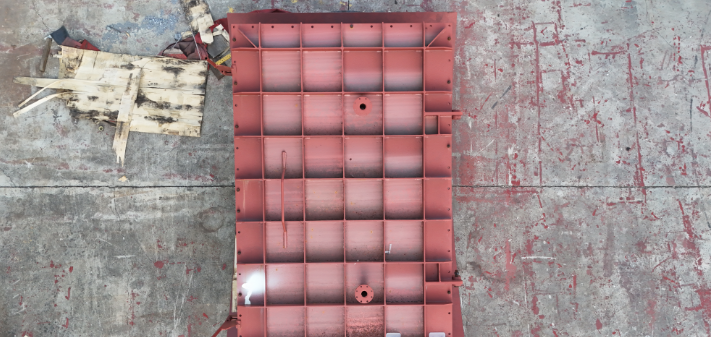

Industrial and Commercial Point-Type Gas Detector
Jinan Benan Technology Development Co., Ltd.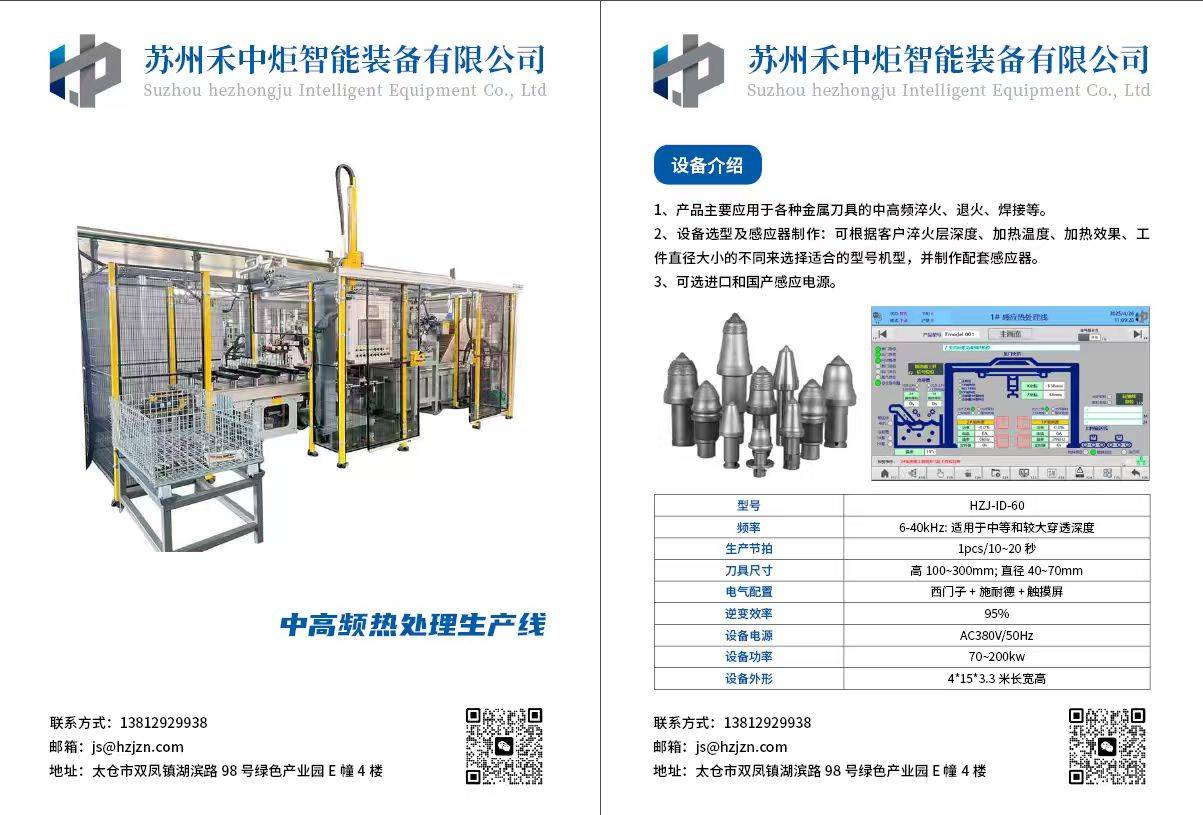
Excavator Bucket Teeth Heat Treatment Production Line
Suzhou Hezhongju Intelligent Equipment Co., Ltd.