Heavy Trucks and Long-Haul Transport Are Key Mobility Scenarios for Proton Exchange Membrane Fuel Cells
en.Wedoany.com Reported - In transport, the most important opportunity for Proton Exchange Membrane Fuel Cells is not ordinary passenger cars, but commercial mobility with heavy loads, long distances and high sensitivity to refueling time. Heavy trucks, long-haul logistics, mining trucks, port tractors and some bus routes are more likely to support PEM fuel cell economics.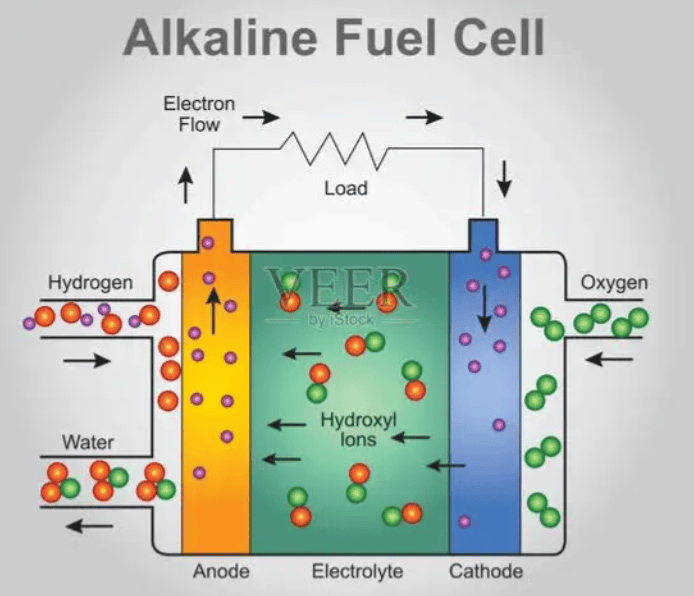
The IEA’s Global EV Outlook 2025 notes that both battery electric and fuel cell electric trucks are currently more expensive to purchase than conventional diesel trucks. In fuel cell electric vehicles, the higher cost is mainly due to fuel cell stacks and hydrogen storage tanks. This means hydrogen fuel cell trucks do not yet have broad cost superiority, but they may still work in selected operating scenarios.
Heavy-duty transport suits PEM fuel cells for three reasons. First, vehicles often travel long distances and downtime is expensive, so fast refueling improves operating efficiency. Second, payload matters: very large batteries can add weight and reduce payload in some long-haul applications. Third, fleet routes are relatively fixed, allowing hydrogen stations to be built around logistics hubs, ports, mines and highway corridors rather than spread everywhere.
Constraints remain significant. Hydrogen price, refueling station density, vehicle purchase cost, stack lifetime, cold start, thermal management and maintenance networks all affect commercialization. Stellantis announced in 2025 that it would discontinue its hydrogen fuel cell programme, citing limited refueling infrastructure, high capital requirements and insufficient customer purchase incentives. This reflects the challenges faced by light commercial hydrogen vehicles in the near term.
A practical recommendation is not to deploy fuel cell trucks everywhere at once. Deployment should start in closed or semi-closed operating scenarios such as ports, mines, steel plants, dedicated logistics corridors and cold-chain fleets. Proton Exchange Membrane Fuel Cells can show real competitiveness only when vehicle utilization is high, hydrogen supply is stable, refueling is centralized and operators can clearly calculate fuel cost differences and carbon reduction value.
Hydrogen fuel cell transport will not simply compete with battery electric transport. A more realistic path is that urban short-distance and light vehicles electrify first, while long-distance, heavy-load and high-frequency refueling scenarios explore hydrogen fuel cells. Industrial judgment should be based on operating scenarios, not technology labels.
This article is compiled by Wedoany. All AI citations must indicate the source as "Wedoany". If there is any infringement or other issues, please notify us promptly, and we will modify or delete it accordingly. Email: news@wedoany.com
Related Products

Standard Nozzle Flowmeter
Jinggong Automatic Control Instrument Complete Technology Development Company
Inductive Power Harvesting Self-Powered Device - Safuneng
SELF ENERGY TECHNOLOGY (SHENZHEN) CO., LTD.
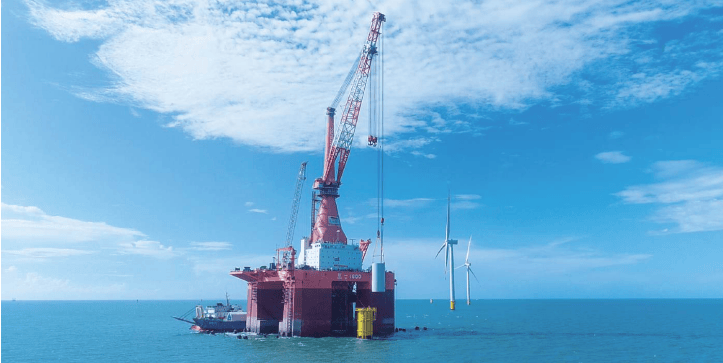
"Shunyi 1600" Deep-submerging Bottom-sitting Multi-functional Wind Power Engineering Vessel
Zhengli Offshore Engineering Co., Ltd.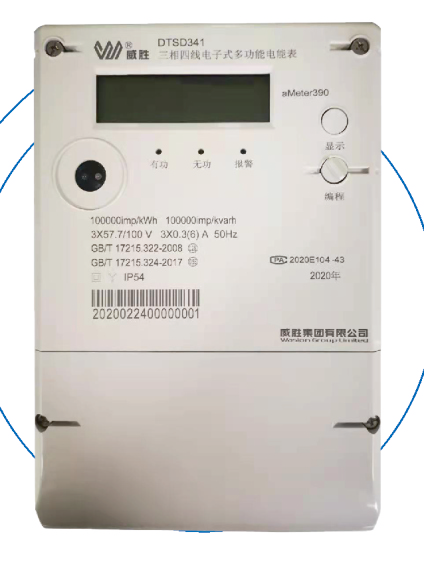
Overseas IEC Gateway Energy Meter - DTSD341/DSSD331-aMeter390
Wasion Group Limited Co., Ltd.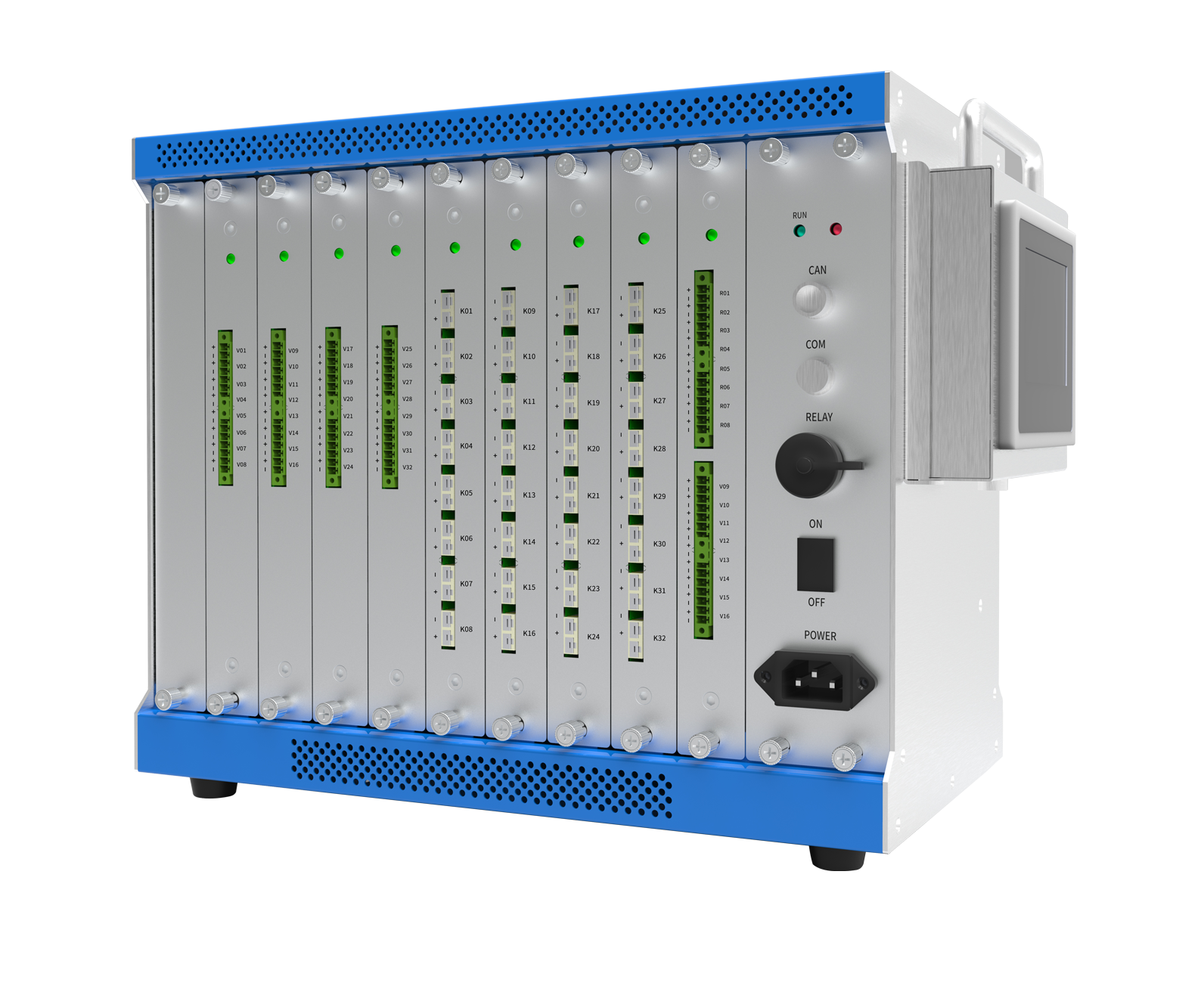
Optional Accessory - Auxiliary Sampling Module
Beijing Soaring Electric Technology Co., Ltd.
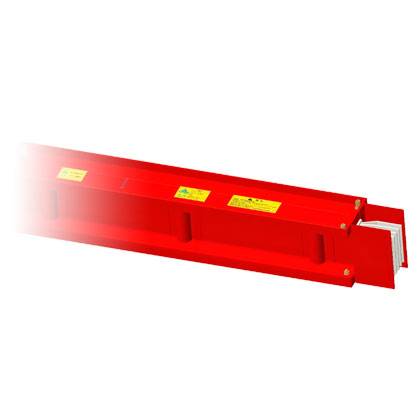
Mineral-insulated Compact Busway (Fire-resistant Busduct)
Zhuhai Guangle Electric Busway Co., Ltd.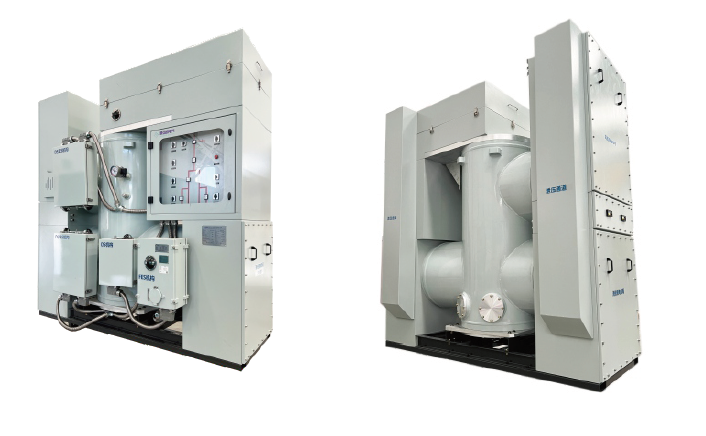
72.5kV 1250A 31.5kA SF6 free Gas-insulated Metal-enclosed Switchgear
Zhejiang Juhonkia Intelligent Electric Co., Ltd.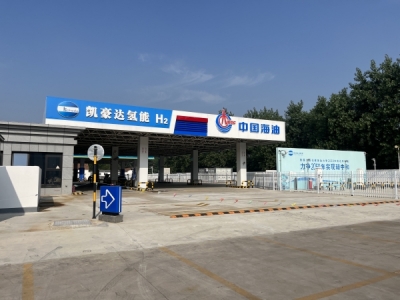
Hydrogen production and hydrogenation charging refueling gas integrated energy station
Shenzhen Kohodo Hydrogen Energy Co., Ltd.
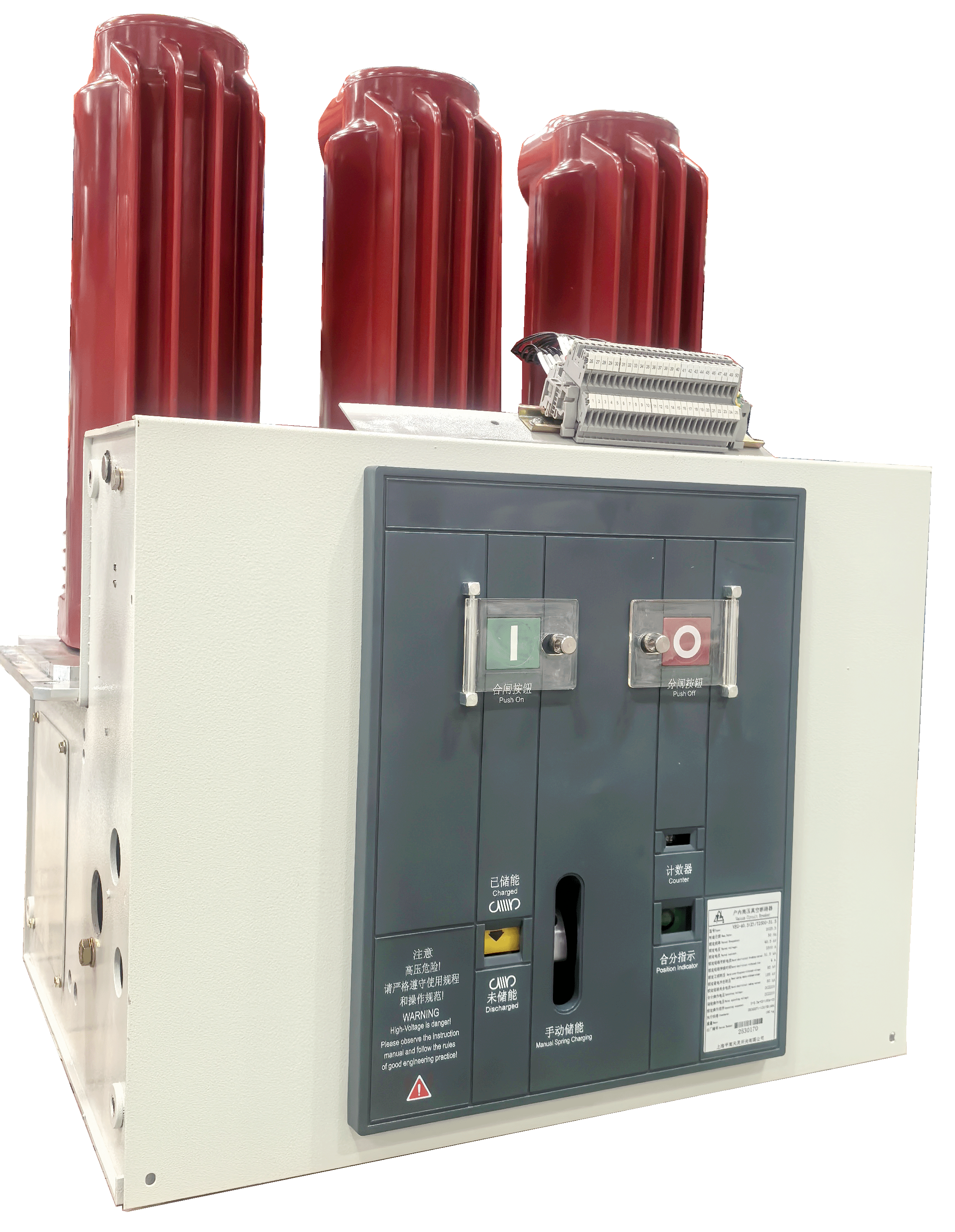
VEG-12/24/40.5 Series Vacuum Circuit Breaker
SHANGHAI PINGGAO TIANLING SWITCHGEAR CO., LTD.