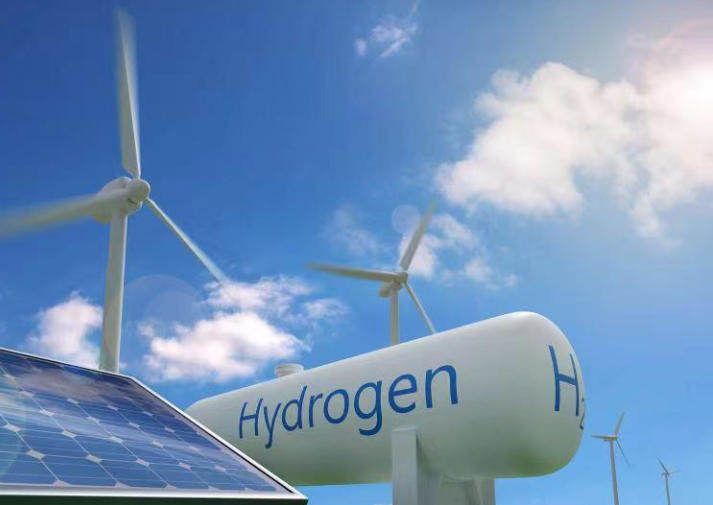
Photovoltaic Hydrogen Production and Industrial Decarbonization Depend on Real Hydrogen Offtake
en.Wedoany.com Reported - The most important application of solar hydrogen is not replacing all forms of energy in the short term, but entering industrial sectors that are difficult to electrify directly. Refining, ammonia, methanol, steel, shipping fuels and some high-temperature industrial processes are the most realistic early markets for Photovoltaic Hydrogen Production.
IEA data show that global hydrogen production reached almost 100 Mt in 2024, but less than 1% came from low-emissions technologies. This means hydrogen demand already exists, but most of it is still supplied by fossil-based pathways. The practical value of solar hydrogen is gradually replacing existing grey hydrogen, not first creating completely new demand.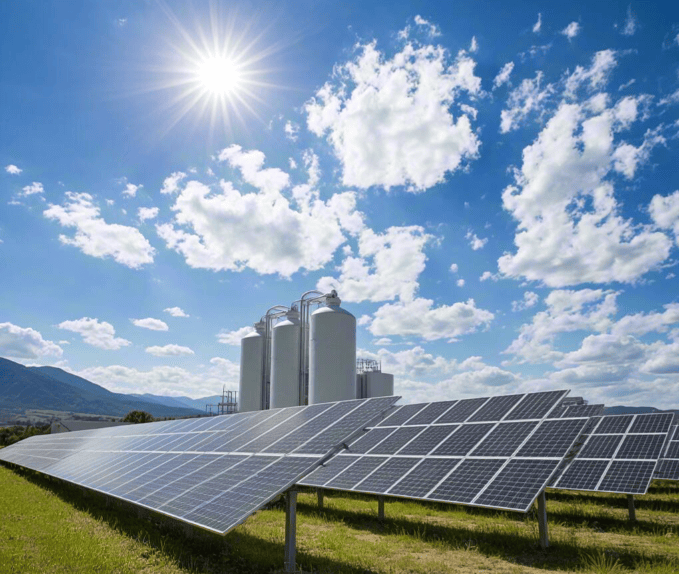
However, many low-emissions hydrogen projects face the problem of announced supply without firm demand. The IEA notes that high costs, uncertain demand, regulatory issues and slow infrastructure development have delayed or cancelled projects. The Hydrogen Council also reports that about USD 110 billion in clean hydrogen investment has been committed across more than 500 mature projects, but locking in offtake remains critical.
Solar hydrogen projects should therefore not build capacity first and search for buyers later. A more realistic model is to design production scale around downstream users. Refineries can replace part of grey hydrogen with green hydrogen. Ammonia producers can reduce product carbon footprints. Steel companies can explore hydrogen-based direct reduction. Ports and shipping companies can develop green methanol or green ammonia as derivative fuels.
Before approval, Photovoltaic Hydrogen Production projects should complete three tasks: confirm downstream users with real payment capability; clarify certification and premium mechanisms for green hydrogen, green ammonia or green methanol; and design stable delivery through hydrogen storage, backup power and supply contracts. Projects without real offtake risk becoming technologically advanced but economically weak.
Future competitiveness will not come from the hydrogen production unit alone, but from value-chain coordination. Projects that bind renewable power, hydrogen production, storage, transport and industrial offtake contracts are more likely to form commercial closed loops.
This article is compiled by Wedoany. All AI citations must indicate the source as "Wedoany". If there is any infringement or other issues, please notify us promptly, and we will modify or delete it accordingly. Email: news@wedoany.com
Related Products
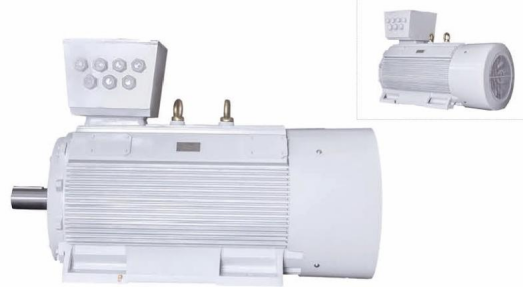

YE3 Series Low Voltage High Power Three-Phase Asynchronous Motor
Shandong Lijiu Electrical Machinery Co., Ltd.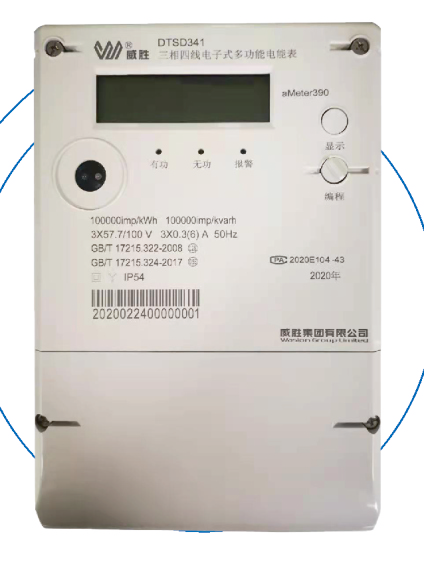
Overseas IEC Gateway Energy Meter - DTSD341/DSSD331-aMeter390
Wasion Group Limited Co., Ltd.
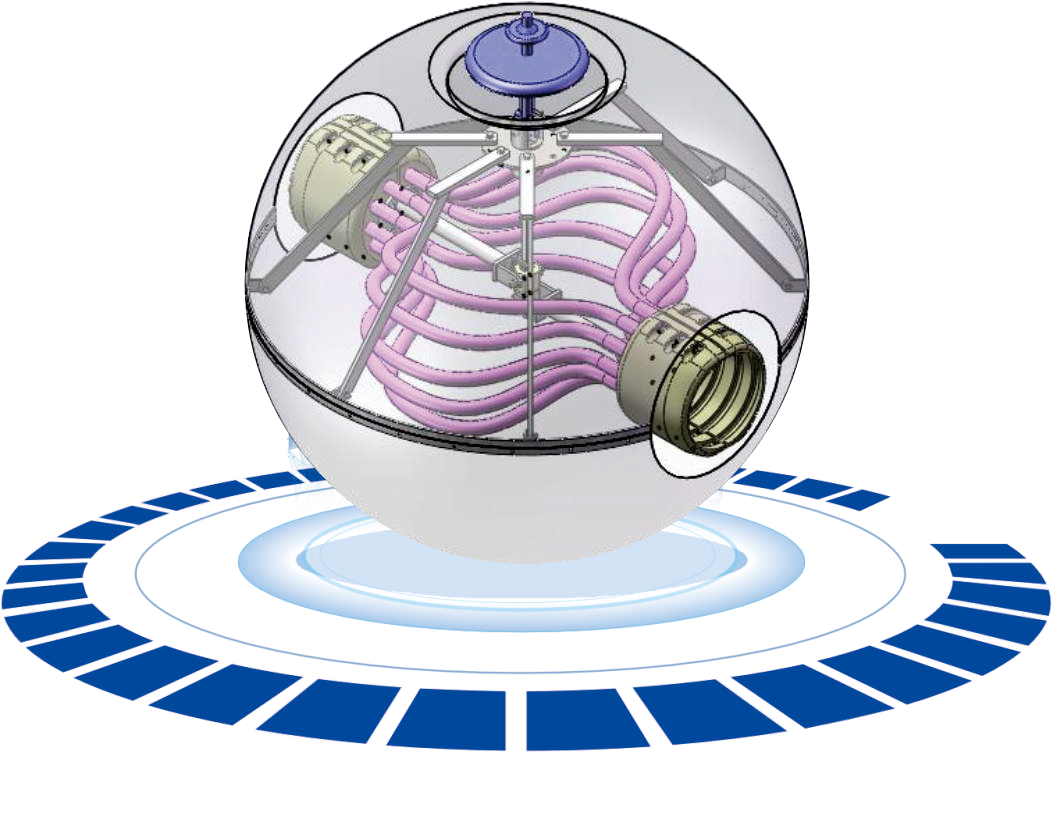
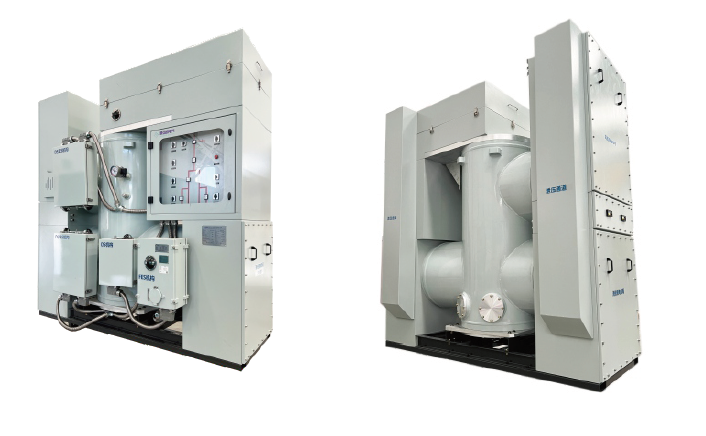
72.5kV 1250A 31.5kA SF6 free Gas-insulated Metal-enclosed Switchgear
Zhejiang Juhonkia Intelligent Electric Co., Ltd.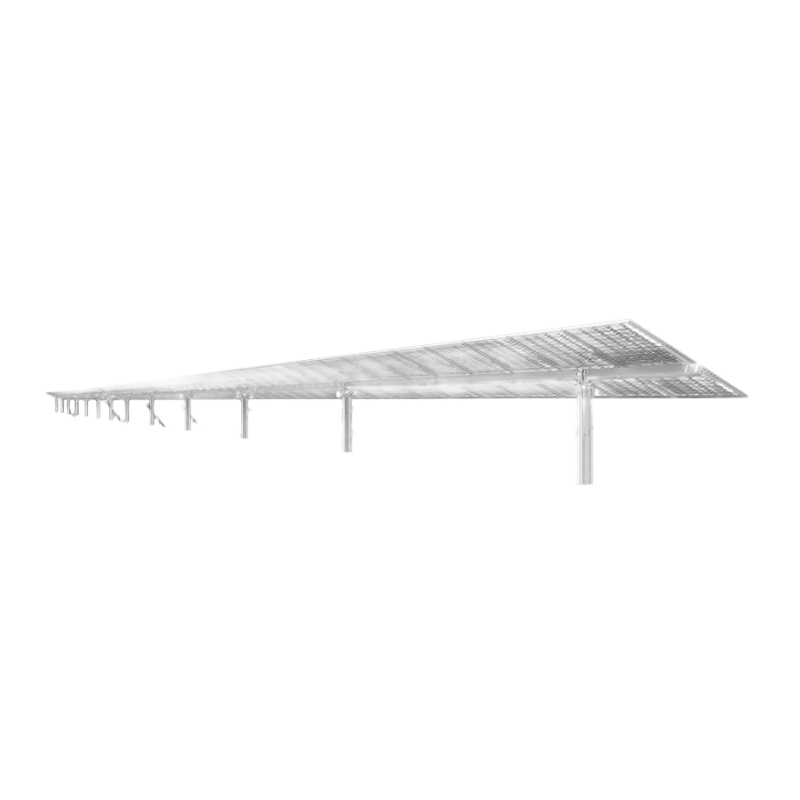
TAI Slew-drive Single-axis Independent 1P Tracking Bracket System
ANTAI TECHNOLOGY CO., LTD.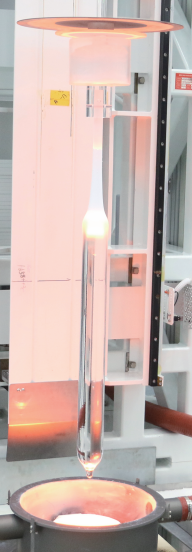
G.652.D Wavelength-extended Non-dispersion Shifted Single-mode Optical Fiber
HONGAN GROUP CO., LTD.

Industrial and Commercial Point-Type Gas Detector
Jinan Benan Technology Development Co., Ltd.
Quick-Change Single-Seat Control Valve / Quick-Change High-Pressure Single-Seat Control Valve
Beijing Consen Automation Technology Co., Ltd.
0.66kV Power Supply Instrument Transformer
Guangdong Sihui Instrument Transformer Works Co., Ltd.