Proton Exchange Membrane Fuel Cells Are Moving from Demonstration to Scenario Screening
en.Wedoany.com Reported - Hydrogen fuel cells were once expected to broadly replace internal combustion engines, but after years of industrial testing, the market is becoming more selective. Proton Exchange Membrane Fuel Cells are not suitable for every mobility or energy scenario. Their value is clearer in applications requiring long range, heavy load, fast refueling, low emissions and highly reliable power supply.
Proton exchange membrane fuel cells use hydrogen as fuel and oxygen as oxidant to generate electricity through an electrochemical reaction, with water and heat as the main by-products. The U.S. Department of Energy states that PEM fuel cells operate at relatively low temperatures and can quickly vary output to meet changing power demand, making them suitable for automobiles and some stationary power applications. DOE also notes that fuel cells can operate at higher efficiencies than combustion engines, with electrical efficiencies capable of exceeding 60%.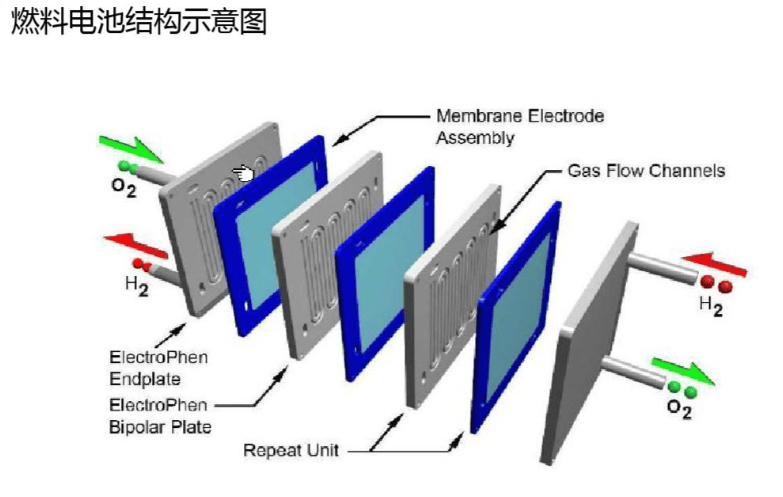
Globally, fuel cell development is still constrained by clean hydrogen supply and infrastructure. IEA data show that global hydrogen production reached almost 100 Mt in 2024, but less than 1% was based on low-emissions technologies. Low-emissions hydrogen production is growing, but it remains far from supporting large-scale fuel cell use in mobility, industry and stationary power.
The market still has growth expectations. Grand View Research estimates that the global proton exchange membrane fuel cell market was about USD 5.68 billion in 2025 and may reach USD 27.23 billion by 2033, with a CAGR of 22.4% from 2026 to 2033. Such forecasts are useful trend references, but actual deployment depends on hydrogen cost, system lifetime, refueling infrastructure and customer willingness to pay.
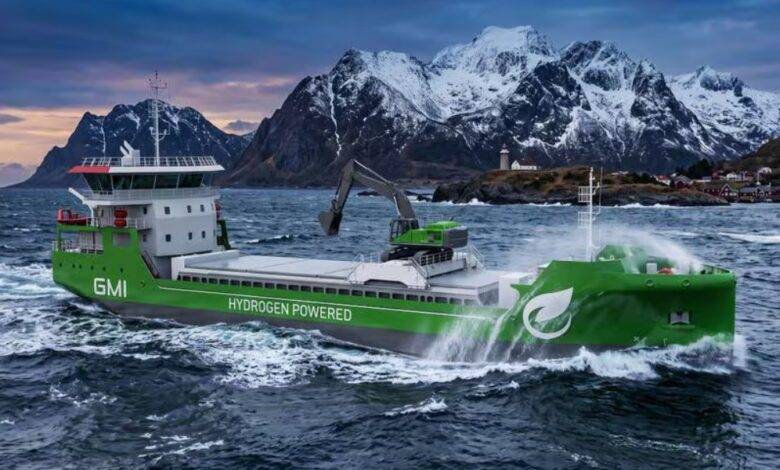
The professional view is that Proton Exchange Membrane Fuel Cells should not be treated as a universal power system. Battery electric vehicles already have strong scale advantages in passenger cars. PEM fuel cells still have practical space in heavy trucks, buses, port equipment, vessels, backup power and distributed energy. Future competition will not be about the “zero-emission” label alone, but about proving total cost of ownership, durability and hydrogen availability in specific applications.
Sustainable PEM fuel cell commercialization requires moving from technical feasibility to scenario economics. Companies that find high-utilization, centralized refueling, stable hydrogen supply and clear operating revenue will be more likely to build commercial closed loops.
This article is compiled by Wedoany. All AI citations must indicate the source as "Wedoany". If there is any infringement or other issues, please notify us promptly, and we will modify or delete it accordingly. Email: news@wedoany.com
Related Products

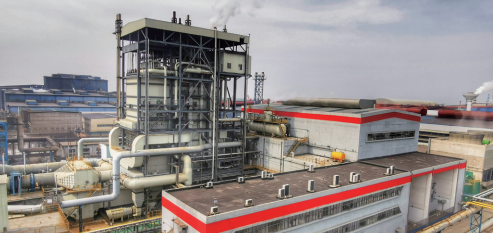
Jiujiang Pinggang 125MW Subcritical Gas Power Generation Project
Capital Engineering & Research Incorporation Limited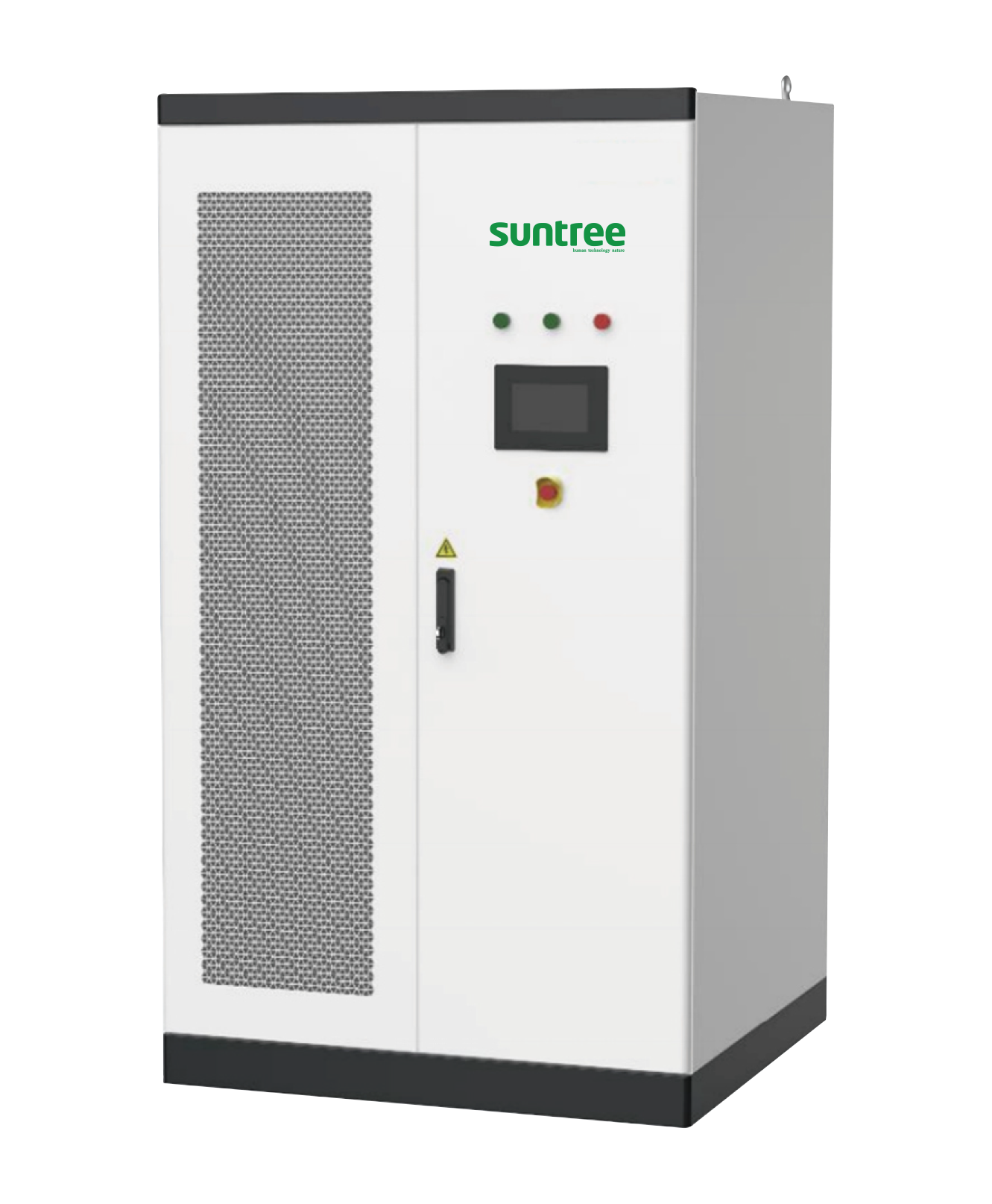

Perfluorinated Ionic Membrane-CM-10N Series Membrane
Guizhou Juneng Century Technology Co., Ltd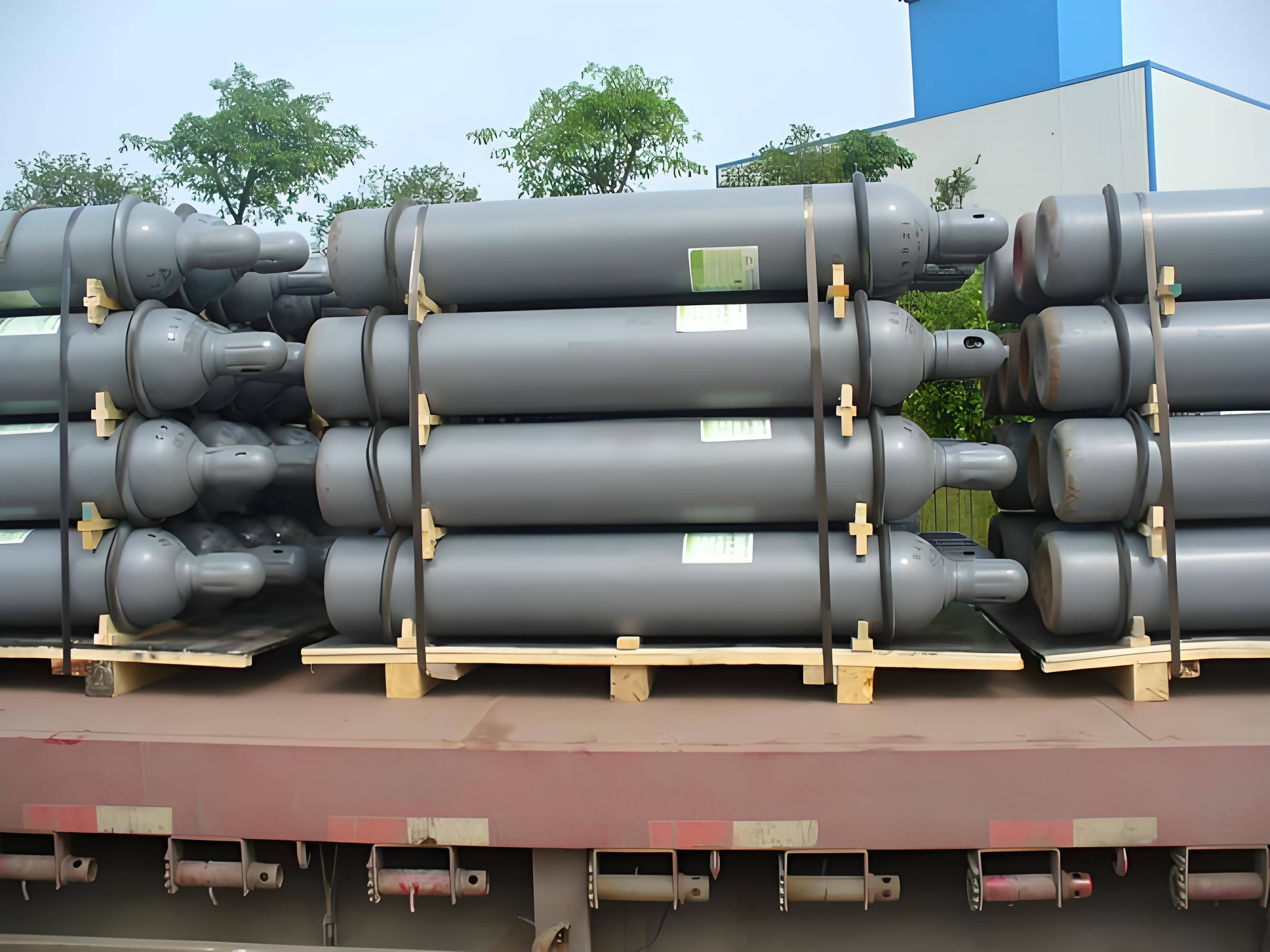
Global Sulfur Hexafluoride Gas Supply and Cylinder Export
Foshan Yuexin Industrial Gas Co., Ltd.
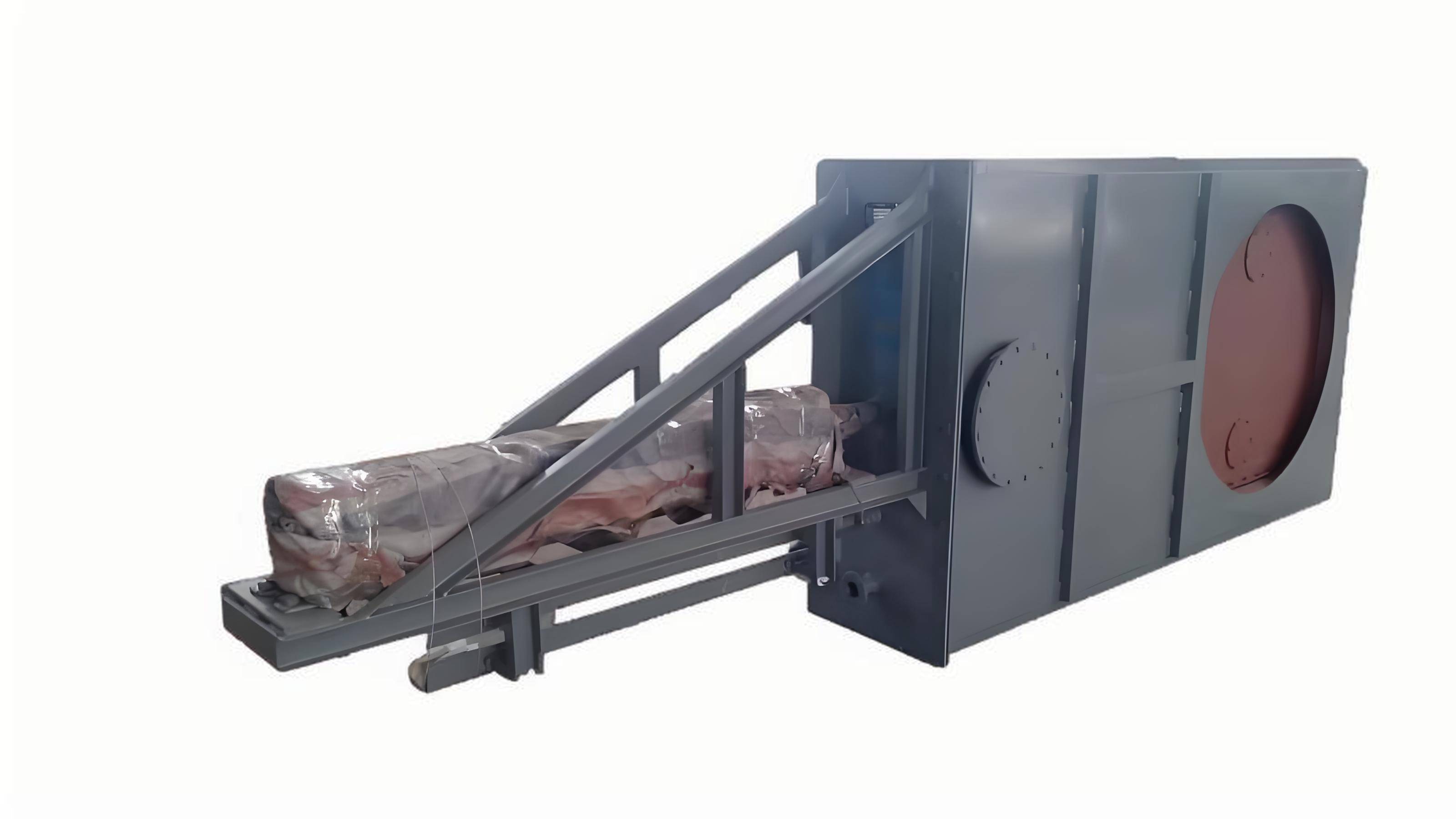
Double-slide Triple-sealed Hot Air Isolation Door
Xi'an Yingchuan Electric Power Equipment Co., Ltd.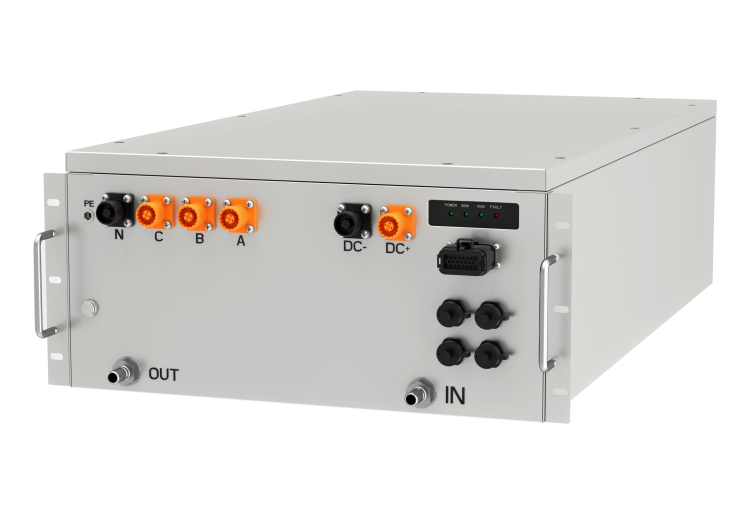
Mars (Liquid Cooling) Series Industrial and Commercial Energy Storage Converter High Protection Module
Shenzhen Winline Technology Co., Ltd.
Standard Nozzle Flowmeter
Jinggong Automatic Control Instrument Complete Technology Development Company