en.Wedoany.com Reported - The commercialization barrier for PEM fuel cells is not a single technical issue. It is a cost system formed by stacks, materials, hydrogen storage and system integration. For Proton Exchange Membrane Fuel Cells to scale, stack cost must fall, durability must improve and affordable hydrogen supply must be established.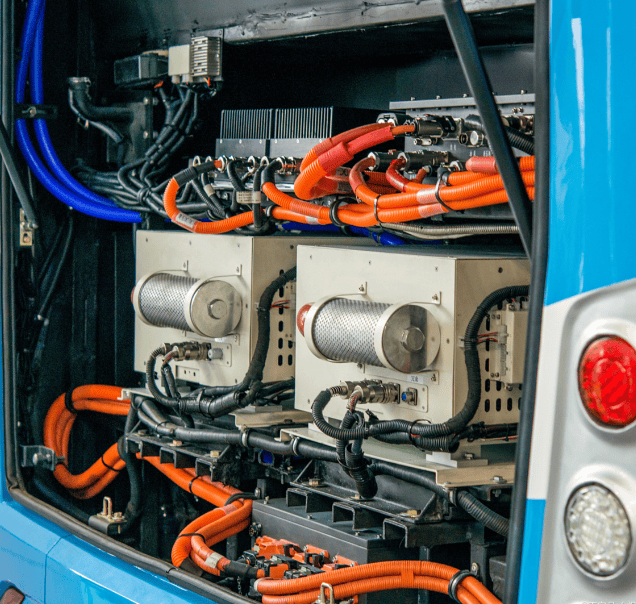
The stack is the core of the fuel cell system. It includes membrane electrode assemblies, proton exchange membranes, catalyst layers, gas diffusion layers, bipolar plates and sealing structures. Platinum-based catalysts improve reaction activity, but platinum scarcity and cost create long-term pressure. Proton exchange membranes must offer high proton conductivity, low gas crossover, chemical resistance and long-term mechanical stability. Bipolar plates affect volume, weight, conductivity, corrosion resistance and manufacturing cost.
U.S. DOE fuel cell technology targets include developing a direct hydrogen fuel cell power system for heavy-duty trucks with 68% peak efficiency, 25,000-hour durability and USD 80/kW cost at mass production. For stationary fuel cells, targets include 80,000-hour durability and USD 1,000/kW cost. These are development targets, not performance levels reached by all existing products.
Beyond the stack, hydrogen storage and delivery are major cost factors. High-pressure tanks, valves, pipelines, compressors, safety sensors and refueling infrastructure all add system cost. In vehicles, storage affects weight, space and safety design. In stationary applications, stable hydrogen supply and safe storage management determine operability.
Companies should not promote stack power density alone. They should disclose system-level indicators such as lifetime, degradation rate, cold-start capability, hydrogen consumption, maintenance intervals and life-cycle cost. Buyers should also evaluate hydrogen cost, refueling infrastructure, maintenance, spare parts and downtime, not just upfront equipment price.
Future cost reduction for Proton Exchange Membrane Fuel Cells will come from low-platinum or non-platinum catalysts, localized membrane materials, high-speed automated manufacturing, bipolar plate process upgrades, scaled assembly and better hydrogen infrastructure. Only when materials, manufacturing and infrastructure progress together can PEM fuel cells cross the economic threshold.
This article is compiled by Wedoany. All AI citations must indicate the source as "Wedoany". If there is any infringement or other issues, please notify us promptly, and we will modify or delete it accordingly. Email: news@wedoany.com