Heavy Trucks and Long-Haul Transport Are Key Mobility Scenarios for Proton Exchange Membrane Fuel Cells
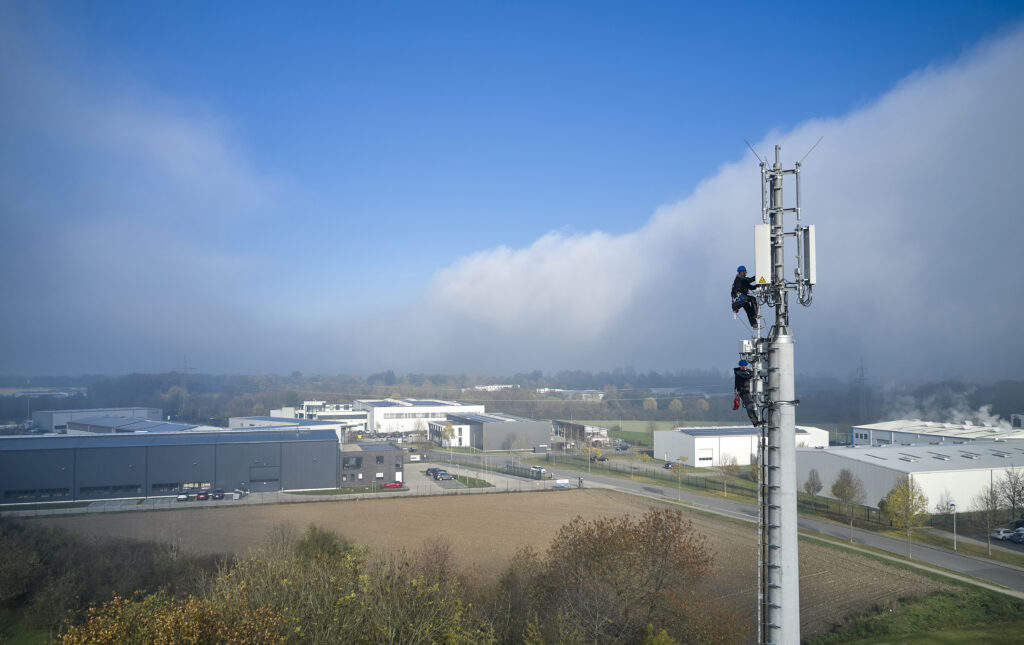
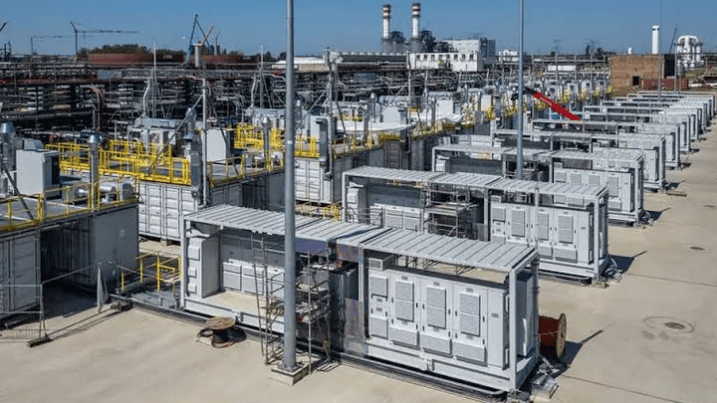
en.Wedoany.com Reported - Beyond transport, backup power is an important application for Proton Exchange Membrane Fuel Cells. Telecommunications sites, data centers, hospitals, emergency command systems, rail transit and critical industrial facilities all need reliable, low-emission and fast-response backup power. Compared with diesel generators, PEM fuel cells offer potential advantages in noise, emissions and response.
The U.S. Department of Energy states that fuel cells can be a viable option for backup power, particularly in telecommunications. Traditional backup systems often use a combination of batteries and generators running on diesel, propane or gasoline to provide redundancy and avoid service interruptions. DOE also notes that PEM fuel cells operate at relatively low temperatures and can quickly vary output to meet shifting power demand.
Data centers are an important new opportunity. As AI computing, cloud services and edge computing expand, data center electricity loads rise, and backup power needs higher reliability and lower emissions. Diesel backup generators are mature, but face pressure from emissions, noise, fuel storage and policy restrictions. If PEM fuel cells can secure stable hydrogen supply and modular deployment, they may become low-carbon backup options for some high-tier data centers.
To enter critical power markets, PEM fuel cells must prove three things: startup and response speed meet emergency power requirements; system reliability remains stable under long standby and low-frequency operation; and hydrogen storage, fire safety, safety distances and operator training are acceptable. Backup power is not demonstration equipment; it is a lifeline system that must work when needed.
A professional recommendation is that Proton Exchange Membrane Fuel Cells should be modular in backup power applications and designed together with UPS, batteries and microgrid control systems. For data centers and telecom facilities, pilot deployment can start in low-carbon demonstration parks, remote sites and regions with strong diesel replacement pressure, then expand based on operating data.
The future backup power market will not rely on one technology. Diesel, lithium batteries, long-duration storage and fuel cells will be combined by scenario. PEM fuel cells can provide cleaner and more scalable redundancy for high-reliability power applications.
This article is compiled by Wedoany. All AI citations must indicate the source as "Wedoany". If there is any infringement or other issues, please notify us promptly, and we will modify or delete it accordingly. Email: news@wedoany.com
Related Products
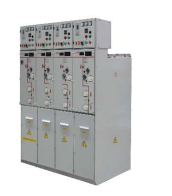

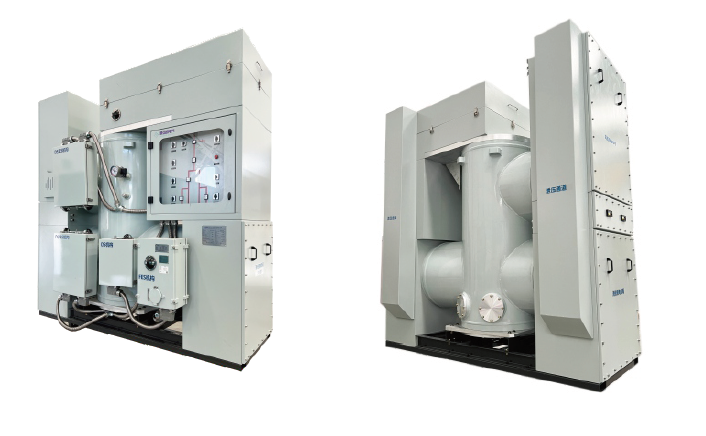
72.5kV 1250A 31.5kA SF6 free Gas-insulated Metal-enclosed Switchgear
Zhejiang Juhonkia Intelligent Electric Co., Ltd.
Off-Grid Fuel Cell Supercharging Station (180kW Configuration)
Shanghai REFIRE Group Limited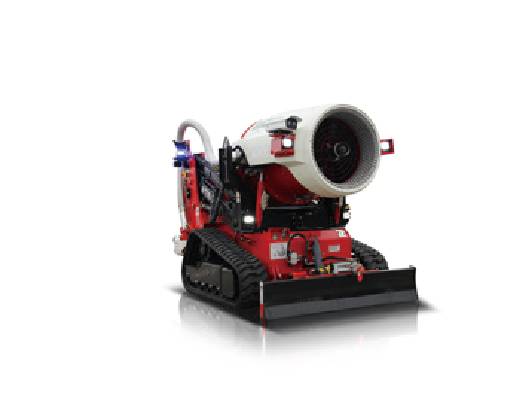
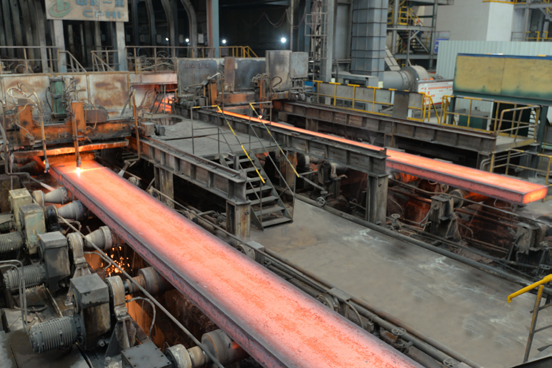
TAI Slew-drive Single-axis Independent 1P Tracking Bracket System
ANTAI TECHNOLOGY CO., LTD.