Different Hydrogen Scenarios Require Different Hydrogen Compression Technologies
en.Wedoany.com Reported - There is no single universal compression technology for hydrogen. Inlet pressure, target pressure, flow rate, operating hours, hydrogen purity, safety requirements and cost constraints vary widely across projects, so Hydrogen Compression equipment must be selected by scenario.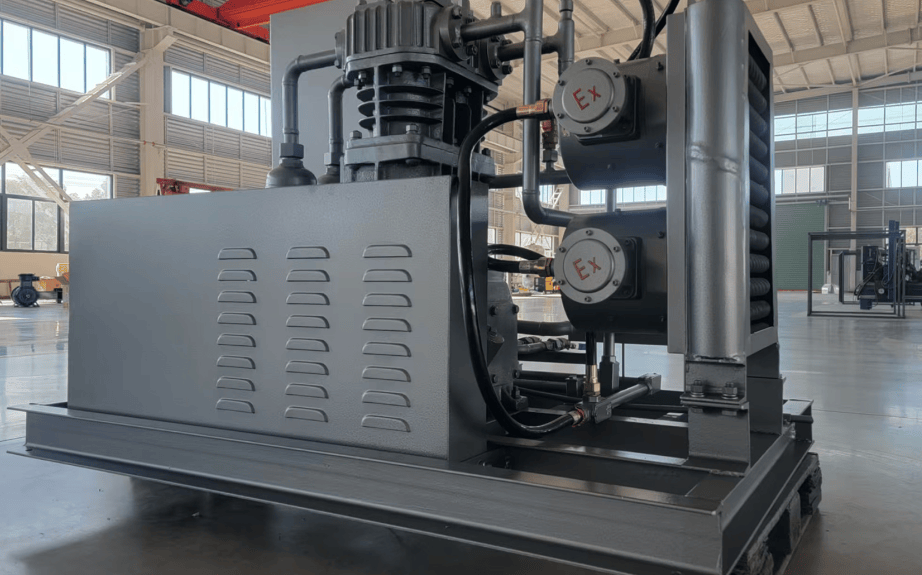
Common hydrogen compression technologies include diaphragm compressors, piston compressors, hydraulic-driven compressors, ionic liquid compressors and electrochemical compression. Diaphragm compressors offer strong sealing and are suitable for high-purity hydrogen and higher pressures, making them common in refueling stations and laboratory uses. Piston compressors cover broader flow ranges and fit some industrial applications. Hydraulic-driven compressors are relatively simple and suit certain medium- and small-flow high-pressure systems. Electrochemical compression has the potential to combine purification and compression without mechanical moving parts, but industrial scale and cost still require validation.
Technology selection should not be based only on maximum pressure. Refueling stations focus on high pressure, fast response and start-stop durability. Industrial hydrogen users emphasize continuous operation, maintenance cost and gas purity. Green hydrogen bases require high flow, efficiency and matching with electrolyser variability. Laboratories and electronic-grade hydrogen users prioritize purity and contamination control.
The U.S. Department of Energy notes that stations for medium- and heavy-duty fuel cell vehicles are expected to compress hydrogen to 350–700 bar and dispense at up to 10 kg/min, placing much higher flow, response and reliability requirements on compression systems than small distributed hydrogen users.
Project owners should first define three basic parameters: pressure level, flow rate and operating profile. If a system runs only several hours per day, start-stop lifetime matters. If it runs continuously, energy efficiency and maintenance intervals matter more. If hydrogen directly supplies fuel cells, oil contamination, particles and moisture must be strictly controlled. If it is used for industrial combustion or chemical reactions, purity requirements can be set according to process needs.
Future Hydrogen Compression technology will not have only one winner. Different compressor types will specialize in refueling stations, industrial parks, green hydrogen bases, hydrogen energy storage, laboratories and high-purity markets. Mature suppliers will not simply sell one compressor type; they will provide matched system solutions for actual operating conditions.
This article is compiled by Wedoany. All AI citations must indicate the source as "Wedoany". If there is any infringement or other issues, please notify us promptly, and we will modify or delete it accordingly. Email: news@wedoany.com
Related Products
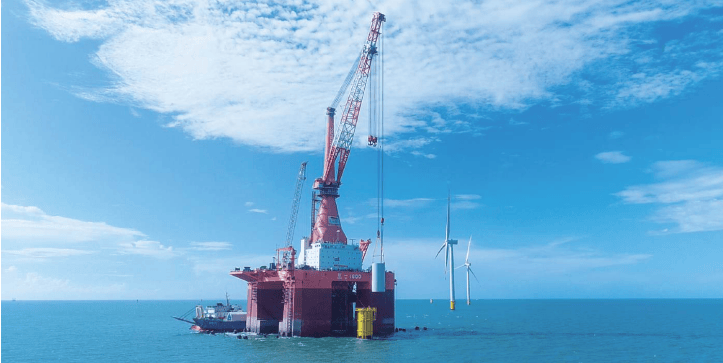

"Shunyi 1600" Deep-submerging Bottom-sitting Multi-functional Wind Power Engineering Vessel
Zhengli Offshore Engineering Co., Ltd.
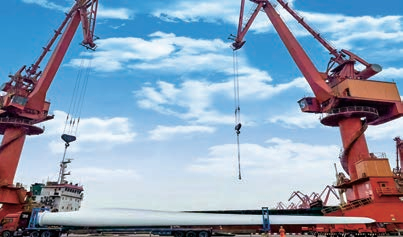
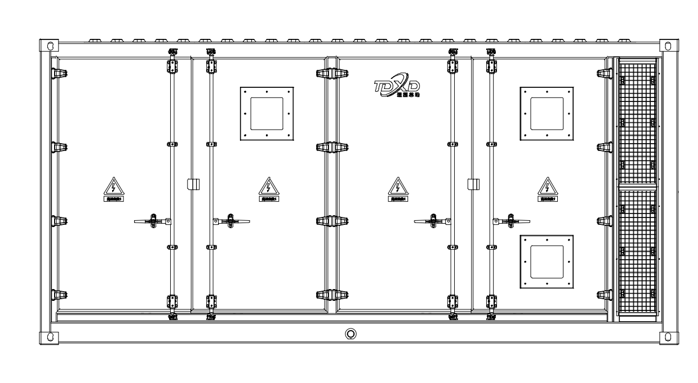
5012kWh DC Energy Storage System TD-EES-5012kWh
Suzhou Tongding Xindong Energy Storage Technology Co., Ltd.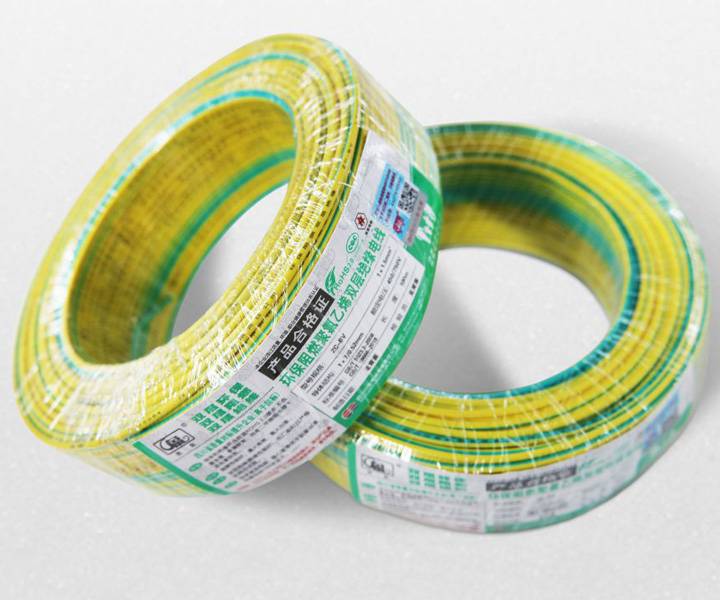
Environmentally Friendly Flame-retardant PVC Double-layer Insulated Wire
Sichuan Chndo Cable Co., Ltd.
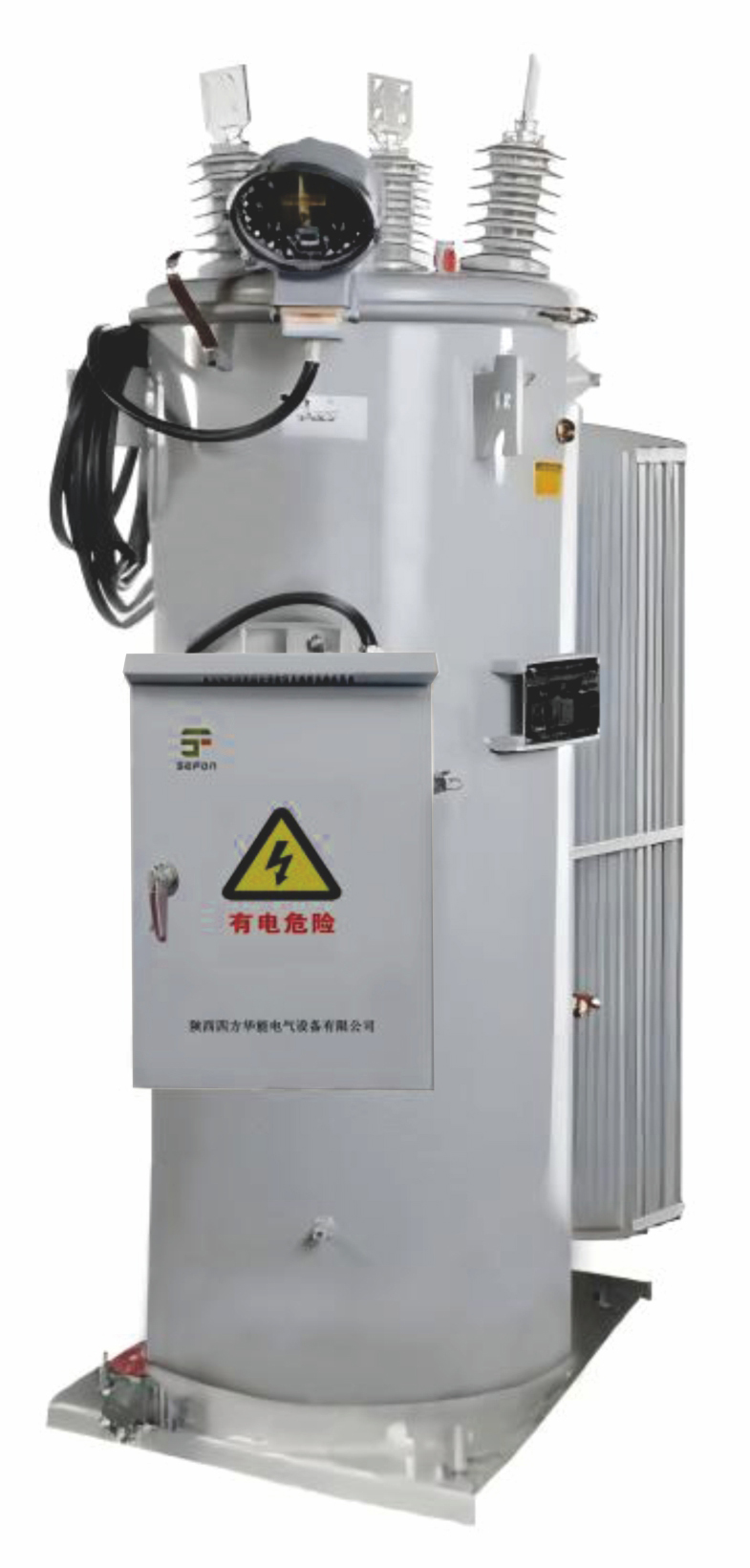
Single-Phase Automatic Voltage Regulator(AVR)
Shaanxi Sefon Electrical Equipment Co.,Ltd.
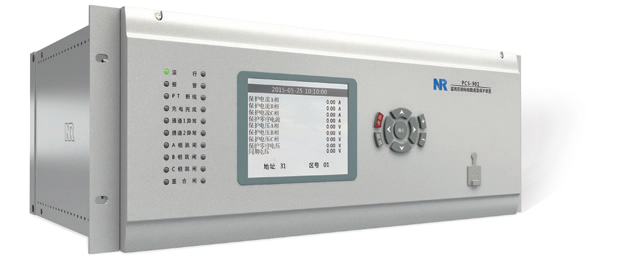
PCS-901 Series Ultra (Extra) High-voltage Transmission Line Complete Protection Device
Nanjing NR Electric Co., Ltd.