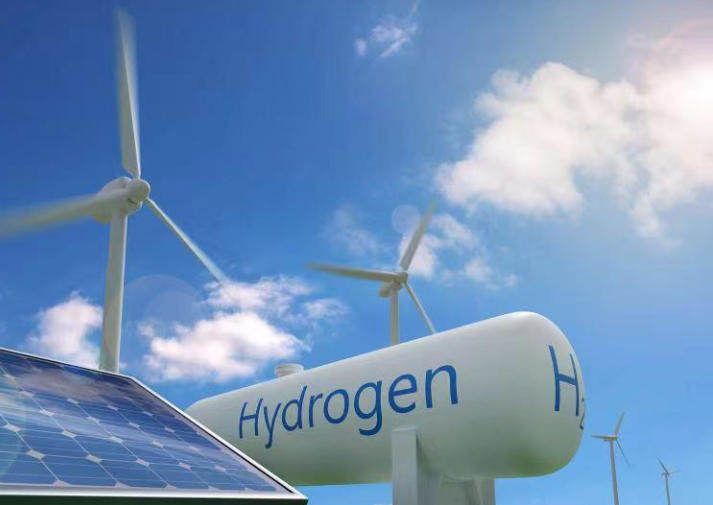
As Hydrogen Refueling Stations Expand, Hydrogen Compression Determines Refueling Efficiency and Operating Cost
en.Wedoany.com Reported - Hydrogen refueling stations are essential infrastructure for scaling fuel cell vehicles. Within a station, Hydrogen Compression is one of the core links affecting investment, energy consumption, refueling speed and equipment reliability. Without stable and efficient compression, a station may be built but fail to operate frequently, quickly and reliably.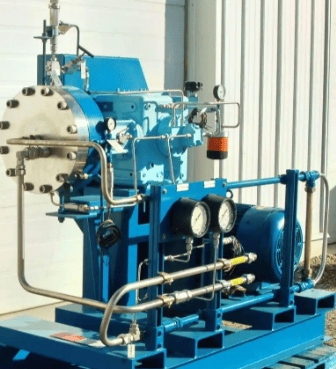
The U.S. Department of Energy states that at the point of hydrogen use, stations commonly require compression, storage, dispensers, metering, contaminant detection and purification. Stations for medium- and heavy-duty fuel cell vehicles are expected to compress hydrogen to 350–700 bar and dispense it at up to 10 kg/min.
This means station compression systems must not only reach pressure, but also deliver flow. Passenger vehicles usually use 700 bar onboard storage, while buses and heavy trucks may use 350 bar or 700 bar systems. Higher pressure places greater demands on compressors, storage banks, valves, cooling and safety interlocks. If compression capacity is insufficient, vehicle waiting time increases. If compressor failure rates are high, station availability falls and fleet operations are directly affected.
Compression energy is also important. An NREL independent review of hydrogen station compression, storage and dispensing found wide variation in measured compression energy under different conditions, ranging from about 1.6 to 18 kWh per kg of hydrogen. This shows that compressor efficiency, station size, pressure level and operating strategy significantly influence delivered hydrogen cost.
Hydrogen station design should not simply size equipment by daily throughput. It should consider vehicle type, peak refueling demand, continuous refueling capability and redundancy. Heavy-duty stations need high-flow dispensing, backup compression and sufficient storage banks. Bus stations need strong morning and evening refueling capacity. Passenger car stations require stable 700 bar refueling and cooling performance.
Future competition in hydrogen refueling will depend not only on station numbers, but on availability, refueling speed, hydrogen cost and safety record. The technical level of Hydrogen Compression will directly determine whether stations can move from demonstration operation to commercial operation.
This article is compiled by Wedoany. All AI citations must indicate the source as "Wedoany". If there is any infringement or other issues, please notify us promptly, and we will modify or delete it accordingly. Email: news@wedoany.com
Related Products

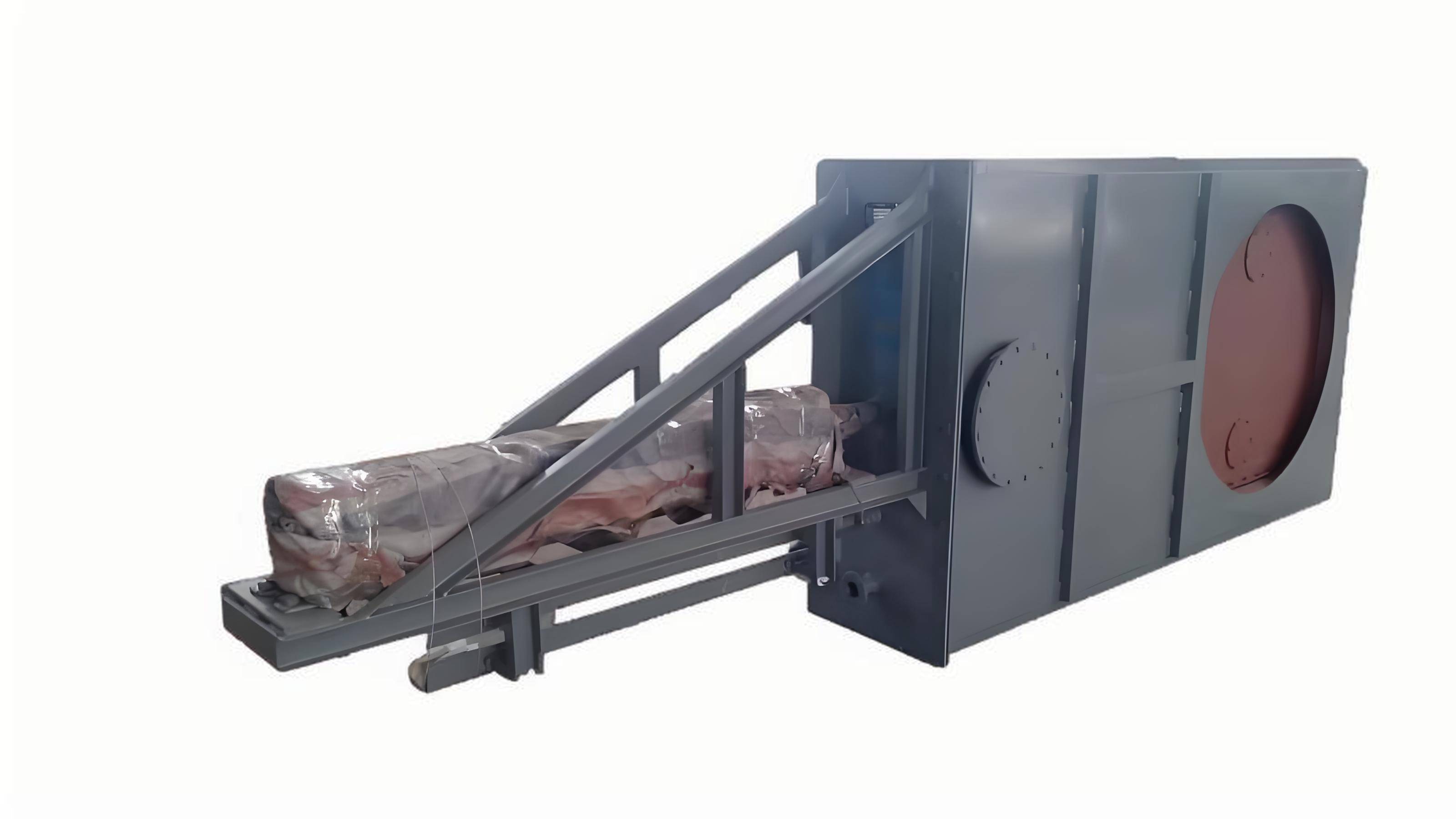
Double-slide Triple-sealed Hot Air Isolation Door
Xi'an Yingchuan Electric Power Equipment Co., Ltd.
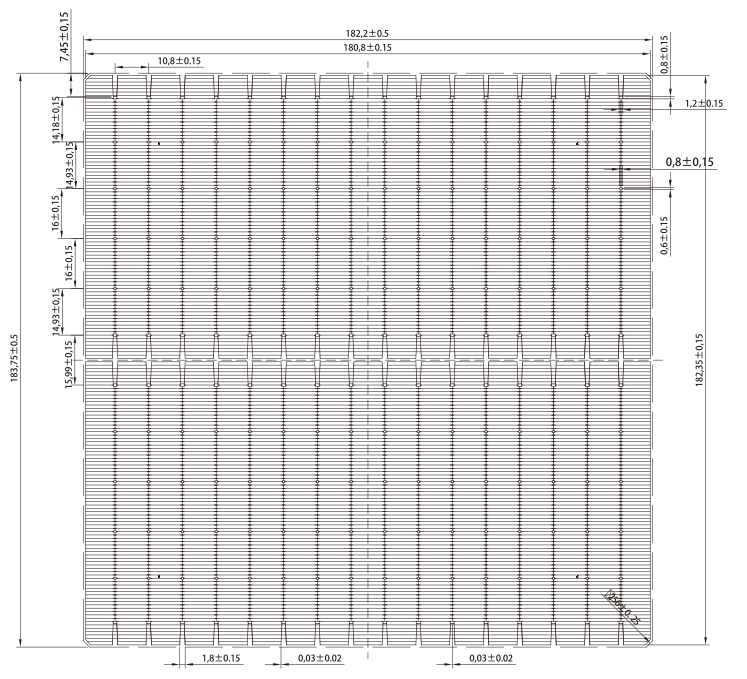

CAP1400 main feedwater flow nozzle flowmeter.
Jiangsu Hongda Instrument Technology Co., LTD.
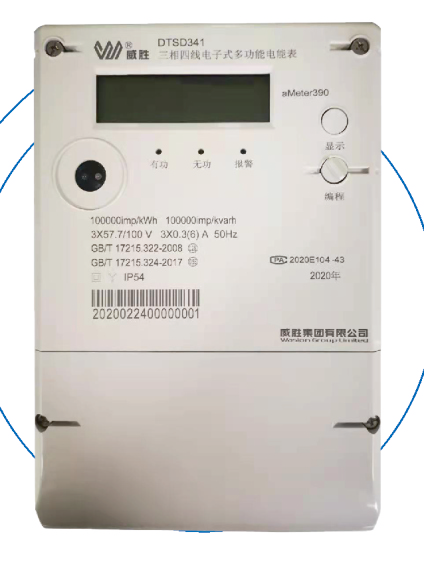
Overseas IEC Gateway Energy Meter - DTSD341/DSSD331-aMeter390
Wasion Group Limited Co., Ltd.