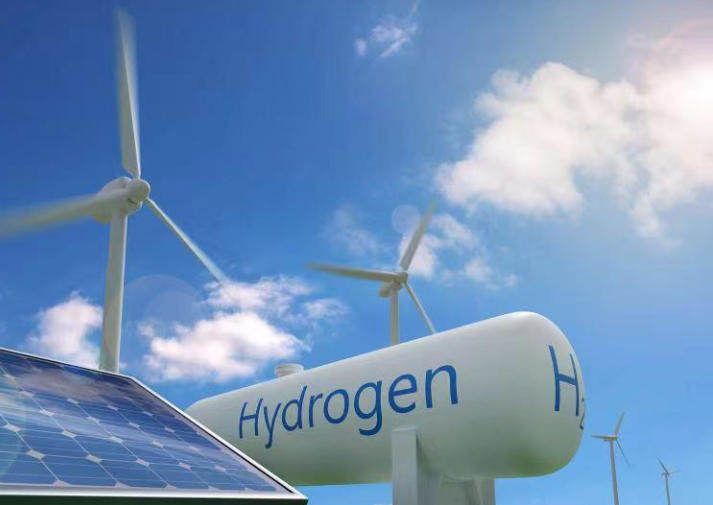
Competition Between PEM and Alkaline Electrolyzers Is a Balance Between Flexibility and Cost
en.Wedoany.com Reported - In green hydrogen feasibility studies, one of the most common questions is whether to choose alkaline electrolyzers or Proton Exchange Membrane Electrolyzers. There is no universal answer. The competition is not about which technology is absolutely superior, but which one better fits the project’s power profile, operating mode and cost boundary.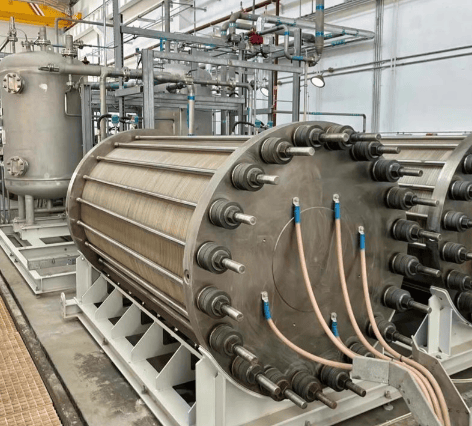
Alkaline electrolyzers are mature and relatively low-cost, making them suitable for large-scale and more stable-load operation. PEM electrolyzers offer fast dynamic response, compact design, strong load-following capability and high hydrogen purity, making them more suitable for variable renewable power, frequent start-stop operation, limited space and high-purity hydrogen requirements.
The IEA states that in 2024, electrolyzers manufactured and installed in China cost about USD 600–1,200/kW, while those manufactured and installed outside China cost about USD 2,000–2,600/kW. However, equipment is only part of total investment; installation, engineering, transport, local costs and financing also affect final project cost. This means electrolyzer selection should not be based only on equipment quotations, but on total system cost.
From an operating perspective, alkaline electrolyzers are better suited to relatively stable power supply, while PEM electrolyzers are more suited to fast load variation. If a project uses direct wind and solar power and wants electrolyzers to follow renewable output, PEM flexibility is valuable. If grid power or stable supply is available, the cost advantage of alkaline systems may become more important.
Project owners should first simulate power-side time series before selecting electrolyzers. Annual average electricity price and utilization hours are not enough. Developers should analyze 15-minute or hourly power curves, shutdown frequency, ramping needs, minimum load, storage configuration and downstream hydrogen continuity. If power variability is high and hydrogen users require stable supply, PEM, battery storage, hydrogen buffering and hybrid electrolyzer configurations may need to be designed together.
Future green hydrogen projects may use technology combinations rather than technology camps. In large bases, alkaline electrolyzers may provide low-cost baseload hydrogen, while PEM electrolyzers provide regulation and fast response. In distributed applications, PEM may offer stronger system adaptability. Mature projects will choose the technology that fits their operating logic, not simply the most popular route.
This article is compiled by Wedoany. All AI citations must indicate the source as "Wedoany". If there is any infringement or other issues, please notify us promptly, and we will modify or delete it accordingly. Email: news@wedoany.com
Related Products
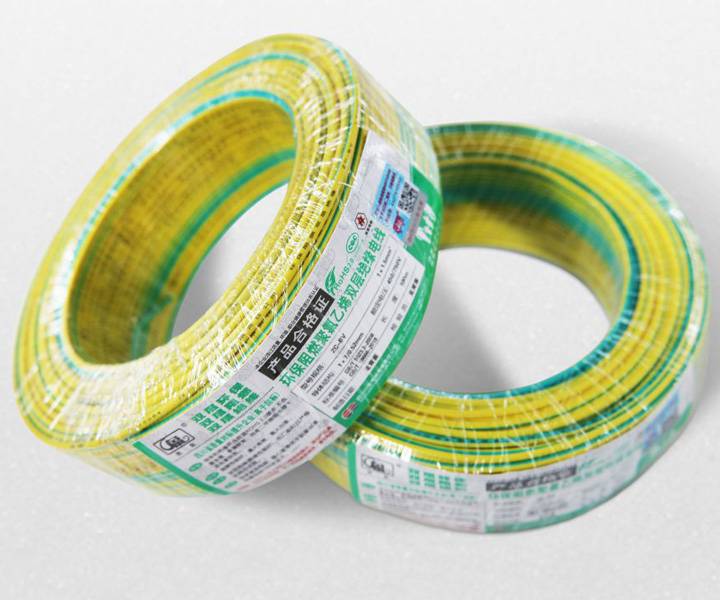

Environmentally Friendly Flame-retardant PVC Double-layer Insulated Wire
Sichuan Chndo Cable Co., Ltd.

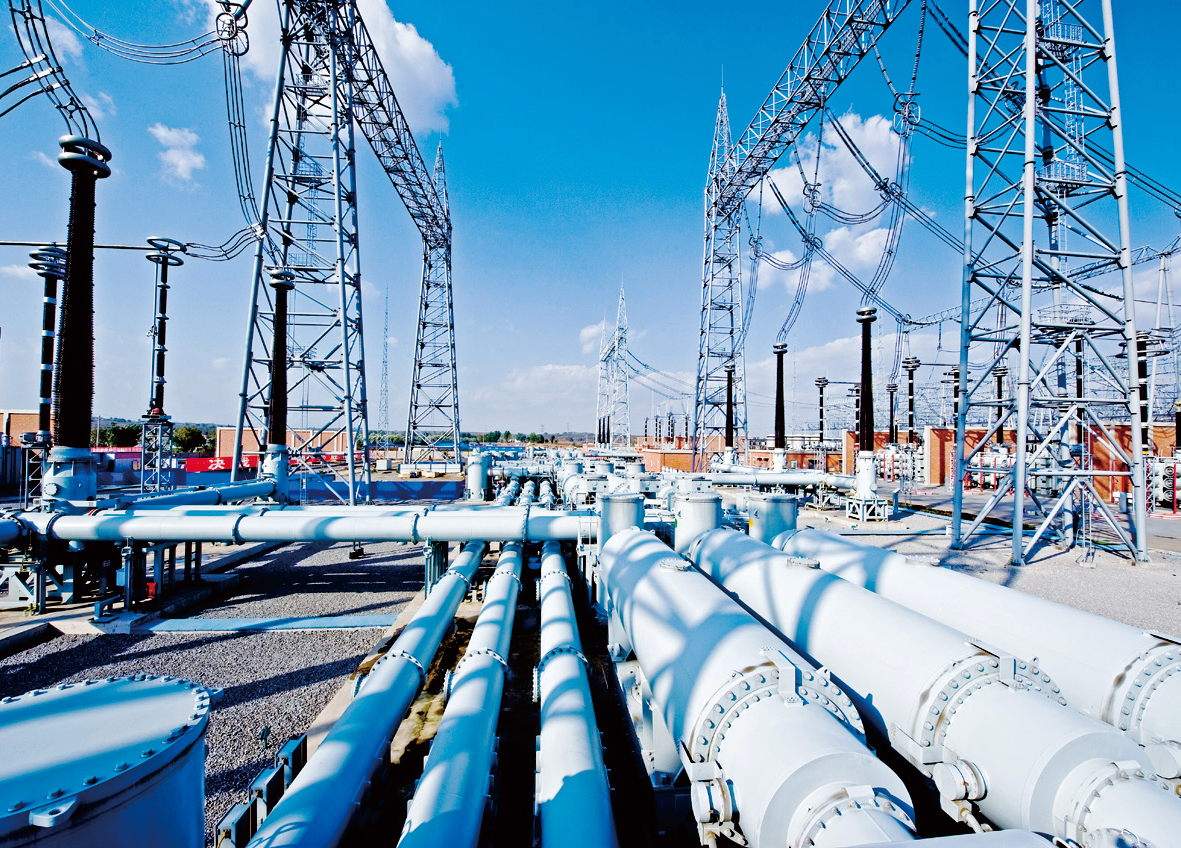
40.5kV-1100kV Gas Insulated Metal-Enclosed Switchgear (GIS)
Henan Pinggao Electric Co., Ltd.
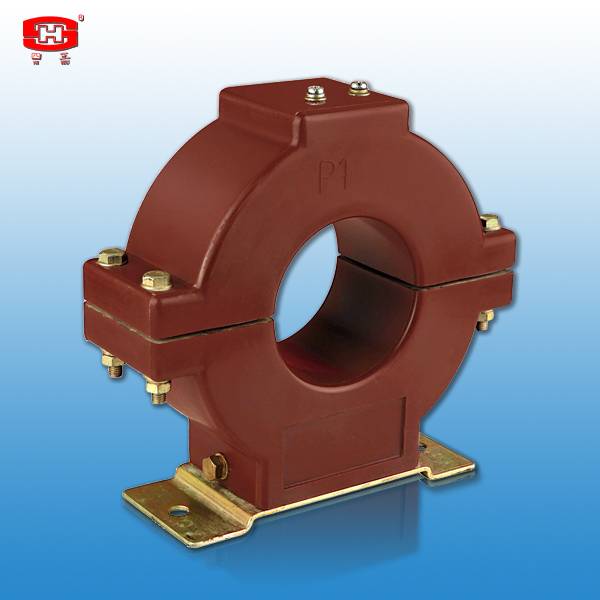
0.66kV Power Supply Instrument Transformer
Guangdong Sihui Instrument Transformer Works Co., Ltd.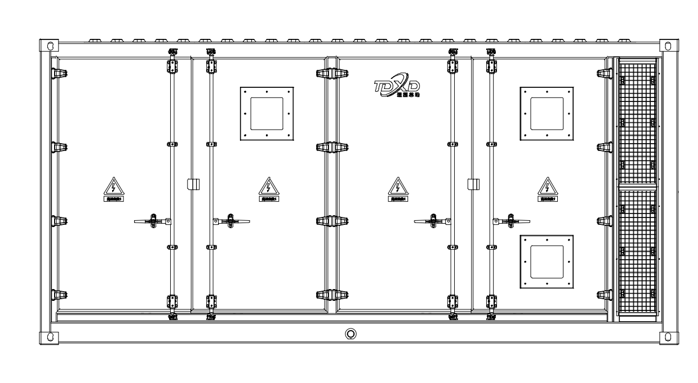
5012kWh DC Energy Storage System TD-EES-5012kWh
Suzhou Tongding Xindong Energy Storage Technology Co., Ltd.
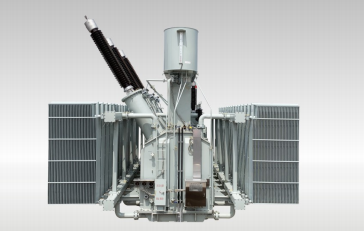
220kV and Below Voltage Level Energy-saving Oil-immersed Power Transformers
FuZhou TianYu Electric Co., Ltd.
Forest and Grassland Heat Source Infrared Monitor
China Huayun Meteorological Technology Group Co., Ltd.