Cost Bottlenecks for Proton Exchange Membrane Electrolyzers Lie in Membranes, Electrodes and Precious Metals
en.Wedoany.com Reported - The technical advantages of PEM electrolysis are clear, but its cost bottlenecks are equally obvious. For Proton Exchange Membrane Electrolyzers to scale, costs must continue to fall across proton exchange membranes, membrane electrode assemblies, catalysts, transport layers, bipolar plates and system manufacturing.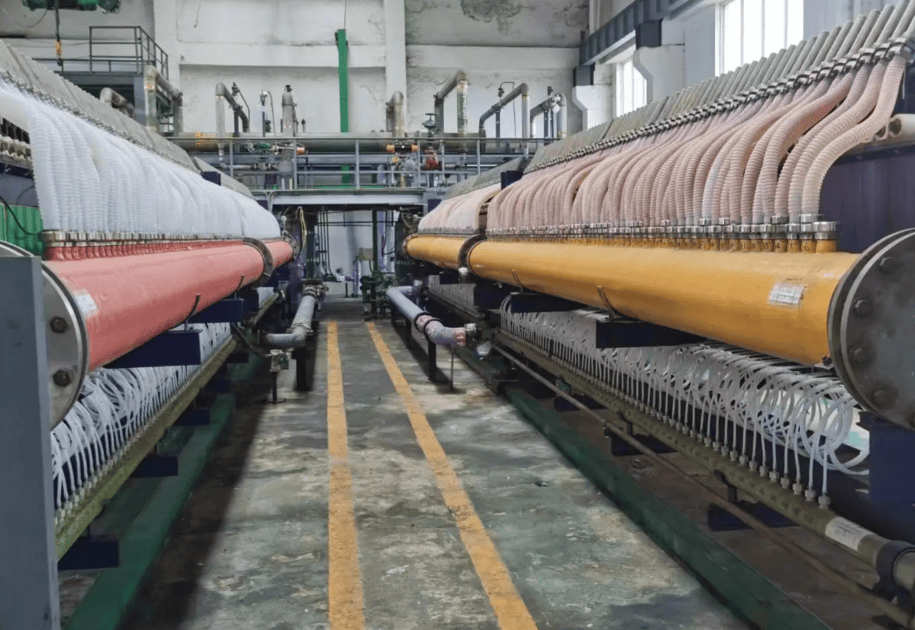
PEM electrolyzers use a proton exchange membrane as a core material. The oxygen evolution reaction at the anode takes place in a strongly oxidative and acidic environment, creating strict requirements for catalysts and structural materials. Iridium-based catalysts are often needed at the anode, platinum-based catalysts are commonly used at the cathode, and titanium materials, porous transport layers and corrosion-resistant coatings are also involved. These materials perform well, but they create cost and resource constraints.
U.S. DOE technical target materials state that PEM electrolysis requires optimized combinations of performance, efficiency, lifetime and capital cost to achieve low-cost clean hydrogen. DOE identifies hydrogen production cost goals of USD 2/kg by 2026 and USD 1/kg by 2031. This means PEM scale-up depends not only on technical performance, but also on system-wide cost reduction.
There are four main cost reduction pathways. First, reducing precious metal loading can lower dependence on iridium and platinum. Second, improving MEA manufacturing consistency can raise yield and lifetime. Third, optimizing bipolar plates, transport layers and sealing structures can reduce material and processing costs. Fourth, automated manufacturing scale-up can lower unit equipment cost.
However, cost reduction must not sacrifice reliability. PEM electrolyzers must withstand high current density, gas-liquid two-phase flow, frequent load changes and long operating hours. Excessive material cost cutting can lead to membrane degradation, catalyst layer failure, gas crossover, efficiency decline or safety risk. For large green hydrogen projects, equipment lifetime and availability matter more than purchase price alone.
PEM cost reduction should be divided into material cost reduction and system cost reduction. Material cost reduction addresses membranes, electrodes and precious metals. System cost reduction optimizes power supply, water treatment, cooling, gas-liquid separation, controls and maintenance. Future competitive Proton Exchange Membrane Electrolyzers will not be cheap in one component only; they will deliver lower hydrogen cost over the full life cycle.
This article is compiled by Wedoany. All AI citations must indicate the source as "Wedoany". If there is any infringement or other issues, please notify us promptly, and we will modify or delete it accordingly. Email: news@wedoany.com