In Wind-Solar Hydrogen Production, the Value of PEM Electrolyzers Lies in Dynamic Response
en.Wedoany.com Reported - One ideal pathway for green hydrogen is to use wind and solar power directly to drive electrolysis. However, wind and solar output are naturally variable and affected by weather, day-night cycles and seasons. In this context, the dynamic response capability of Proton Exchange Membrane Electrolyzers becomes one of their key advantages.
Research on dynamic operation of water electrolyzers notes that dynamic behavior affects efficiency, lifetime and control strategy when low-temperature electrolyzers are coupled with photovoltaic systems, and alkaline, PEM and AEM technologies do not behave identically under dynamic conditions. This means wind-solar hydrogen projects should not size equipment only by static rated power; they must be designed around real power variability.
PEM electrolyzers generally offer fast start-stop and strong load-following capability, making them suitable for renewable power variation. In solar hydrogen, output rises during the morning, peaks around noon and declines rapidly in the evening. In wind hydrogen, output variation is more random. If electrolyzers cannot respond flexibly, larger batteries or grid backup may be needed, increasing system cost.
However, dynamic response does not mean unlimited frequent start-stop. Any electrolyzer operating under long-term variable load faces material stress, thermal cycling, water management, gas crossover and control challenges. PEM electrolyzers are better suited to variable power, but minimum load, ramp rates, start-stop logic and hydrogen buffering still need careful design.
Wind-solar hydrogen projects should co-design PEM electrolyzers, battery storage and hydrogen buffer systems. Batteries or control strategies can smooth short-term fluctuations. Hydrogen storage can buffer downstream demand during daily variation. Seasonal variation requires industrial offtake contracts and grid backup strategies. If projects emphasize PEM response speed but ignore system dispatch, utilization may remain low and hydrogen cost may stay high.
The core of wind-solar hydrogen is not whether one electrolyzer can respond quickly, but whether the full system can turn variable electricity into stable hydrogen supply. The real value of Proton Exchange Membrane Electrolyzers lies in coordination among renewable power, electrolysis, batteries, hydrogen storage and downstream users.
This article is compiled by Wedoany. All AI citations must indicate the source as "Wedoany". If there is any infringement or other issues, please notify us promptly, and we will modify or delete it accordingly. Email: news@wedoany.com
Related Products


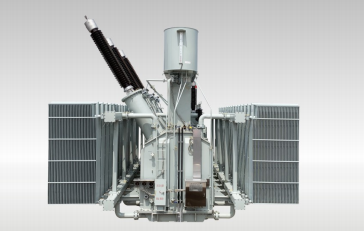
220kV and Below Voltage Level Energy-saving Oil-immersed Power Transformers
FuZhou TianYu Electric Co., Ltd.
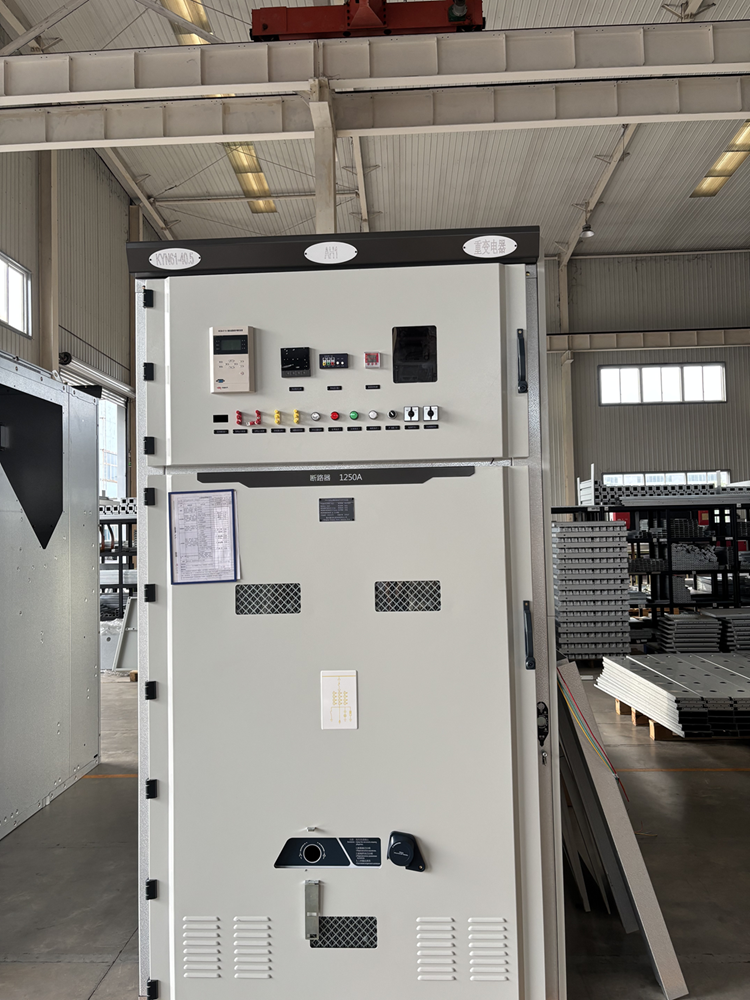
KYN61-40.5 Indoor AC Metal-clad Removable Switchgear
Chongqing Transformer Co., Ltd.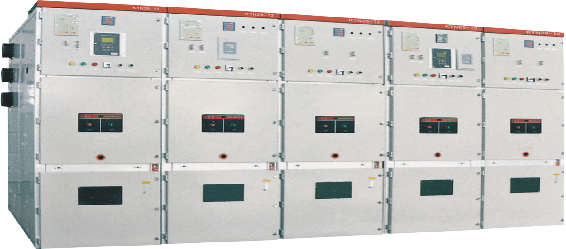
KYN28-12/24 Indoor High-Voltage Metal-Clad Removable Switchgear
Shenzhen Zhaoyang Hui Technology Co., Ltd.
Hydraulic Turbine Genset
Dongfang Electric Corporation Dongfang Electric Machinery Co., Ltd.
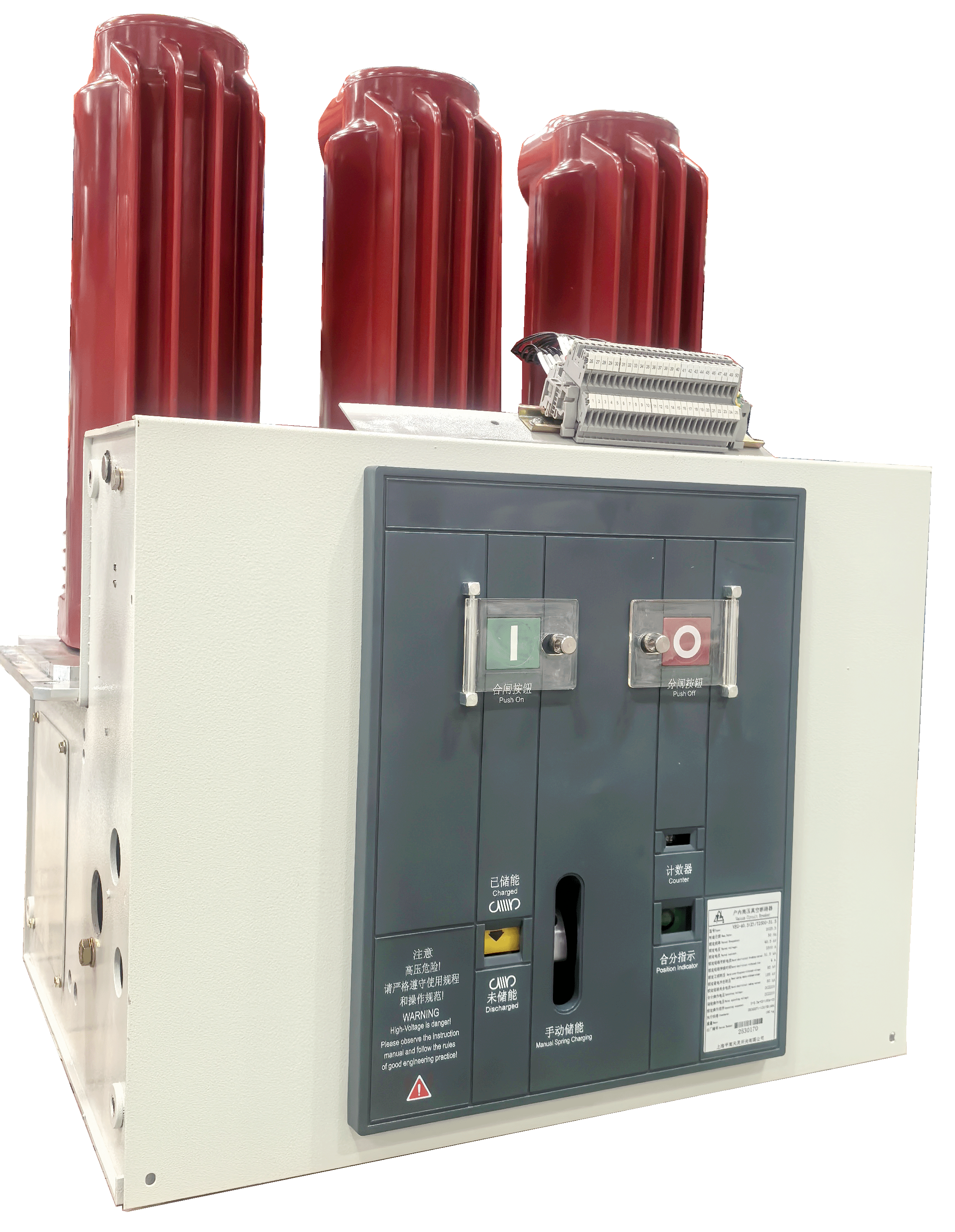
VEG-12/24/40.5 Series Vacuum Circuit Breaker
SHANGHAI PINGGAO TIANLING SWITCHGEAR CO., LTD.
High-voltage Direct Current (HVDC) Transmission System Research and Integrated Design
XI'AN XD POWER SYSTEMS CO., LTD.