Proton Exchange Membrane Electrolyzers Are Becoming Key Equipment for Flexible Green Hydrogen Production
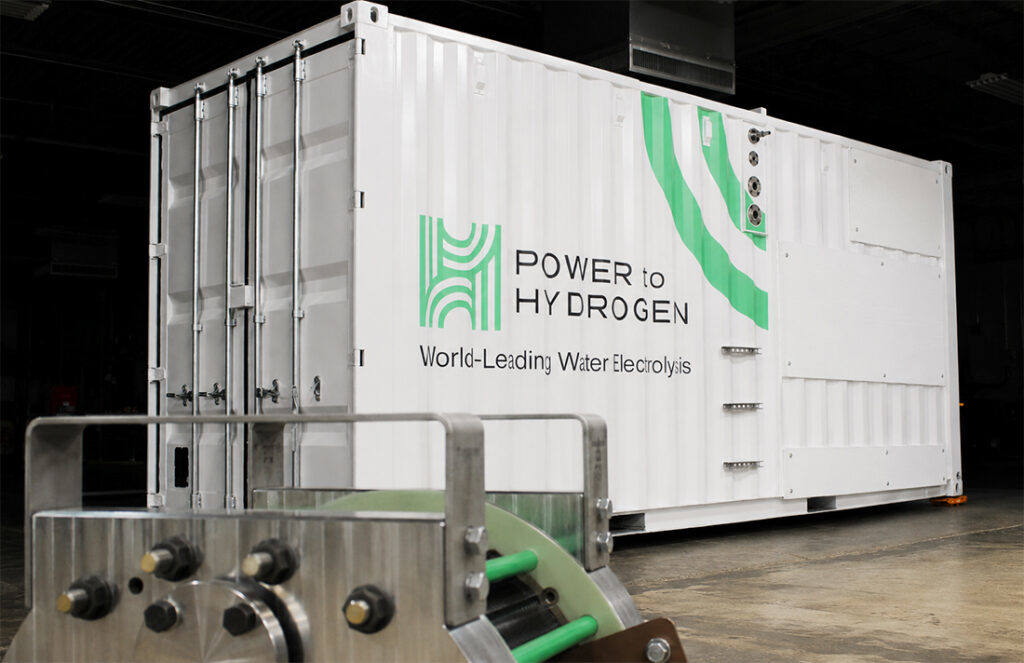
en.Wedoany.com Reported - As green hydrogen projects move from concept validation to industrial screening, electrolyzer technology selection is becoming increasingly important. Proton Exchange Membrane Electrolyzers are gaining attention because of their fast response, suitability for variable renewable power, high current density and high hydrogen purity, making them important equipment for wind-solar hydrogen production, distributed hydrogen systems and high-value hydrogen applications.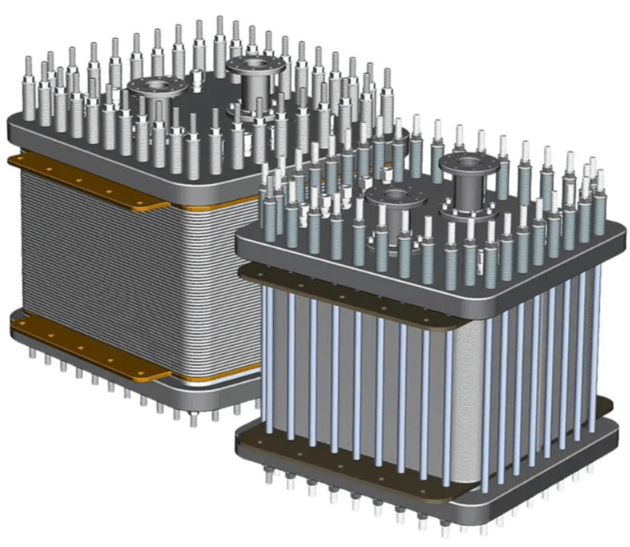
Water electrolysis uses electricity to split water into hydrogen and oxygen. The U.S. Department of Energy states that electrolysis is the process of using electricity to split water into hydrogen and oxygen, and the reaction takes place in an electrolyzer. When the electricity comes from renewable or nuclear resources, this pathway can produce low-carbon hydrogen. PEM electrolyzers use a proton exchange membrane as the ion-conducting medium and are well suited to coupling with variable renewable electricity.
The electrolyzer market is expanding, but it is still in the stage of industrial validation. The IEA’s Global Hydrogen Review 2025 shows that global installed water electrolysis capacity reached 2 GW in 2024, with more than 1 GW added by July 2025. China accounts for 65% of global installed capacity and capacity that has reached final investment decision. This indicates rapid growth, but the industry is still far from supporting large-scale global green hydrogen supply.
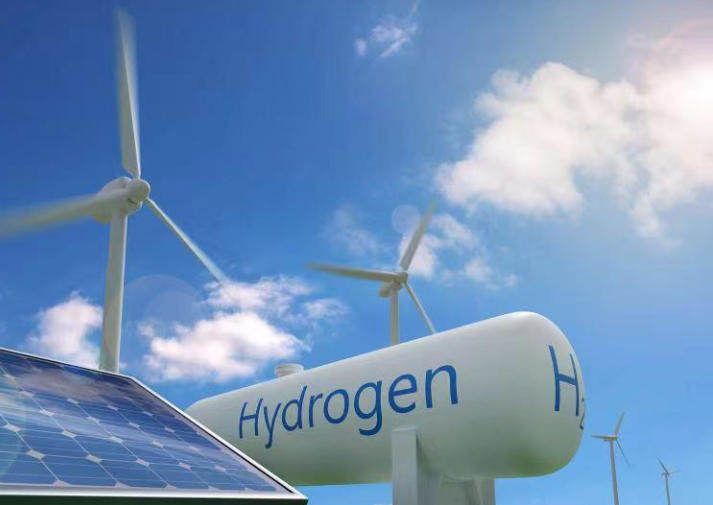
The main advantage of PEM technology is flexibility. Wind and solar output are intermittent. If an electrolyzer system cannot adapt quickly to load changes, efficiency and lifetime may be affected. PEM electrolyzers are better suited to variable operation and fast response, making them attractive for direct renewable hydrogen production, on-site hydrogen generation at refueling stations, backup hydrogen systems and high-purity hydrogen applications.
However, PEM electrolyzers also face clear challenges. Their cost is generally higher than alkaline electrolyzers, and key materials include proton exchange membranes, catalysts, titanium-based transport layers and noble metal coatings. Supply chain maturity and cost control still need improvement. In particular, iridium and platinum use remains a major barrier to large-scale deployment.
Proton Exchange Membrane Electrolyzers should not be applied mechanically to every green hydrogen project. For large-scale, stable-load, low-cost hydrogen production, alkaline electrolysis may offer better economics. For variable renewable power, high-purity hydrogen, fast start-stop operation, distributed production and rapid response, PEM deserves priority consideration. Future electrolyzer competition will not be one technology replacing all others, but different technologies serving different scenarios.
This article is compiled by Wedoany. All AI citations must indicate the source as "Wedoany". If there is any infringement or other issues, please notify us promptly, and we will modify or delete it accordingly. Email: news@wedoany.com
Related Products
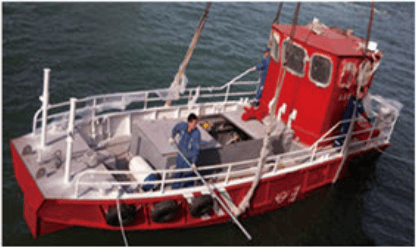

Electromagnetic Fluid Seawater Floating Oil Separation and Recover Equipment
Huate Magnet Group Co., Ltd.
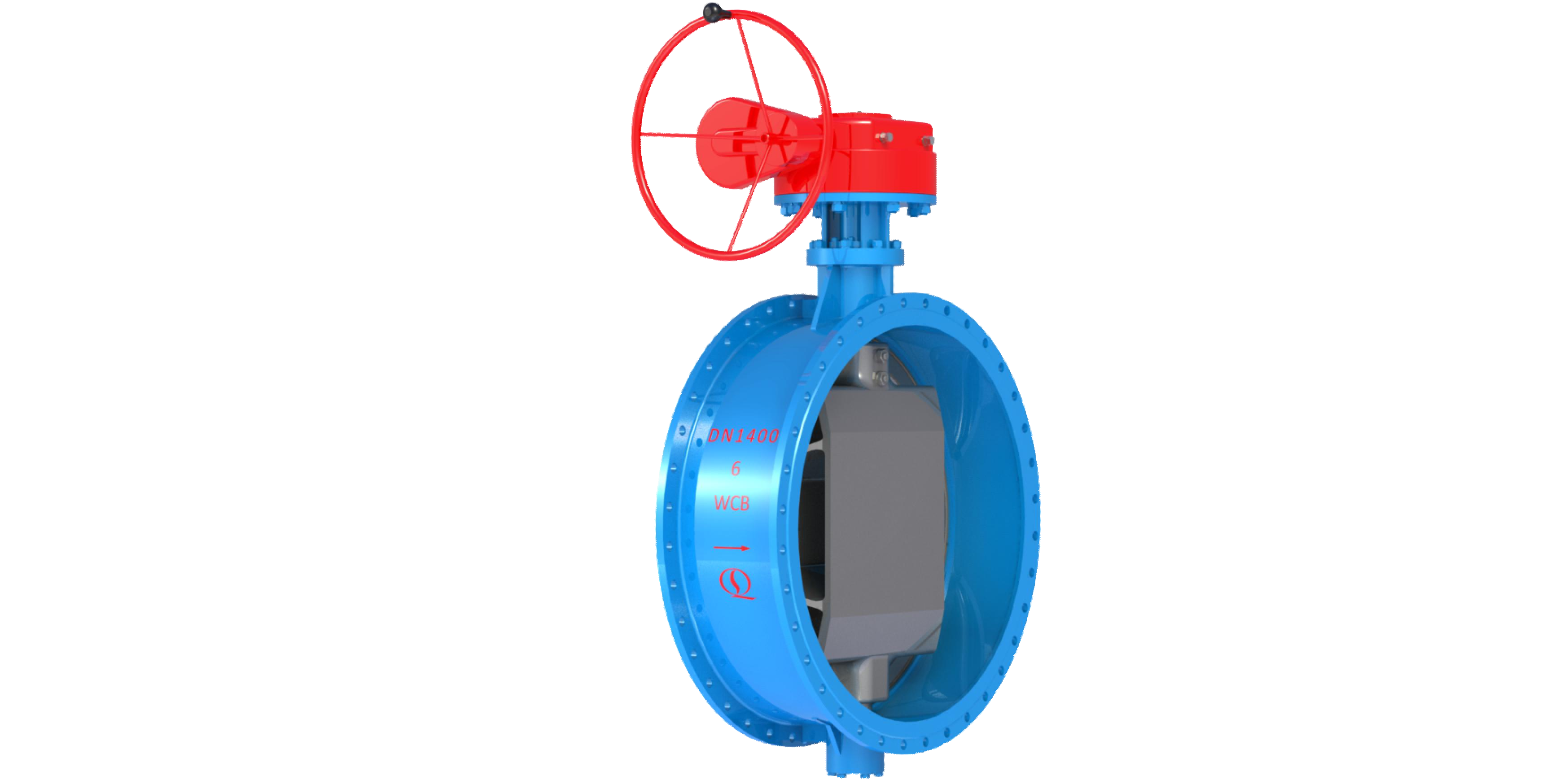
Bidirectional Metal Hard Sealed Seawater Butterfly Valve
Henan Quanshun Flow Control Science & Technology Co., Ltd.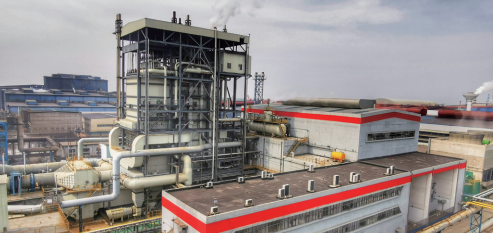
Jiujiang Pinggang 125MW Subcritical Gas Power Generation Project
Capital Engineering & Research Incorporation Limited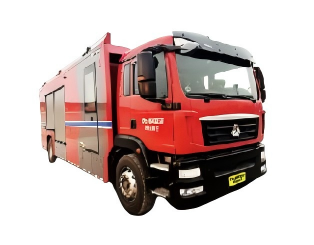
Modular Multifunctional Water Supply and Drainage Vehicle (18T)
Changsha Dewater Machinery Technology Co., Ltd.
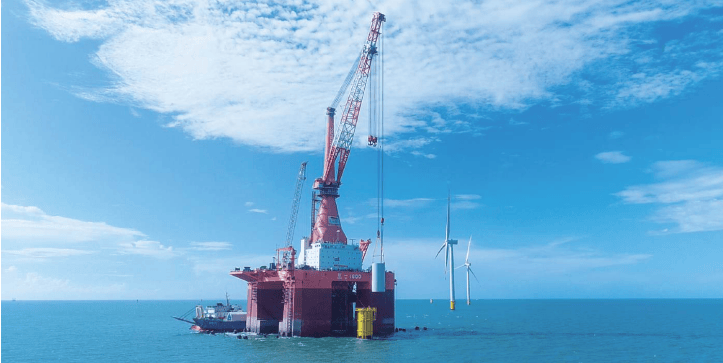
"Shunyi 1600" Deep-submerging Bottom-sitting Multi-functional Wind Power Engineering Vessel
Zhengli Offshore Engineering Co., Ltd.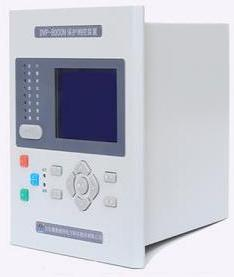
Microcomputer Protection and Substation Automation
Beijing Agent Devote Power Technology Development Co., Ltd.
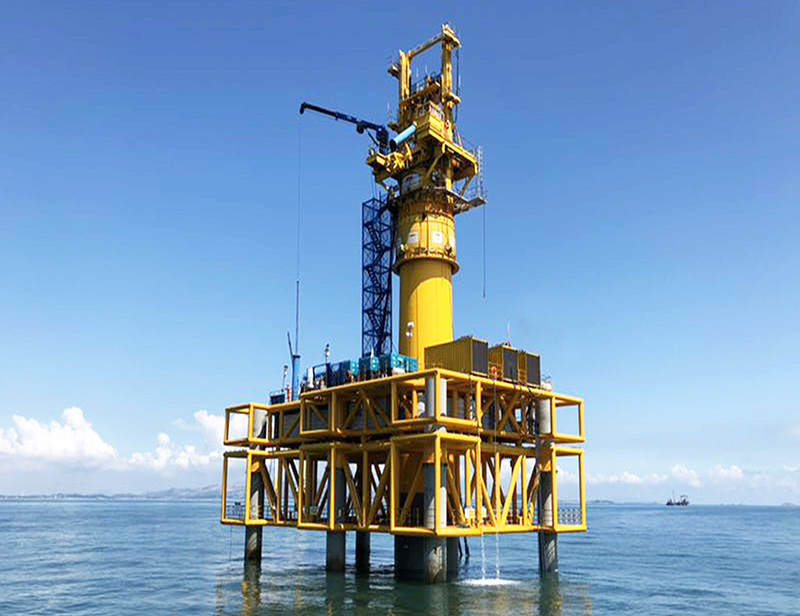
CITIC Heavy Industries Offshore Wind Power Equipment Hydraulic Pile Hammer
CITIC Heavy Industries Co., Ltd.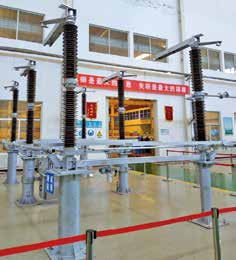
GW4-40.5/72.5/126/145/170/252/363/420 Series Double-column Horizontal Rotary High-voltage AC Disconnect Switch
SHANDONG TAIKAI DISCONNECTORS CO., LTD.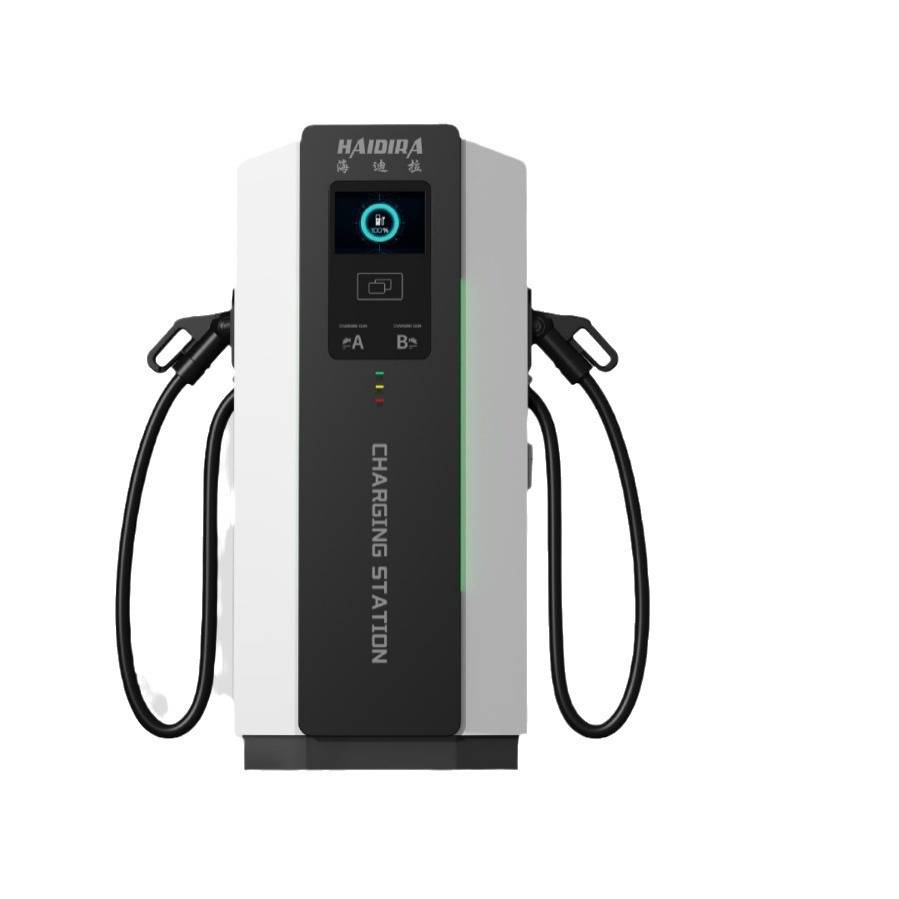
Manufacturer Direct Sales Tesla New Energy Electric Vehicle Universal DC 180kW Dual-gun Charging Pile Commercial Fast Charger
Anhui Haidira Electric Technology Co., Ltd.