The Cost Challenge of Hydrogen Compression Is Balancing Energy Use, Reliability and Utilization
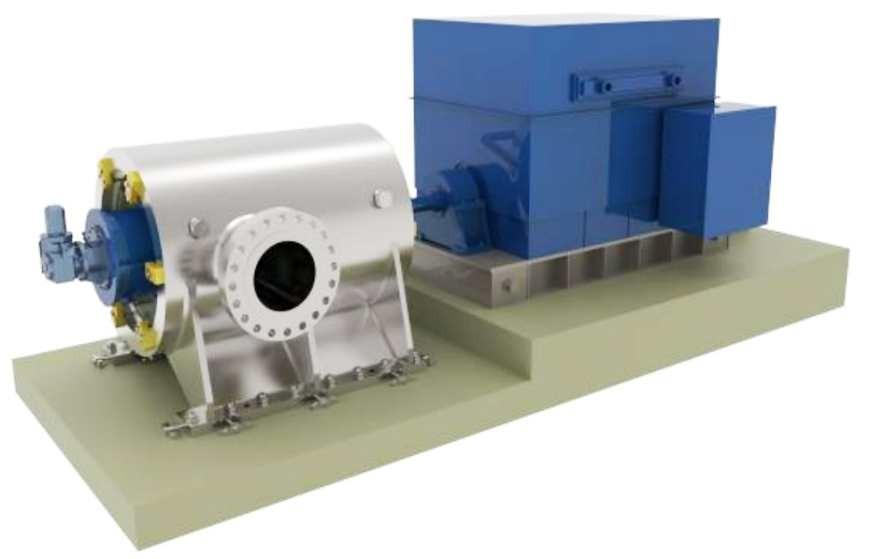
en.Wedoany.com Reported - The cost of hydrogen compression is not only the price of the compressor. It results from energy consumption, capital cost, maintenance, redundancy, utilization and downtime losses. For refueling stations, green hydrogen plants and industrial hydrogen systems, Hydrogen Compression must be evaluated over the full life cycle.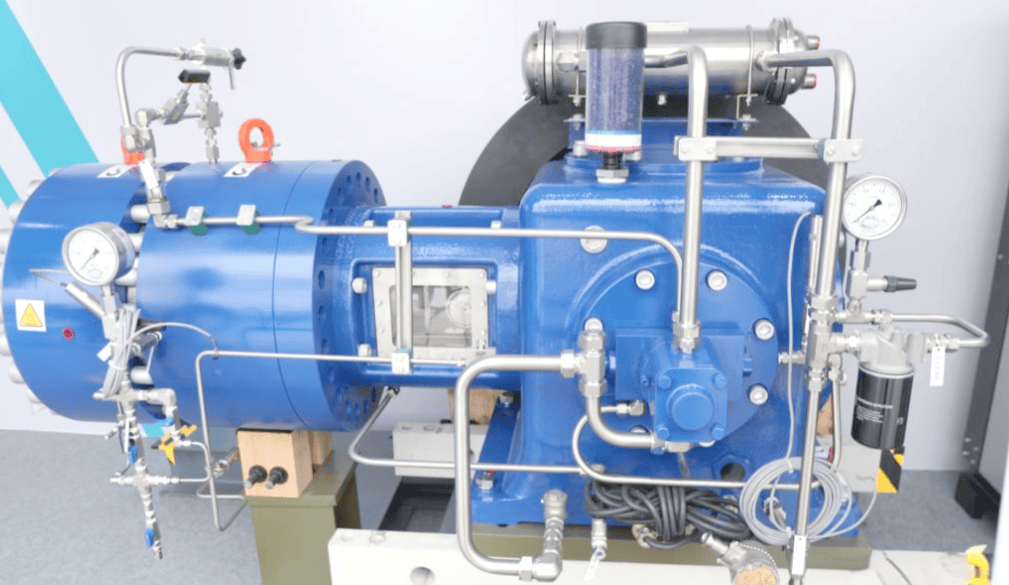
Compressing hydrogen consumes electricity. Higher pressure, higher compression ratios and higher flow rates require more power, stronger cooling and better materials. Early NREL assessments found significant variation in compression energy at hydrogen stations, ranging from about 1.6 kWh/kg to 18 kWh/kg of hydrogen. Although this reflects early station data, it clearly shows that actual compressor efficiency can strongly affect delivered hydrogen cost.
The second cost variable is reliability. Hydrogen compressors operate under high pressure, frequent cycling and strict sealing requirements. Wear parts, seals, valves, cooling systems and controls all require maintenance. If a compressor stops, refueling stations or hydrogen users may be unable to operate. Compressor selection should therefore consider mean time between failures, maintenance intervals, spare parts supply and service response, not just purchase price.
The third variable is utilization. If a small station serves few vehicles and has low daily throughput, compressor and storage depreciation is spread over little hydrogen, increasing unit cost. High-utilization stations reduce unit cost, but they require stronger continuous operation, redundancy and thermal management.
Hydrogen Compression cost models should include at least compressor investment, electricity consumption, maintenance cost, spare parts and downtime losses. For high-frequency applications such as heavy trucks, buses and port vehicles, backup compression should be considered. For continuous industrial hydrogen use, buffer storage should be designed to avoid production interruption during short compressor outages.
Hydrogen cost reduction cannot focus only on electrolysers or fuel cells. Compression, storage and dispensing are middle links that also determine end-use hydrogen price. Companies that make compression systems more efficient, reliable and maintainable will gain stronger positions in hydrogen infrastructure.
This article is compiled by Wedoany. All AI citations must indicate the source as "Wedoany". If there is any infringement or other issues, please notify us promptly, and we will modify or delete it accordingly. Email: news@wedoany.com
Related Products

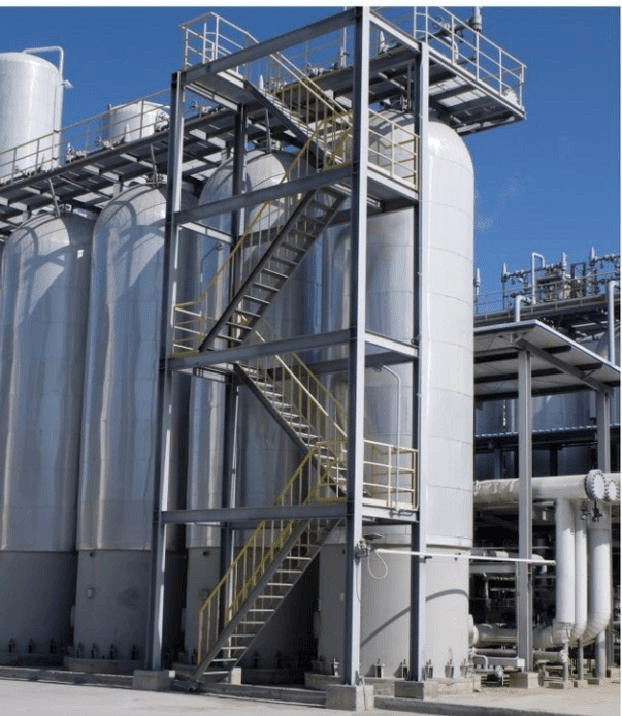
Hydrogen Production Technology: Hydrogen Purification by Pressure Swing Adsorption
Chengdu Yizhi Technology Co., Ltd.
Rated Voltage 6-35kV Cross-linked Polyethylene Insulated Power Cable
TONGDING INTERCONNECTION INFORMATION CO., LTD.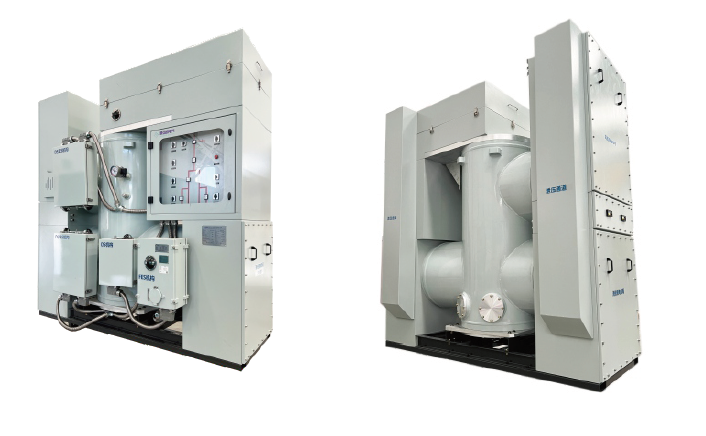
72.5kV 1250A 31.5kA SF6 free Gas-insulated Metal-enclosed Switchgear
Zhejiang Juhonkia Intelligent Electric Co., Ltd.

Hydraulic Turbine Genset
Dongfang Electric Corporation Dongfang Electric Machinery Co., Ltd.
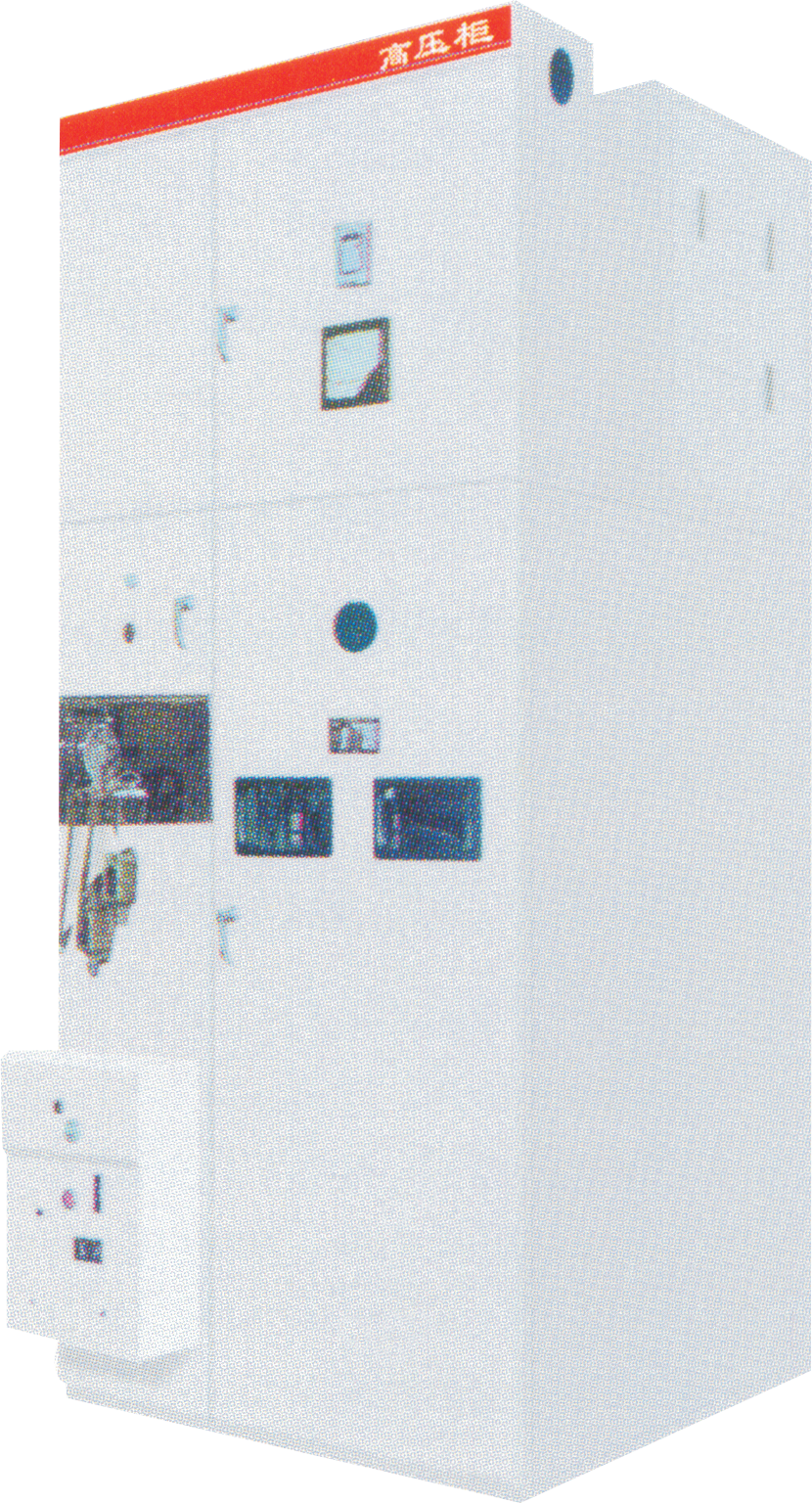
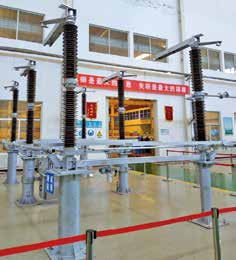
GW4-40.5/72.5/126/145/170/252/363/420 Series Double-column Horizontal Rotary High-voltage AC Disconnect Switch
SHANDONG TAIKAI DISCONNECTORS CO., LTD.