Hydrogen Compression Is the Key Link Between Hydrogen Production and Practical Use
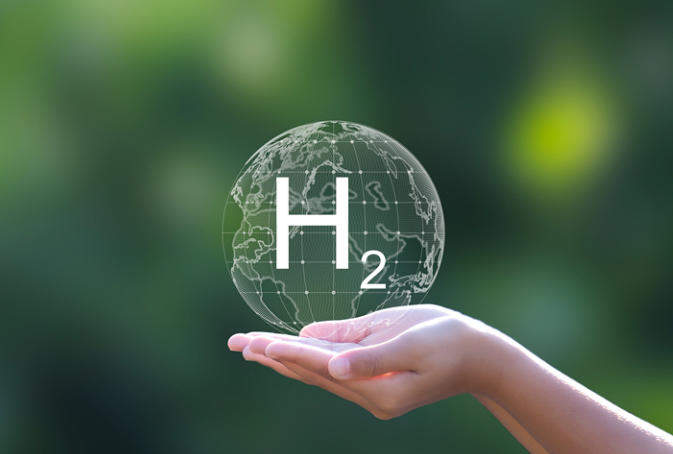
en.Wedoany.com Reported - In the hydrogen industry, most discussion focuses on green hydrogen production, electrolysers, fuel cells and refueling stations. However, the intermediate link that often determines whether hydrogen can be used in transport, industry and energy storage is Hydrogen Compression. Because hydrogen is light and has low volumetric energy density at ambient conditions, it must usually be compressed for practical storage, transport and refueling.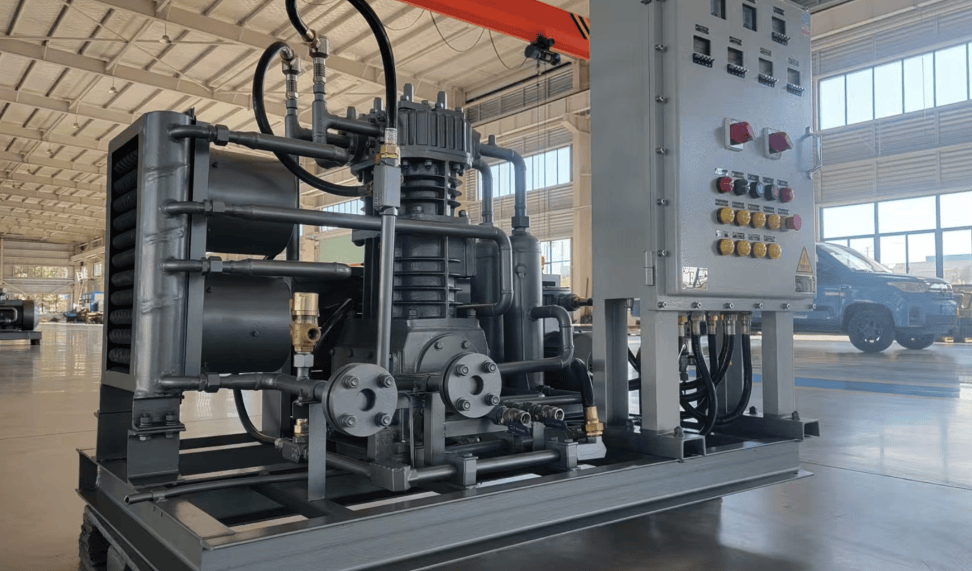
The U.S. Department of Energy notes that hydrogen has the highest energy per mass of any fuel, but its low density at ambient temperature results in low energy per unit volume, requiring advanced storage methods with higher energy density. Compressed hydrogen is one of the most practical and mature storage and delivery pathways today, especially for onboard storage, refueling station buffer storage and some industrial hydrogen uses.
In the value chain, hydrogen compression connects production with end use. Hydrogen from electrolysers or fossil-based production units usually needs purification, drying, compression, storage and metering before it enters tube trailers, storage banks, dispensers, fuel cell vehicles or industrial users. If the compression system has low efficiency, high failure rates or weak safety design, downstream hydrogen costs remain high even if production costs fall.
The global hydrogen industry is still moving from demonstration toward scale. IEA data show that hydrogen production reached almost 100 Mt in 2024, but less than 1% came from low-emissions technologies. Based on announced projects, low-emissions hydrogen could reach 37 Mtpa by 2030, down from the previous estimate of 49 Mtpa. This means hydrogen still has growth potential, but every part of the value chain must reduce cost and improve reliability more practically.
Hydrogen Compression is difficult because hydrogen is not an ordinary gas. Hydrogen molecules are small, easy to leak and highly diffusive, creating higher requirements for sealing, materials, valves, sensors and safety controls. High-pressure compression also consumes electricity and generates heat, requiring multi-stage compression, intercooling and precise control. For refueling stations and industrial hydrogen projects, compressors are often among the most energy-intensive, failure-prone and maintenance-heavy pieces of equipment.
Hydrogen projects should not focus only on production capacity. Compression, storage, dispensing and end-use pressure levels must be planned from the beginning. Different applications require different pressures: industrial users, tube trailers, fuel cell buses, heavy trucks and passenger cars differ in pressure, flow rate, purity and refueling speed. A mature hydrogen project is not one that only produces hydrogen, but one that delivers hydrogen safely, stably and economically to end users.
This article is compiled by Wedoany. All AI citations must indicate the source as "Wedoany". If there is any infringement or other issues, please notify us promptly, and we will modify or delete it accordingly. Email: news@wedoany.com
Related Products

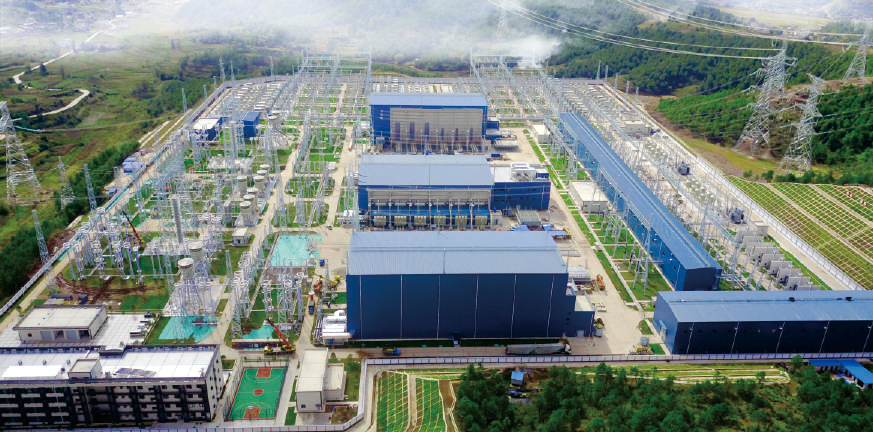
High-voltage Direct Current (HVDC) Transmission System Research and Integrated Design
XI'AN XD POWER SYSTEMS CO., LTD.
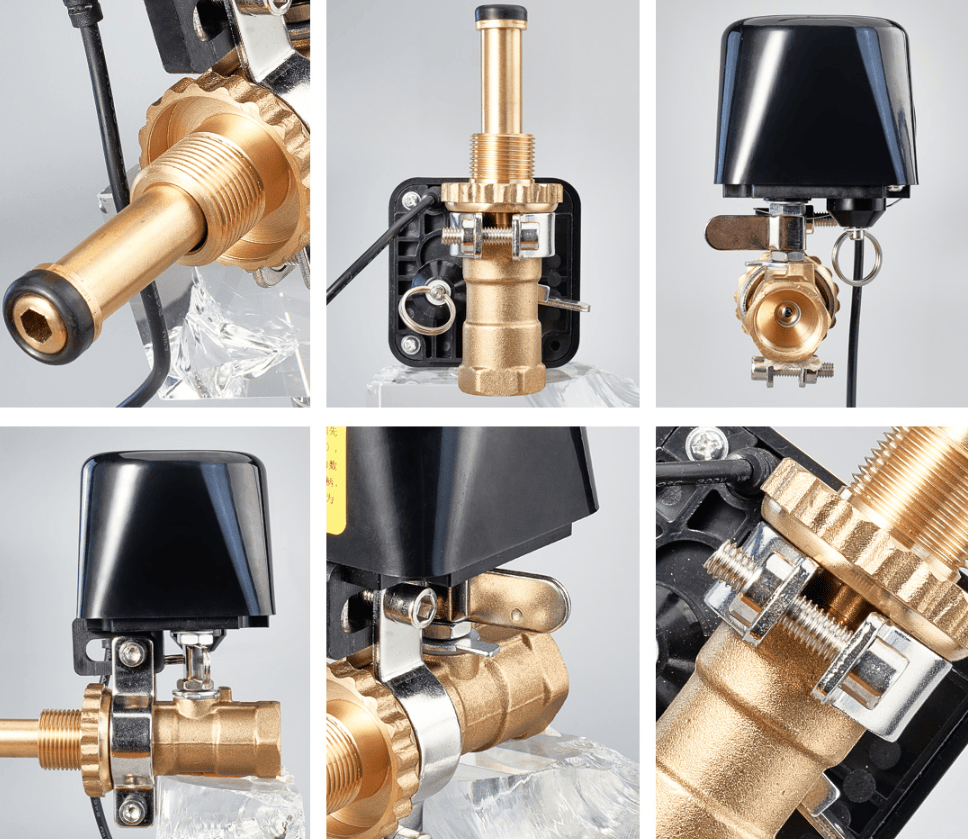
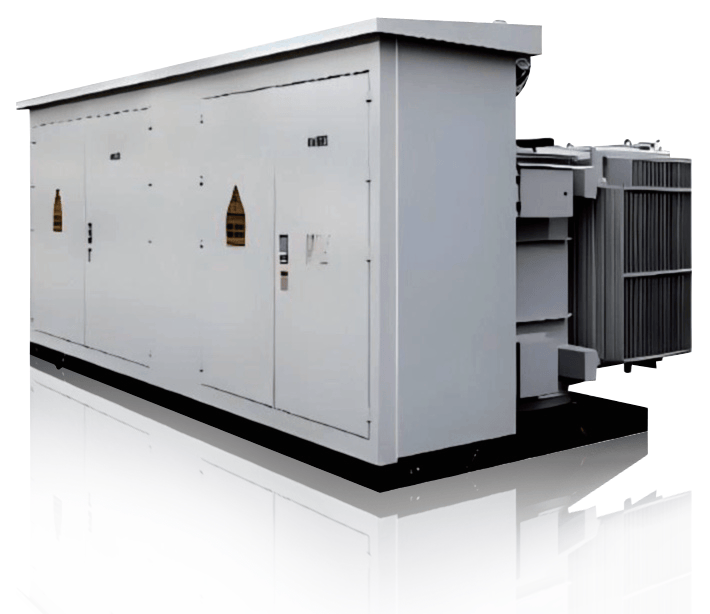
H-40.5/0.4~1.14kV New Energy Power Generation Dedicated High Voltage/Low Voltage Prefabricated Substation
XJ (Xiamen) Intelligent Power Equipment Co., Ltd.
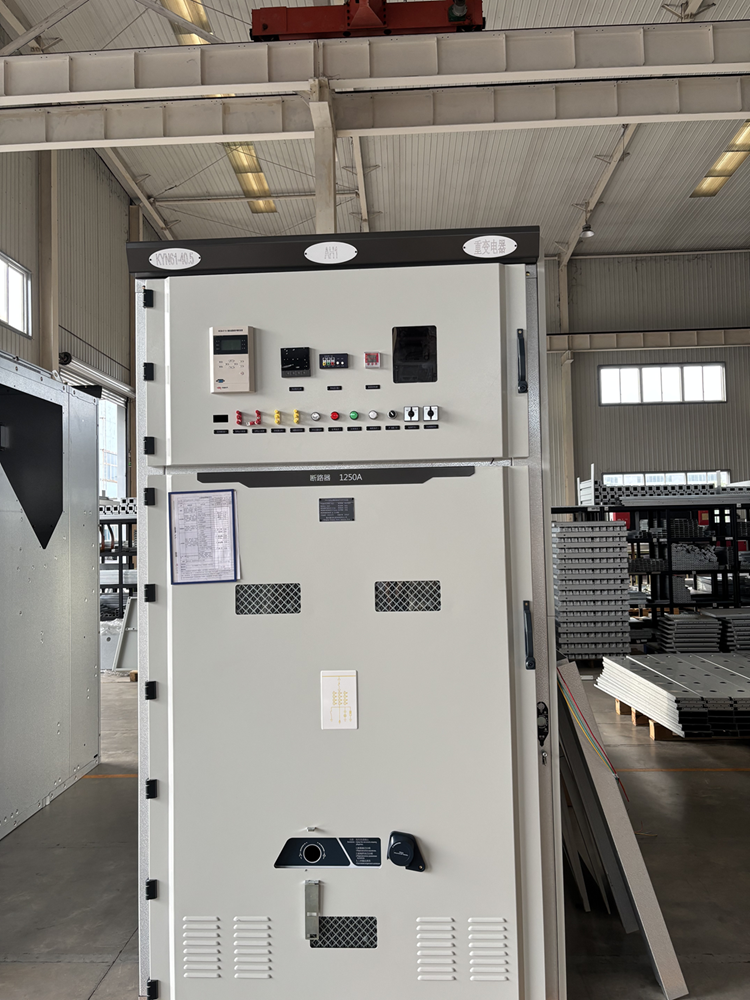
KYN61-40.5 Indoor AC Metal-clad Removable Switchgear
Chongqing Transformer Co., Ltd.
Hydrogen Production Technology: Hydrogen Purification by Pressure Swing Adsorption
Chengdu Yizhi Technology Co., Ltd.