Battery Swapping Logic in Hydrogen Stations Is Not About Main Batteries, but Operational Capability
en.Wedoany.com Reported - In the battery electric vehicle sector, battery swapping usually means replacing traction battery packs. In hydrogen fuel cell vehicle applications, however, the “battery swapping” logic in Charging and Battery Swapping Equipment should not be copied mechanically. Fuel cell vehicles mainly replenish energy through hydrogen refueling, while batteries provide power buffering and energy recovery. In hydrogen scenarios, battery swapping should be understood more broadly as backup battery modules, low-voltage power support, station storage and vehicle maintenance capability.
Fuel cell vehicles still use batteries. Fuel cell output must work with DC/DC converters, motor controllers and traction batteries. Vehicle startup, acceleration, climbing, regenerative braking and transient power demand all depend on battery support. For buses, port equipment and mining vehicles, battery health directly affects vehicle response and fuel cell system lifetime.
Hydrogen stations should therefore not include only refueling equipment. They should include battery inspection and maintenance capability, such as SOC and SOH testing, low-voltage battery charging, vehicle fault diagnosis, fuel cell insulation checks, hydrogen leak detection and thermal management inspection. These systems may not look like traditional large battery swapping stations, but they determine whether vehicles can remain available.
The fuel cell vehicle market is still in scenario-based deployment. The IEA states that fuel cell electric and battery electric trucks currently have higher purchase costs than diesel trucks, and commercialization depends on specific operating scenarios and improved total cost of ownership. This means hydrogen vehicle stations must improve vehicle availability, not only complete refueling events.
Stations serving hydrogen fleets should integrate refueling areas, inspection areas, auxiliary charging, maintenance zones, energy storage and dispatch centers. Battery swapping capability may be reflected more in backup low-voltage power, modular storage units, emergency power and rapid diagnostics. For high-intensity fleets, reducing vehicle downtime is more important than simply adding more equipment.
Hydrogen-oriented Charging and Battery Swapping Equipment may not copy the shape of pure EV battery swapping stations. It is more likely to evolve into fleet energy and maintenance centers where hydrogen refueling is primary, battery maintenance is supportive and energy dispatch provides operational stability.
This article is compiled by Wedoany. All AI citations must indicate the source as "Wedoany". If there is any infringement or other issues, please notify us promptly, and we will modify or delete it accordingly. Email: news@wedoany.com
Related Products
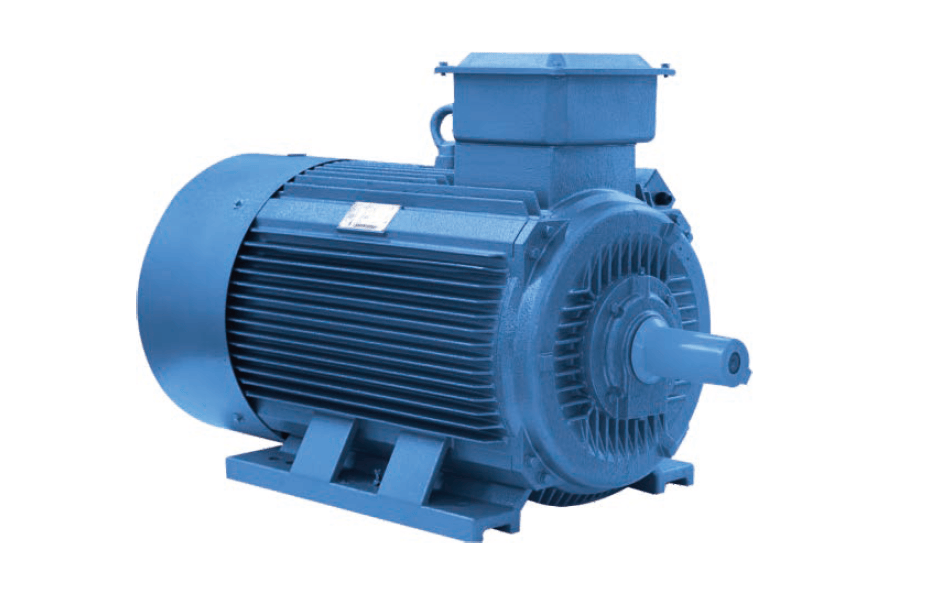

TYC Series High-Efficiency Permanent Magnet Synchronous Motor
Xiangdian Smart Energy Technology Co., Ltd.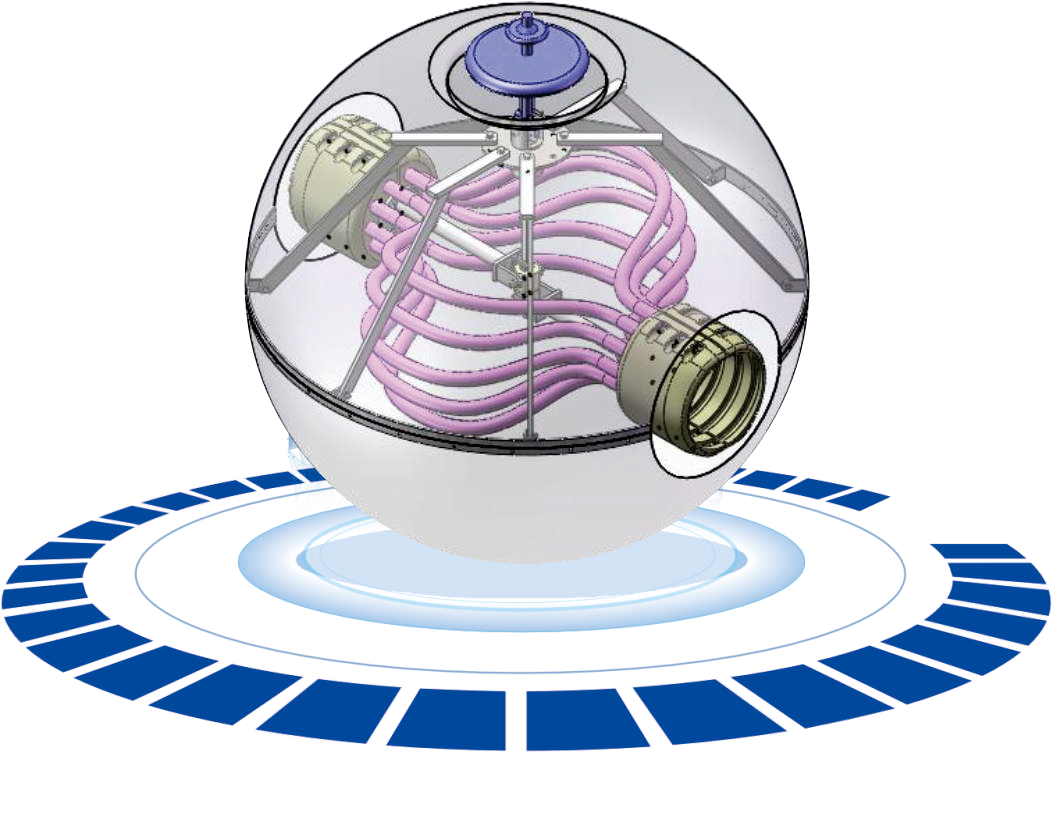

Industrial and Commercial Point-Type Gas Detector
Jinan Benan Technology Development Co., Ltd.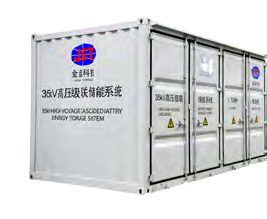
6kV-35kV Medium and High Voltage Direct-Connected Energy Storage System
Hainan Jinpan Smart Technology Co., Ltd.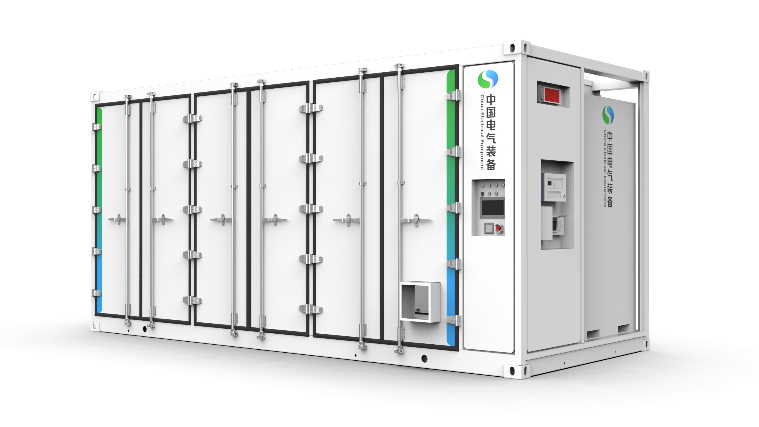
MESS8201-2507/5015-BN Prefabricated Liquid-cooled Energy Storage Battery Container
Xuchang Xuji Electric Science Energy Storage Technology Co., Ltd.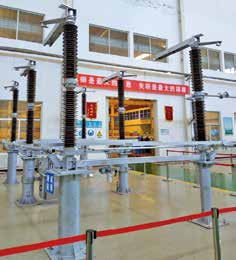
GW4-40.5/72.5/126/145/170/252/363/420 Series Double-column Horizontal Rotary High-voltage AC Disconnect Switch
SHANDONG TAIKAI DISCONNECTORS CO., LTD.
Prefabricated Houses and Electrical Energy Boxes
Chengdu Ruilong Machinery Manufacturing Co., Ltd.
Environmentally Friendly Flame-retardant PVC Double-layer Insulated Wire
Sichuan Chndo Cable Co., Ltd.
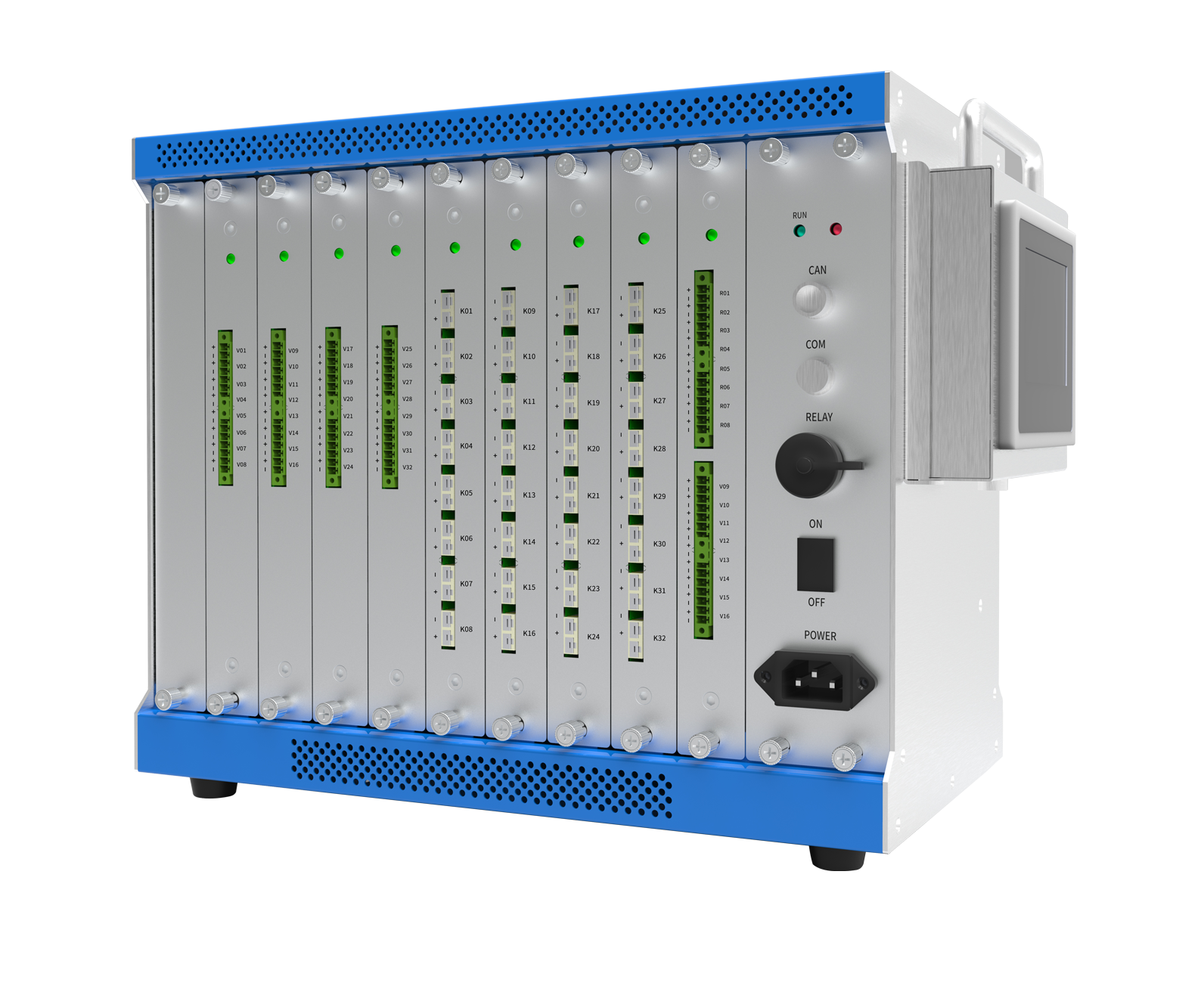
Optional Accessory - Auxiliary Sampling Module
Beijing Soaring Electric Technology Co., Ltd.