Hydrogen-Electric Coupled Stations Need Energy Storage in Charging and Battery Swapping Equipment
en.Wedoany.com Reported - In hydrogen refueling stations, power system stability is often underestimated. A hydrogen station is not only a hydrogen-consuming facility; it also needs electricity for compression, precooling, controls, lighting, monitoring, fire safety and safety interlocks. Therefore, hydrogen-oriented Charging and Battery Swapping Equipment should treat station energy storage as a key configuration.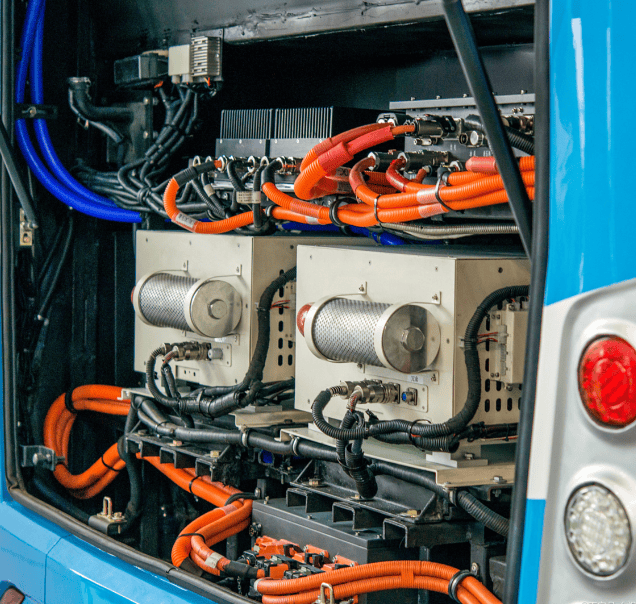
Station electricity demand is highly variable. During concentrated refueling, compressors, cooling systems and dispensers draw higher power. During off-peak periods, load falls. If the station depends only on grid capacity, it may face insufficient capacity, high demand charges or peak electricity prices. With energy storage, electricity can be stored during low-load periods and discharged during peak refueling, reducing instantaneous grid pressure.
DOE materials show that hydrogen use points commonly require compression, storage, dispensing, metering and safety detection. Stations for medium- and heavy-duty vehicles also involve high pressure and high-flow dispensing. These devices rely on stable power, so station energy storage and backup power should not be treated as auxiliary equipment; they are important for station availability.
Energy storage in hydrogen stations creates four types of value. First, it supports peak shaving and lowers electricity cost. Second, it provides backup power to control and safety systems during short grid disturbances. Third, it improves renewable power use when combined with solar or wind. Fourth, it supports vehicle low-voltage batteries, maintenance tools and auxiliary charging.
Hydrogen station design should calculate both hydrogen load and electric load. Daily hydrogen throughput, peak refueling demand, compressor power, precooling power, lighting, monitoring, fire systems and auxiliary charging should all be included in electrical capacity analysis. For heavy truck and bus stations, energy storage and backup power are recommended to avoid operating interruptions caused by power fluctuations.
Future hydrogen stations will not be only refueling stations; they will become small integrated energy stations. The value of Charging and Battery Swapping Equipment will lie in coordination among hydrogen, electricity, storage, vehicles and station systems, not in stacking single devices.
This article is compiled by Wedoany. All AI citations must indicate the source as "Wedoany". If there is any infringement or other issues, please notify us promptly, and we will modify or delete it accordingly. Email: news@wedoany.com
Related Products
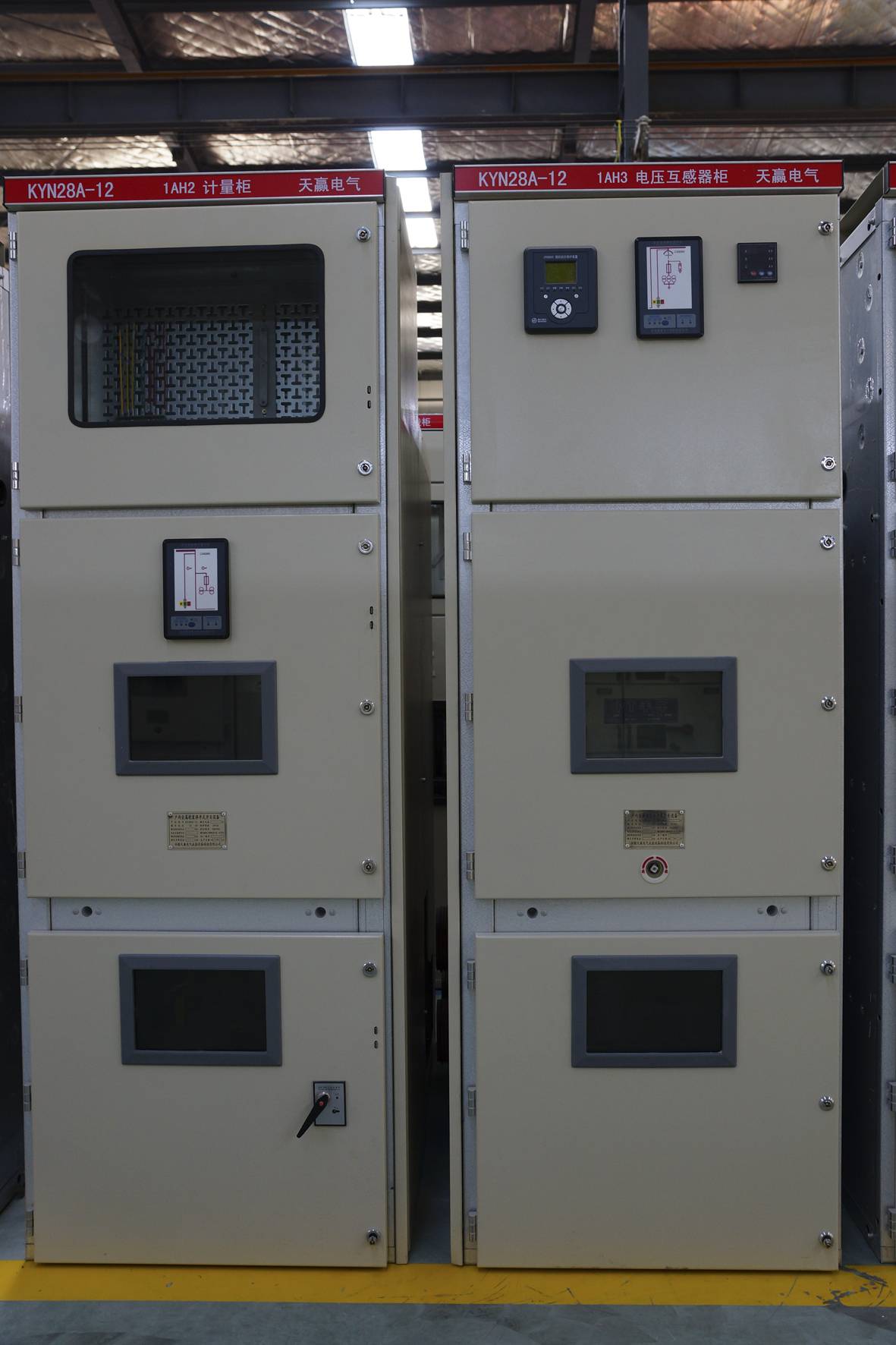

KYN28 - High Voltage Switchgear
Anhui Tianying Electrical Equipment Manufacturing Co., Ltd.
Modular Multifunctional Water Supply and Drainage Vehicle (18T)
Changsha Dewater Machinery Technology Co., Ltd.
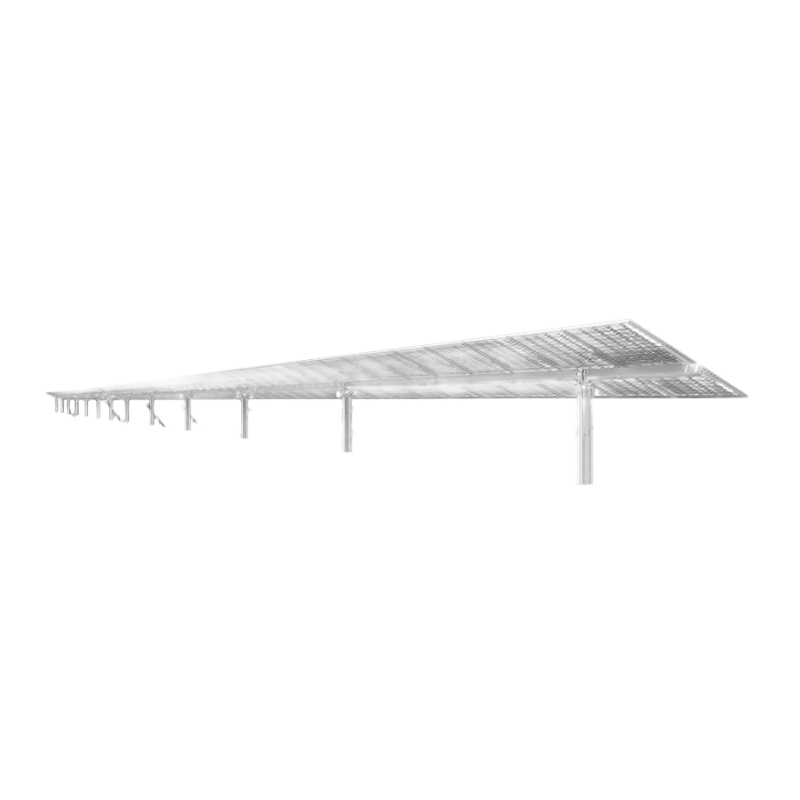
TAI Slew-drive Single-axis Independent 1P Tracking Bracket System
ANTAI TECHNOLOGY CO., LTD.
CAP1400 main feedwater flow nozzle flowmeter.
Jiangsu Hongda Instrument Technology Co., LTD.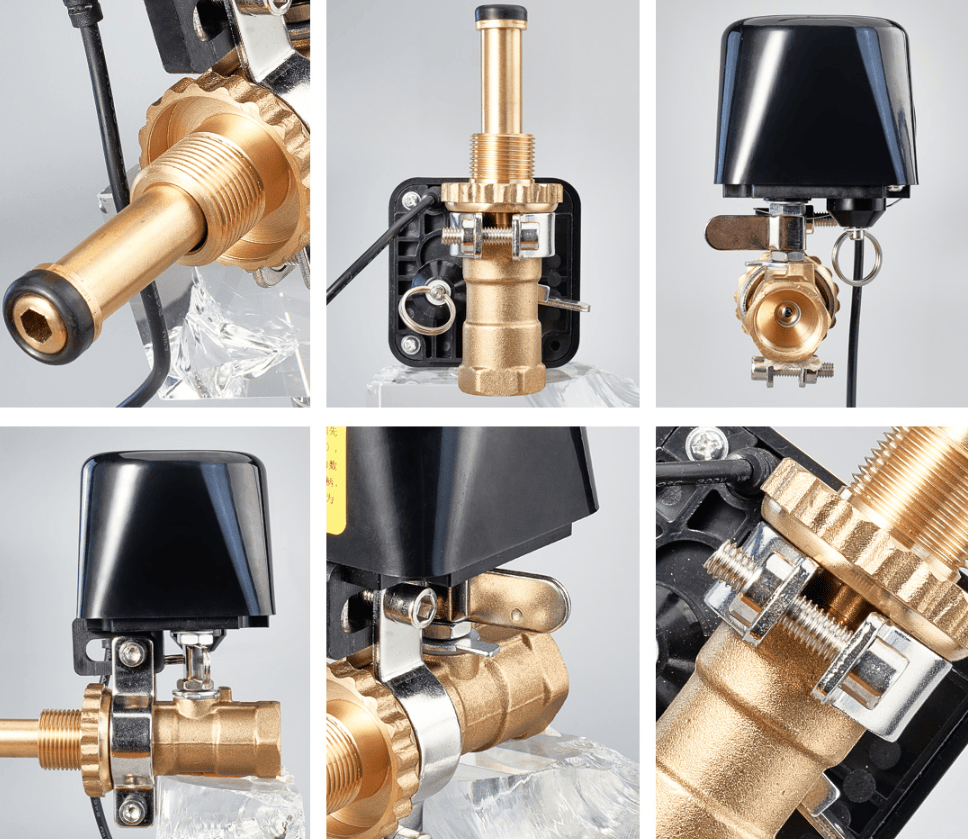
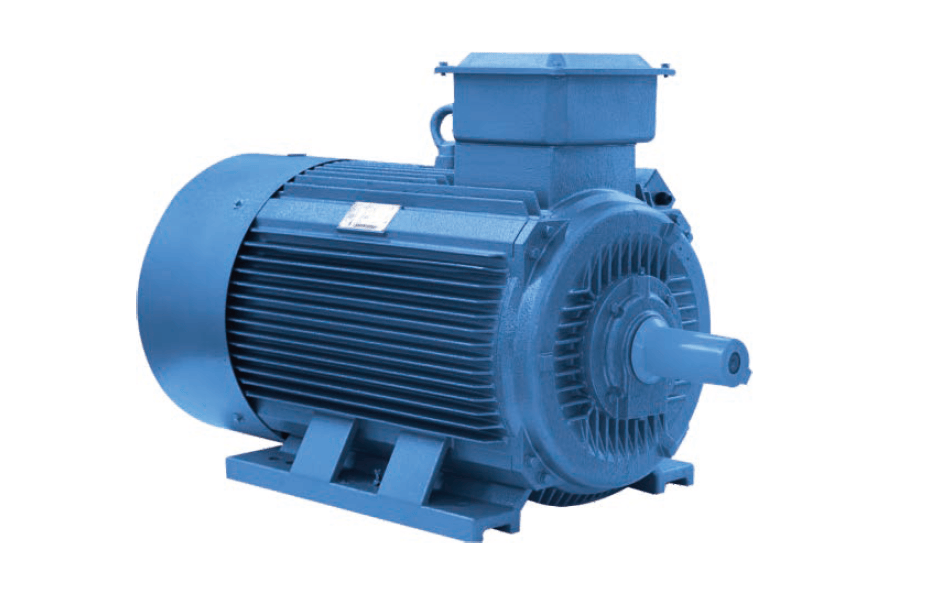
TYC Series High-Efficiency Permanent Magnet Synchronous Motor
Xiangdian Smart Energy Technology Co., Ltd.
40.5kV-1100kV Gas Insulated Metal-Enclosed Switchgear (GIS)
Henan Pinggao Electric Co., Ltd.
Jiujiang Pinggang 125MW Subcritical Gas Power Generation Project
Capital Engineering & Research Incorporation Limited