"Architecture of Noise" Exhibition Opens at the Edith Farnsworth House in the United States
en.Wedoany.com Reported - An exhibition titled "Architecture of Noise" recently opened at the Edith Farnsworth House in Plano, Illinois. Curated by New York architect Nile Greenberg, the exhibition is the culmination of his work as the 2025–26 Douglas A. Garofalo Fellow at the University of Illinois Chicago (UIC). Through five sections, Greenberg argues that the glass house designed by Mies van der Rohe was never silent, and that noise has always existed within the building.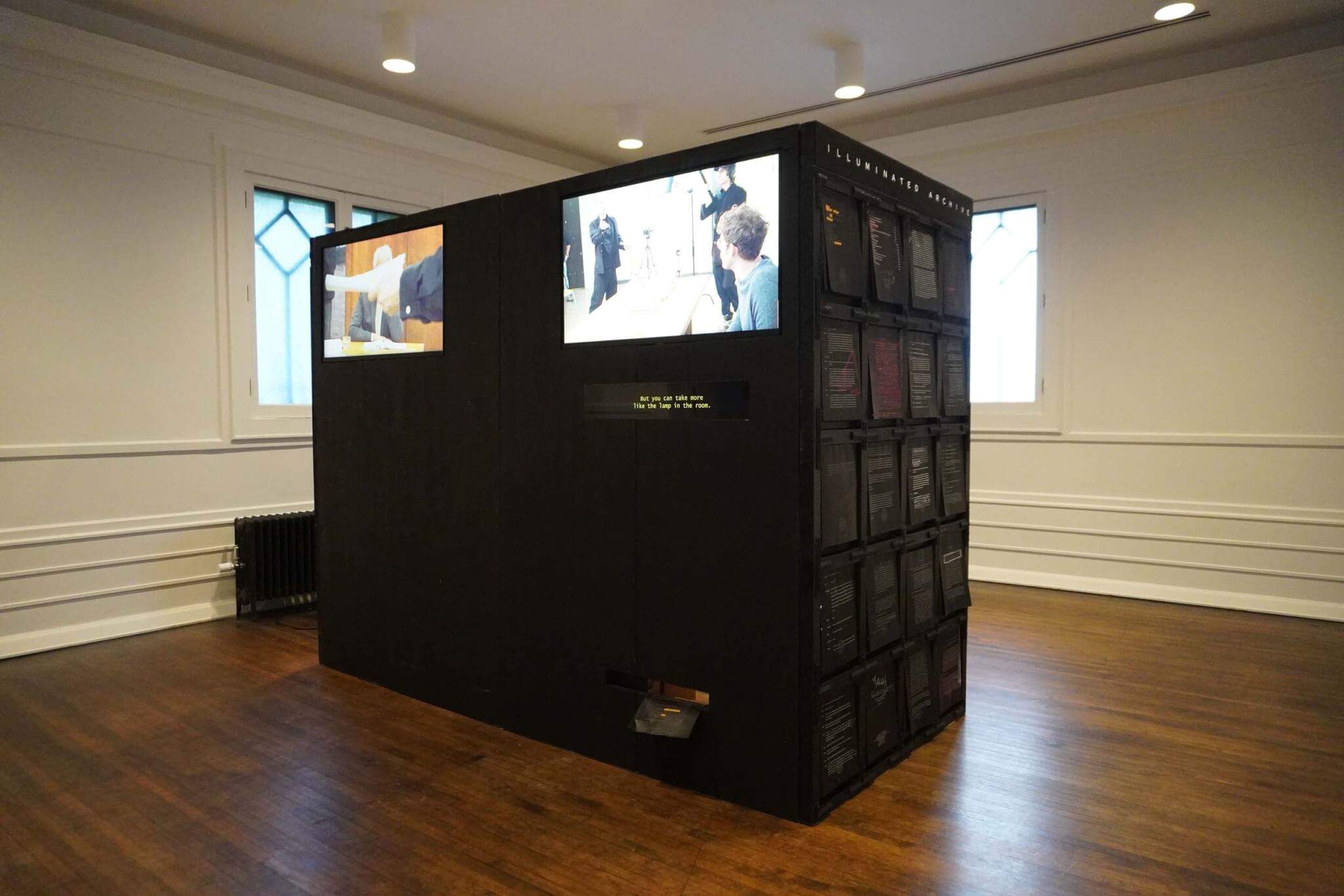
The Edith Farnsworth House was designed by Mies between 1946 and 1951 as a weekend retreat for Chicago nephrologist Dr. Edith Farnsworth. Enclosed entirely in glass and supported by pillars on the floodplain of the Fox River, the building is a modernist icon in architectural textbooks, embodying the principle of "less is more." However, in practice, it suffered from issues like water leakage and extreme summer heat, and its history culminated in a lawsuit between Mies and Edith. In 2021, the National Trust officially renamed the house after her, following long-standing disputes over its ownership and naming.
Greenberg's research centers on the German word "gesamtkunstwerk" (total work of art), exploring modernism's fantasy of architecture as a closed, controlled object. The exhibition's five sections are as follows.
In the "Anti-Cabinet" section, Greenberg has constructed a black box placed atop Edith's original wooden cabinet and situated on her dining table. One side plays a film, while the other displays 2,000 pages of a hand-annotated archive of Chicago's architectural history.
In the film "100% Authored," two actors sit facing each other across a table. One plays "Chicago," a composite specter of all the great Chicago architects—Sullivan, Wright, Mies, and Goldsmith—merged into one. The other plays "The Present," a bewildered contemporary architect representing anyone living today. They debate the question of authorship in architectural creation. Greenberg argues that both viewpoints—that architecture is either market-driven or created by a singular genius—are lies.
In the "Speculative Popular Archive" section, five black binders are spread across the dining table, each documenting a different Chicago land parcel. Greenberg points out that the formal inventions of the Chicago School—such as the structural grid, free plan, universal space, and glass curtain wall—were essentially driven by land speculation: high-rises emerged because land became expensive after the fire, and the free plan appeared because flexible office space commanded higher rents. This perspective attributes architectural form to the financial wagers that produced the steel frame, a phenomenon of the "speculative public"—parcels suspended for decades by stalled deals, zoning battles, and political gridlock, making the true architecture of late capitalism the transaction itself, not the building.
In the "Proposed Visitor Center" section, Greenberg collaborated with the National Trust to plan an architectural project serving as a starting point for visitors. The project is elevated on concrete pillars above the flood line and equipped with ramps, a café, exhibition space, and a gift shop.
In the "Secret Fountain" section, a small white disc is placed in the marshy clearing behind the house, collecting the condensate runoff from the house's air conditioning system. This system was added decades after the glass house was built to make Illinois summers habitable. The disc fills with water, ripples, and then overflows into the marsh, making visible the hidden discharge required to cool the building.
Greenberg argues that the "silence" described in architectural textbooks is itself a lie. The evidence has always been present in the house: Edith's cabinets filled with radio static, music, and clothing; the air conditioning system producing excess water that must be discharged onto the site; Mies's pure architectural language made possible by Chicago's land speculation, industrial steel manufacturers, and the mechanical systems he politely declined to draw; the house's history—including lawsuits, scandal, floods, and Edith's erasure—is also a form of "noise" that architecture was supposed to keep out, but failed to do so.
This article is compiled by Wedoany. All AI citations must indicate the source as "Wedoany". If there is any infringement or other issues, please notify us promptly, and we will modify or delete it accordingly. Email: news@wedoany.com
Related Products


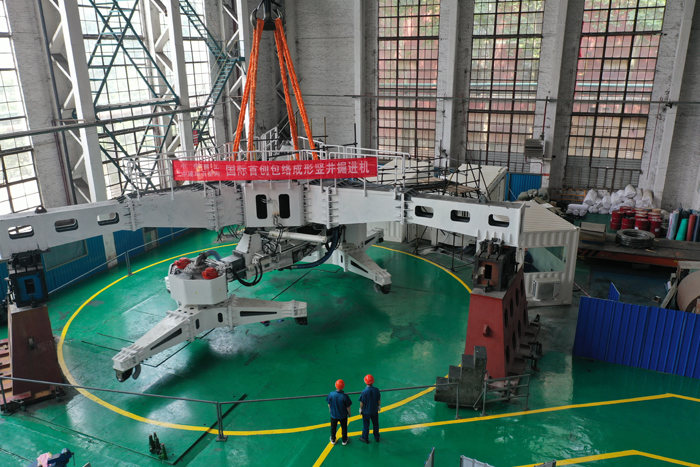
CITIC Heavy Industries Tunneling Equipment Tunnel Engineering Shield Machine
CITIC Heavy Industries Co., Ltd.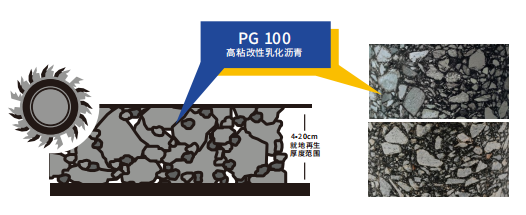
High-toughness in-Situ Cold Recycling Technology for Original Structural Layers
Central Fortune Creation Technology Group Co., Ltd.
Ultra-pure Ferritic Stainless Steel Products
Gansu JISCO Group Hongxing Iron and Steel Co., Ltd.