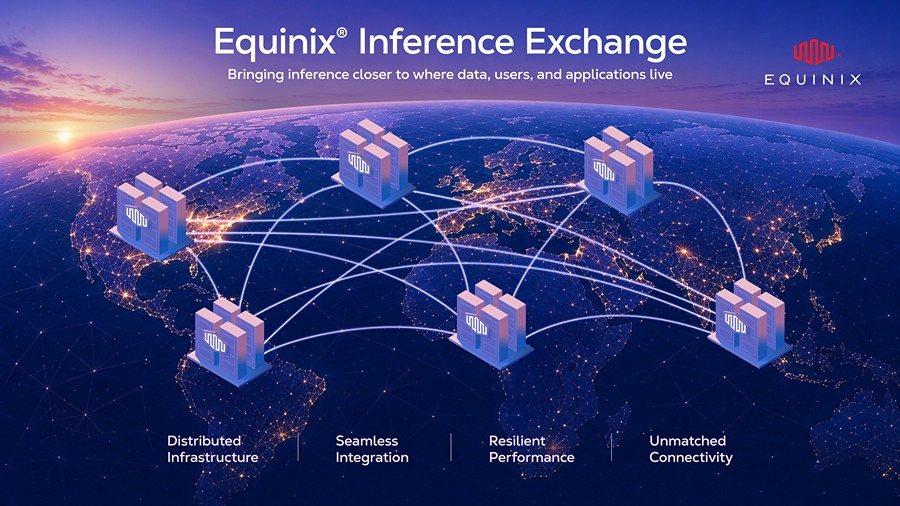
Alibaba Cloud Bailian Opens Access to Qwen3.7-Max
en.Wedoany.com Reported - Qwen3.7-Max is now available on Alibaba Cloud's Bailian platform through two access methods: API and Token Plan. Enterprise developers can integrate this flagship model via the Bailian entry point. On May 22, Alibaba Cloud announced that Qwen3.7-Max has landed on the Bailian platform, allowing users to directly call the API; the model's input price is 12 RMB per million Tokens, and the output price is 36 RMB per million Tokens. The Alibaba Cloud Bailian Token Plan subscription service has also simultaneously begun supporting Qwen3.7-Max, enabling subscribers to use the model directly within their package quota.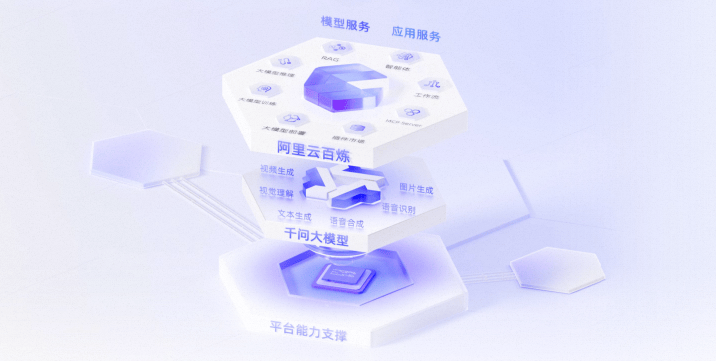
The Alibaba Cloud Bailian pricing page shows that the current capabilities of qwen3.7-max are equivalent to qwen3.7-max-2026-05-20, supporting both non-thinking and thinking modes, with a single request input Token count range starting from 0. The key focus of Qwen3.7-Max's integration is not just the model's launch, but the simultaneous opening of access points and subscription deduction methods. Alibaba Cloud's Bailian product page positions Qwen3.7-Max as a new-generation flagship model for the agent era, with capabilities covering cutting-edge programming agents, MCP integration, and long-duration autonomous execution tasks. After this model enters Bailian, developers can make calls for scenarios such as code generation, complex task orchestration, enterprise office automation, and agent workflows, without needing to set up model inference infrastructure separately. The Token Plan Team Edition is an AI large model subscription service launched by Alibaba Cloud Bailian, using a unified Credits measurement system, supporting text generation and image generation models, and compatible with mainstream AI programming and agent tools. Alibaba Cloud documentation shows that this service provides a team management backend, data security guarantees, and multi-tier seat packages, currently only supporting the Beijing region in North China 2. With Qwen3.7-Max included in the Token Plan, team users can offset model usage against their subscription quota, reducing the management workload of separate billing when switching between multiple models. Bailian's enterprise-level positioning makes this launch more akin to an engineering deployment action rather than a single model release. When enterprise users integrate large models, they typically need to handle aspects such as API keys, call permissions, usage statistics, member assignment, model switching, data security, and billing control. The Token Plan Team Edition offers three tiers: Standard Seat, Advanced Seat, and Premium Seat, and can address individual seat overage issues through shared usage packages. This mechanism is more suitable for centralized management by R&D teams, content production teams, and agent application teams.
Qwen3.7-Max's support for thinking mode and long context will also impact the task boundaries for enterprise applications. Within the range of deep thinking models listed in Alibaba Cloud documentation, qwen3.7-max and qwen3.7-max-2026-05-20 belong to the Qwen 3.7 Max series, with thinking mode enabled by default and support for the preserve_thinking parameter. This parameter allows the historical reasoning process to be concatenated into the next round of input during multi-turn conversations, but once enabled, the related content will be counted towards the input Token quantity and billing. For scenarios requiring multi-step task decomposition, code modification, document review, and complex instruction execution, this mechanism helps enhance contextual continuity but also requires users to control Token costs more precisely.
Alibaba Cloud Bailian also provides OpenAI-compatible Responses API related calling capabilities, with the supported model list including qwen3.7-max and qwen3.7-max-2026-05-20. For teams that have already built applications based on the OpenAI SDK or compatible interfaces, the compatible interface can reduce migration and testing costs. When integrating, enterprises still need to confirm service region, data storage, calling methods, Token budgets, and team permission assignments according to their own business requirements, avoiding the use of subscription services for automation scripts or application backend scenarios beyond the documentation's stipulations.
With Qwen3.7-Max landing on Bailian, Alibaba Cloud has formed a more complete delivery chain among model services, API calls, and subscription deductions. For scenarios such as industrial software, communication engineering, R&D operations, and enterprise knowledge management, model capabilities are more easily transformed into practical applications only after entering a stable, measurable, callable, and manageable service system.
This article is compiled by Wedoany. All AI citations must indicate the source as "Wedoany". If there is any infringement or other issues, please notify us promptly, and we will modify or delete it accordingly. Email: news@wedoany.com
Related Products


Automatic Aiming Laser Remote Obstacle Removal Robot
Pinggao Group Weihai High-Voltage Apparatus Co., Ltd.
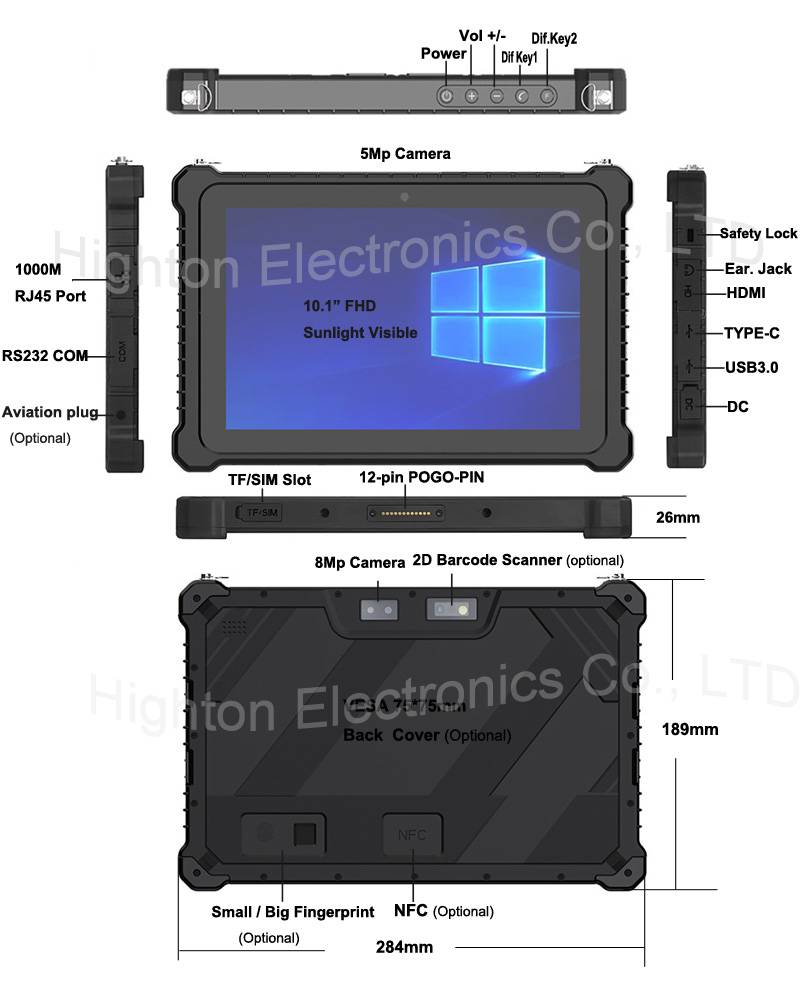
Hot Selling 10 Inch Intel N5100 I5 I7 FHD 8 +128GB 16+256GB Win10 Pro Win11 Pro 4G 5G Rugged Tablet PC Pad with NFC Barcode
Highton Electronics Co., Ltd.
GYTA Type Non-Self-Supporting Aerial/Duct Optical Cable
TONGDING INTERCONNECTION INFORMATION CO., LTD.