Hanwha Power Signs MOU with Canada's Pembina Pipeline Corporation to Collaborate on Supercritical CO₂ Waste Heat Power Generation
en.Wedoany.com Reported - Hanwha Power has signed a non-binding strategic Memorandum of Understanding (MOU) with Pembina Pipeline Corporation, a Canadian energy transportation and midstream service provider, to collaborate on low-carbon power generation projects based on supercritical carbon dioxide (sCO₂) waste heat recovery technology.
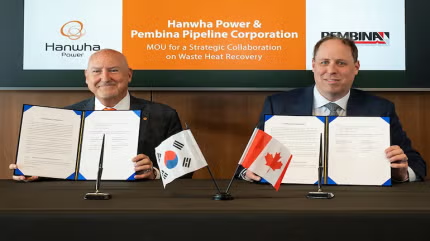
This collaboration runs parallel to a sCO₂ waste heat recovery project being advanced at a compressor station operated by Pembina. Under the MOU, the two companies will jointly assess the feasibility of deploying waste heat recovery power generation systems at Pembina's compressor stations and natural gas infrastructure. The parties plan to jointly identify pilot project candidates, evaluate their technical and economic feasibility, and collaborate on exploring low-carbon power generation opportunities in the North American midstream market.
Hanwha Power's waste heat recovery power generation system is a next-generation technology that uses supercritical carbon dioxide as the working fluid. It possesses both liquid and gas properties, enabling smaller equipment size, and features 100% water-free operation and unmanned functionality. The sCO₂ working fluid is created by heating carbon dioxide above 31°C and pressurizing it above 73.8 bar, bringing it into a supercritical state. In this state, the CO₂ exhibits the low frictional viscosity of a gas while maintaining the high density of a liquid. The cycle utilizes waste heat—typically from the exhaust of gas turbines, industrial boilers, or furnaces—to expand the supercritical CO₂, maintain its high pressure, and direct it into a high-efficiency turbine, where a coupled generator produces electrical output. After passing through the turbine, the CO₂ is cooled, compressed back into a dense supercritical state, and recirculated through a heat exchanger to repeat the cycle.
This technology is regarded as a promising low-carbon solution in the North American oil and gas market, where water resources are limited and emission reduction needs are urgent. It generates electricity by reusing waste heat from industrial equipment without additional fuel consumption, thereby improving energy efficiency and reducing carbon emissions. Through this collaboration, Hanwha Power plans to expand strategic partnerships in Canada, solidify its foundation for entering the North American market, and further broaden its global presence in green power generation solutions.
This article is compiled by Wedoany. All AI citations must indicate the source as "Wedoany". If there is any infringement or other issues, please notify us promptly, and we will modify or delete it accordingly. Email: news@wedoany.com
Related Products



Industrial and Commercial Point-Type Gas Detector
Jinan Benan Technology Development Co., Ltd.
Bidirectional Metal Hard Sealed Seawater Butterfly Valve
Henan Quanshun Flow Control Science & Technology Co., Ltd.
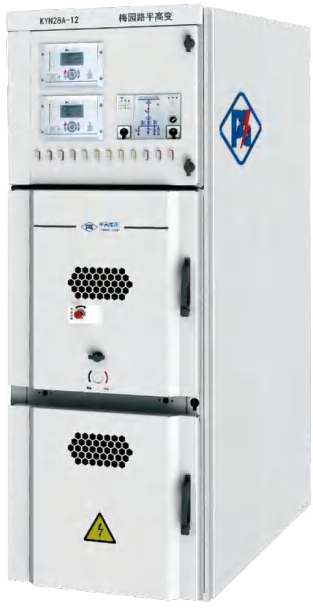
KYN28A-12 Metal Armored Removable Switchgear
Tianjin Ping Gao Intelligent Electric Co., Ltd.
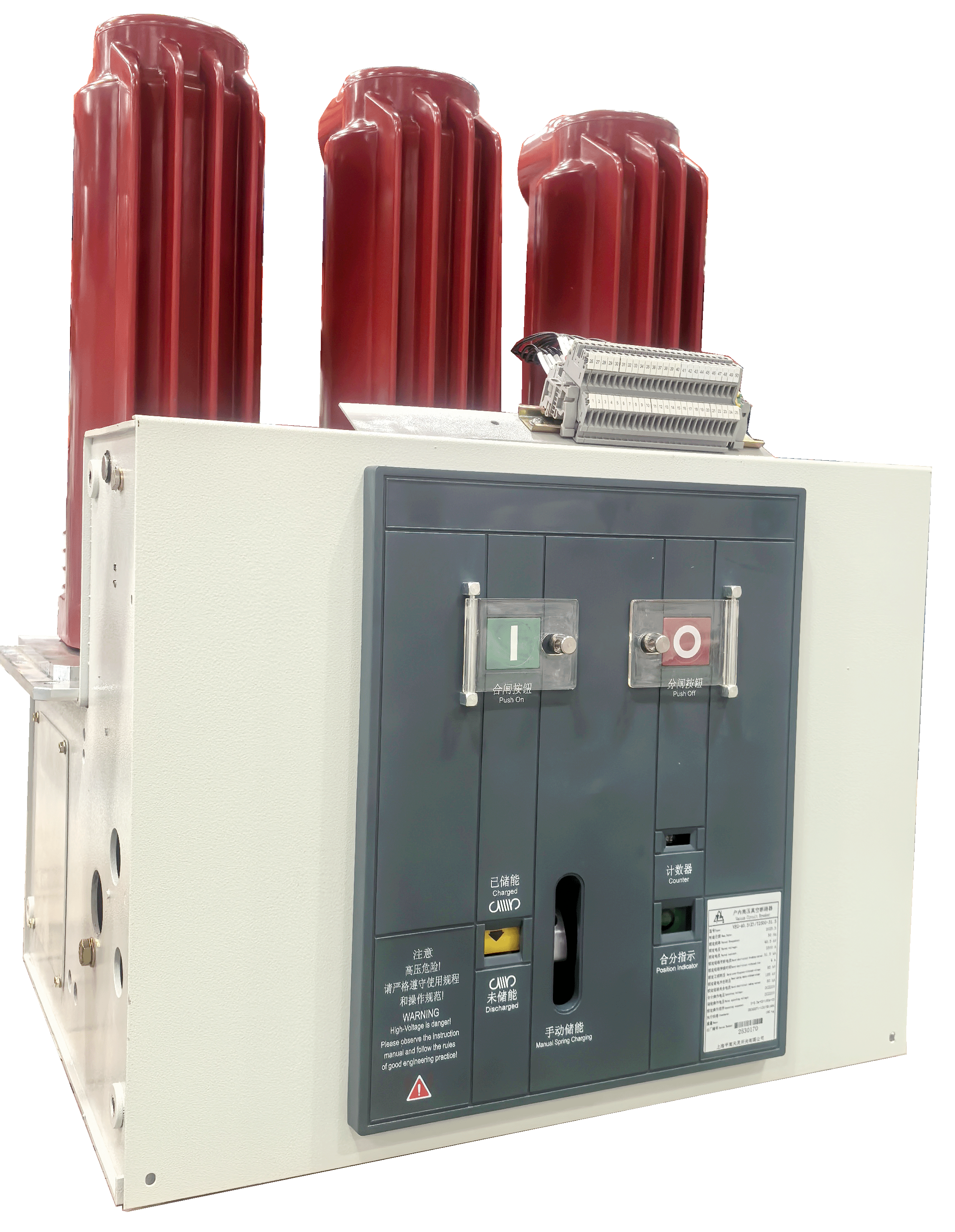
VEG-12/24/40.5 Series Vacuum Circuit Breaker
SHANGHAI PINGGAO TIANLING SWITCHGEAR CO., LTD.
IS(B)□-M·RL Series Oil-immersed 3D Transformer (Planar / 3D Wound Core)
Guangdong Kehua Electric Power Technology Co., Ltd.