American Iron and Steel Institute Emphasizes Critical Role of Metallurgical Coal, U.S. Crude Steel Output Rises to Third in the World
en.Wedoany.com Reported - On May 20, at the annual meeting of the Metallurgical Coal Producers Association held in Roanoke, West Virginia, Kevin Dempsey, President and CEO of the American Iron and Steel Institute (AISI), stated that steel is critically important to U.S. infrastructure, automotive, energy, and national defense systems. As a key input for steelmaking, metallurgical coal should also be regarded as a vital link in the security of the U.S. steel industry chain.
Dempsey's remarks placed metallurgical coal and the rebound in U.S. steel production within the same industrial chain for discussion. Metallurgical coal is primarily used to produce coke, which in the blast furnace-basic oxygen furnace (BF-BOF) process provides both heat and acts as a reducing agent for iron ore reduction. Coal types such as anthracite have also been included by the U.S. Department of Energy (DOE) in its discourse on critical materials for steel production. In 2025, the DOE announced the designation of coal used for steel production as a critical material under the framework of the Energy Act, noting that the U.S. possesses over 150 metallurgical coal mines, with related coal supplies supporting steelmaking processes including BF-BOF and electric arc furnaces (EAF).
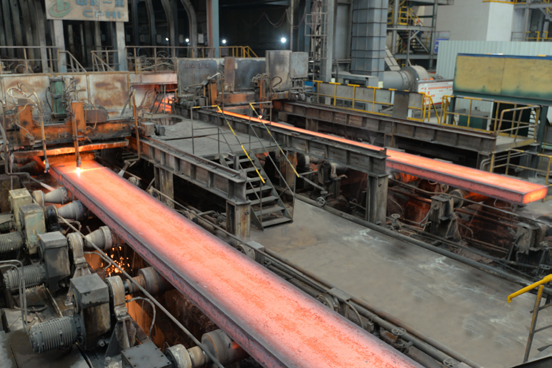
Changes in the output of the U.S. steel industry provide a real-world backdrop for such raw material security discussions. Dempsey mentioned at the meeting that in 2025, U.S. steel industry imports fell by 12.6%, while production, demand, and shipments rose. U.S. crude steel output surpassed Japan's in 2025, moving from fourth to third globally, behind China and India. Annual data from the World Steel Association also shows that U.S. crude steel production in 2025 was approximately 81.937 million tonnes, compared to Japan's approximately 80.671 million tonnes, resulting in the U.S. overtaking Japan in the annual crude steel production ranking.
This means that "metallurgical coal criticality" is not just a statement from the coal industry itself, but is directly linked to the recovery of U.S. steel manufacturing, infrastructure construction, automotive manufacturing, and the defense industrial supply chain. An upturn in steel production drives changes in demand for upstream sectors including iron ore, scrap steel, metallurgical coal, coke, limestone, refractories, electricity, transportation, and port logistics. For integrated steel mills in the U.S., a stable supply of metallurgical coal and coke is related to long-cycle blast furnace operations, product quality control, and cost stability; for EAF steelmakers, scrap supply, anthracite, alloy materials, and electricity costs similarly affect capacity utilization rates. Dempsey placed metallurgical coal, iron ore, and scrap steel side-by-side as the three key raw materials in the AISI logo, reflecting the institute's understanding of the raw material base within the industrial chain.
The rise of U.S. steel production to third in the world does not mean that industry pressures have been lifted. In his speech, Dempsey also mentioned that global steel overcapacity continues to distort the market and exert pressure on domestic U.S. producers. AISI also emphasized that approximately 90% of U.S. steel exports go to Canada and Mexico, and that North American trade rules, tariff enforcement, origin monitoring, and import circumvention issues all affect the investment confidence and capacity utilization of U.S. steel enterprises. For metallurgical coal companies, a rebound in downstream steel production is conducive to improving demand expectations, but the steel market remains jointly influenced by global supply and demand, trade policies, energy costs, environmental requirements, and changes in low-carbon steelmaking technology pathways.
The long-term role of metallurgical coal also faces constraints from the low-carbon transition. The BF-BOF route remains a crucial process for global steel production, making it difficult to completely detach from coke and metallurgical coal in the short term. Meanwhile, low-carbon pathways such as direct reduced iron (DRI), hydrogen-based steelmaking, EAF short processes, carbon capture, and scrap recycling are advancing. If the U.S. steel industry continues to expand domestic production, it needs to form a clearer balance between raw material security, production costs, carbon emissions, equipment upgrades, and trade protection. The inclusion of metallurgical coal in critical material discussions reflects more the current steel supply chain's dependence on this raw material, and does not equate to a reversal of the steel industry's low-carbon transition pathway.
Subsequent project milestones include the trend of U.S. weekly crude steel production and capacity utilization rates in 2026, investment and safety regulation in metallurgical coal mines, adjustments to North American steel trade rules, changes in steel imports, and the implementation arrangements for metallurgical coal within critical materials policy. At the current stage, "U.S. rises to third in the world" should be accurately understood as a change in the ranking of U.S. crude steel output, not a change in the ranking of metallurgical coal output. "Metallurgical coal criticality" is an industrial judgment proposed by AISI and the DOE concerning the security of the steel supply chain, and should not be extrapolated to conclude that all steel technology pathways will remain unchanged in the long term.
This article is compiled by Wedoany. All AI citations must indicate the source as "Wedoany". If there is any infringement or other issues, please notify us promptly, and we will modify or delete it accordingly. Email: news@wedoany.com