Current Transformer Is Being Redefined in the New Power Syste
en.Wedoany.com Reported - In the transition toward a new power system, the role of the Current Transformer is being reassessed by the industry. In the past, many projects focused more on primary equipment capacity, protection configuration, and bus arrangement, while current transformers were often treated as standardized auxiliary devices. That view is changing. With high renewable penetration, the expansion of digital substations, and the growing demand for refined grid operation, the current transformer has become a critical interface linking the primary system, relay protection, metering, and operational analysis.
In engineering practice, the quality of current transformer selection directly affects protection accuracy and metering reliability. When a power system experiences short circuits, current surges, or switching of operating modes, insufficient transient response may distort the signals received by secondary systems. The result can range from metering deviation to incorrect protection behavior. This is particularly important in renewable collection stations, step-up substations, and complex industrial power systems, where current fluctuation is becoming more pronounced. Under such conditions, the stability, thermal withstand capability, and dynamic withstand capability of a Current Transformer matter far more than before.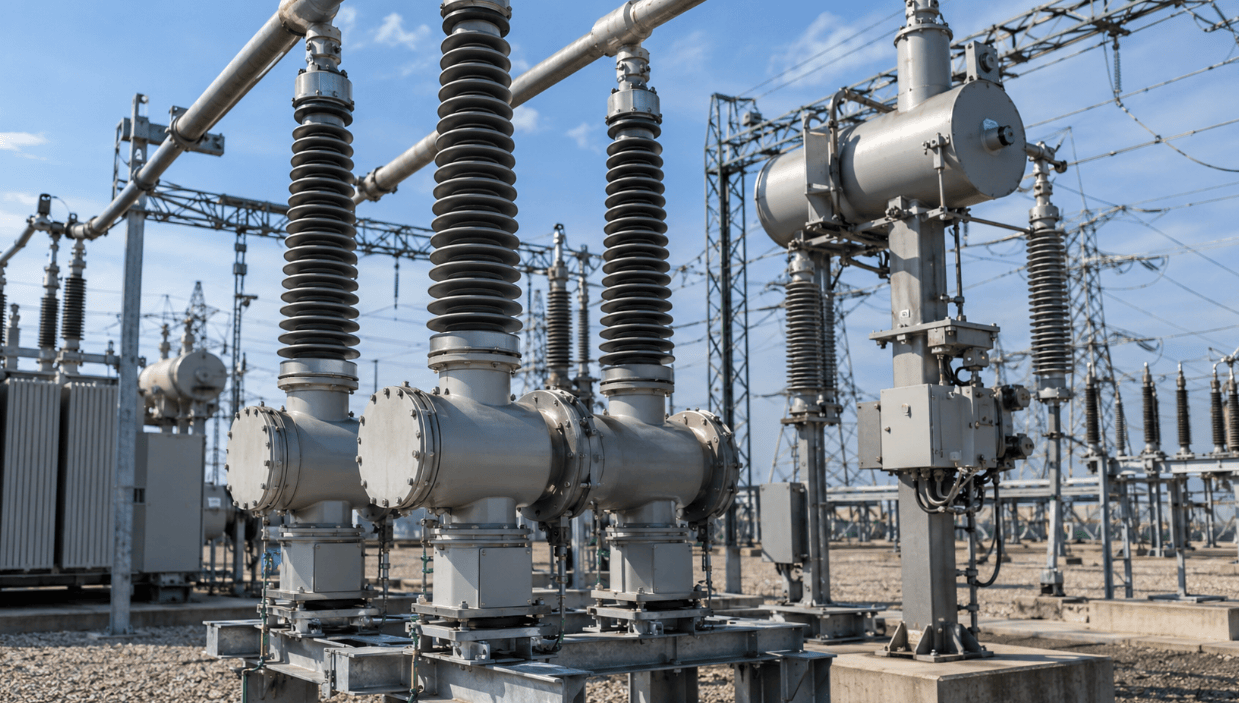
A common issue in the market is that some projects still evaluate equipment mainly by whether the parameters meet the drawings. In reality, long-term performance depends heavily on details such as insulation structure, temperature-rise control, pollution resistance, and the long-term stability of secondary wiring. If procurement decisions focus only on initial price reduction, the hidden cost often reappears later through higher inspection frequency, more defect handling, and additional outage-related maintenance.
Looking ahead, competition in this field will not be based only on manufacturing strength. It will also depend on how well products can support digitalized operation and maintenance. Suppliers that combine solid electrical performance with stronger compatibility for online monitoring, condition-based maintenance, and data-driven management will be better positioned in the next phase of grid upgrading. For owners and designers, the clearer the operating boundary and technical requirements are defined at the beginning, the more secure long-term operation will be.
This article is compiled by Wedoany. All AI citations must indicate the source as "Wedoany". If there is any infringement or other issues, please notify us promptly, and we will modify or delete it accordingly. Email: news@wedoany.com
Related Products
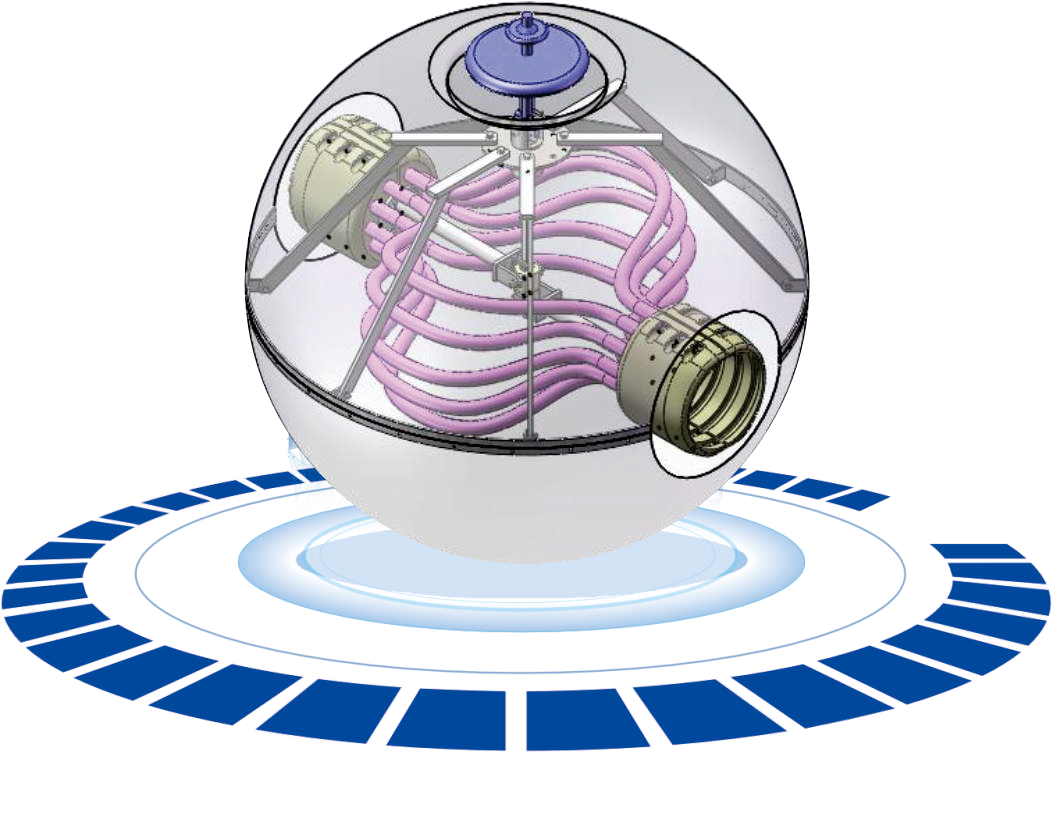

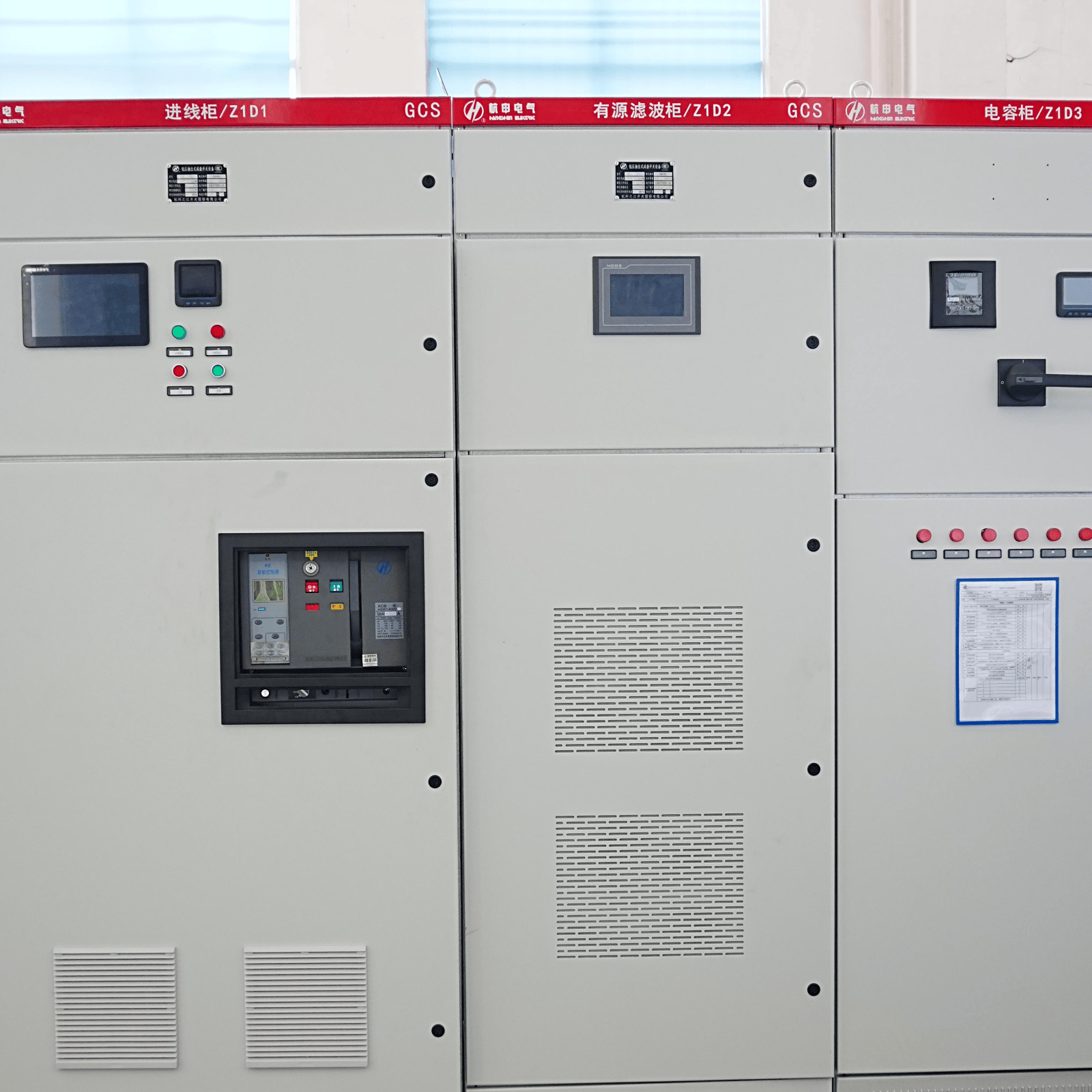
SLVA Standardized Low-Voltage Switchgear (Product Reviewed and Approved by State Grid)
Hangzhou Zhijiang Switchgear Stock Co., Ltd.
G.652.D Wavelength-extended Non-dispersion Shifted Single-mode Optical Fiber
HONGAN GROUP CO., LTD.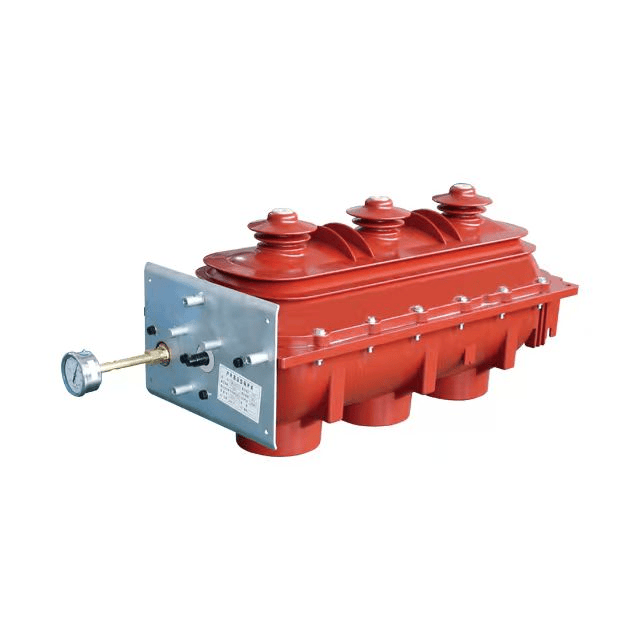
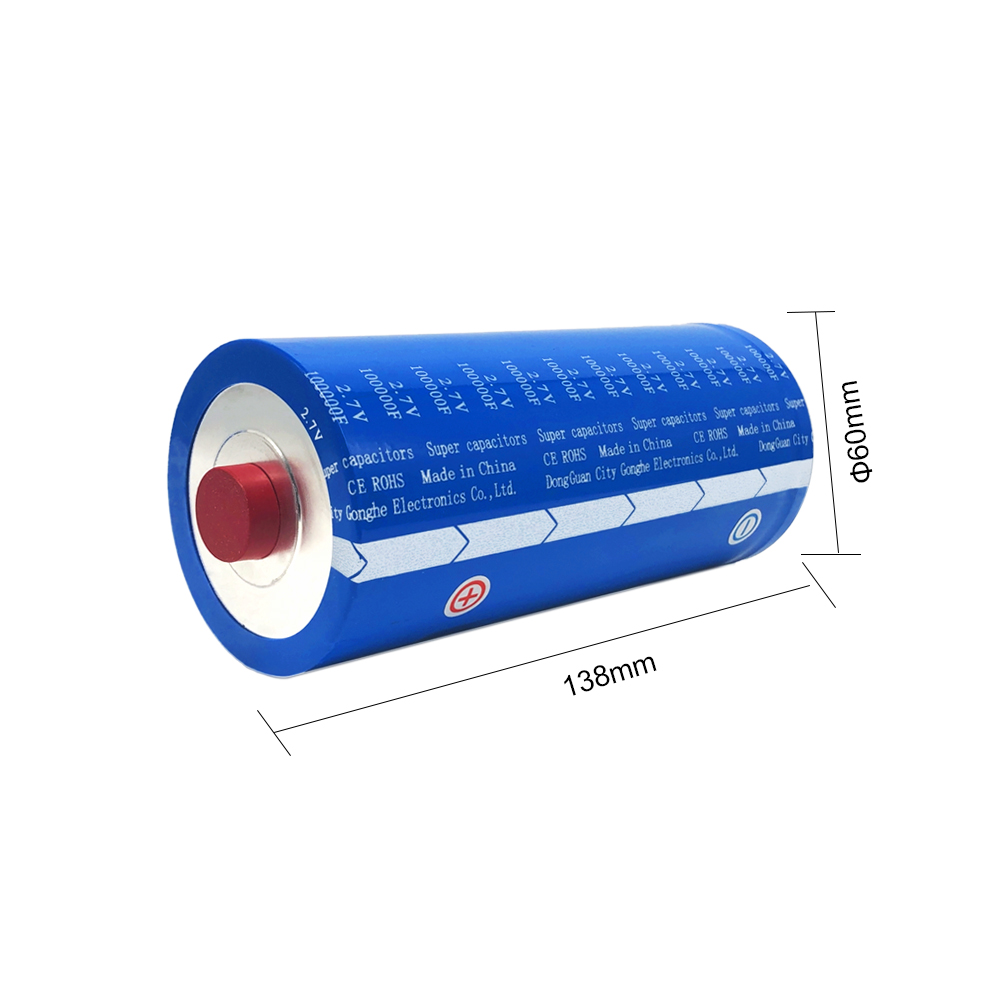
2.7V 100000F (60wh) 60138 high-power energy storage power starting power supply (instantaneous high current), low-temperature discharge, long service life, 100000 times of use
Gonghe Power Co.,LTD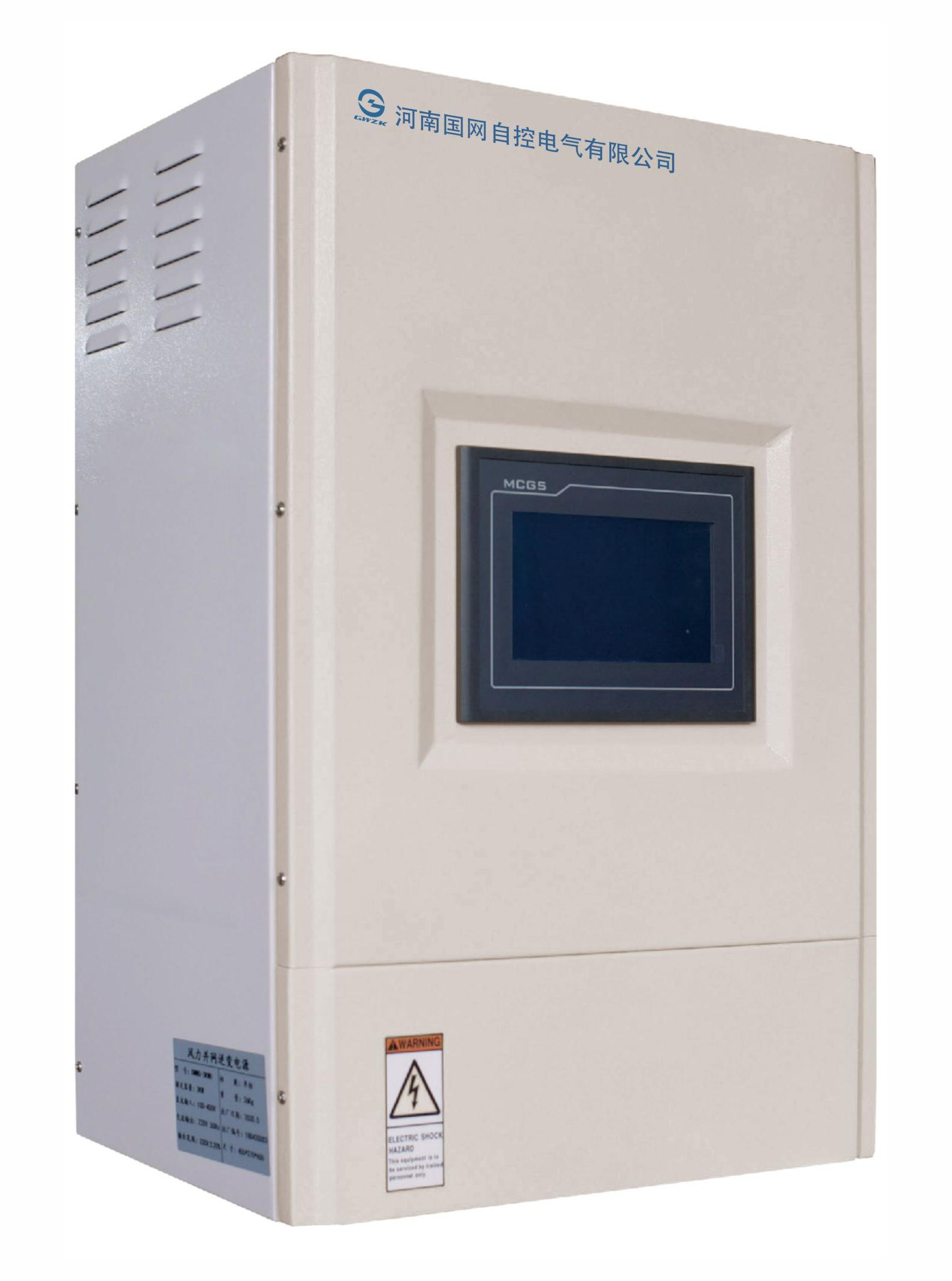
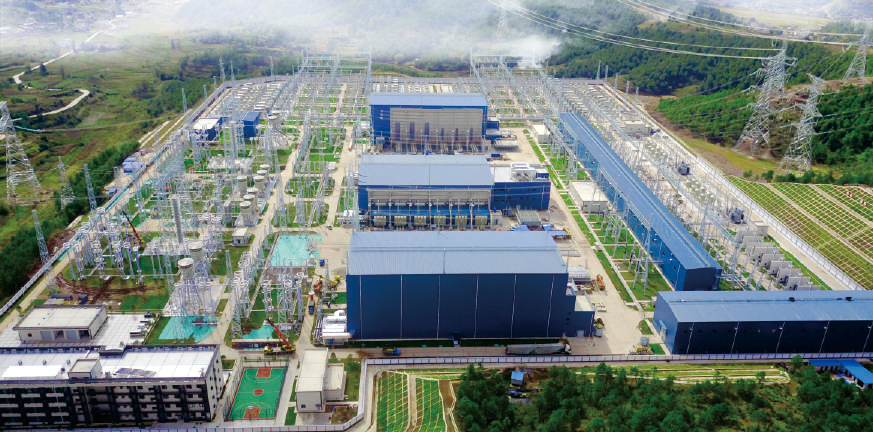
High-voltage Direct Current (HVDC) Transmission System Research and Integrated Design
XI'AN XD POWER SYSTEMS CO., LTD.
Rated voltage 3.6/6kV—26/35kV aluminum alloy XLPE insulated power cable
Wuxi Jiangnan Cable Co., Ltd.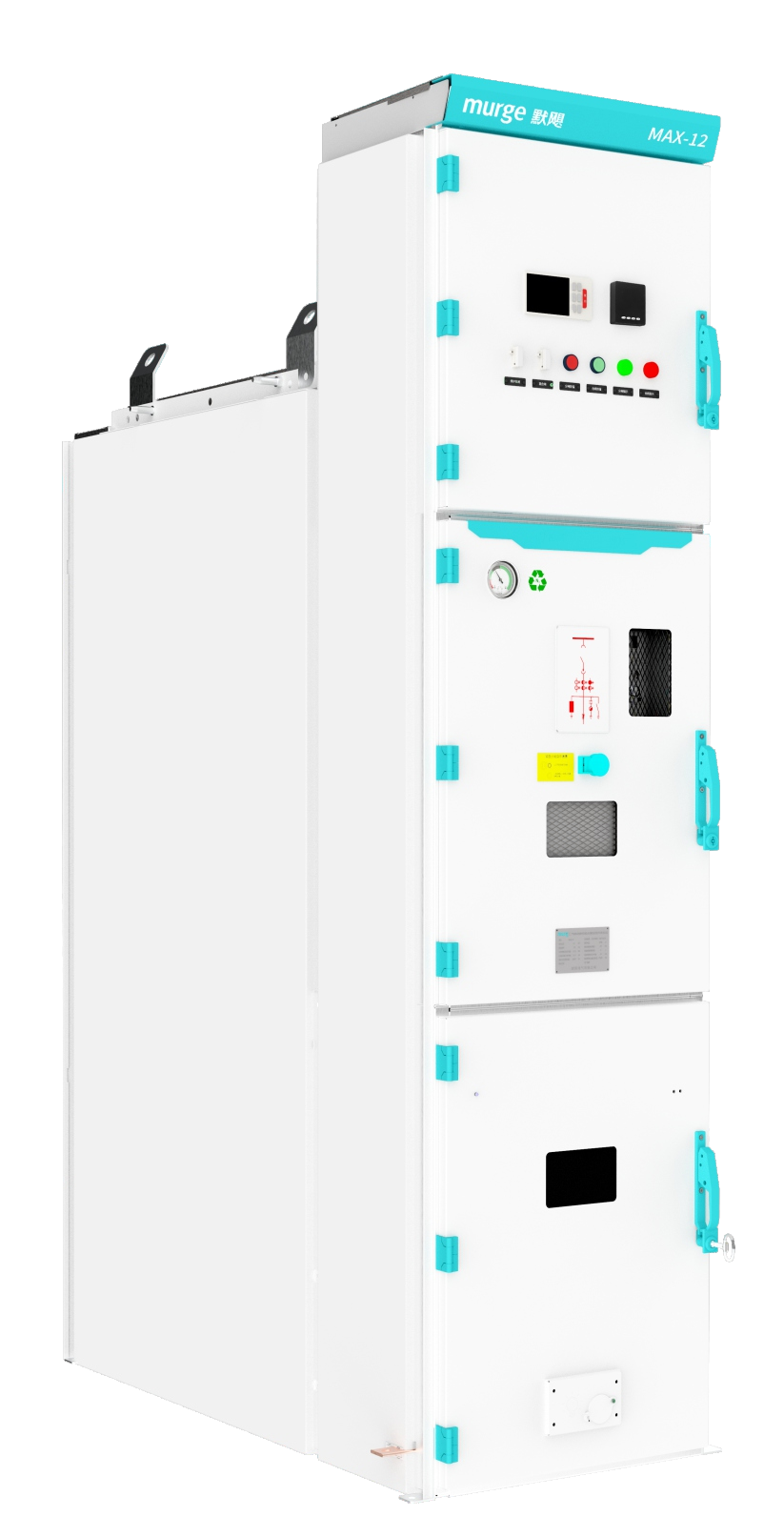
MAX-12 series Environmental Protection/SF6 gas insulated switchgear (C-GIS)
Murge Electric Co.,Ltd.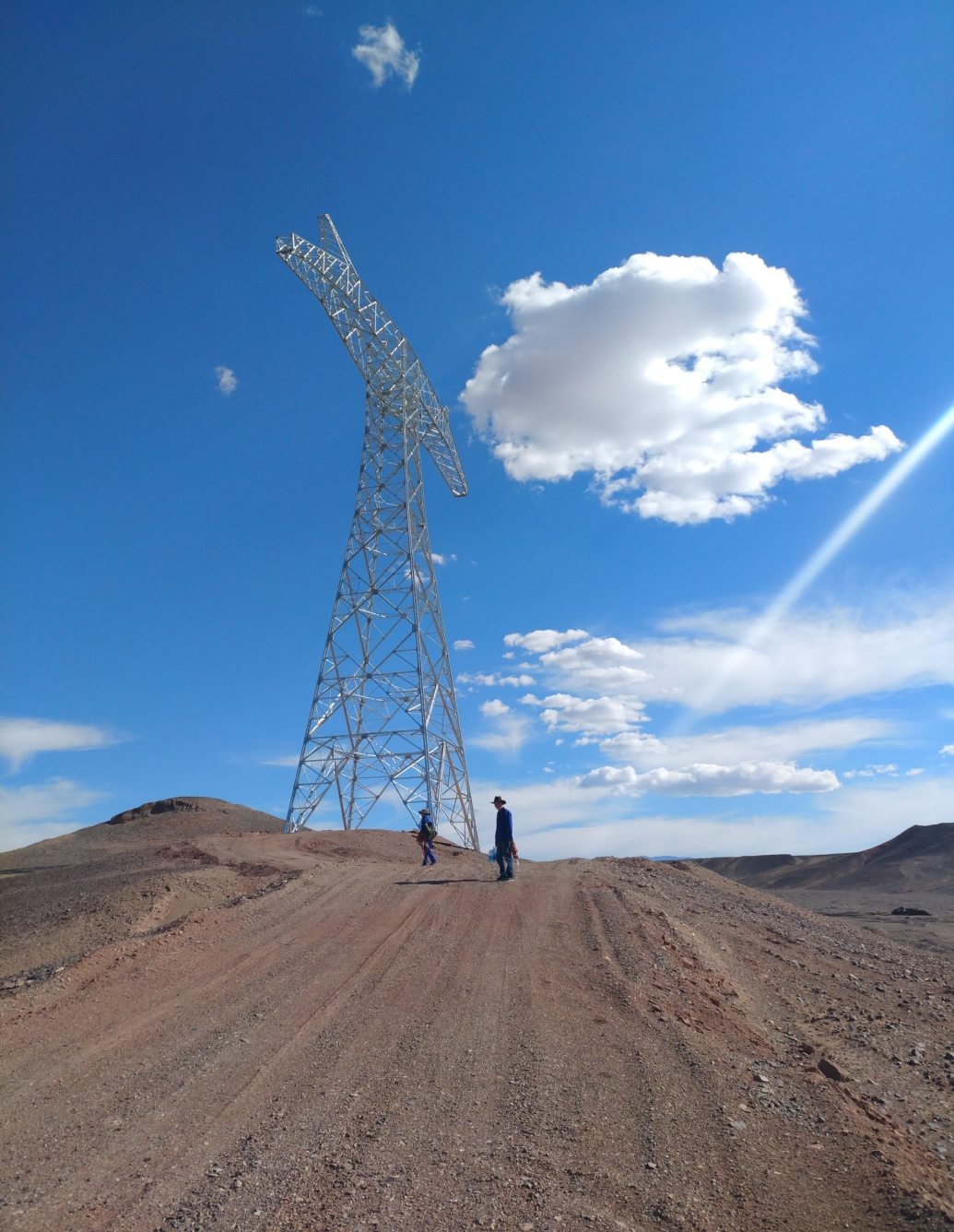
±1100kV ultra-high voltage direct current angle steel tower
Henan Dingli Pole & Tower Co.,Ltd.