Photovoltaic Module Manufacturing Must Upgrade Toward Digital Traceability and Global Compliance
en.Wedoany.com Reported - PV module manufacturing is moving from building more production lines toward digital quality management and global compliance. REN21 data show that global PV module manufacturing capacity reached around 1.5 TW per year in 2024. In a market with abundant capacity, companies that only emphasize factory scale and delivery speed will struggle to build advantages in overseas projects, financial due diligence and long-term warranty competition.
Overseas solar projects are placing more detailed requirements on module suppliers. In addition to efficiency, power and price, project owners increasingly review certification documents, material sources, manufacturing batches, carbon footprint, product warranty, supply chain transparency and delivery history. For utility-scale investors and EPC companies, modules are not ordinary procurement items; they affect project financing, insurance, generation revenue and asset valuation.
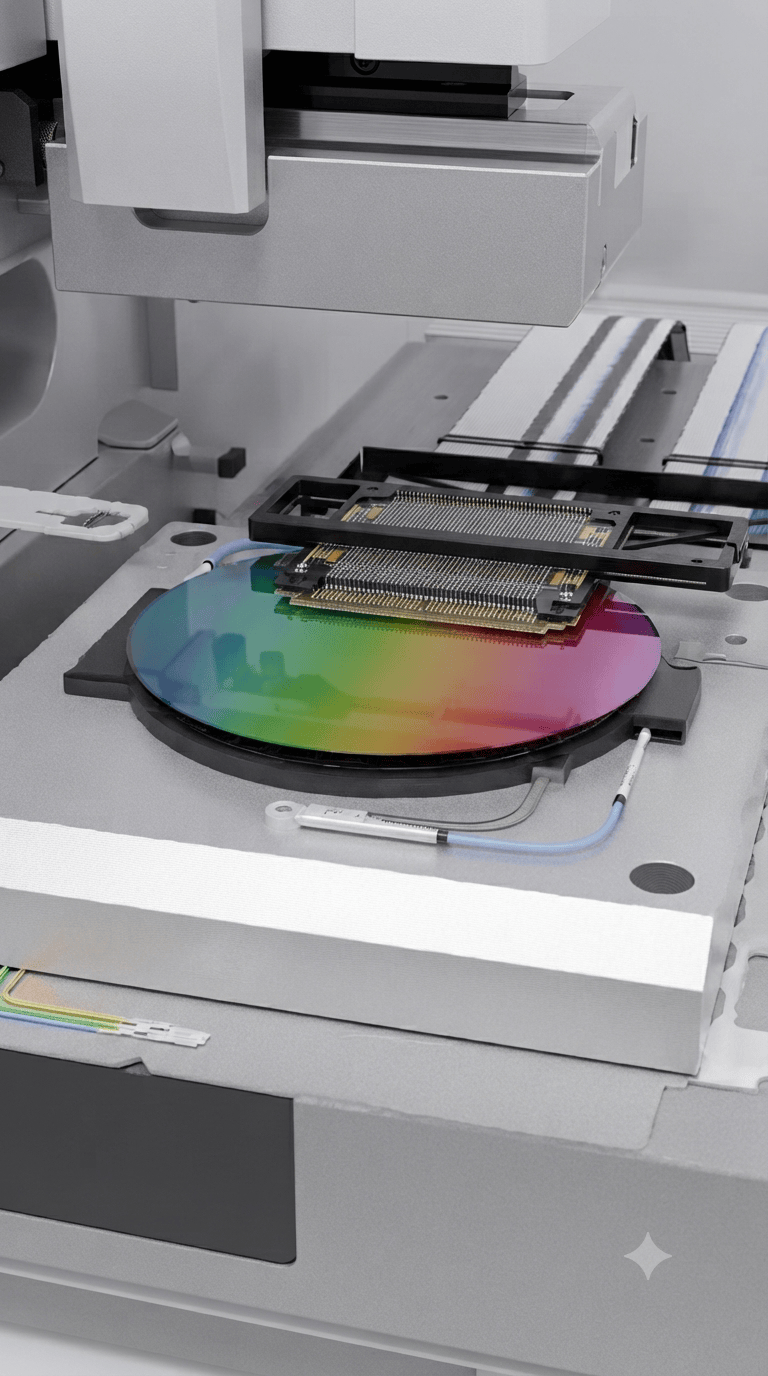
This is why Photovoltaic Module Manufacturing needs to move from equipment automation to data automation. High-speed stringers, automatic layout systems, intelligent laminators, automatic framing machines and robotic handling systems can improve production efficiency. However, if equipment data does not enter a unified platform, manufacturers still cannot quickly determine whether a defect comes from a cell batch, a machine, a group of process parameters or a production shift. Digital traceability means every module can be linked to material, process, testing and shipment records.
A mature module traceability system should cover at least eight categories: cell batch, glass batch, encapsulant batch, backsheet or glass-glass structure, ribbons and busbars, frames and junction boxes, key process parameters, and EL plus IV test results. With these data, manufacturers can quickly locate problems and build an evidence chain when customer complaints, batch abnormalities, degradation disputes or overseas project audits occur.
Digital traceability will also affect low-carbon manufacturing. As global markets pay more attention to product carbon footprints and supply chain transparency, module manufacturers need to record power sources, material sources, energy consumption per unit, transport routes and manufacturing emissions. In the future, low-carbon modules may not only be a branding point; they may become important conditions for bidding, financing and export access.
Module manufacturers should include both new production lines and old-line retrofits in digital quality engineering. First, they should establish unified MES and quality databases. Second, they should bind EL, IV, appearance, insulation and dimension test data to module IDs. Third, they should analyze the relationship between equipment parameters and defect types to identify process drift early. Fourth, they should prepare exportable quality, carbon footprint and supply chain compliance reports for overseas customers.
The next competition in PV module manufacturing will not be about who expands faster. It will be about who can turn scaled production into verifiable, traceable and continuously improved manufacturing capability. For module suppliers entering overseas markets, digital traceability is not optional; it is a basic capability for customer trust and project access.
This article is compiled by Wedoany. All AI citations must indicate the source as "Wedoany". If there is any infringement or other issues, please notify us promptly, and we will modify or delete it accordingly. Email: news@wedoany.com
Related Products
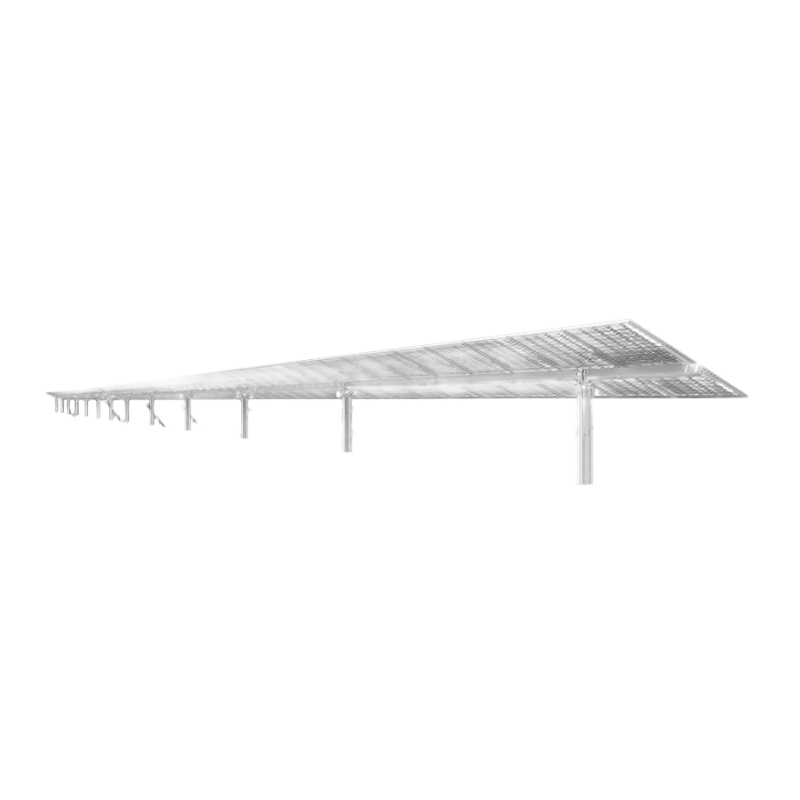

TAI Slew-drive Single-axis Independent 1P Tracking Bracket System
ANTAI TECHNOLOGY CO., LTD.



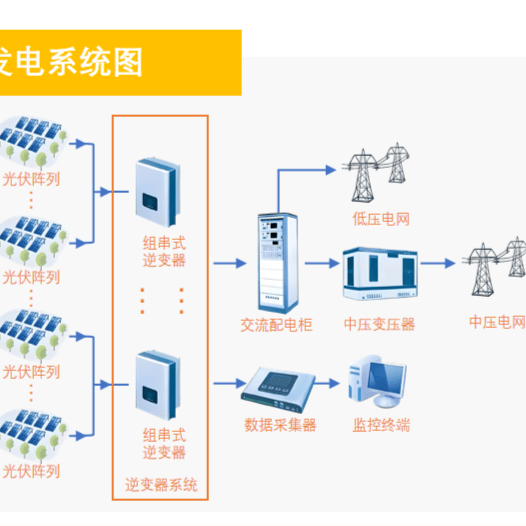
Photovoltaic and Wind Power Generation Technology
Beijing Boqi Electric Power SCI-TECH Co., Ltd.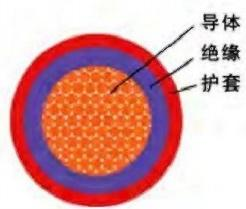
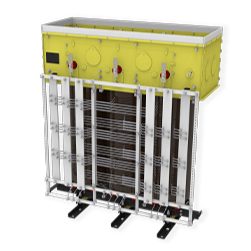
Multi-Winding Converter Transformer for Variable Frequency Speed Control
Newonder Special Electric Co., Ltd.