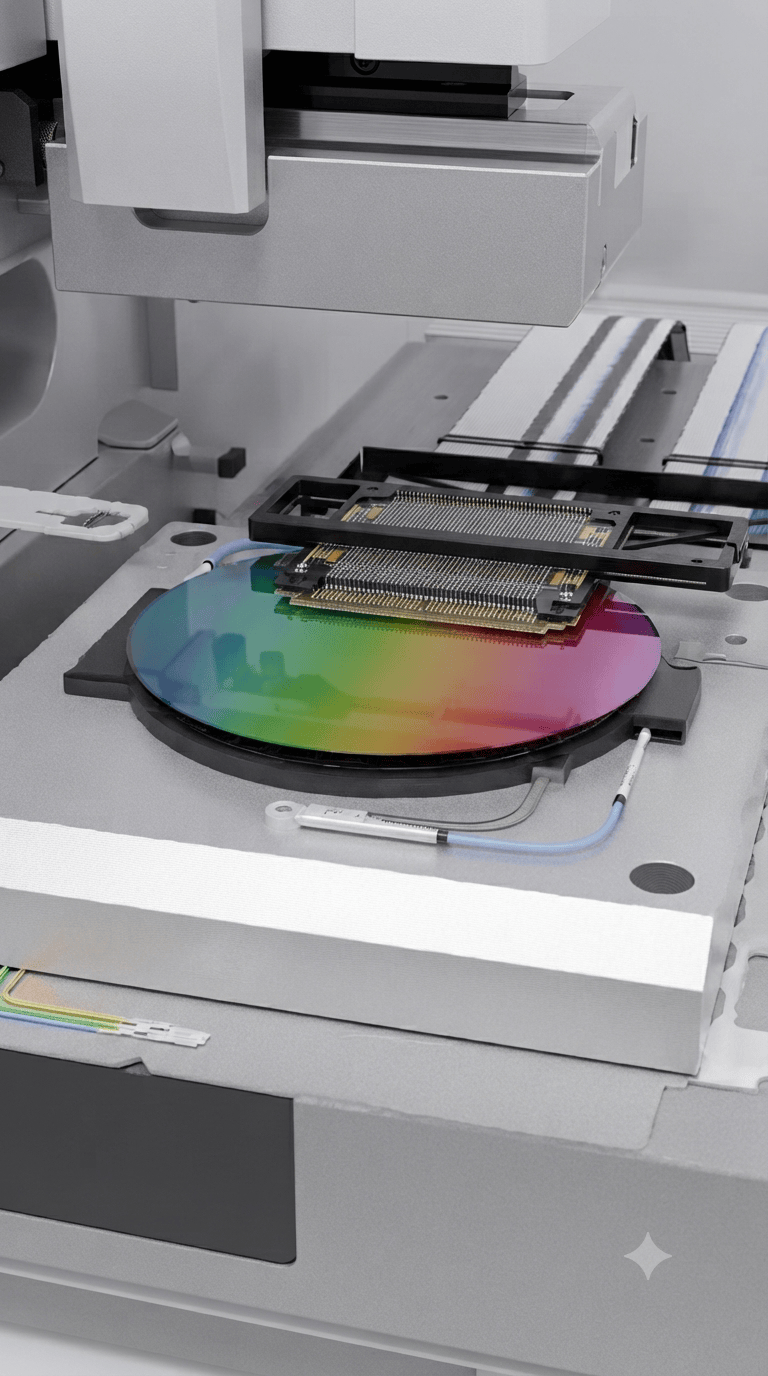
Photovoltaic Module Manufacturing Enters a Quality-Driven Competition Stage
en.Wedoany.com Reported - Global solar installations are still expanding rapidly, but the competitive logic of Photovoltaic Module Manufacturing has changed. In recent years, the industry mainly focused on capacity expansion, lower unit cost and faster delivery. Today, module manufacturing is moving from scale competition toward quality, reliability and life-cycle value. IEA PVPS data show that global PV additions in 2024 reached around 553 GW to 601 GW, indicating strong end-market demand while manufacturing competition becomes more intense.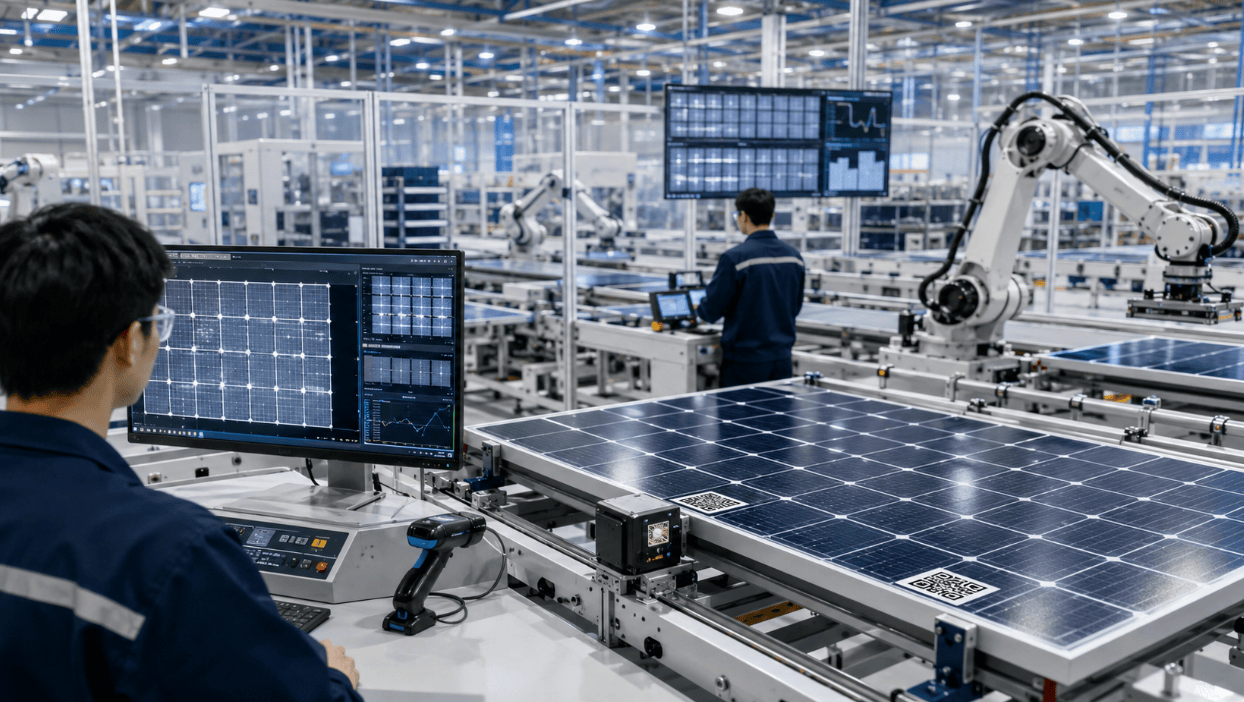
Under low module prices and high manufacturing capacity, buyers no longer judge modules only by peak power and quotation. Utility-scale plants, commercial and industrial rooftops, agrivoltaic projects, building-integrated PV and overseas EPC projects are paying more attention to long-term performance under heat, humidity, salt mist, sand, snow load, wind and ultraviolet exposure. Degradation, PID resistance, damp-heat performance, mechanical load capacity, microcrack control, hotspot risk and warranty traceability are becoming important procurement indicators.
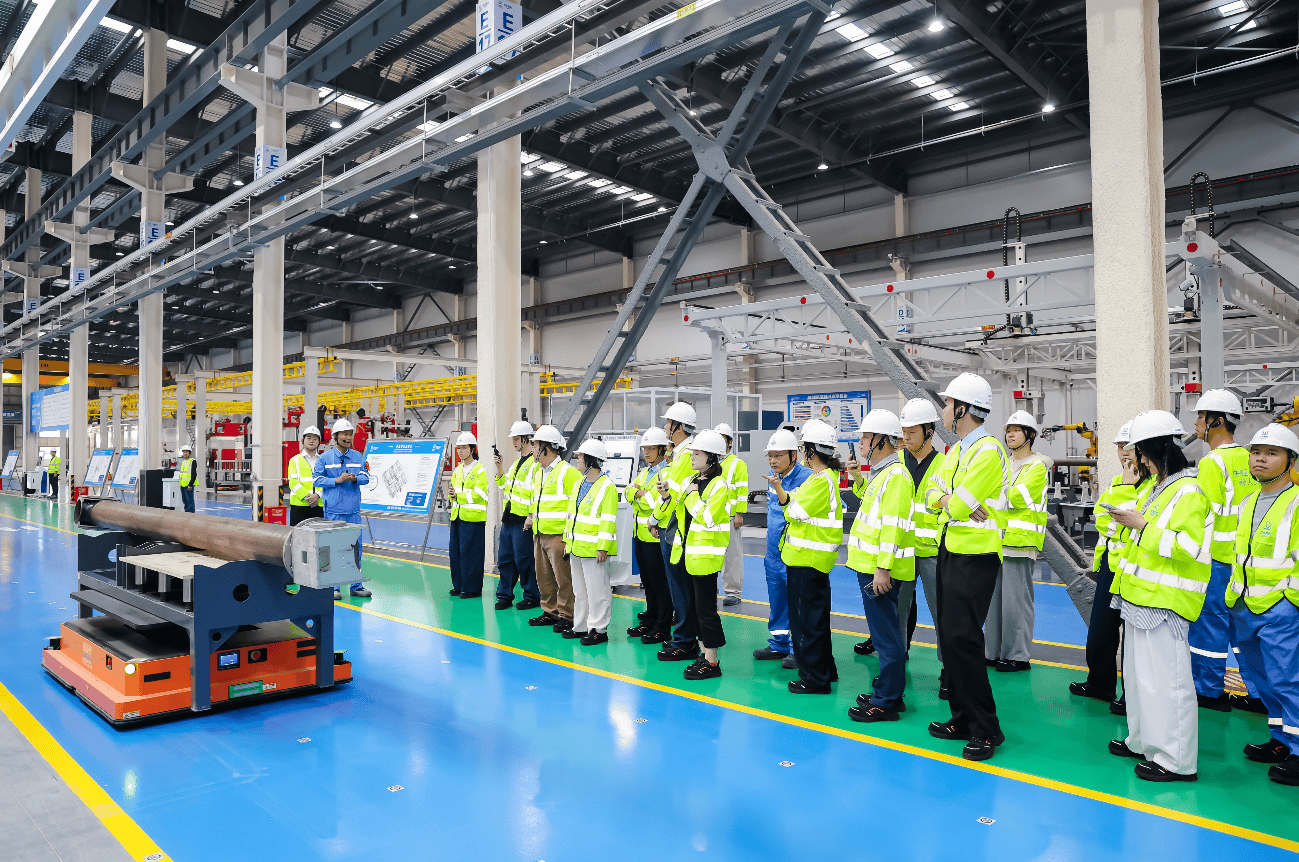
PV module manufacturing is not simply packaging solar cells. String welding, cell layout, lamination, trimming, framing, junction box installation, curing, EL inspection, IV testing, binning and packaging all affect final reliability. Poor welding stress control can cause cell microcracks. Unstable lamination temperature, pressure or time can lead to bubbles, delamination or insufficient encapsulant crosslinking. Weak frame sealing increases moisture ingress risk. Inadequate EL inspection may allow hidden defects to enter project sites.
The IEA’s Renewables 2025 report projects that global renewable power capacity additions from 2025 to 2030 will reach nearly 4 600 GW, with solar PV accounting for almost 80% of global renewable electricity capacity expansion. This means PV modules still have a long-term demand foundation, but future orders will increasingly favor manufacturers with stronger quality control, global certification capability, stable supply chains and credible long-term warranties.
From an engineering perspective, module manufacturers need to build a quality-forward manufacturing system. First, online inspection should not be limited to final testing; it should cover key steps such as string welding, lamination, framing and finished-module testing. Second, material combinations should be designed according to application regions: hot and humid areas need stronger encapsulation and moisture barriers, coastal areas need better salt mist resistance, and desert projects need sand resistance and lower degradation. Third, manufacturers should establish complete traceability from cells, glass, encapsulants, backsheets, frames and junction boxes to finished-module testing.
The future competitiveness of PV module manufacturing is not only price per watt, nor is it a single laboratory efficiency figure. It depends on consistency in mass production and long-term field performance. Strong module manufacturers need verifiable test data, stable process systems and traceable supply chains to prove that their products can support reliable operation of solar power plants worldwide.
This article is compiled by Wedoany. All AI citations must indicate the source as "Wedoany". If there is any infringement or other issues, please notify us promptly, and we will modify or delete it accordingly. Email: news@wedoany.com
Related Products


Multi-Winding Converter Transformer for Variable Frequency Speed Control
Newonder Special Electric Co., Ltd.
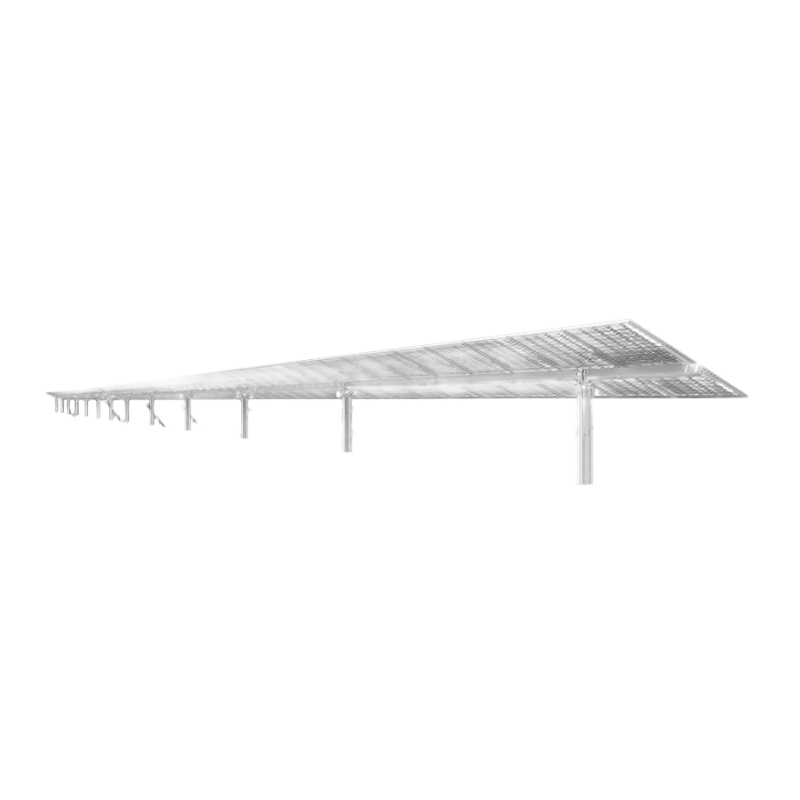
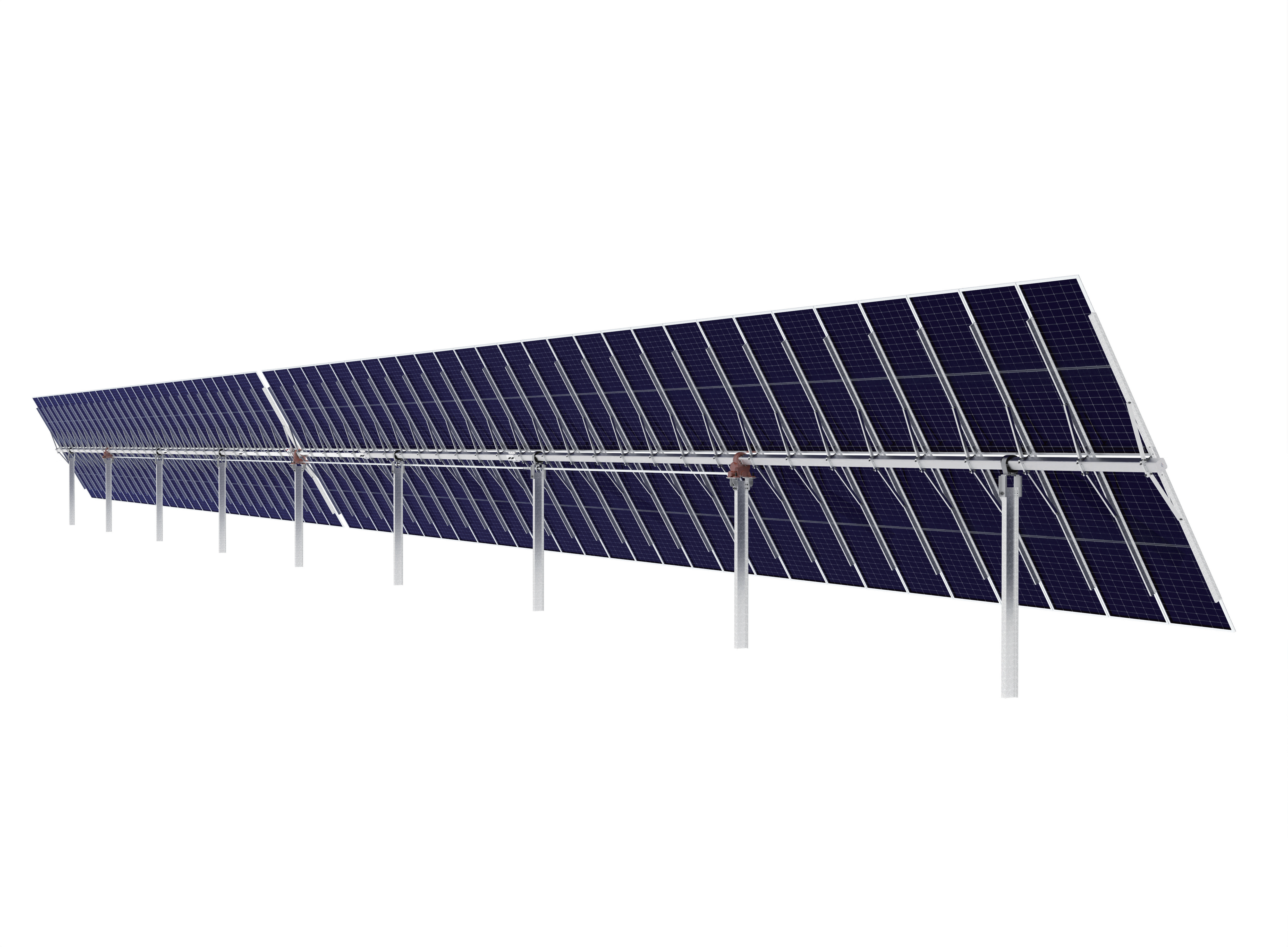
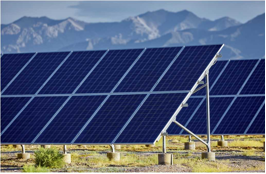
TAI Slew-drive Single-axis Independent 1P Tracking Bracket System
ANTAI TECHNOLOGY CO., LTD.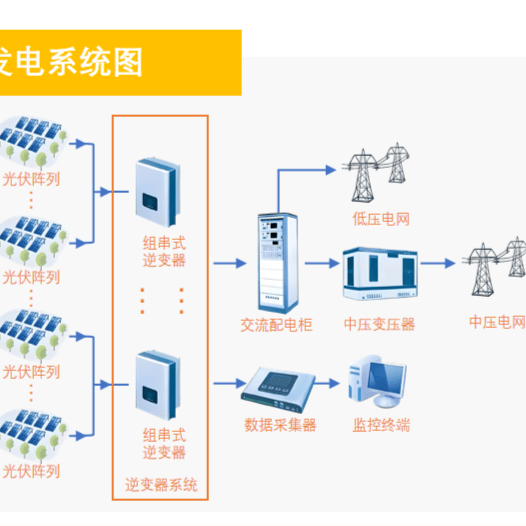
Photovoltaic and Wind Power Generation Technology
Beijing Boqi Electric Power SCI-TECH Co., Ltd.
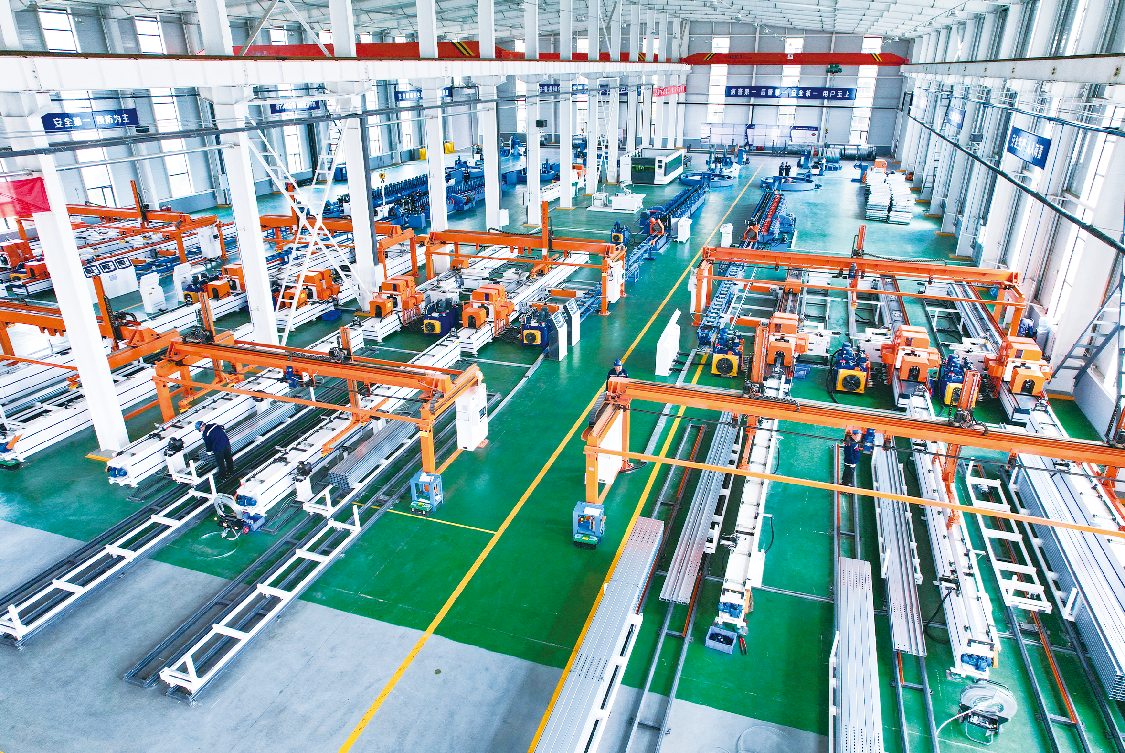
Photovoltaic bracket intelligent cold bending forming punching production line
Shandong Jinbolida Precision Machinery Co., Ltd.