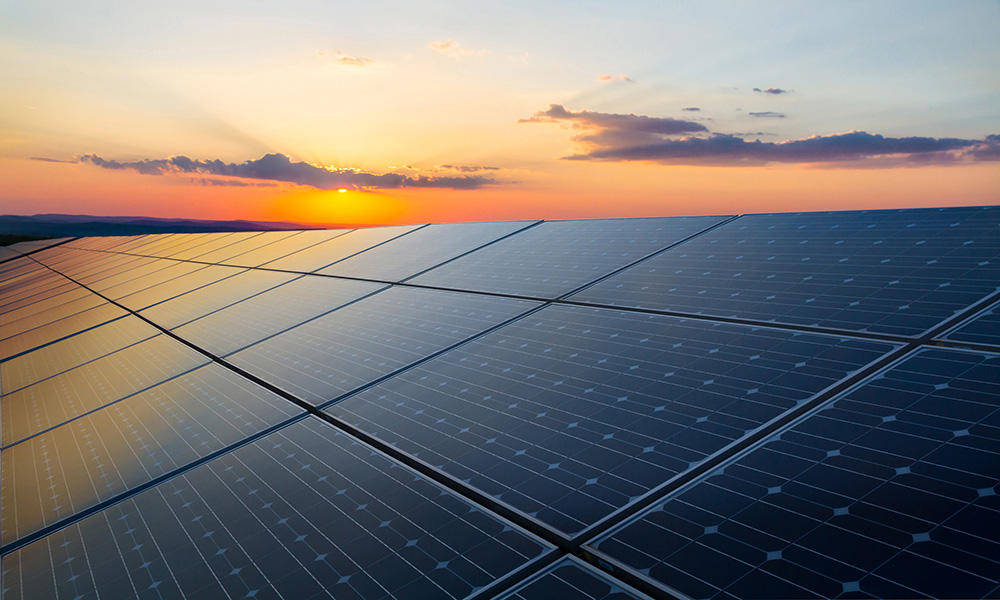
Austrian Federal Railways and Burgenland Energie Commission World's First Agri-PV Plant for Railway Power Supply
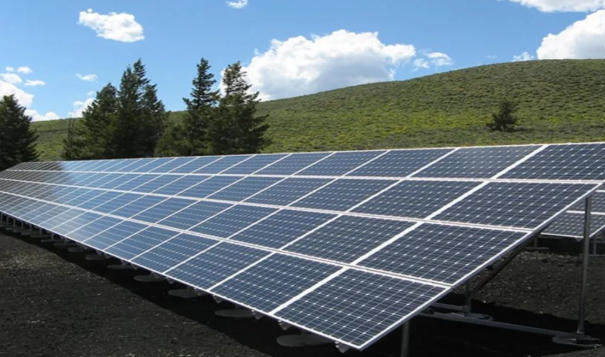
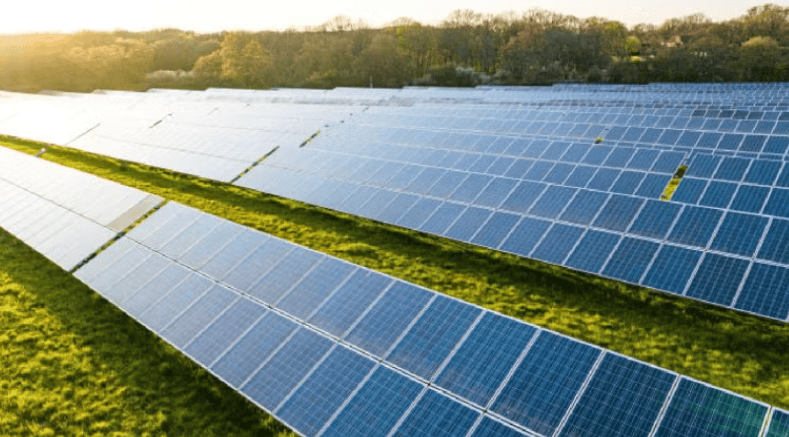
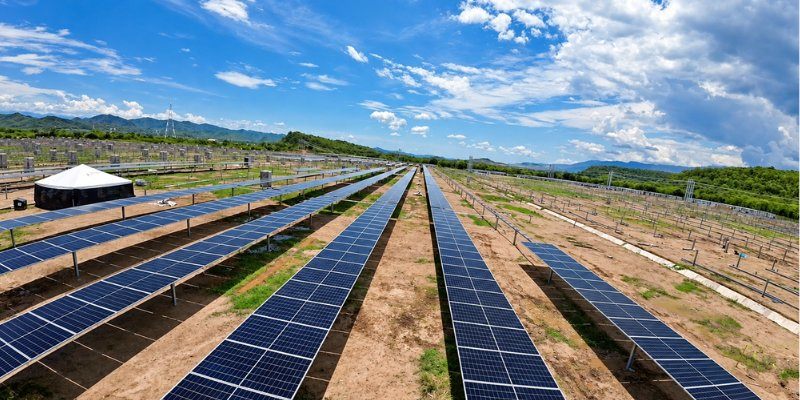
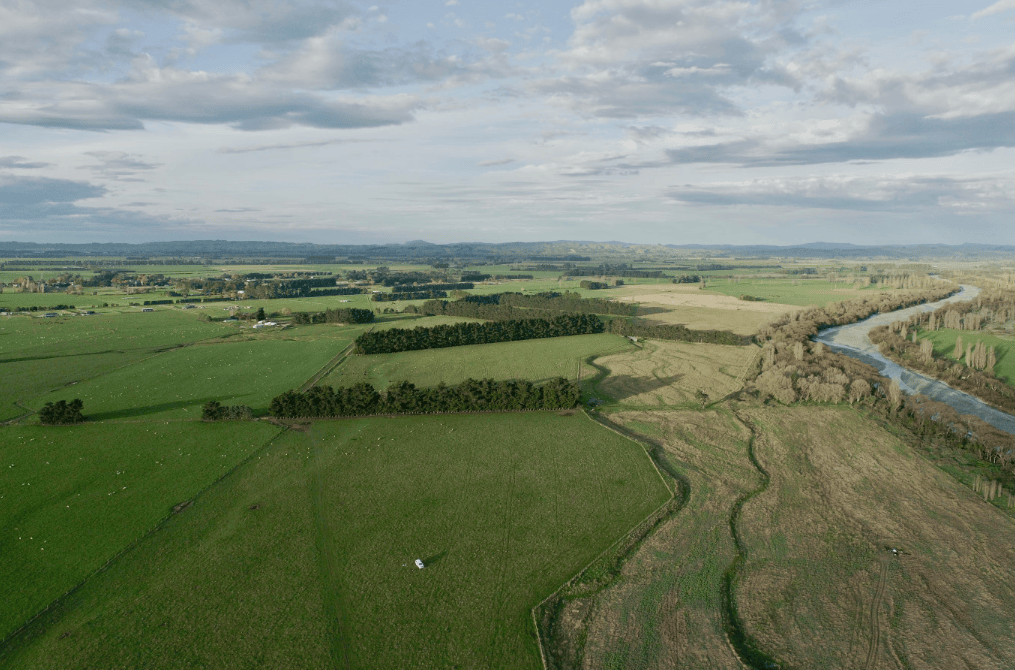
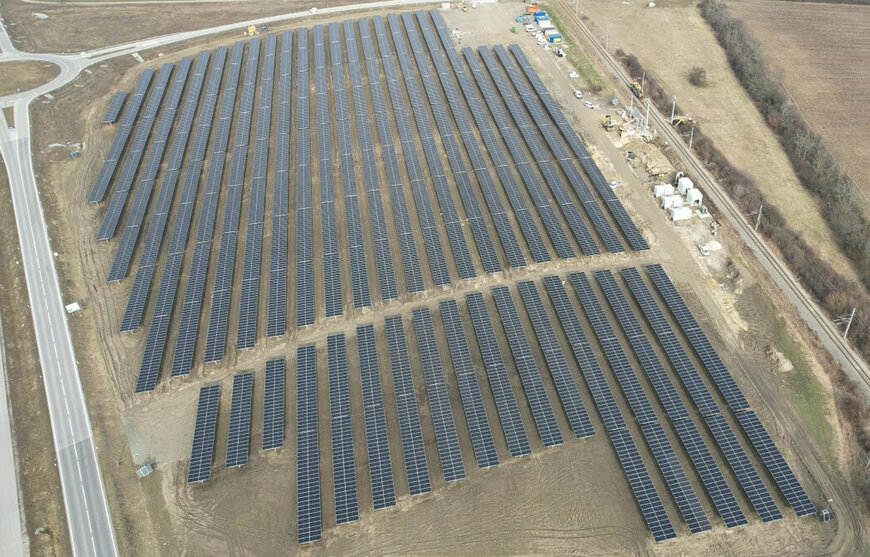
en.Wedoany.com Reported - The Austrian Federal Railways (ÖBB) and Burgenland Energie have commissioned the world's first agri-PV plant equipped with a solar tracking system for railway power supply in Donnerskirchen. The project integrates renewable energy generation directly into the agricultural use of a seven-hectare area. By automatically aligning the solar modules with the sun's position, the plant optimizes energy output, while the area beneath the modules continues to be cultivated by the Esterhazy organic farm. Due to its proximity to the Pannonia Railway, the generated electricity is fed directly into the railway grid, thereby minimizing transmission losses.
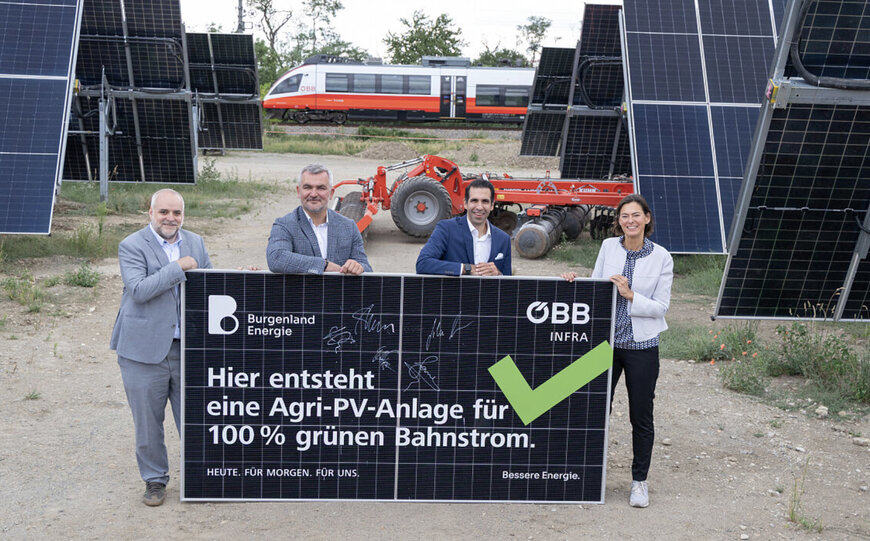
The plant has an installed capacity of 6.6 MWp and an average annual electricity generation of approximately 8.3 GWh. This amount of electricity is sufficient to power around 32,500 train journeys between Vienna and Eisenstadt. The technical design avoids soil sealing, ensuring natural water permeability remains unaffected, and the plant can be dismantled without residue at the end of its service life. Silvia Angelo, member of the Board of Directors of ÖBB-Infrastruktur AG, emphasized that the goal is to continuously expand self-sufficiency in green traction power and to generate electricity at the point of energy use; by feeding directly into the grid, supply security is improved while energy losses are reduced.
The agri-PV concept enables threefold land use: solar power generation, agricultural production, and the promotion of biodiversity through accompanying planting measures. Matthias Grün, Chairman of the Board of Directors of Esterhazy Betriebe AG, explained the operational advantages, noting that crops are protected while the photovoltaic modules operate more efficiently due to natural cooling, creating a win-win situation for both agriculture and energy. Stephan Sharma, CEO of Burgenland Energie, added that Austria's first, and the world's first, agri-PV railway plant with solar tracking points the way to a renewable transport future.
Through projects such as Donnerskirchen, ÖBB is continuously advancing the expansion of renewable energy and is committed to further increasing self-sufficiency in railway power. At the same time, the combination of photovoltaics and agricultural use makes a sustainable contribution to resource conservation and biodiversity promotion.
Related Products

MESS8201-2507/5015-BN Prefabricated Liquid-cooled Energy Storage Battery Container
Xuchang Xuji Electric Science Energy Storage Technology Co., Ltd.
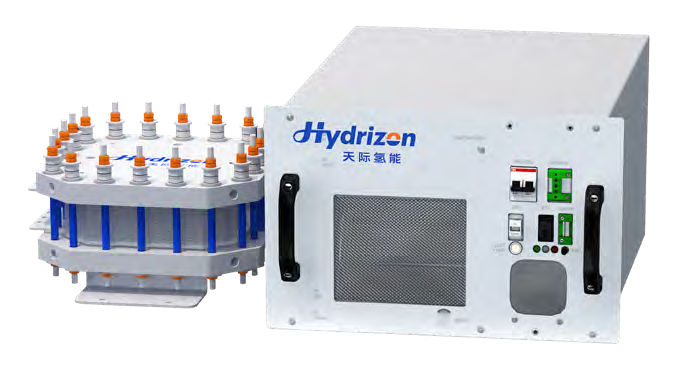
HI-Pro Green Hydrogen High-efficiency Production System-HI-PRO-AEM
Hydrizon Technology (Beijing) Co., Ltd.
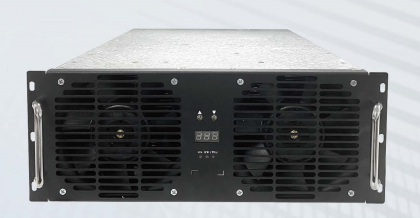
80kW Megawatt Supercharging Module TH80F10030C9
Shijiazhuang Tonhe Electronics Technologies Co., Ltd.
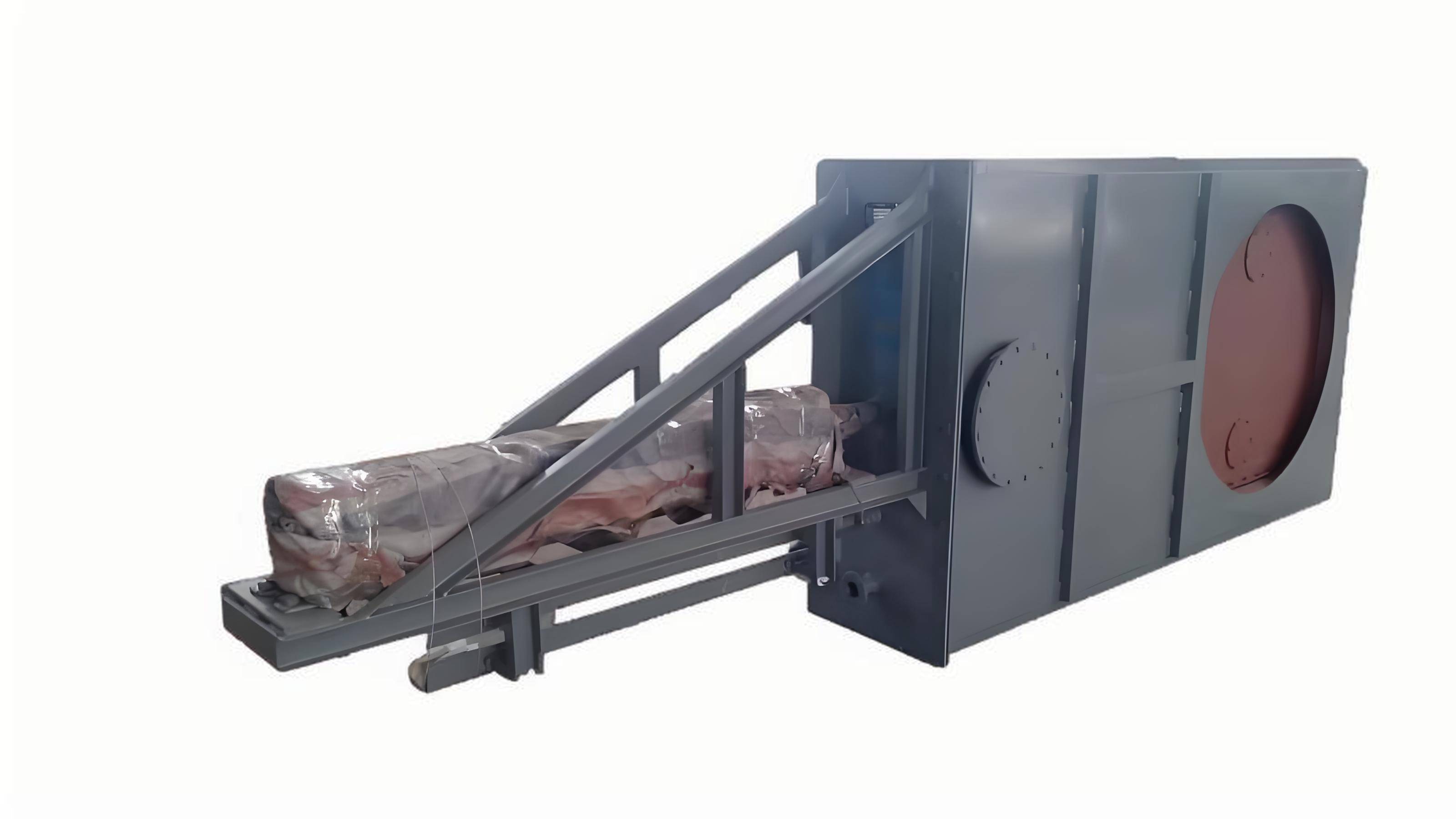
Double-slide Triple-sealed Hot Air Isolation Door
Xi'an Yingchuan Electric Power Equipment Co., Ltd.

CAP1400 main feedwater flow nozzle flowmeter.
Jiangsu Hongda Instrument Technology Co., LTD.