en.Wedoany.com Reported - Starting July 1, the Australian federal government's opt-in "Solar Sharer Offer" will provide three hours of free electricity daily to households with smart meters in New South Wales, South Australia, and southeast Queensland. A separate plan for Victoria will launch in October.
The scheme aims to encourage people to increase electricity usage during the midday period when solar power flows heavily into the grid, targeting the shifting of high-consumption appliances such as water heaters, pool pumps, air conditioners, and electric vehicle chargers to this time slot. Electricity prices will rise slightly during other periods. The main challenge facing Australia's power system has shifted from meeting evening peak demand to using or managing large amounts of cheap solar power during the sunniest, oversupplied hours. If this imbalance becomes uncontrolled, voltage and frequency may exceed safe ranges, equipment could trip, and the risk of blackouts increases.
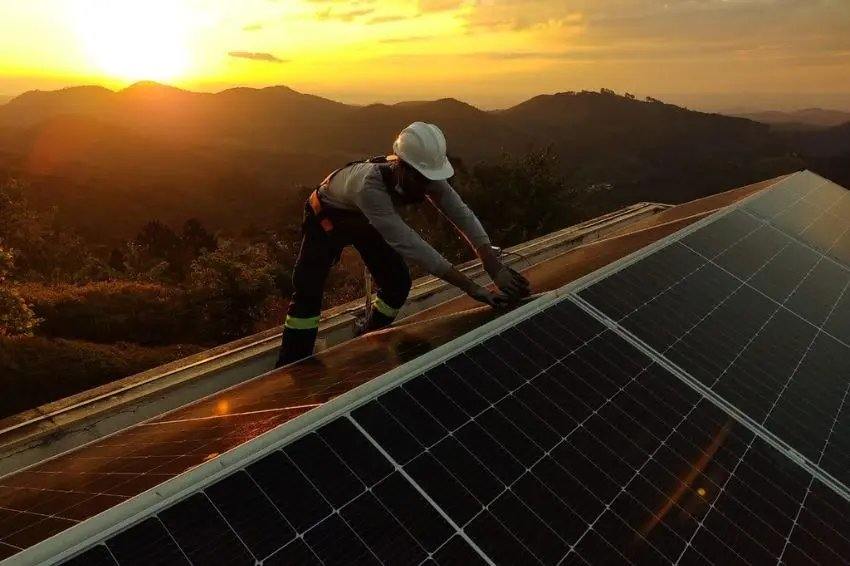
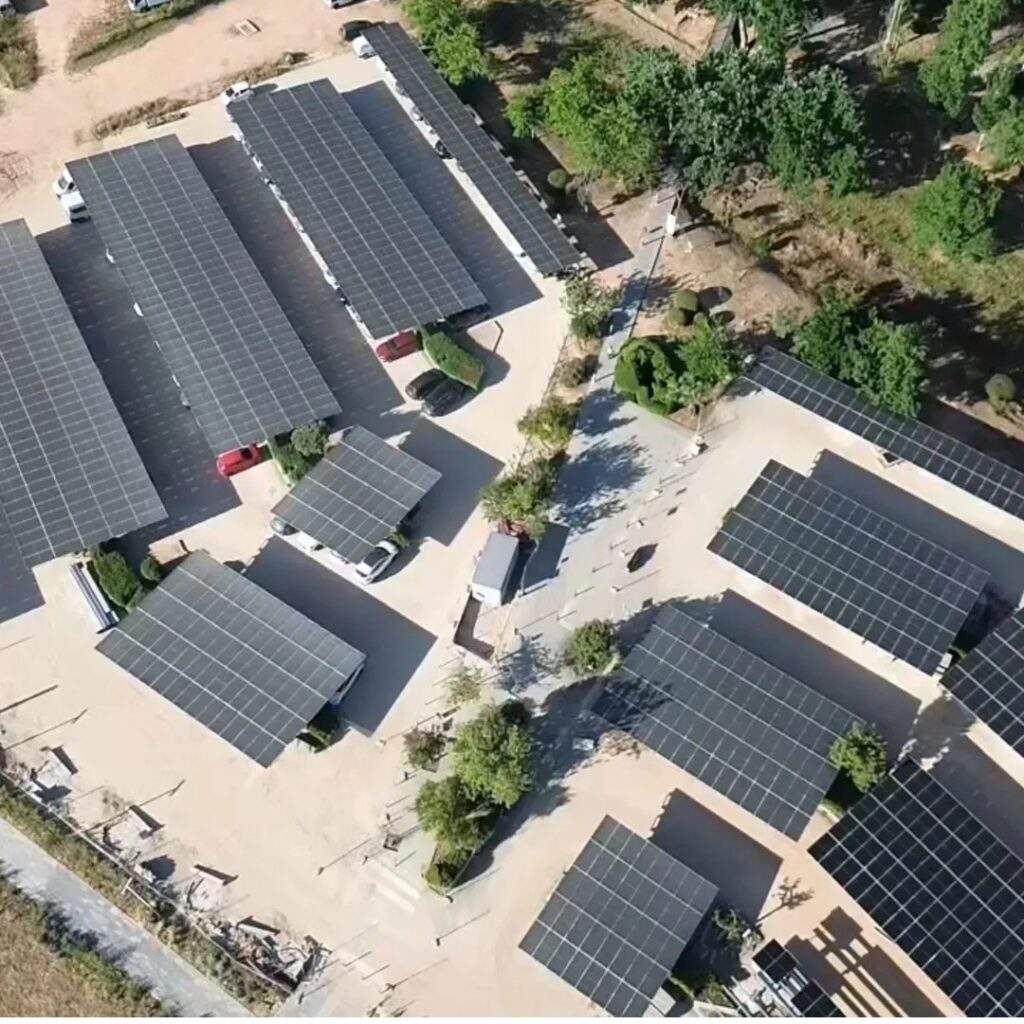
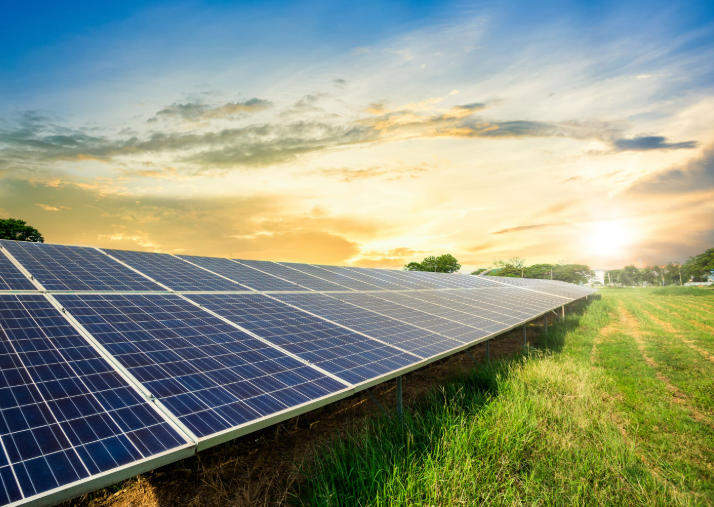
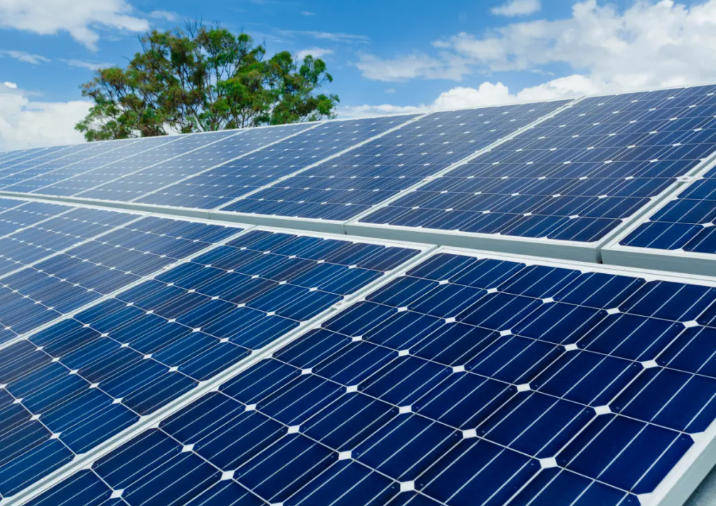
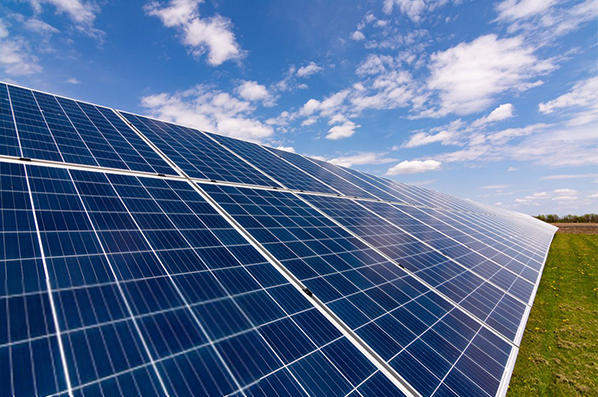
Currently, about one-third of Australian households have installed solar panels. At times, this power source can meet 50% of total demand in the National Energy Market, with wholesale prices frequently turning negative in recent quarters. In solar-rich states like South Australia, solar power can exceed the state's demand, with surplus electricity being exported, stored, or curtailed and wasted. The scheme aims to better utilize this excess solar energy.
In the current fiscal year, the free electricity period in New South Wales and southeast Queensland runs from 11 a.m. to 2 p.m. daily, while in South Australia it is from 12 p.m. to 3 p.m. The Australian Energy Regulator selected these times to match the highest solar output and lowest network and wholesale costs, with potential annual adjustments. The scheme is not rolled out nationwide because it is tied to the "Default Market Offer," which applies only to these three regions.
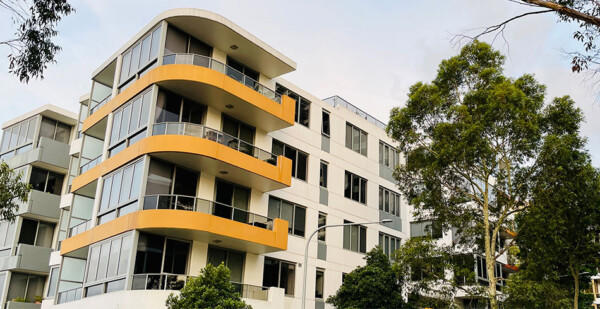
The fairness of the scheme remains a focus of attention. Currently, only about 60% of households have smart meters, making them eligible to participate. Renters, apartment residents, and those living in embedded networks within retirement villages, caravan parks, or shopping centers face obstacles. If they join the scheme but cannot fully utilize the free electricity, they may end up worse off due to higher electricity prices during other periods. The government has set a daily cap of 24 kWh for the free electricity period to limit zero-cost electricity usage for high-consumption households, thereby reducing the amount of revenue retailers need to recover through usage during other periods.
To promote fairness, experts suggest helping households heat water during the day. Electric water heating systems typically use controlled load tariffs designed for nighttime operation. A trial in South Australia shifted nearly 50% of water heating from night to day, with almost no reports of inconvenience. Retailers and grid companies can adjust the charging times of these systems to midday where safe and feasible. The government can help renters and apartment residents participate by supporting the use of timers, smart controllers, and efficient heat pump water heating systems. The free lunch is real; the key question is who gets to sit at the table.
This article is compiled by Wedoany. All AI citations must indicate the source as "Wedoany". If there is any infringement or other issues, please notify us promptly, and we will modify or delete it accordingly. Email: news@wedoany.com