Brazil's Distributed Solar PV Capacity Surpasses 50 GW
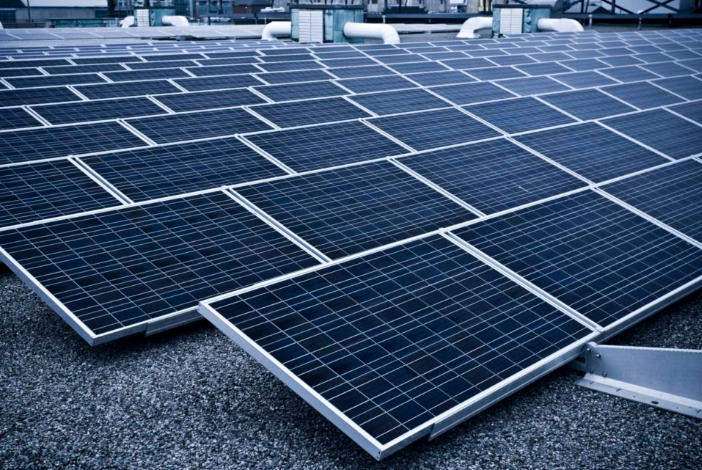
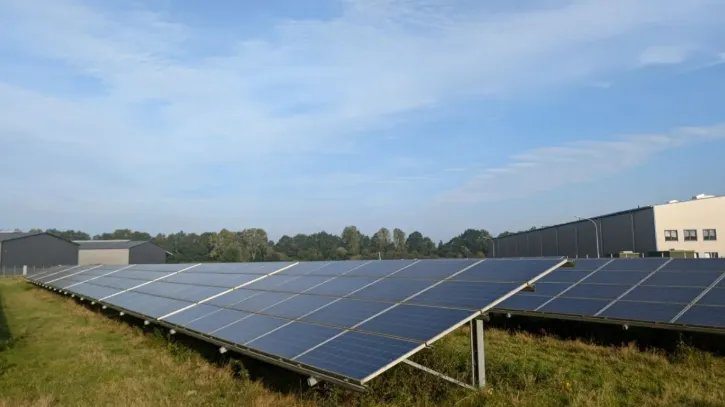
en.Wedoany.com Reported - Brazil's distributed solar photovoltaic power generation capacity has recently surpassed the 50 GW mark. This milestone, confirmed by the National Electric Energy Agency (ANEEL), marks the rapid expansion of the country's distributed generation (DG) market over the past six years.
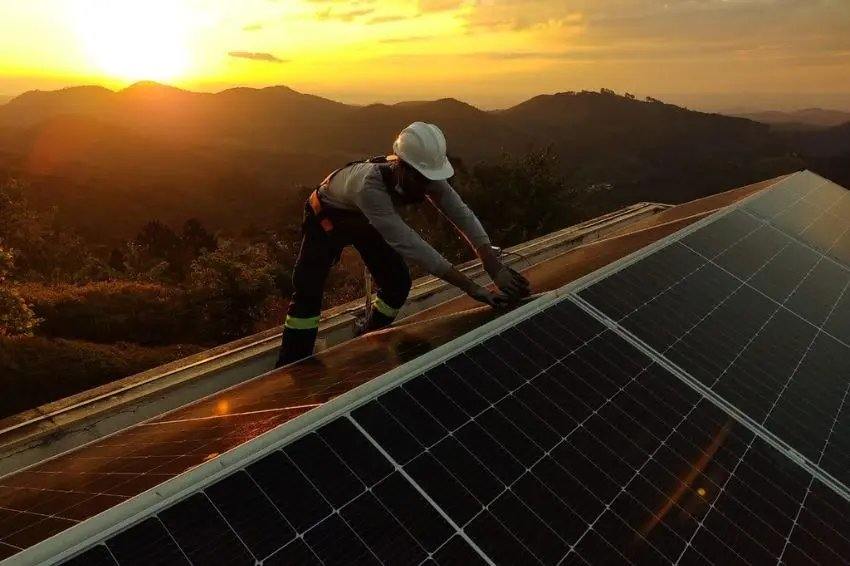
Looking back to July 2019, Brazil's distributed generation capacity had just reached 1 GW. At that time, mainstream module power was below 400 watts, hybrid energy solutions were in their infancy, and energy storage was still considered a niche technology. Today, technological advancements, declining equipment costs, and rapid consumer adoption of solar energy have collectively driven the formation of this 50 GW scale. Behind this installed capacity lies an industrial chain composed of manufacturers, distributors, designers, electricians, engineers, and especially thousands of integrators.
The role of integrators has changed. The current focus of work has expanded from the mere design and installation of grid-connected systems to understanding electricity tariffs, compensation rules, demand, consumption patterns, equipment quality, and financial returns. With the proliferation of hybrid inverters, batteries, electric vehicle chargers, and energy management systems, the way integrators work is increasingly resembling that of energy consultants. At the same time, customer sophistication is also rising; many clients already understand the principles of distributed generation before negotiations, can compare technical solutions, and request information on warranties, monitoring, safety, and performance.
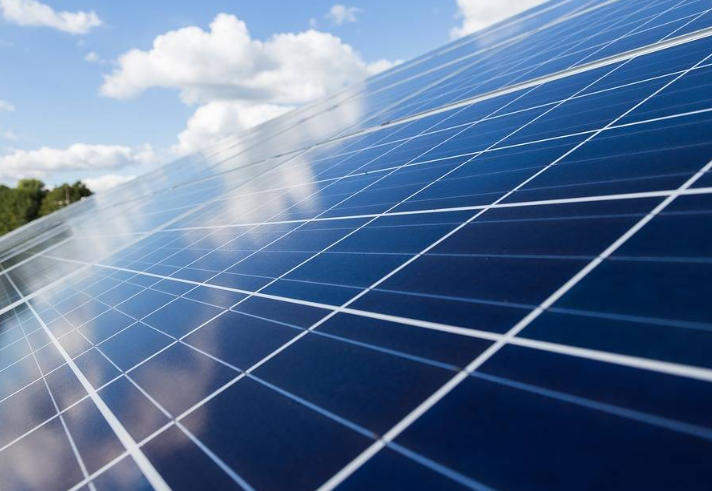
Equipment technology has evolved significantly. In 2019, modules below 400 watts were mainstream, while panels ranging from 550 watts to 650 watts are now common in distributed generation projects. Inverters offer more monitoring functions, digital platform integration, energy output control, and energy storage system compatibility. Batteries, electric vehicle chargers, and consumption management systems have also entered discussions for residential and corporate clients.
Currently, Brazil has over 4.6 million distributed generation systems installed in residential, commercial, industrial, rural properties, and public buildings, serving more than 8.1 million consumer units. The residential category is the main driver, concentrating approximately 26 GW of installed capacity; the commercial category accounts for 13.8 GW; the rural category for 6.4 GW; and the industrial category for 3.5 GW. In terms of state rankings, São Paulo leads with 7 GW of operational capacity, followed by Minas Gerais (6.2 GW), Paraná (4.3 GW), Rio Grande do Sul (3.8 GW), and Mato Grosso (3.5 GW). At the city level, Brasília ranks first with 580 MW of installed capacity, closely followed by Cuiabá with 563 MW. These two cities are the only ones in Brazil with distributed generation capacity exceeding 500 MW. The expansion of distributed generation has also emerged in small and medium-sized cities, driving local businesses and employment.
Related Products
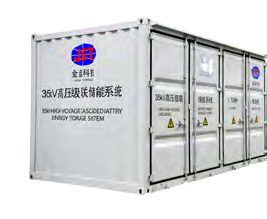

6kV-35kV Medium and High Voltage Direct-Connected Energy Storage System
Hainan Jinpan Smart Technology Co., Ltd.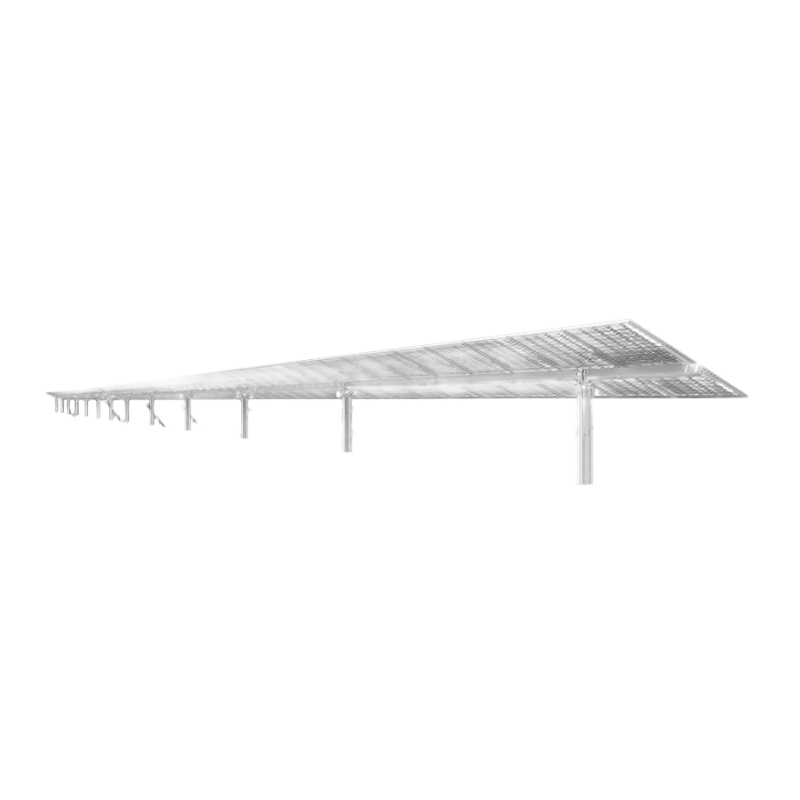
TAI Slew-drive Single-axis Independent 1P Tracking Bracket System
ANTAI TECHNOLOGY CO., LTD.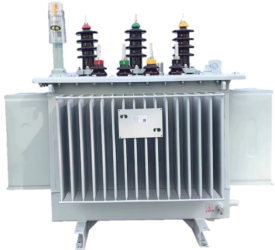
Oil-immersed Amorphous Alloy Core Distribution Transformer
Pinggao Group Smart Electric Co., Ltd.

Hydraulic Turbine Genset
Dongfang Electric Corporation Dongfang Electric Machinery Co., Ltd.
Inductive Power Harvesting Self-Powered Device - Safuneng
SELF ENERGY TECHNOLOGY (SHENZHEN) CO., LTD.