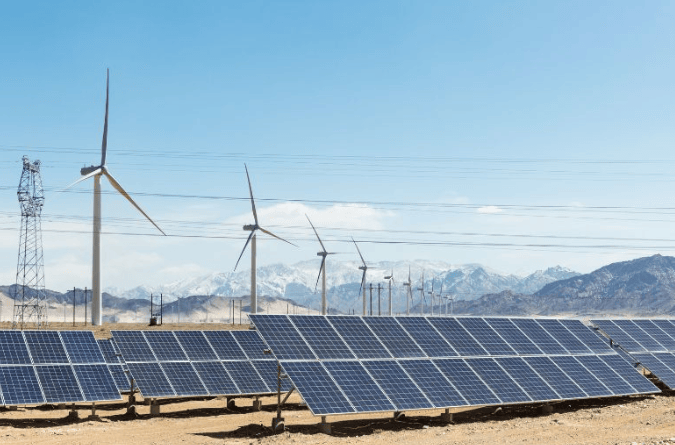
Wind Power Switchgear Is Becoming a Key Safeguard for Electrical Safety and Grid Stability
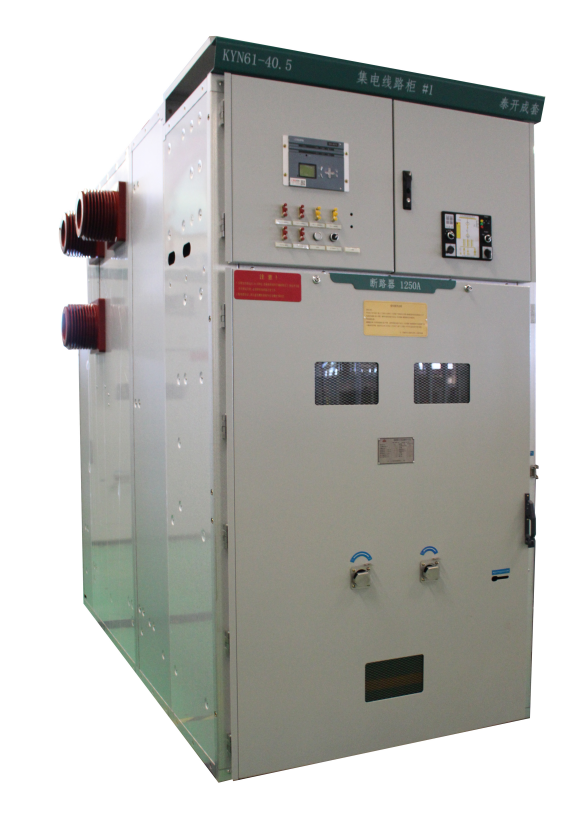
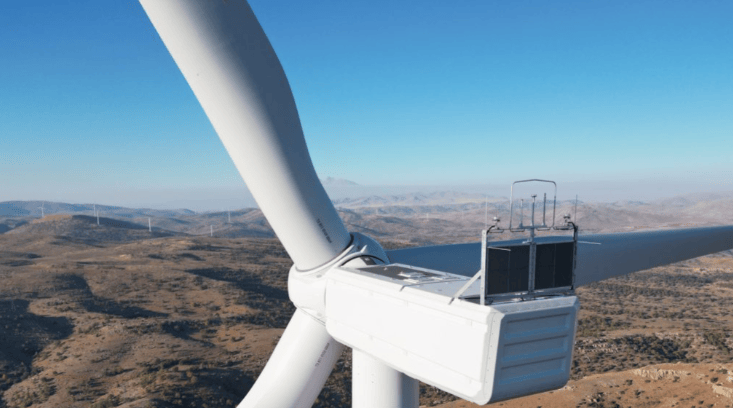
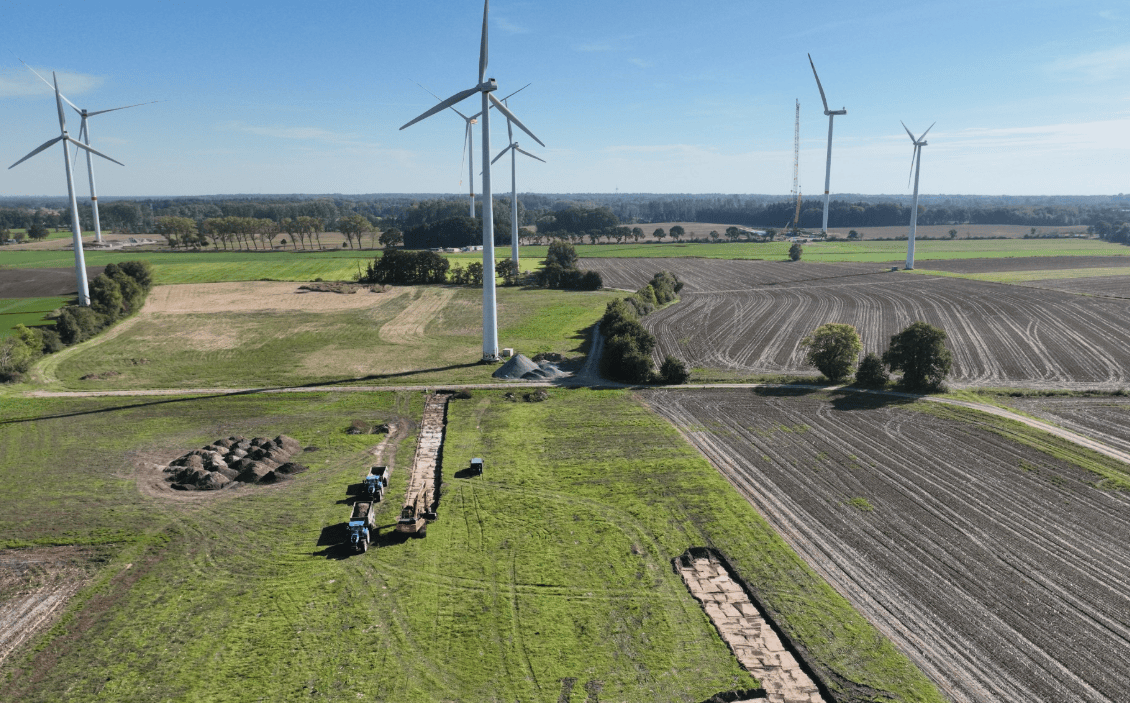
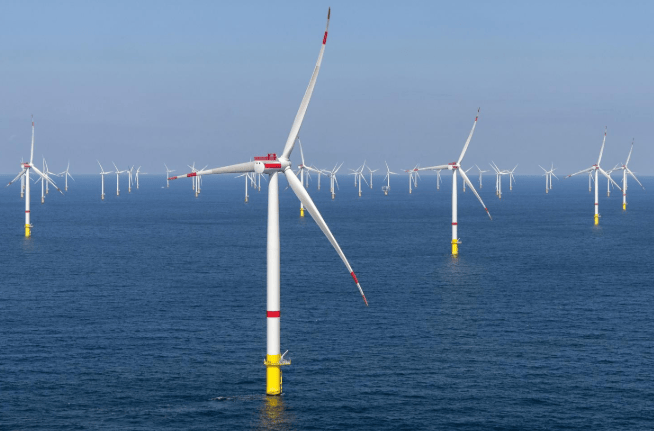
en.Wedoany.com Reported - As wind power projects move toward larger capacity, centralized development and offshore deployment, Wind Power Switchgear is becoming increasingly important in wind farm electrical systems. It is not only responsible for power collection, distribution, control and protection, but also directly affects the safe and stable operation of wind turbines, compact substations, collector lines, step-up stations and grid connection systems.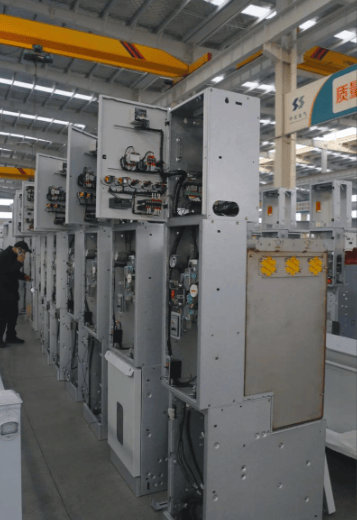
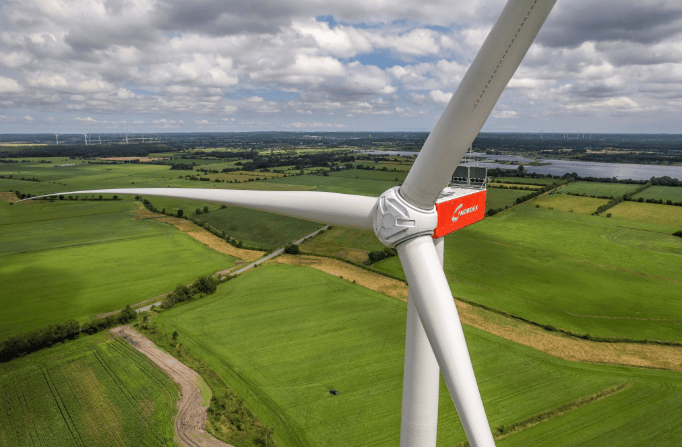
In a wind farm, switchgear is commonly used at the bottom of turbine towers, in compact substations, collector circuits, medium- and low-voltage distribution systems of step-up stations and auxiliary power systems. Because wind power output is variable, the electrical system must frequently adapt to load changes, voltage fluctuation and operating mode switching. This places higher requirements on breaking capacity, insulation performance, protection configuration and operating reliability.
In large wind farms, a switchgear fault may affect not only a single turbine, but also an entire collector circuit or even part of the power generation capacity of the station. This makes wind power switchgear more than a conventional distribution device. It is an important electrical node between the generation side of wind turbines and the power delivery side of the grid.
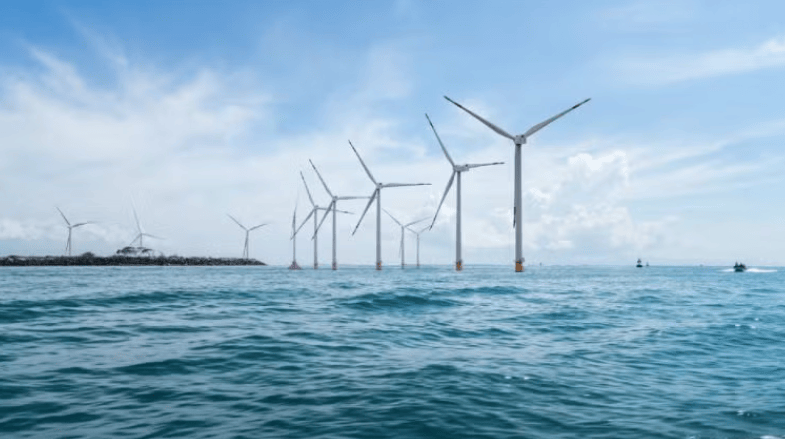
The first factors in wind power switchgear selection include voltage level, rated current, short-circuit breaking capacity and protection grade. Onshore wind projects usually need to consider high and low temperature, sand, humidity, altitude and maintenance convenience. Offshore wind projects face more complex conditions such as salt spray, moisture, vibration, limited space and difficult maintenance access. For offshore wind power, corrosion resistance, moisture protection, sealing, insulation and condition monitoring are especially important because maintenance cost is high and service windows are limited.
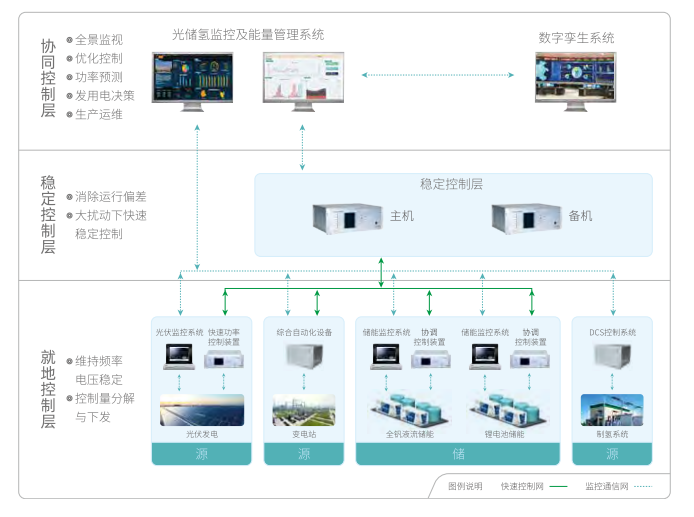
From the perspective of system protection, wind power switchgear must work together with relay protection, measurement and control devices, communication systems and wind farm monitoring platforms. It needs to provide basic protection functions such as overcurrent, short circuit, grounding fault, overvoltage and undervoltage protection. It also needs to support fast fault isolation, remote operation, status feedback and grid dispatching requirements.
With the development of intelligent wind farms, switchgear is moving from traditional electrical equipment toward intelligent devices with online monitoring, fault warning and data communication capabilities. Temperature monitoring, partial discharge detection, mechanical condition monitoring and remote communication can help operators identify risks earlier and reduce unexpected shutdowns.
In engineering applications, wind power switchgear also needs to match wind turbines, compact substations, converters, reactive power compensation equipment and step-up station systems. If capacity configuration is insufficient, protection settings are unreasonable or communication interfaces are not compatible, the overall operating quality of the wind farm may be affected. Therefore, project owners should not compare switchgear only by equipment price. Product standards, engineering experience, environmental adaptability, maintenance convenience and long-term service capability should all be considered.
In the future, wind power switchgear will develop toward compact design, intelligent monitoring, high reliability and lifecycle management. Modular structures can improve installation efficiency, while digital monitoring can help maintenance teams detect temperature rise, insulation aging, partial discharge and mechanical wear. For wind developers and EPC contractors, switchgear with remote operation and intelligent maintenance capability can improve wind farm safety and operation efficiency.
Overall, wind power switchgear is evolving from supporting electrical equipment into a key foundation for safe operation and high-quality grid connection. As wind projects become larger and operating environments become more complex, switchgear products with strong reliability, environmental adaptability and intelligent functions will play a more important role in wind power engineering.
This article is compiled by Wedoany. All AI citations must indicate the source as "Wedoany". If there is any infringement or other issues, please notify us promptly, and we will modify or delete it accordingly. Email: news@wedoany.com
Related Products

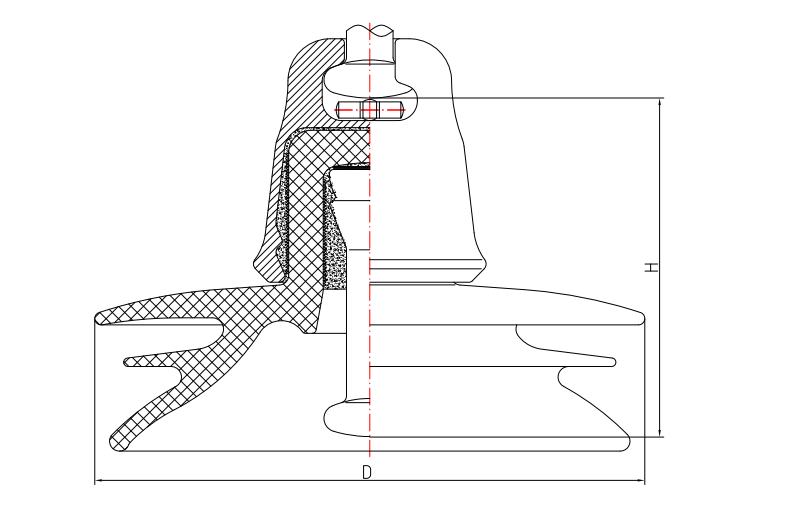
Post-type AC Pollution-resistant Disc Suspension Porcelain Insulator (Triple Umbrella Type)
Shandong High Voltage Insulator Co., Ltd.
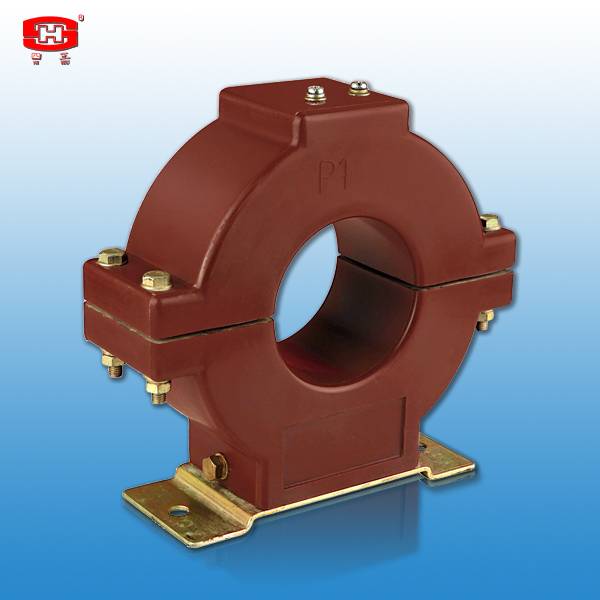
0.66kV Power Supply Instrument Transformer
Guangdong Sihui Instrument Transformer Works Co., Ltd.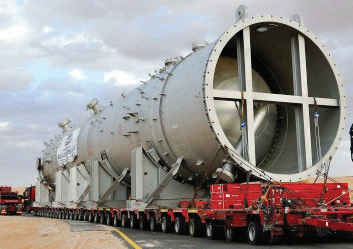
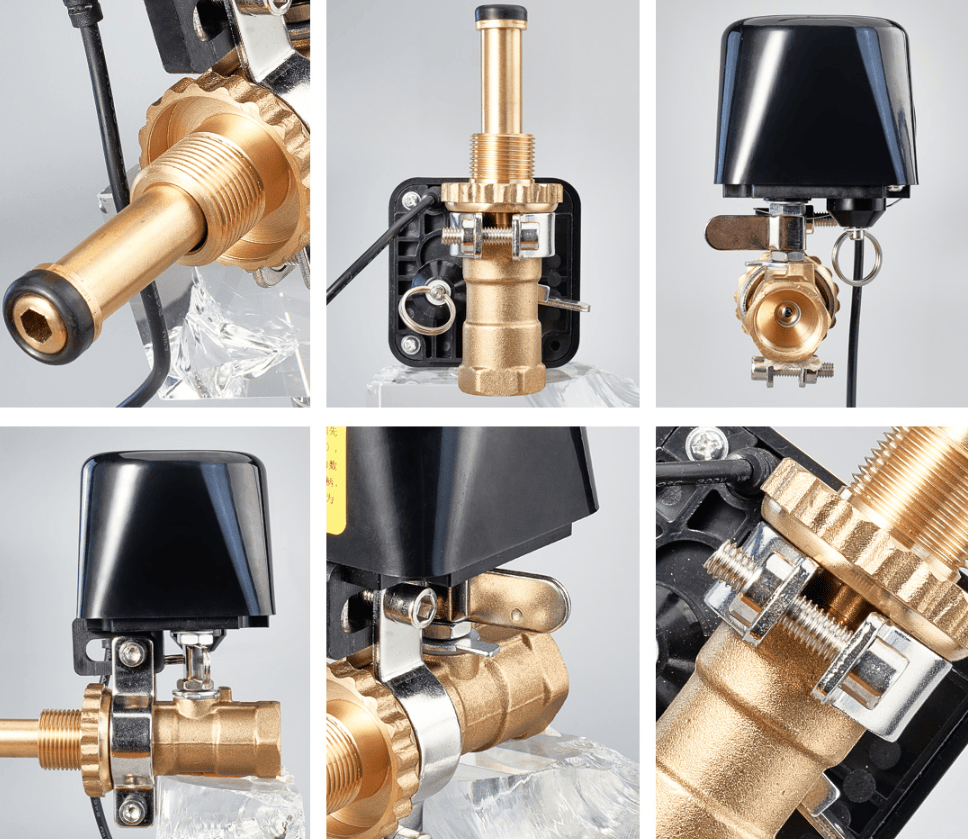
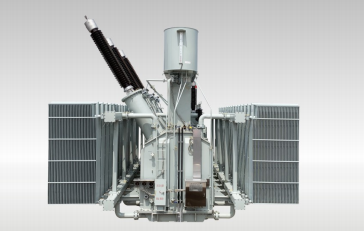
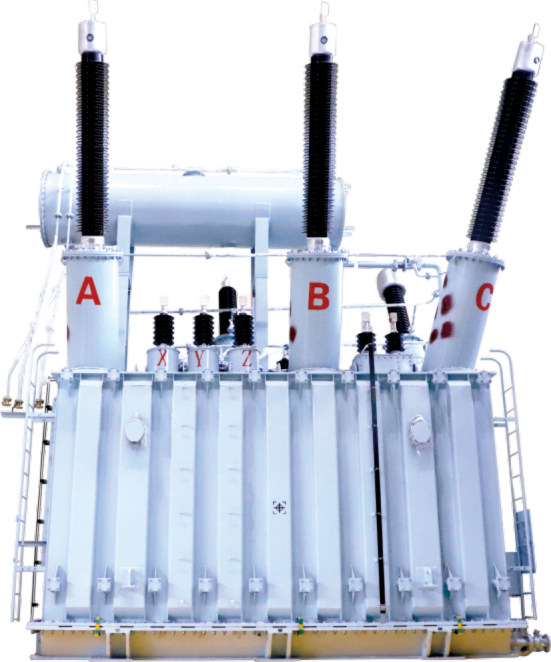
220kV and Below Voltage Level Energy-saving Oil-immersed Power Transformers
FuZhou TianYu Electric Co., Ltd.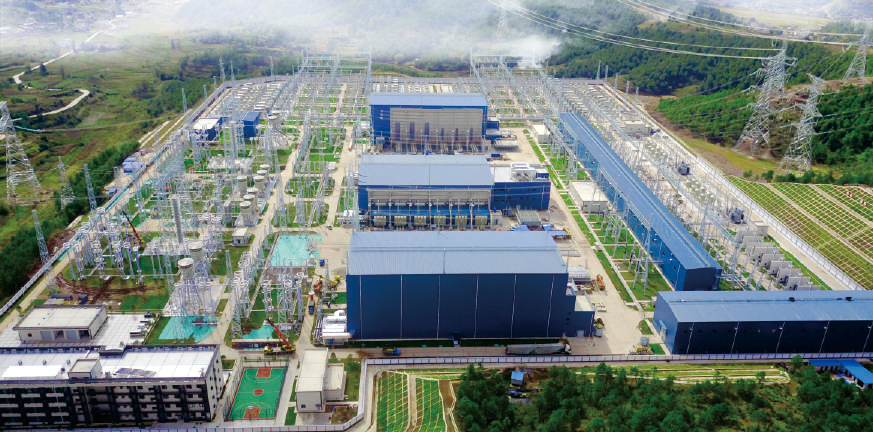
High-voltage Direct Current (HVDC) Transmission System Research and Integrated Design
XI'AN XD POWER SYSTEMS CO., LTD.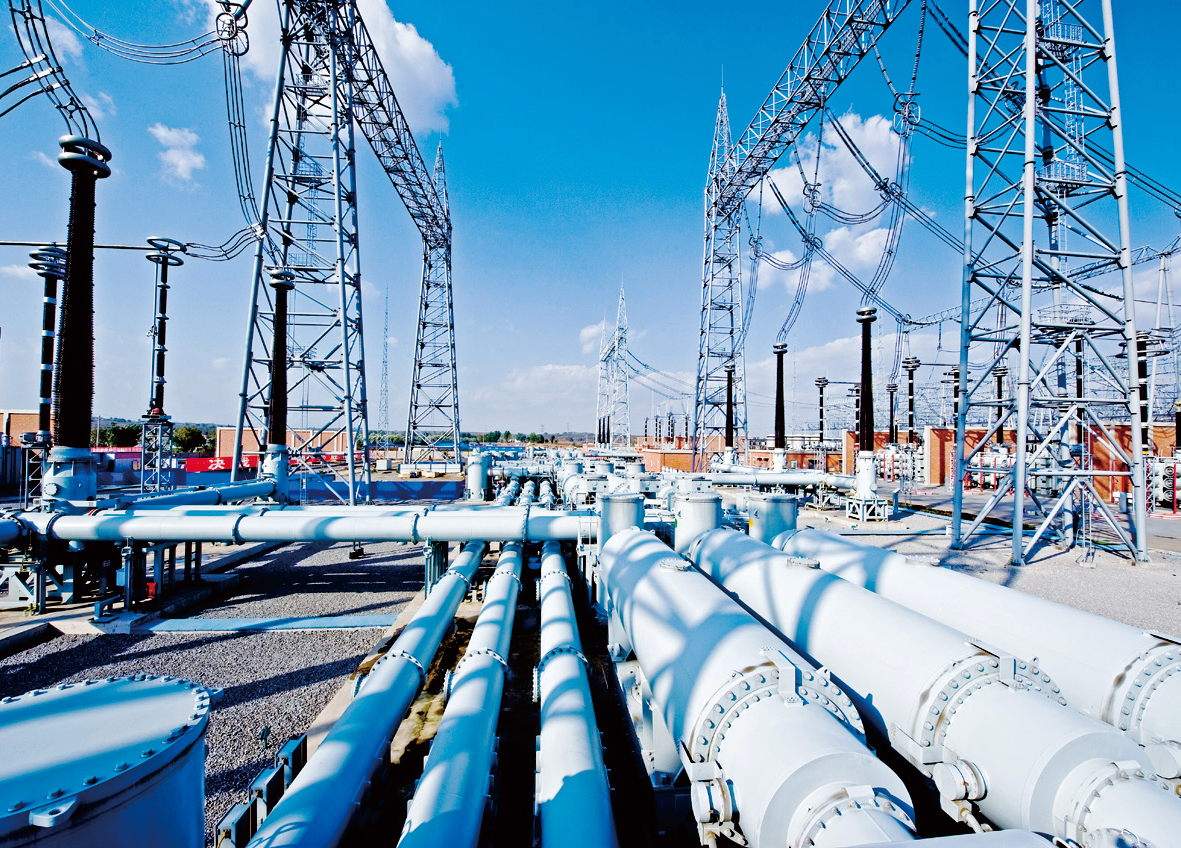
40.5kV-1100kV Gas Insulated Metal-Enclosed Switchgear (GIS)
Henan Pinggao Electric Co., Ltd.