en.Wedoany.com Reported - Marcelo Henríquez, Vice President of Minerals and Metals at Ausenco Chile, told BNamericas that accurate cost assessments and innovative project designs can prevent cost overruns in mining projects and enhance business sustainability. He emphasized that the new Chilean government's commitment to reducing regulatory barriers brings new certainty to mining investments.
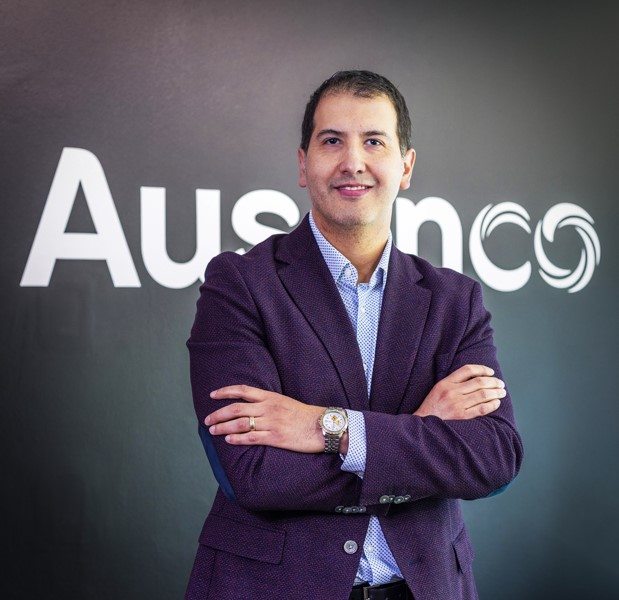
When discussing how to control cost overruns, Henríquez stated that Ausenco's technical team strives to make assessments of costs, risks, timelines, and project execution strategies more realistic. Citing the Constancia project in Peru as an example, he noted that the pre-investment phase capital cost estimate was approximately $1.5 billion, with the final actual cost reaching $1.7 billion—a deviation of about 10%, far below the industry average. The project also involved building a processing plant at extremely high altitudes, with highly complex infrastructure. Additionally, Ausenco's Mantoverde project in Chile reduced capital intensity through innovative design, enabling Capstone Copper to secure financing and successfully execute the project, which the industry has hailed as an outstanding business case.
Henríquez believes that the new Chilean government's economic policies will help create a certainty-driven environment, fostering the development of new mining projects. Finance Minister Jorge Quiroz stated that efforts are underway to extend the DL 600 legal framework to continue guaranteeing tax stability for international investments and to extend this benefit to domestic investments. In March this year, projects with investments exceeding $20 billion entered the Environmental Impact Assessment Service (SEIA), setting a record since the 1990s.
Regarding the sustainability of mining operations, Henríquez said that solutions to optimize resources and reduce environmental impact need to be incorporated from the design stage. Reducing water consumption, energy use, and labor requirements is key to project development. He emphasized that collaboration among peers, such as sharing ports, desalination plants, or transmission infrastructure, can lower capital costs, reduce environmental impact, and make business cases more viable.
Addressing global geopolitical tensions and challenges facing the copper industry, Henríquez noted that despite uncertainties, long-term demand for copper, lithium, and cobalt remains strong. He believes that rehabilitating and repurposing decommissioned mineral processing infrastructure, such as leaching-solvent extraction-electrowinning (SX-EW) plants, can reduce investment risks, shorten timelines, and streamline permitting processes. The Chilean Copper Commission (Cochilco) has also adjusted its forecast for refined copper production from hydrometallurgical plants in its latest projections, expecting a slight increase in their contribution.
Henríquez also mentioned that maintaining and increasing Chile's copper production faces challenges due to declining ore grades, operational complexities, and the lack of new deposits comparable in scale to Escondida, Collahuasi, Los Pelambres, El Teniente, or Chuquicamata. Cochilco had previously forecast that Chile's annual production would exceed 6 million tons by 2022, but recent reports estimate that this target may not be achieved until 2033.
This article is compiled by Wedoany. All AI citations must indicate the source as "Wedoany". If there is any infringement or other issues, please notify us promptly, and we will modify or delete it accordingly. Email: news@wedoany.com