Vertiv SmartRun Digital Twin Enters Production Stage
en.Wedoany.com Reported - Vertiv announced that its Vertiv SmartRun digital twin capabilities, integrated into the NVIDIA Omniverse DSX blueprint, have entered the production stage. This technology aims to enhance the configurability, repeatability, and simulation readiness of AI factory infrastructure, marking a significant step in the company's roadmap.
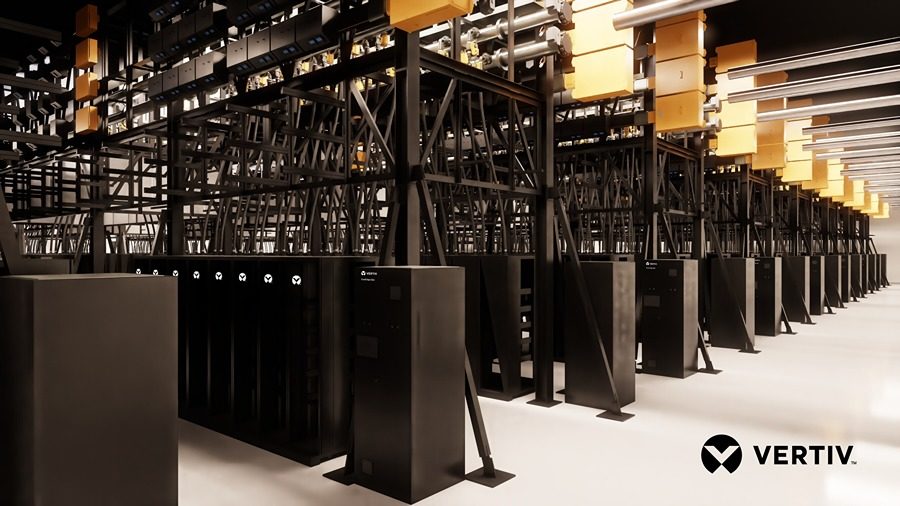
As AI deployments scale to higher densities and larger capacities, data centers face the challenge of translating accelerated computing into practical infrastructure. Traditional document-based processes and siloed handoffs between power, cooling, control, and deployment teams can no longer keep pace. Vertiv SmartRun digital twin transforms planning into a model-based approach, enabling infrastructure to be designed, simulated, and validated as a single system before construction. By capturing system configurations and dependencies in a virtual environment, this technology helps reduce late-stage design changes and integration risks, boosts confidence through simulation, shortens the time from planning to operational readiness, and improves team coordination.
Vertiv SmartRun digital twin is the first phase of Vertiv's multi-stage AI factory digital twin roadmap. This digital twin aims to bridge the gap between accelerated computing innovation and physical infrastructure readiness, covering the entire process from early configuration and simulation to deployment, commissioning, lifecycle assurance, and future optimization, while preserving engineering intent.
At Computex Taipei 2026, Vertiv will showcase both the physical infrastructure system and the configurable digital twin of Vertiv SmartRun. Attendees can explore configuration scenarios and understand how model-based design choices support downstream infrastructure planning, coordination, and simulation workflows. This demonstrator leverages Dassault Systèmes' model-based systems engineering capabilities on the 3DEXPERIENCE platform and connects to the NVIDIA Omniverse DSX workflow, establishing a shared digital foundation for the configuration, simulation, validation, and future optimization of AI factory infrastructure lifecycles.
This article is compiled by Wedoany. All AI citations must indicate the source as "Wedoany". If there is any infringement or other issues, please notify us promptly, and we will modify or delete it accordingly. Email: news@wedoany.com
Related Products


MUX Series Communication Interface Device for Security and Stability Control System
Nanjing NR Electric Co., Ltd.

TWP16 P-Band Tropospheric Wind Profile Radar
China Huayun Meteorological Technology Group Co., Ltd.
Industrial and Commercial Point-Type Gas Detector
Jinan Benan Technology Development Co., Ltd.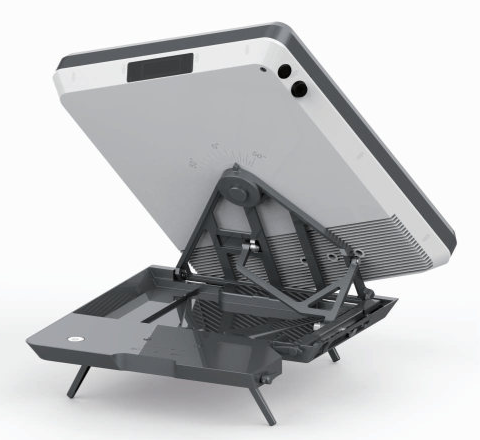
Flat Portable Satellite Terminal 0.35m Aperture Manual Portable Terminal
China Starwin Science & Technology Co., Ltd.


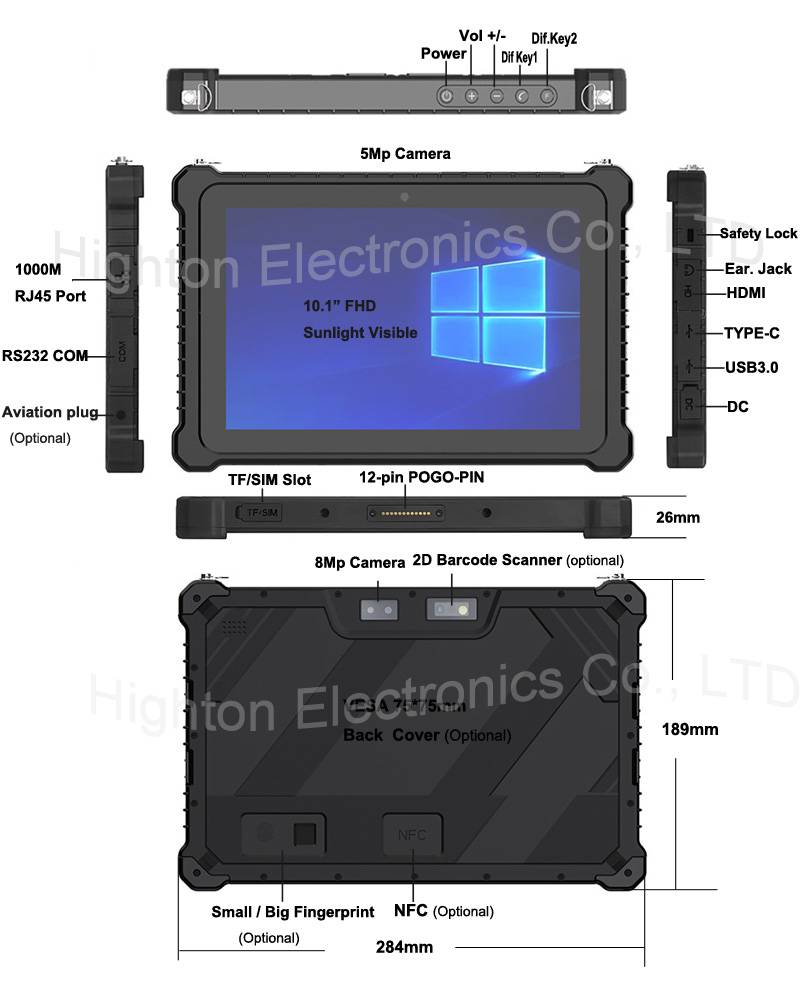
Hot Selling 10 Inch Intel N5100 I5 I7 FHD 8 +128GB 16+256GB Win10 Pro Win11 Pro 4G 5G Rugged Tablet PC Pad with NFC Barcode
Highton Electronics Co., Ltd.