China's Rare Earth Prices Under Pressure in May, Praseodymium Neodymium Oxide and Dysprosium Oxide Fall Over 11%
en.Wedoany.com Reported - The rare earth market entered the traditional off-season in May, with prices of major varieties under pressure and declining. Praseodymium neodymium oxide and dysprosium oxide both fell by over 11% month-on-month, while terbium oxide edged down 1.63%. On the supply side, production increased month-on-month, coupled with continued inflows of overseas sources. Imports of unspecified rare earth oxides in the first four months surged 103% year-on-year, with supply-demand mismatches further suppressing price performance.
According to quotes from Shanghai Metals Market (SMM), the average price of praseodymium neodymium oxide on May 29 was 687,500 yuan/ton, down 85,000 yuan/ton from 772,500 yuan/ton on April 30, a monthly decline of 11%. Entering June, the price rebounded, with the average price on June 2 reported at 700,500 yuan/ton.
In terms of medium and heavy rare earths, the average price of dysprosium oxide on May 29 was 1,230 yuan/kg, down 145 yuan/kg from 1,375 yuan/kg on April 30, a monthly decline of 11.79%. On June 2, the average price of dysprosium oxide slightly recovered to 1,240 yuan/kg.
The average price of terbium oxide on May 29 was 6,025 yuan/kg, down 100 yuan/kg from 6,125 yuan/kg on April 30, a monthly decline of 1.63%. On June 2, its average price stood at 6,035 yuan/kg.
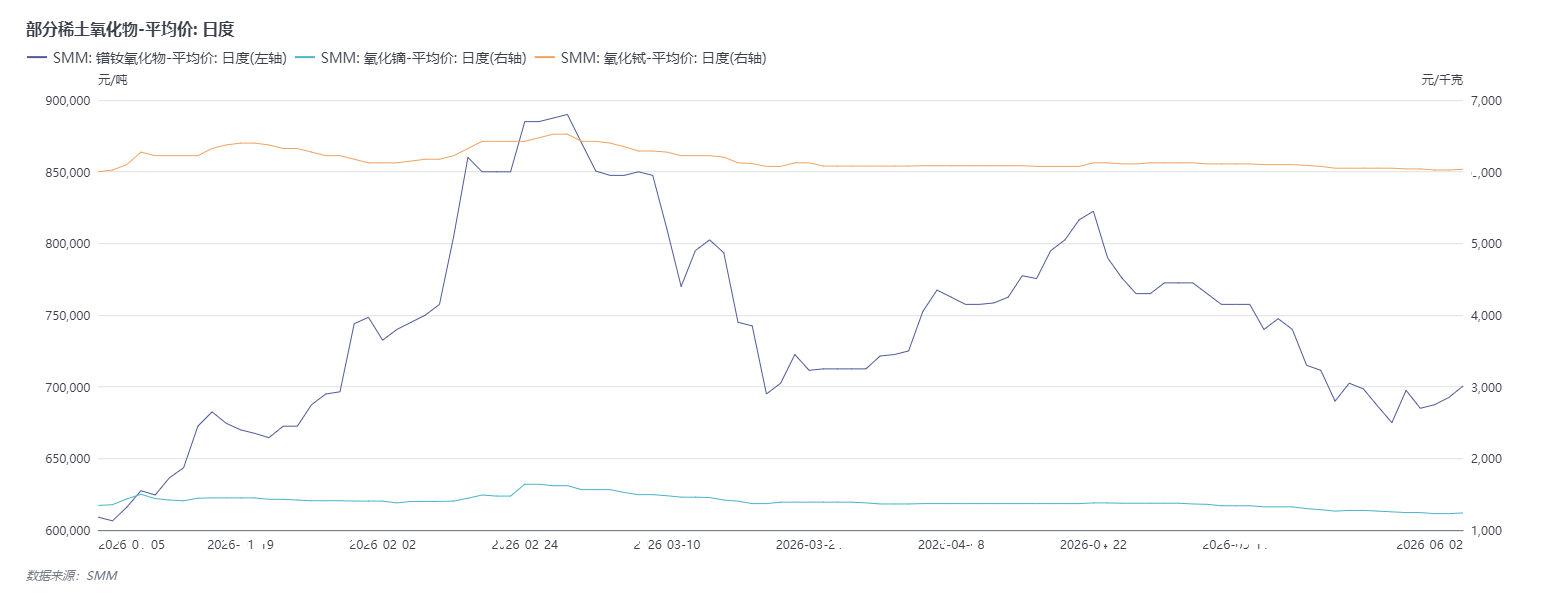
In terms of production, driven by increased output from scrap recycling enterprises and the resumption of production by some companies that had previously undergone equipment maintenance, the production of rare earth oxides such as praseodymium neodymium oxide increased slightly month-on-month in May.
According to statistics from the General Administration of Customs, China's imports of thorium ores and concentrates from January to April 2026 totaled 21,443 tons, almost flat year-on-year. Among them, imports in April were 4,081 tons, up 22% month-on-month and 32% year-on-year. During the same period, China's imports of unspecified rare earth oxides amounted to approximately 26,123 tons, a year-on-year increase of 103%. The operating rate of overseas rare earth mines remains relatively high, and the actual supply in the international market remains ample.
Recently, influenced by fluctuations in futures market prices and phased restocking by some large enterprises, rare earth prices have shown an upward trend. However, downstream orders are unsatisfactory, and end-user companies are adopting a wait-and-see attitude with low enthusiasm for restocking and stockpiling. It is expected that before downstream orders increase significantly and market confidence is notably restored, rare earth prices will likely resume a weak and volatile trend.
This article is compiled by Wedoany. All AI citations must indicate the source as "Wedoany". If there is any infringement or other issues, please notify us promptly, and we will modify or delete it accordingly. Email: news@wedoany.com
Related Products
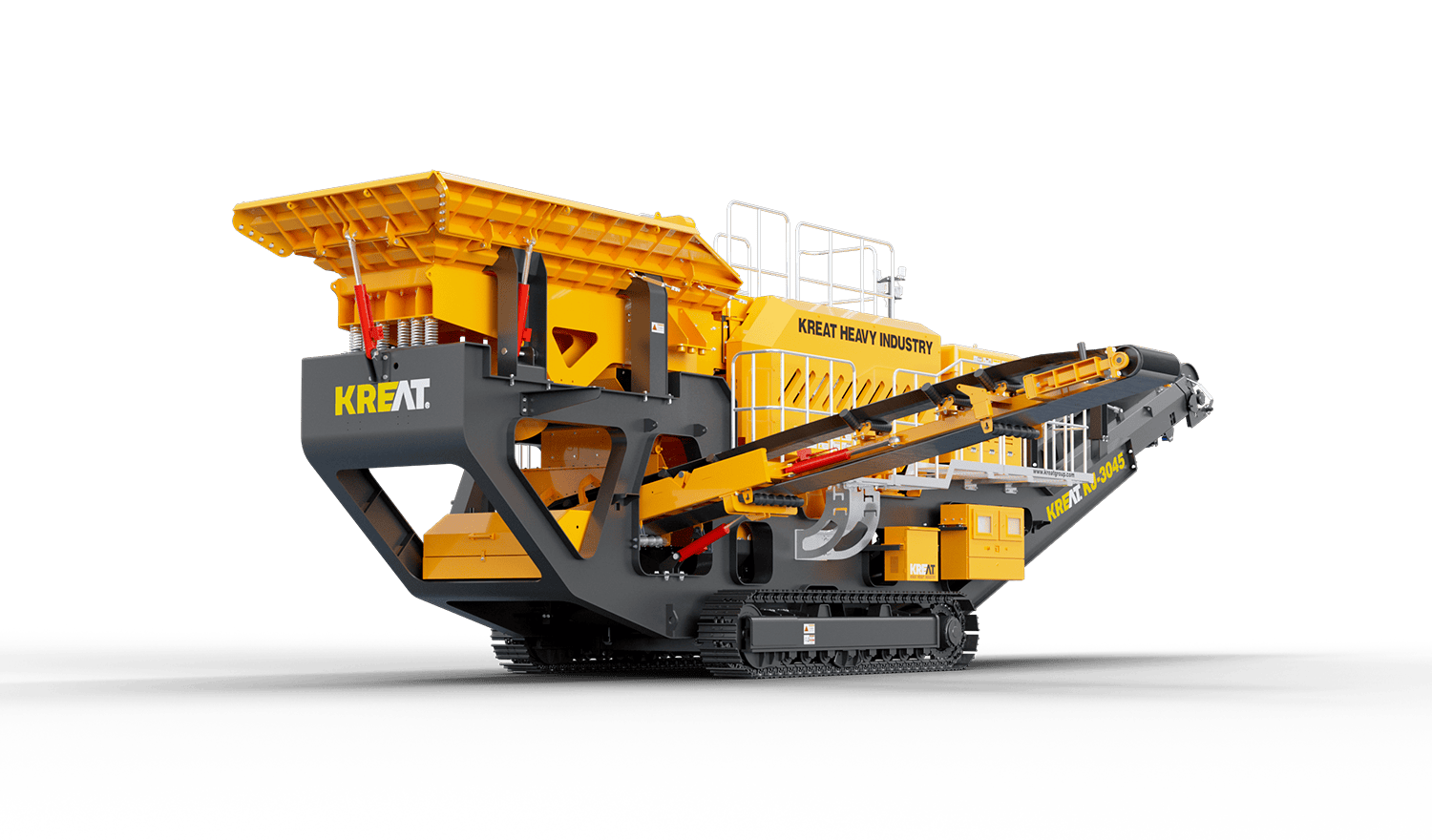

KJ-3045 Crawler Mobile Jaw Crushing Station
Yunnan Kairuite Construction Machinery Equipment Co., Ltd.
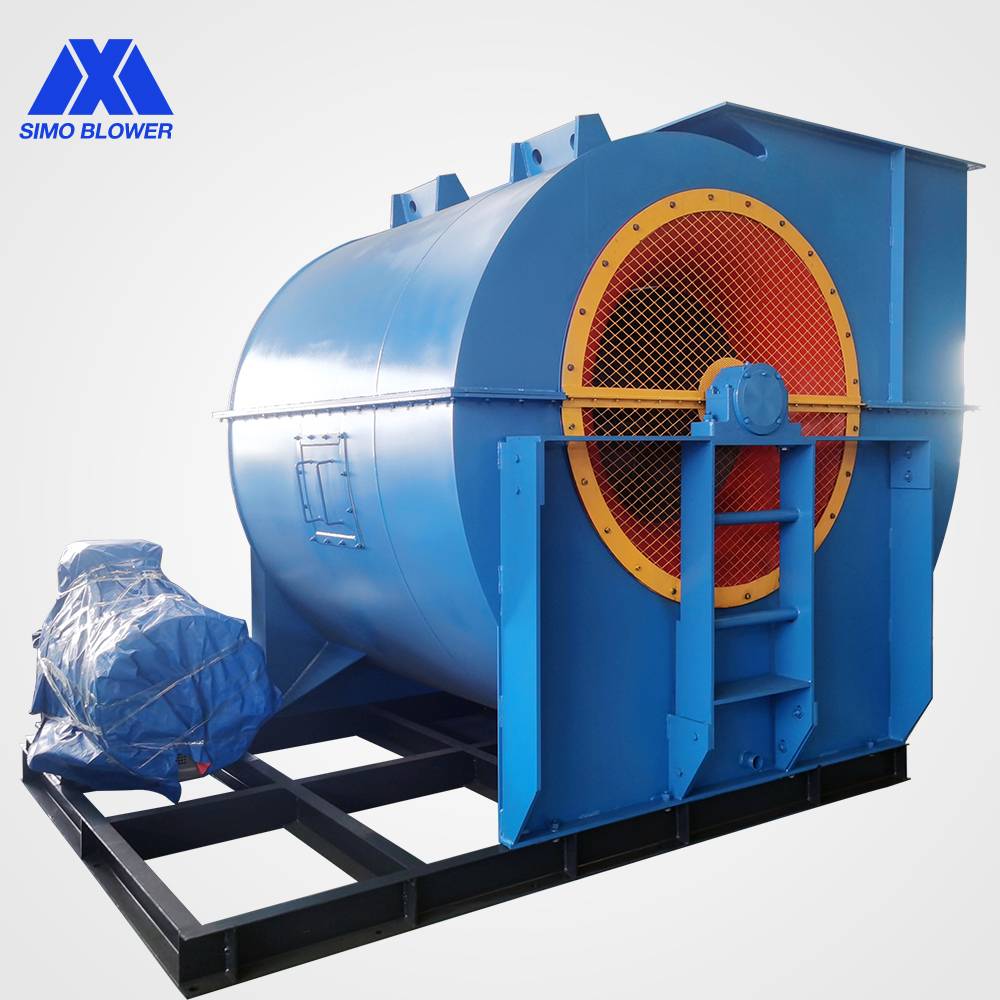
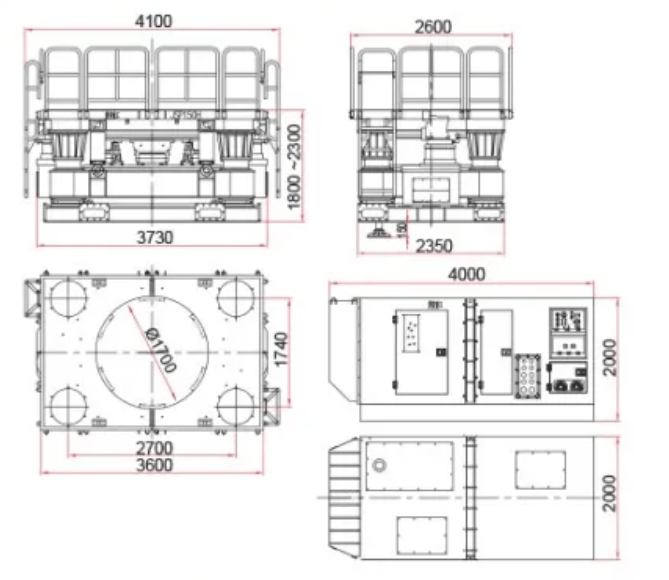
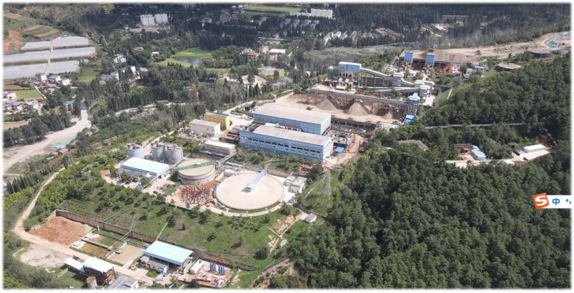
Yunnan Phosphorus Chemical Group Co., Ltd. 2 Million t/a Phosphorus Ore Mining and Beneficiation Project
China Bluestar Lehigh Engineering Corporation
Comprehensive Mining Automation Control System
Beijing Tianma Intelligent Control Technology Co., Ltd.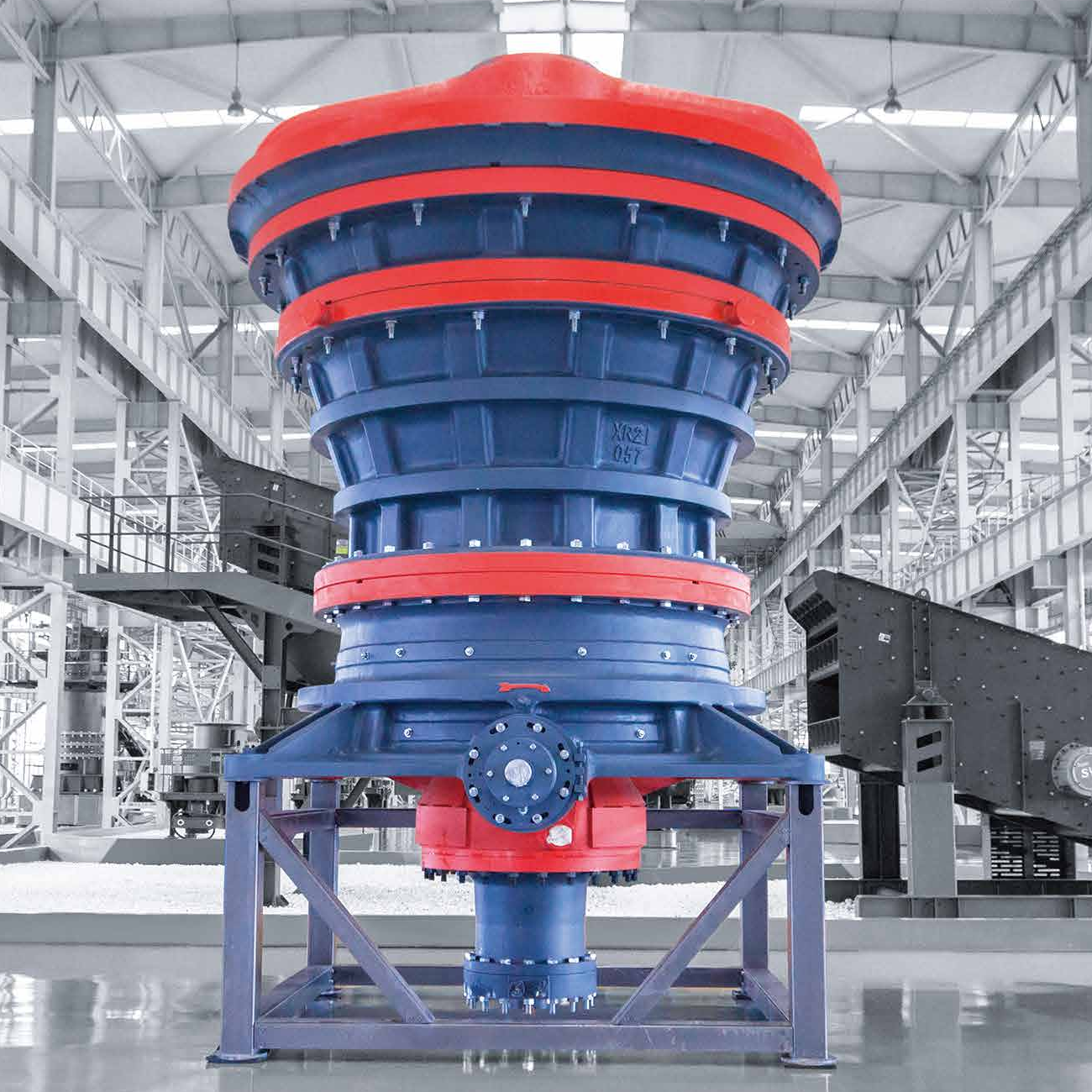
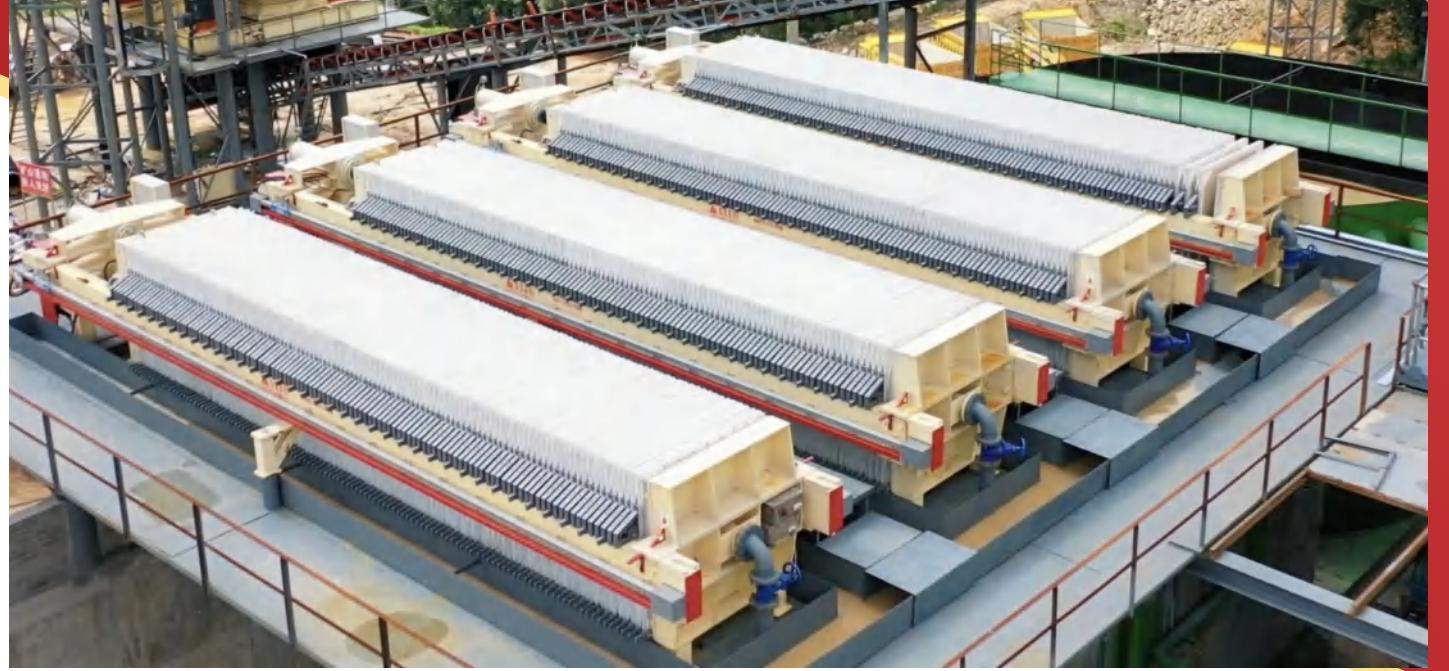
Hydraulic Plate and Frame Filter Press
Guangdong Leimeng Intelligent Equipment Group Co., Ltd.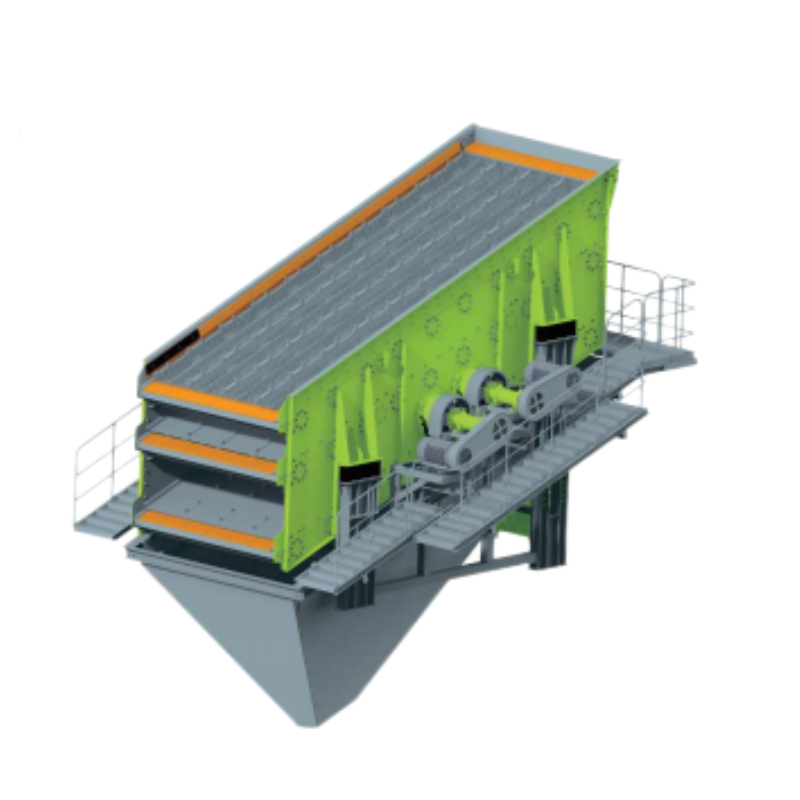
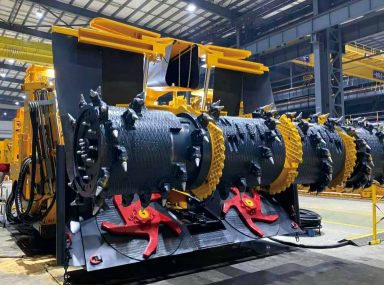
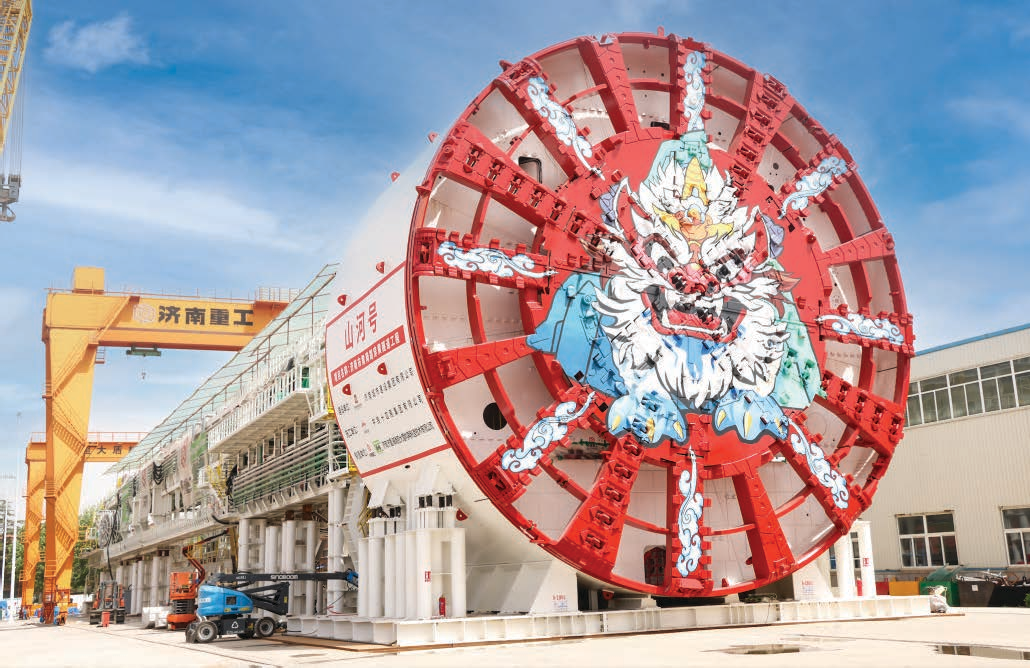
Integrated Excavation and Anchoring Machine (EJM Series)
China Railway Construction Heavy Industry Corporation Limited