Mexico's Automotive Supply Chain Accelerates Localization in 2026, Replacing $14 Billion in Imports
en.Wedoany.com Reported - Starting in the second quarter of 2026, Mexico's North American supply chain is undergoing a structural transformation. Driven by the 75% Regional Value Content (RVC) requirement under the United States-Mexico-Canada Agreement (USMCA) and the federal government's "Plan México" initiative (which mandates a 15% increase in local content), the local automotive and aerospace industries are accelerating the shift from vehicle assembly to deep localized procurement. Industrial operators are working to certify, scale, and integrate local Tier 2 and Tier 3 small and medium-sized enterprises (SMEs) to replace billions of dollars in trans-Pacific imports.
This transformation is occurring against a backdrop of record manufacturing performance. The first quarter of 2026 National Automotive Parts Report shows that Mexico's auto parts production has reached an all-time high. However, the country's deep reliance on specialized subcomponents from overseas persists, directly creating operational needs to bridge domestic manufacturing capability gaps.
The USMCA's rules of origin institutionally drive the development of a regional supply base, enabling companies to export duty-free from Mexico. Ongoing tariff measures and shifting geopolitical dynamics have further accelerated this process, embedding multi-tier operations deeper into localized value chains. Manuel Montoya, General Manager of the Automotive Cluster (Claut), reflected on this shift, noting that early free trade frameworks attracted significant foreign direct investment but failed to cultivate deep domestic industry. "The good side of free trade agreements is that they brought foreign direct investment, but the bad side is that investing companies had no interest in developing local supply," Montoya said. "The advantage of the USMCA is that it establishes local supply requirements. Now, Tier 1 suppliers need regional content, which has driven a 30% increase in regional content, particularly from Mexico."
Global trade policy tightening has further heightened this regulatory pressure. "With the Trump administration raising tariffs, companies that do not comply with these rules will pay additional taxes, so they urgently need to develop local supply. Today, price is no longer an obstacle; the current priority is that the product is manufactured in the region," Montoya explained.

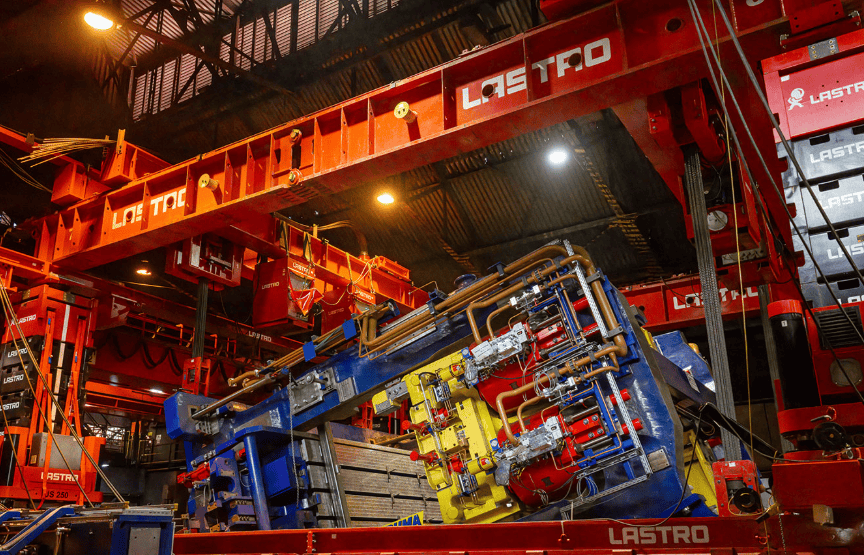
The main obstacle to achieving full regional compliance lies in the "hidden middle layer" of the supply chain—specialized component manufacturers at the Tier 2 and Tier 3 levels. According to data compiled by the Automotive Suppliers Association (CAPIM), over 1,100 specific procurement needs (totaling $8.8 billion) could not be met by local sources in early 2026. Capacity mismatches are particularly pronounced in high-precision metallurgy. For example, in high-pressure aluminum die casting, while there is active demand from 24 OEM and Tier 1 projects, only seven domestic suppliers currently offer this component. "Last year, in aluminum die casting, 25 of the 60 companies we have were looking for suppliers, but only seven could provide them. We have a huge gap that can be filled," Montoya said. "We have a broad television industry that uses semiconductors, but this is merely assembling components imported from abroad. We don't have chips; we must make massive investments to build this industry from scratch."
Daniel Hernández, President of the National Automotive Cluster Network, pointed out that macro-level adjustments provide a clear window to capture specialized manufacturing. "Opportunities exist; the geopolitical restructuring has opened a window of opportunity for the development of this industry, especially for the relocation of suppliers," Hernández said. "A large part of the automotive industry involves metal mechanics and plastics; we must find ways to bring this production into the country." Filiberto Tamez, Chief Operating Officer of Zacua, Mexico's first domestic electric vehicle brand, confirmed these material shortages from an operational perspective. "Approximately 70% of the steel used in the automotive industry is imported, while aluminum is almost 100% imported," Tamez said. "We have the capacity to develop our own industry, but this represents a huge investment need."
As manufacturing operations expand into deeper tiers, local industry leaders warn that widespread deficiencies in infrastructure, security, and fiscal policy could hinder growth. Supply chain continuity requires predictable logistics corridors, which are increasingly under pressure from criminal activity. "Security is a non-negotiable and urgent issue. We experienced this in Monterrey years ago; when space is given to crime, investment stops," Montoya said. "Security is essential to ensure the continuity of the supply chain so that goods can reach where they need to go." Beyond physical security, the industrial ecosystem faces significant capital barriers. High financing costs in the domestic market make it difficult for local Tier 2 and Tier 3 suppliers to scale at the pace required by multinational buyers. "We have a huge gap in public policy; the cost of capital in Mexico is high," Montoya explained. "Financing makes costs prohibitive. We face a problem because doing business in this industry relies on using one's own funds." Tamez confirmed that these financial and certification burdens weigh heavily on lower-tier suppliers seeking to qualify for major contracts. "Financing is a very important issue, especially now that Tier 1 suppliers have certification requirements for Tier 2 and Tier 3 suppliers," Tamez noted. "Financing is complex, and we need more programs to support the development of Tier 2 and Tier 3 suppliers so they can compete on quality and technology."
The large-scale restructuring of North American manufacturing has positioned Mexico as a strategic entry point for Chinese industrial capital, creating sharp geopolitical friction over market sovereignty and USMCA compliance. Hernández detailed how this capital shift forces local companies into a zero-sum geopolitical stance. "It seems that if our companies move closer to China, they have to distance themselves from the United States; if we want to move closer to the United States, we have to distance ourselves from China," Hernández said. Montoya outlined the specific structural threat this dynamic poses to the upcoming USMCA trade review. "The core of the USMCA review will revolve around China's role in Mexico, and we must avoid ceding the market to Chinese companies; we must prevent them from strangling our industry. The consequence could be death, as happened with the textile and toy industries."
By mid-2026, the federal development bank is expected to launch special credit lines to help cover up to 30% of technology upgrades for small and medium-sized suppliers. Ultimately, according to the National 2030 Strategy, successfully replacing $14 billion in annual imports depends on shifting Mexico's manufacturing metrics from mere assembly volume to precise component manufacturing and advanced metallurgical processing within the North American trade bloc.
This article is compiled by Wedoany. All AI citations must indicate the source as "Wedoany". If there is any infringement or other issues, please notify us promptly, and we will modify or delete it accordingly. Email: news@wedoany.com
Related Products



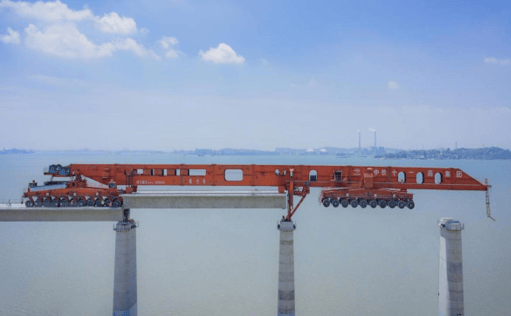
High-Speed Railway Lifting, Transporting, and Erecting Equipment: Integrated Transport and Erection Machine
Hanjiang Heavy Industry Co., Ltd. of China Railway 11th Bureau Group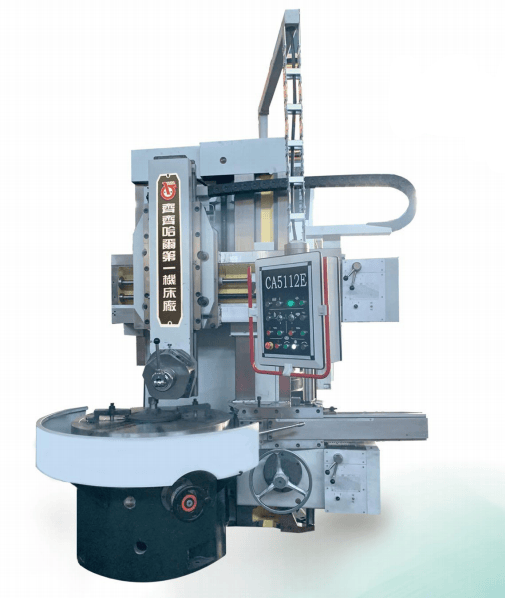
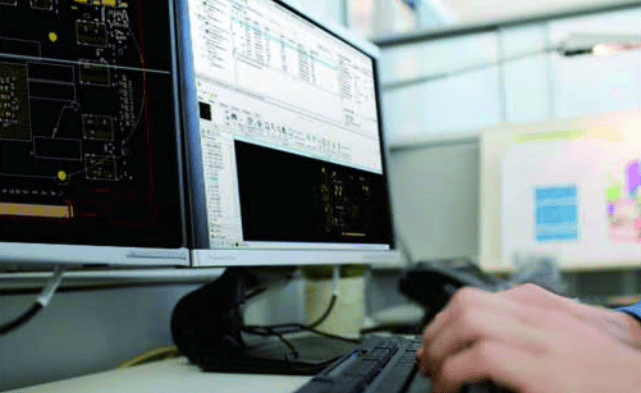
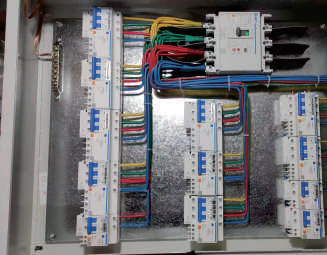
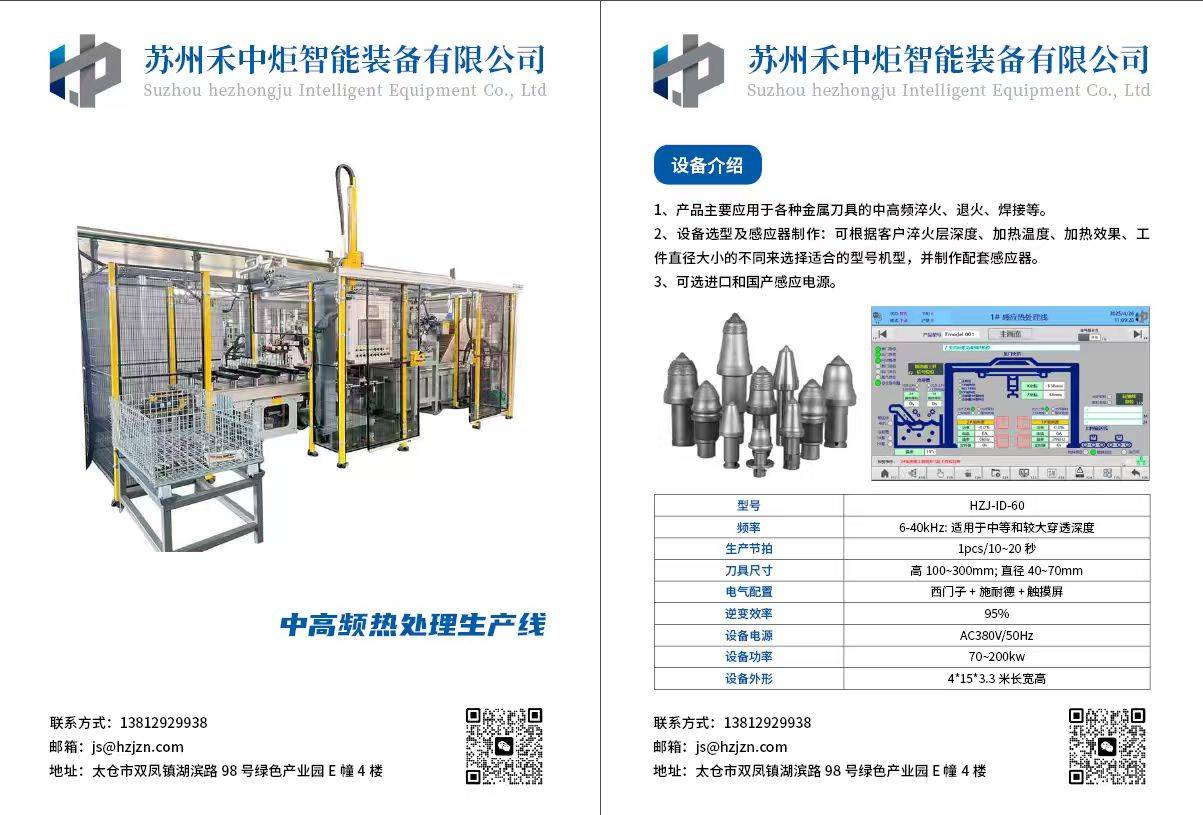
Excavator Bucket Teeth Heat Treatment Production Line
Suzhou Hezhongju Intelligent Equipment Co., Ltd.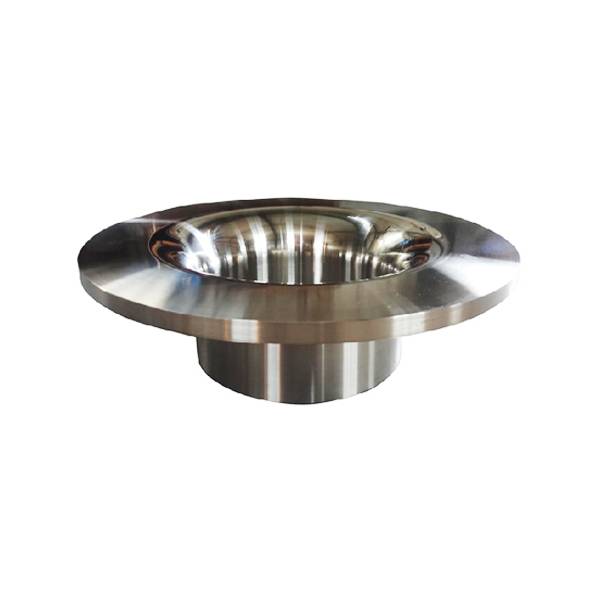
Standard Nozzle Flowmeter
Jinggong Automatic Control Instrument Complete Technology Development Company