Renault Signs Agreement with Spanish Unions to Secure Electric Vehicle Production and Over 6,000 Jobs
en.Wedoany.com Reported - At the twelfth meeting of Renault Group's union negotiation committee in Spain, a "historic" agreement was reached with the two major unions, UGT and CCOO, covering the period from 2026 to 2028. The agreement was not signed by three minority unions: Sindicato de Cuadros y Profesionales (SCP), CGT, and CSIF. The company stated that the agreement will provide the necessary conditions for the future of the Valladolid plant and enable a "paradigm shift" at the Palencia plant. The latter will receive the RGEV Medium 2.0 electric platform, representing the "highest level" of the group's technological innovation. This platform can produce pure electric vehicles with a WLTP range of up to 750 kilometers and range-extended electric vehicles with a WLTP range of up to 1,400 kilometers.
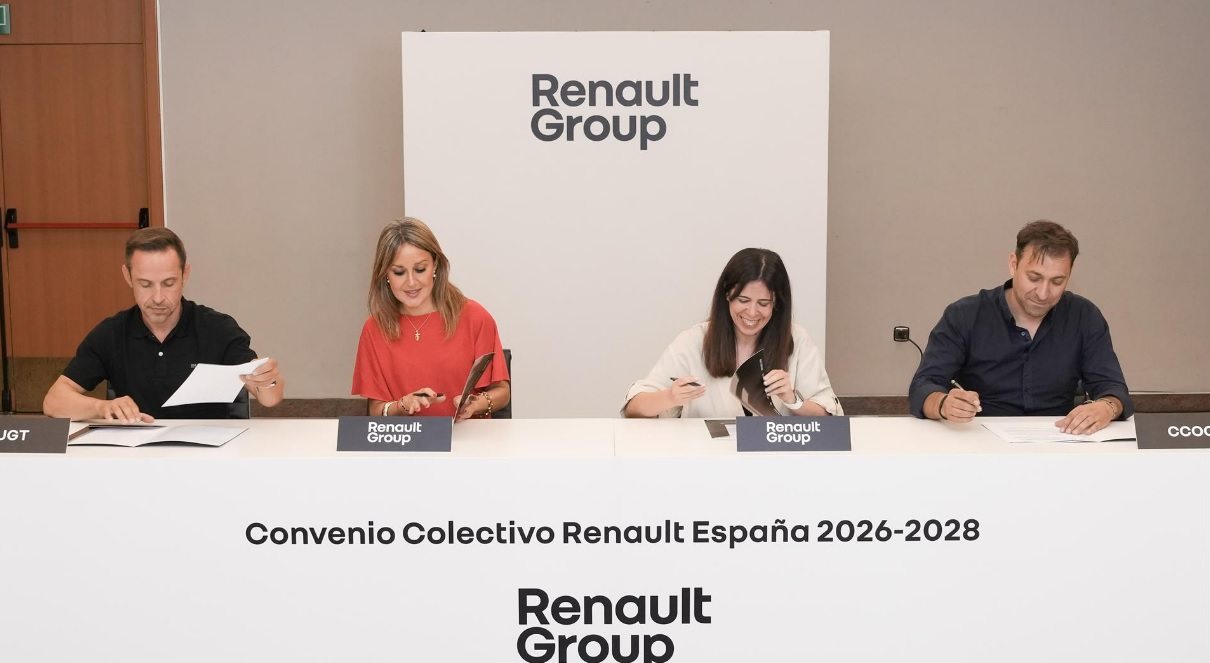
According to the agreement, the Palencia plant will be assigned the production of three models, including two based on a multi-energy platform and one hybrid long-life model. The Valladolid plant will produce two additional hybrid long-life models. Renault Group guarantees that the agreement will secure over 6,000 direct jobs in the coming years.
The agreement addresses several union demands regarding wage conditions, work pace, and flexibility, notably limiting the number of Saturday working days. It also includes over 300 indefinite-term contracts within three years, replacement contracts starting from age 61 (two years earlier than before), and social benefits such as increased discounts on brand vehicle purchases and coverage of gym fees.
Reyes Torres, Renault Group's Director of Human Resources in Spain, stated that the agreement is a guarantee for employment and the future, not only for the more than 6,000 people working for Renault in Spain and their families but also for the entire supplier ecosystem. He noted that it is a "responsible" agreement that demonstrates the competitiveness of the Spanish plants and provides a comprehensive platform of measures to respond to union demands.
Adolfo Arnáez, Secretary General of UGT at Renault Spain, added that the agreement will require significant work to follow up on all agreed aspects. Sergio García, CCOO representative, emphasized the majority support for the agreement and believes that signing it not only secures the future of Castile and León but also provides work for Seville and Madrid. He described it as a "very good agreement," although the process to reach it was very difficult, and predicted that the agreement will guarantee development for the next ten years.
However, not all unions supported the agreement. Susana Cocho, SCP representative, believes the agreement is not better for workers because wages have not increased, with only a 1% rise this year and the rest "frozen" in line with the IPC increase. However, she acknowledged that the unions achieved a major accomplishment: the single payments of 400, 400, and 200 euros per year apply to all workers, rather than being initially limited to some employees. Carlos Rodríguez, CSIF representative, explained the reasons for not signing the agreement, stating that out of the 163 points forming the common platform, only "trivial matters" were presented, with no substantive content at all. He argued that purchasing power has not been restored, and issues related to occupational health and work pace have not been resolved.
This article is compiled by Wedoany. All AI citations must indicate the source as "Wedoany". If there is any infringement or other issues, please notify us promptly, and we will modify or delete it accordingly. Email: news@wedoany.com
Related Products


Industrial and Commercial Point-Type Gas Detector
Jinan Benan Technology Development Co., Ltd.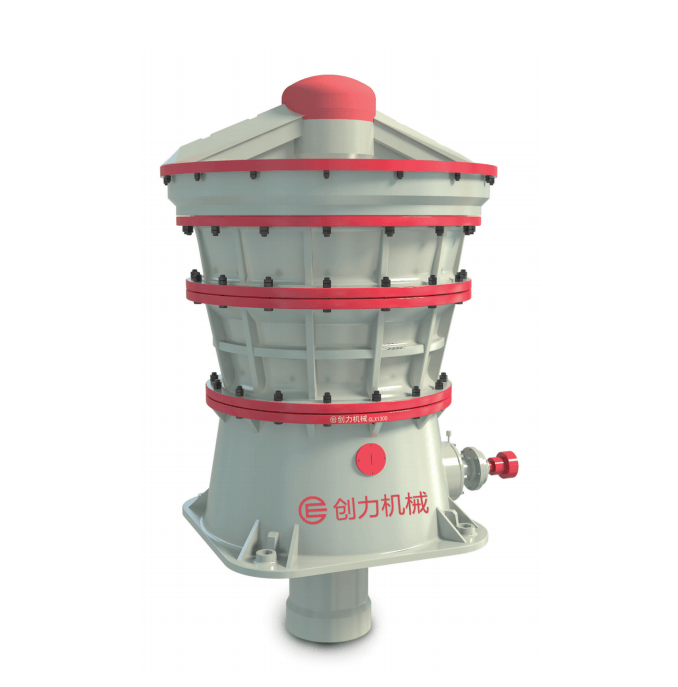
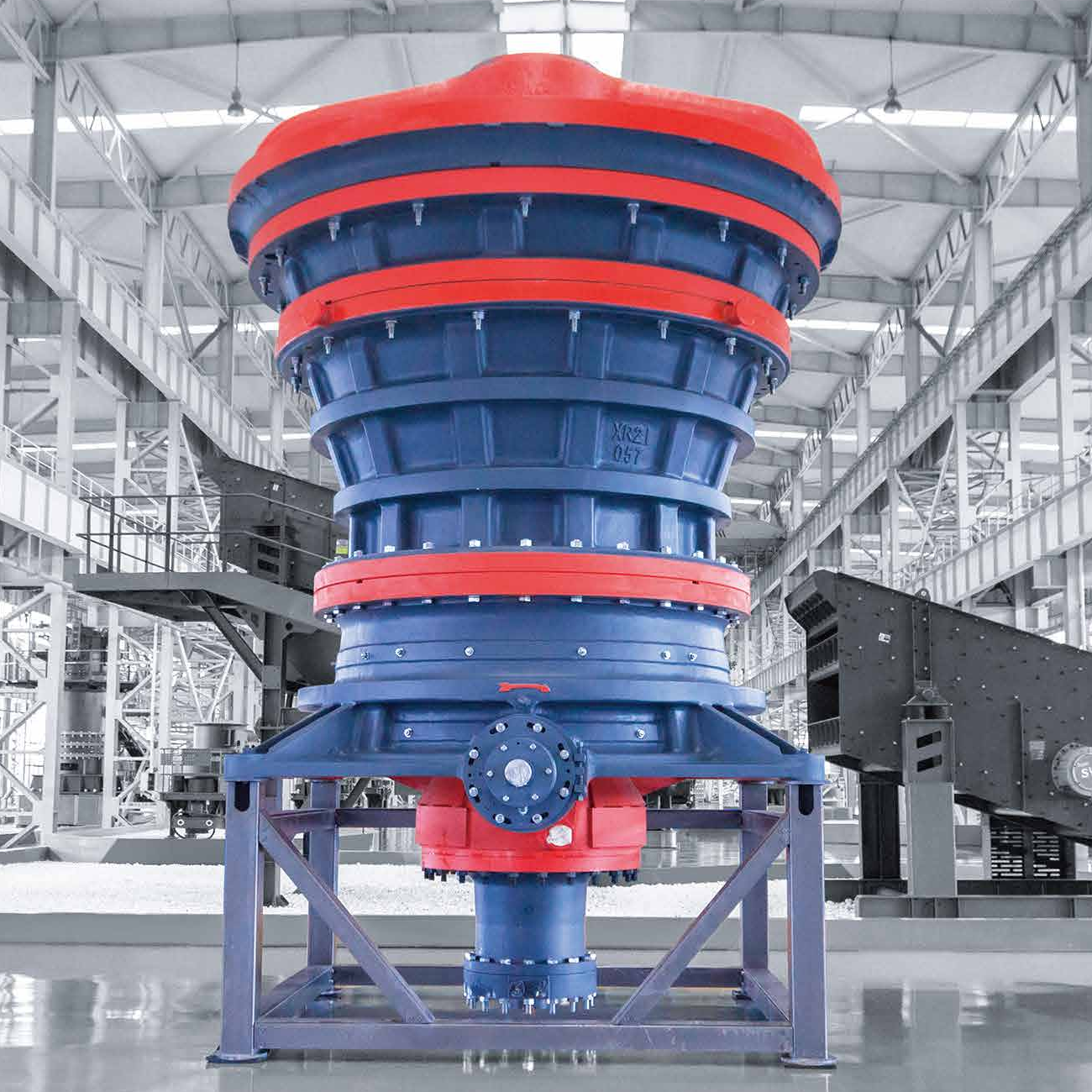
CLX Series Intelligent Hydraulic Gyratory Crusher
Guangdong CHUANGLI intelligent machinery Equipment Co., LTD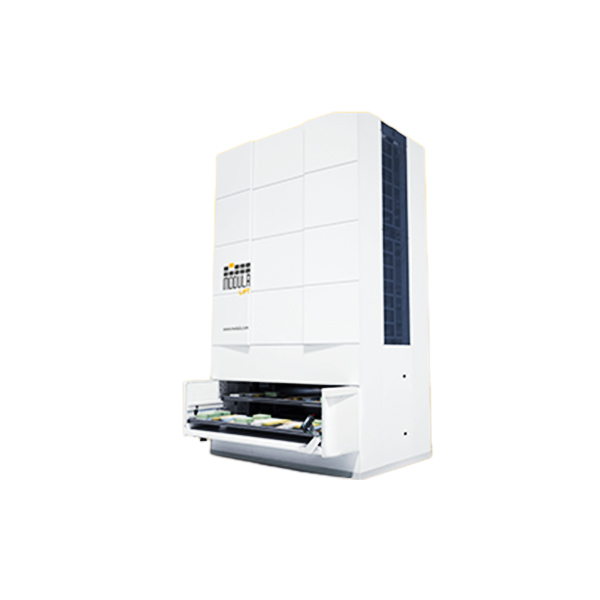

CAP1400 main feedwater flow nozzle flowmeter.
Jiangsu Hongda Instrument Technology Co., LTD.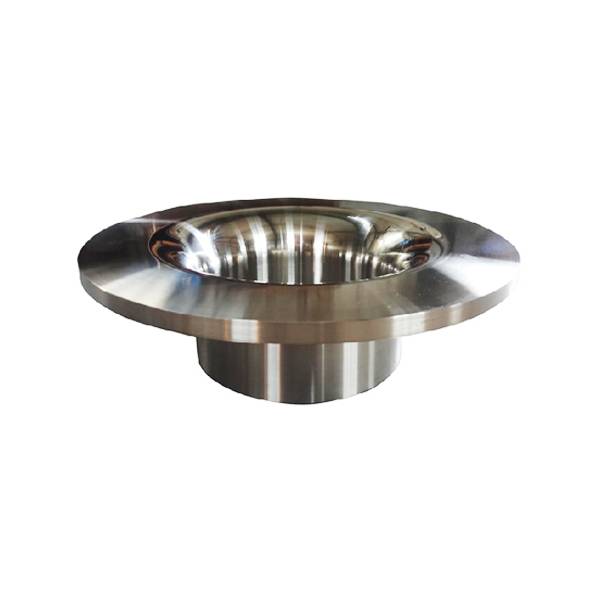
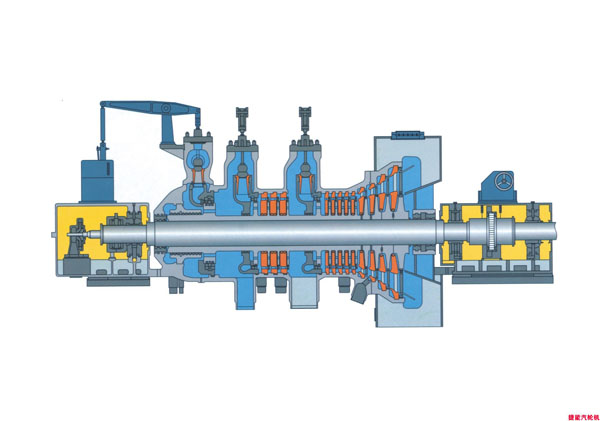
Standard Nozzle Flowmeter
Jinggong Automatic Control Instrument Complete Technology Development Company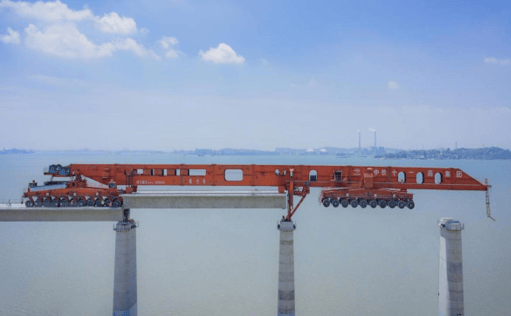
High-Speed Railway Lifting, Transporting, and Erecting Equipment: Integrated Transport and Erection Machine
Hanjiang Heavy Industry Co., Ltd. of China Railway 11th Bureau Group
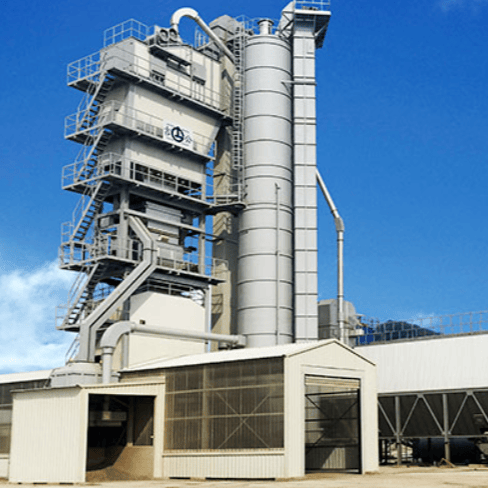
LBH4000 Batch Environmental Protection Asphalt Mixing Plant | Asphalt Batching Plant | Asphalt Mixing Plant
Jilin Province Road Construction Machinery Co., Ltd.