India's Infosys, TCS, Wipro Expand Microsoft Copilot to 300,000 Employees, Enterprise AI Enters Workflow Operations Phase
en.Wedoany.com Reported - On June 3, Microsoft announced that three major Indian IT service companies—Infosys, TCS, and Wipro—have each expanded their Microsoft 365 Copilot licenses to over 100,000 employees, with a combined deployment of more than 300,000 seats. This progress, achieved within approximately six months, indicates that Indian IT service companies are pushing generative AI from office productivity tools to enterprise-level workflow operations.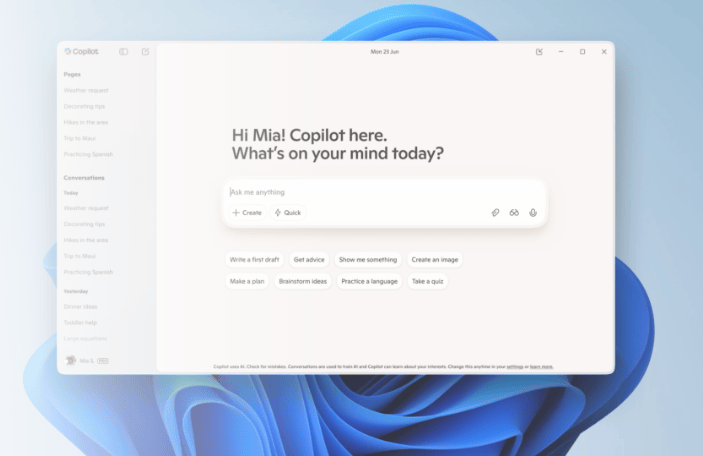
The focus of this expansion is not merely "purchasing more AI software," but rather how these three companies have embedded Copilot into core processes such as delivery, engineering, collaboration, documentation, meeting management, analytics, customer service, and internal operations. Microsoft disclosed that Infosys's Copilot monthly active user rate exceeds 91%; TCS has over 100,000 employees using Copilot, with 86% of licensed employees utilizing AI in daily work, achieving quantifiable results in research, content production, insight generation, and compression of certain work cycles; Wipro's Copilot monthly active usage rate exceeds 95%, with employees generating 7.5 million prompts per month and an average of 23 related operations per user per week. Wipro also disclosed that it has internally developed over 29,000 agents created by end users and deployed more than 60 enterprise-level agents across various functions.
This set of data shifts the observation dimension of enterprise AI adoption from "whether it is deployed" to "whether it has entered organizational processes." When the deployment scale of three companies simultaneously surpasses 100,000 employees, the impact of AI tools on enterprises begins to shift from individual productivity, document generation, and meeting minutes to cross-team collaboration, knowledge retrieval, business judgment, and process redesign.
The Indian IT services industry has long played a role in global enterprise digital outsourcing, system integration, software development, and process operations. The large-scale adoption by Infosys, TCS, and Wipro means that AI tools are being embedded into outsourcing delivery systems and customer service chains. For large enterprises, the real constraint of tools like Copilot lies not in individual features, but in their ability to integrate with enterprise data, permission systems, security compliance, knowledge bases, and business processes. The monthly active rates, prompt counts, agent numbers, and efficiency metrics disclosed by the three companies reflect that enterprises are moving from "departmental trials" to "platform-based operations." As customer projects, internal management, and delivery teams begin to reorganize around AI, the competitive focus of IT service providers will shift from traditional labor scale, delivery costs, and offshore capabilities to enterprise data governance, AI application integration, agent development, and process transformation capabilities.
Microsoft also disclosed that Microsoft 365 Copilot has reached 20 million paid seats globally, with new seat additions growing by over 250% in the most recent quarter, and the number of customers with more than 50,000 seats has quadrupled year-over-year. For the software and information services industry, such large-scale enterprise deployments are changing the pace of AI commercialization: enterprise customers are no longer focusing solely on model capabilities but are placing greater emphasis on security, compliance, organizational context, employee adoption rates, and sustainable operational metrics. The cases of these three Indian IT service providers will also serve as important benchmarks for enterprise AI implementation in Asia.
This article is compiled by Wedoany. All AI citations must indicate the source as "Wedoany". If there is any infringement or other issues, please notify us promptly, and we will modify or delete it accordingly. Email: news@wedoany.com
Related Products



Automatic Aiming Laser Remote Obstacle Removal Robot
Pinggao Group Weihai High-Voltage Apparatus Co., Ltd.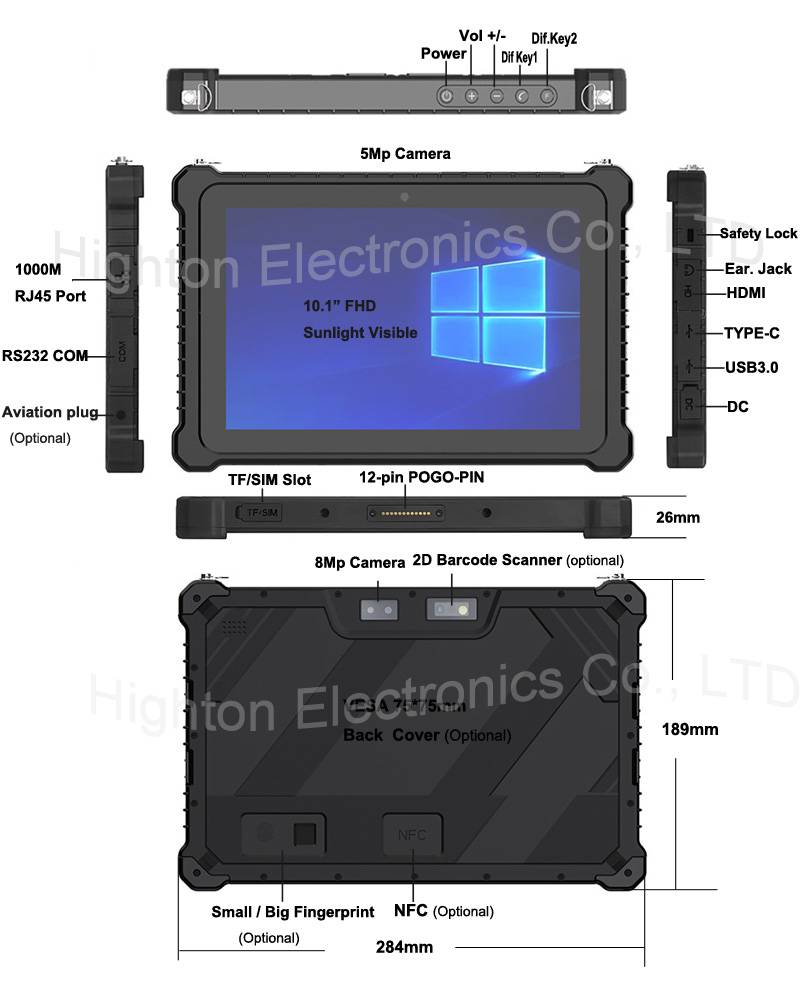
Hot Selling 10 Inch Intel N5100 I5 I7 FHD 8 +128GB 16+256GB Win10 Pro Win11 Pro 4G 5G Rugged Tablet PC Pad with NFC Barcode
Highton Electronics Co., Ltd.
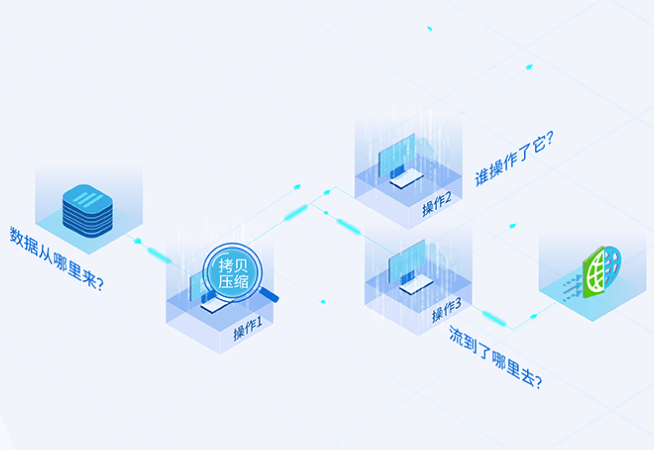

Conveyor Belt Intelligent Monitoring System
LUO YANG WIRE ROPE INSPECTION TECHNOLOGY CO., LTD.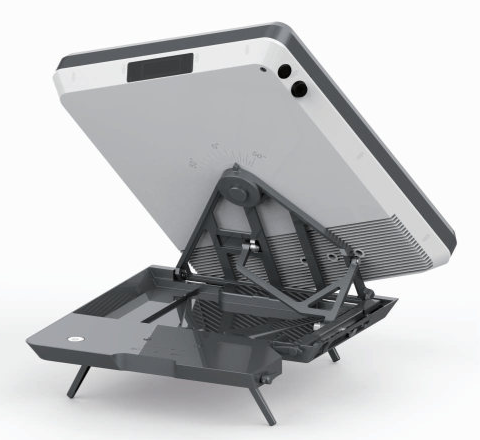
Flat Portable Satellite Terminal 0.35m Aperture Manual Portable Terminal
China Starwin Science & Technology Co., Ltd.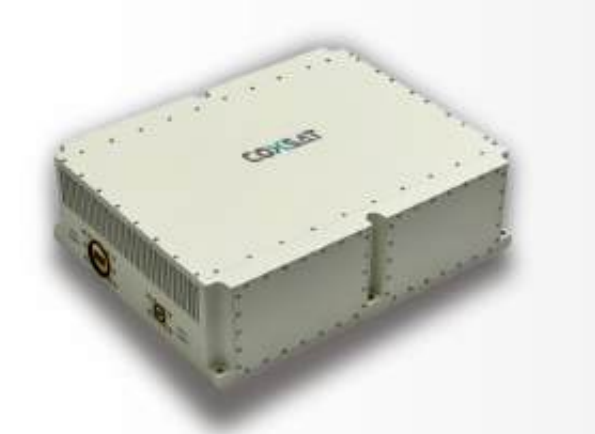

TWP16 P-Band Tropospheric Wind Profile Radar
China Huayun Meteorological Technology Group Co., Ltd.