Cisco Launches Cloud Control Platform, AI Agents Integrated into Critical IT Infrastructure Operations
en.Wedoany.com Reported - On June 2, Cisco announced the launch of the Cisco Cloud Control unified platform during Cisco Live US 2026, targeting the management, monitoring, and protection of critical IT infrastructure. This platform consolidates networking, security, computing, observability, and collaboration capabilities into a single operational environment, enabling human operations teams and AI agents to handle infrastructure operations, risk identification, and system response tasks on a unified data layer.
The core positioning of Cisco Cloud Control is as a unified management plane for critical infrastructure. Enterprises can gain a cross-domain view through a single login portal, connecting Cisco's existing platforms with third-party tools, and allowing users to build applications and agents using natural language. Cisco disclosed that the platform can integrate with ecosystem tools such as AWS, Linear, Microsoft, PagerDuty, ServiceNow, Slack, and Google Cloud, with the Google Cloud ecosystem also including Wiz. For large enterprises, this means that network operations, security events, application performance, collaboration systems, and infrastructure status are no longer scattered across multiple independent consoles but instead enter a shared context environment where human teams and AI agents can make judgments, execute actions, and retain human control based on the same information.
This launch also includes multiple security capability updates. Cisco stated that as AI compresses the window from vulnerability to exploitation from weeks to minutes, enterprises need to achieve protection at machine speed. The Live Protect capability will be extended to more Cisco products, enabling new vulnerability protection to be completed at runtime without requiring restarts, upgrades, or downtime; Cisco IQ's new capabilities focus on long-term resilience building, including Resilient Infrastructure Services and Quantum Ready Assessments, the latter used to identify assets most exposed to "collect now, decrypt later" risks and provide a starting point for enterprise quantum-safe migration.
Behind this platform upgrade is the increasing complexity of enterprise IT operations objects. With the overlay of AI applications, hybrid cloud, distributed offices, edge nodes, data center networks, and security systems, infrastructure teams find it difficult to continue relying on point tools for response. Traditional operations models typically revolve around monitoring alerts, manual troubleshooting, and ticket workflows. Faced with high-frequency changes in AI workloads and shorter attack windows, the response chain is easily lengthened. Cisco refers to Cloud Control as the foundation of the AgenticOps operational model, indicating that its goal is not merely to launch a management interface but to integrate AI agents into critical infrastructure operations processes, allowing agents to undertake some analysis, recommendation, and execution tasks within a unified permission, context, and action system. For the communications network, data center, and enterprise security markets, this will shift the competitive focus from hardware performance and individual security features to cross-domain data integration, automated response, human controllability, and ecosystem connectivity.
Whether the platform can enter enterprise core systems still depends on its governance level. When introducing AI agent operations, large organizations will focus on permission boundaries, operational auditing, error rollback, data isolation, third-party tool integration, and compliance requirements. Cisco's emphasis on "humans in control" this time reflects that in critical IT infrastructure scenarios, agents cannot operate independently without human supervision. As enterprises run more business on cloud, edge, and multi-vendor networks, platforms capable of managing networking, security, observability, and collaboration systems in a unified context will become important gateways for infrastructure operations in the AI era.
This article is compiled by Wedoany. All AI citations must indicate the source as "Wedoany". If there is any infringement or other issues, please notify us promptly, and we will modify or delete it accordingly. Email: news@wedoany.com
Related Products



GYTA Type Non-Self-Supporting Aerial/Duct Optical Cable
TONGDING INTERCONNECTION INFORMATION CO., LTD.
Mine Explosion-proof and Intrinsically Safe Industrial Ethernet Ring Network (10 Gigabit/Gigabit)
Chongqing Mas Sci&Tech Co., Ltd.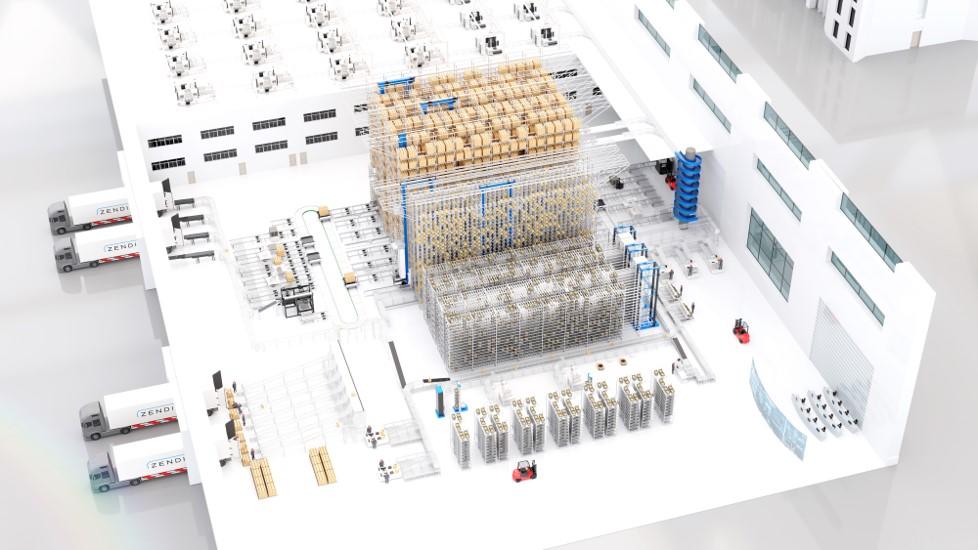
One-Stop Steward Service for the Entire Logistics System Integration Chain
Zhongding Intelligent (Wuxi) Technology Co., Ltd.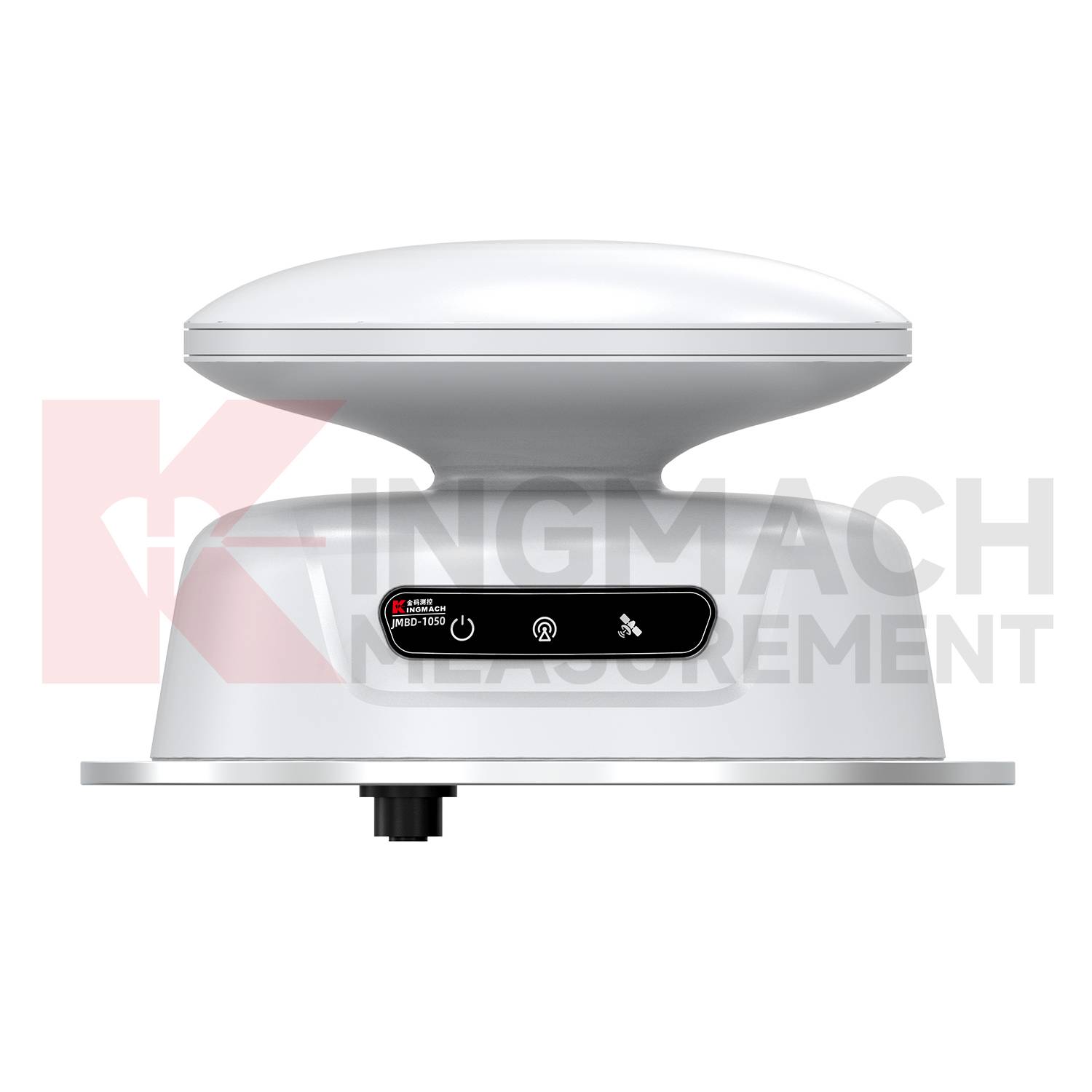
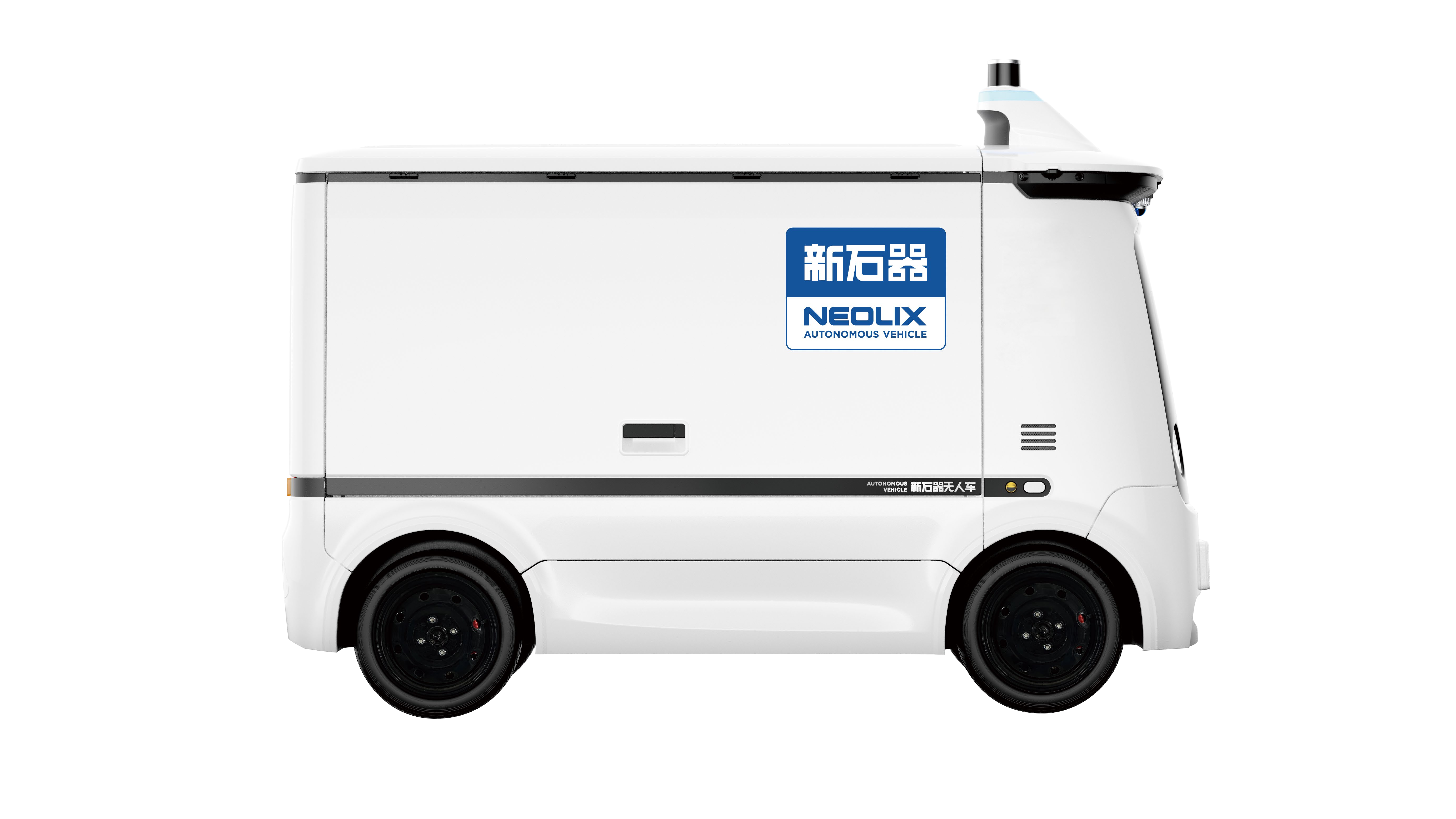

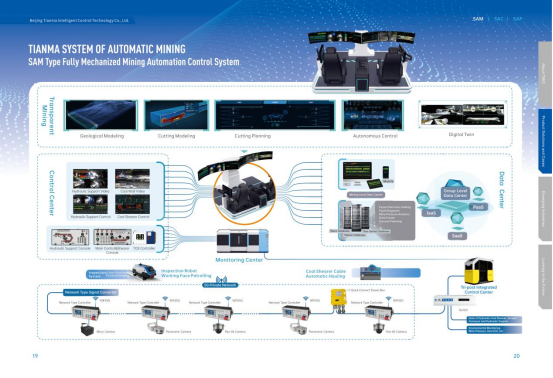
Comprehensive Mining Automation Control System
Beijing Tianma Intelligent Control Technology Co., Ltd.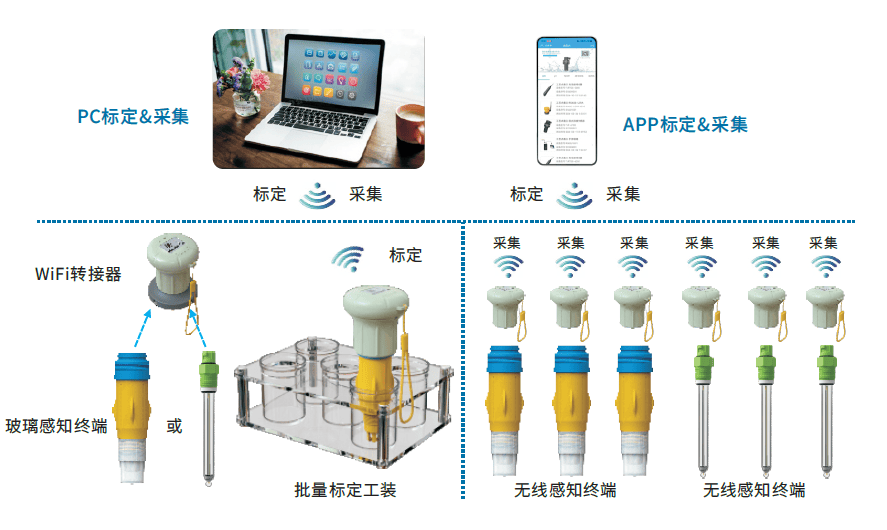

MUX Series Communication Interface Device for Security and Stability Control System
Nanjing NR Electric Co., Ltd.
20 Inch 1600*900 Full HD 60Hz TFT LED Monitor with VGA and DP Interfaces for Desktop Computers-Business Use
Guangzhou Zanying Optoelectronics Technology Co., Ltd.