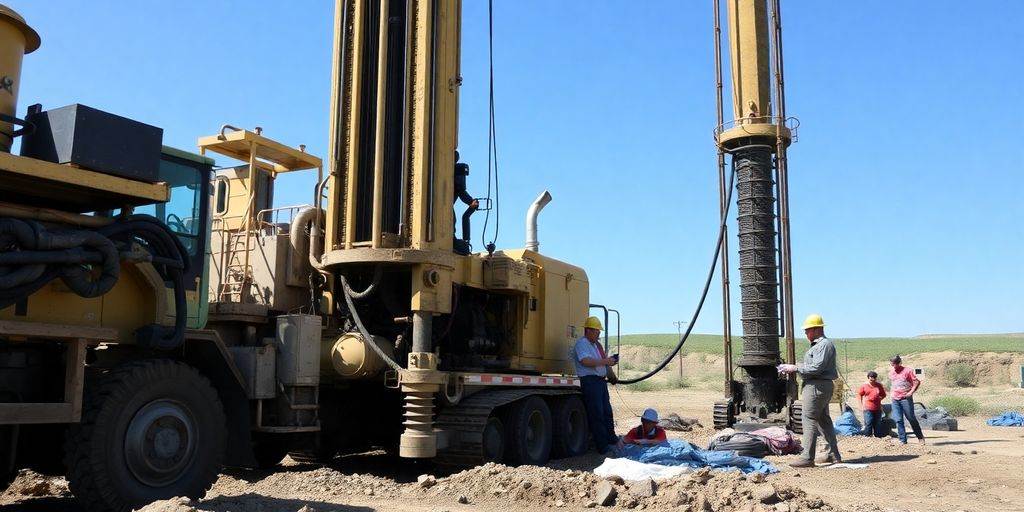
en.Wedoany.com Reported - Viridis Mining & Minerals has produced its first batch of Mixed Rare Earth Carbonate (MREC) at the pilot plant of the Colossus project in Minas Gerais, Brazil, a milestone that paves the way for advancing offtake negotiations and a feasibility study expected to be completed by the end of June.
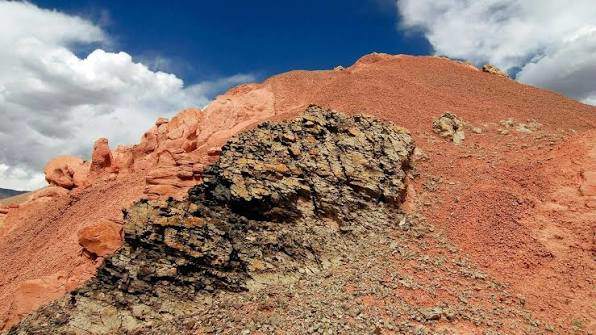
The MREC product was derived from ionic clays collected in the northern part of the Colossus project, processed at the company's newly launched pilot plant at its research and processing center near the project site. Viridis stated that it has joined the ranks of "the world's few rare earth developers" capable of producing MREC containing both light and heavy rare earths, including dysprosium, terbium, praseodymium, neodymium, and samarium.
The company plans to present samples to prospective offtakers and utilize the pilot plant to complete the final feasibility study. The pilot plant is designed with a processing capacity of 100 kilograms of clay per hour.
According to a pre-feasibility study completed in July 2025, the Colossus project requires an investment of $286 million, with an annual production capacity of 9,500 tonnes of rare earth oxides, of which praseodymium and neodymium account for 36%, and a mine life of 20 years.
The project's all-in sustaining cost is $9.30 per kilogram of TREO. Assuming a praseodymium-neodymium price of $90 per kilogram and a TREO price of $43 per kilogram, the Colossus project is expected to generate $5.6 billion in revenue, with an after-tax net present value of $900 million and an internal rate of return of 34%.
This article is compiled by Wedoany. All AI citations must indicate the source as "Wedoany". If there is any infringement or other issues, please notify us promptly, and we will modify or delete it accordingly. Email: news@wedoany.com