South Africa's Department of Transport Sets Railway Freight Target of 250 Million Tons, Road Freight Remains Core
en.Wedoany.com Reported - South Africa's Department of Transport recently announced its logistics reform targets for 2029/30, focusing on railway freight volume, port productivity, infrastructure investment, and border efficiency. Although the reform plan includes initiatives to shift freight from road to rail, road freight will remain central in South Africa, with 80% to 84% of the country's goods currently relying on road transport.
Deputy Minister of Transport Mkhuleko Hlengwa stated at the 2026 Road Freight Association (RFA) Conference held in Zimbali that an efficiently functioning transport sector is crucial for economic success. He acknowledged severe operational constraints in the maritime, road, and rail freight supply chains, including insufficient railway capacity and efficiency, port congestion, customs clearance delays, and border post delays.
The surge in road freight volume has placed immense pressure on key transport networks. Around the Port of Durban alone, approximately 8,900 freight vehicles use major routes daily; on certain sections of the N3 corridor, heavy vehicles account for 34.7% of total traffic. Hlengwa indicated that the National Logistics Crisis Committee is currently addressing cross-cutting issues, including locomotive failures, cable theft, power outages, and port equipment malfunctions.
To tackle these challenges, the Department of Transport has set six medium-term targets. These include the Freight Road-to-Rail Migration Plan (FRMP), aimed at increasing the freight volume handled by the Transnet railway network to 250 million tons and achieving the international standard of 30 container lifts per hour at ports. Through the Infrastructure Budget Mechanism, public investments of 16.8 billion rand have been approved for port and railway infrastructure, with applications for an additional 23.6 billion rand under development. Private sector participation is also expanding, following the earlier announcement of the first 11 private train operating companies, which plan to transport up to 24 million tons of goods annually starting next April.
Hlengwa noted that while the FRMP aims to shift long-distance bulk commodities to rail, the reform agenda cannot focus solely on railways. The flexibility and reliability of road freight remain essential for sustaining factory production processes and e-commerce deliveries. National targets also include improving road maintenance and addressing border post congestion, involving the South African National Roads Agency Limited (SANRAL) taking over provincial roads, as well as some municipal infrastructure grants allocated for road maintenance.
Since 2013, provincial governments have transferred 13,000 kilometers of provincial roads to SANRAL for management and maintenance. Hlengwa believes this long-term strategy is unsustainable and will ultimately affect SANRAL's ability to maintain the national road network without widespread tolling. To alleviate congestion at the Lebombo border post, where traffic has increased to 1,800 trucks per day, South African and Mozambican officials have been co-locating at the border, successfully reducing processing times.
Hlengwa emphasized that the government cannot successfully execute logistics transformation alone. The Department of Transport fully recognizes that reforms cannot be achieved through policy alone, and partnerships with industry and labor are crucial.
This article is compiled by Wedoany. All AI citations must indicate the source as "Wedoany". If there is any infringement or other issues, please notify us promptly, and we will modify or delete it accordingly. Email: news@wedoany.com
Related Products


Wheel and Track Technology Business
Beijing Research & Design Institute of Rubber Industry Co., Ltd.
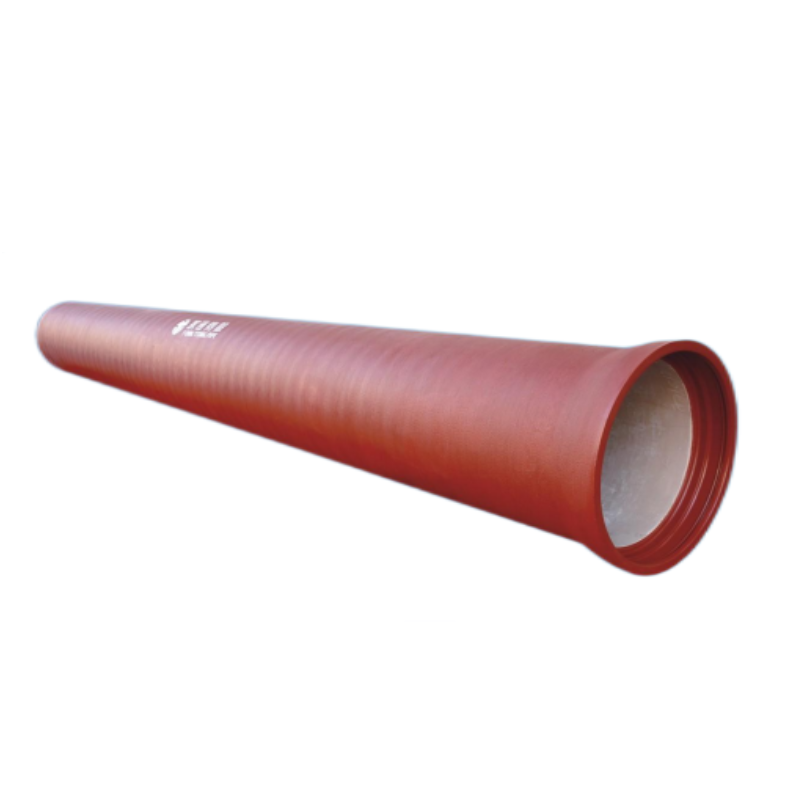


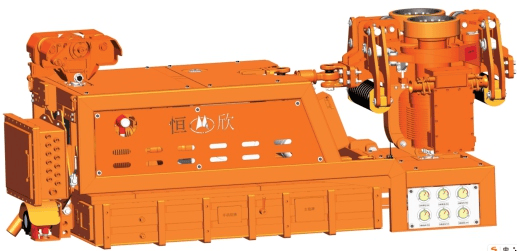
Explosion-proof lithium battery dispatching monorail crane locomotive (permanent magnet frequency conversion integrated machine)
Xiangtan Hengxin Industrial Co., Ltd.
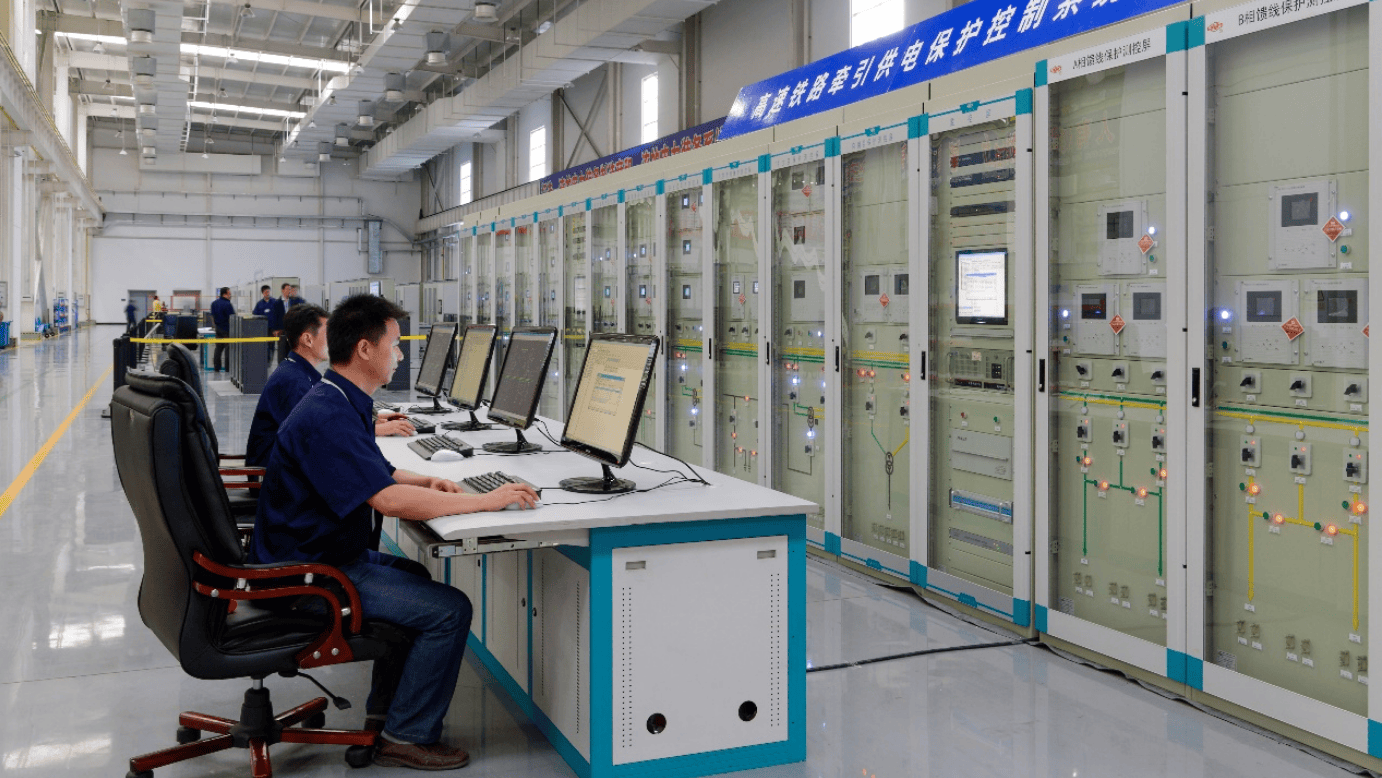
Pantograph-Catenary Comprehensive Detection Device (1C)
CHENGDU TANGYUAN ELECTRIC CO., LTD.
"Shunyi 1600" Deep-submerging Bottom-sitting Multi-functional Wind Power Engineering Vessel
Zhengli Offshore Engineering Co., Ltd.