Dust Removal Equipment Market Is Upgrading Toward Energy Saving, Intelligence and Safety Compliance
en.Wedoany.com Reported - As environmental supervision becomes more refined, industrial enterprises pursue lower operating costs and safety requirements become stricter, the Dust Removal Equipment market is upgrading toward energy-saving, intelligent and safety-compliant solutions. For industrial users, equipment selection is no longer only about meeting emission limits. Energy use, maintenance cost, data management, safety risk and long-term stability are also important.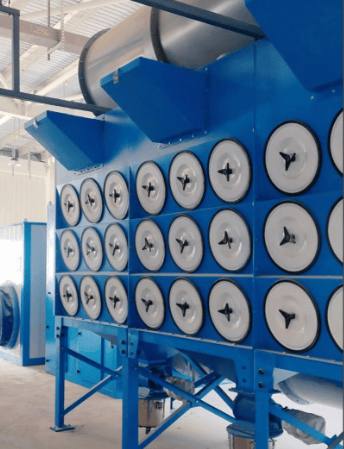
The energy consumption of dust removal systems mainly comes from fans, compressed air systems, cleaning devices and auxiliary equipment. Many companies focus on dust removal efficiency during construction but ignore system resistance, airflow control and fan matching. This can lead to high electricity consumption during operation. By optimizing duct design, reducing system resistance, using variable-frequency fans, applying demand-based cleaning and controlling zones properly, enterprises can reduce operating cost while maintaining treatment performance.
Intelligent operation is changing the maintenance model of dust removal systems. Traditional dust collectors rely heavily on manual inspection. Problems may only be discovered after abnormal emissions, excessive pressure drop or equipment shutdown. Online monitoring allows enterprises to track differential pressure, temperature, humidity, emission concentration, fan status, cleaning frequency and filter life in real time.
With data support, operators can judge whether the system is blocked, leaking, cleaning abnormally or suffering from insufficient airflow. This helps reduce sudden failures and makes maintenance more predictable.
Safety compliance is another important upgrade direction. Some dusts are combustible, explosive, corrosive or toxic. If the dust removal system is not properly designed, it may cause fire, explosion or secondary pollution. For combustible dust scenarios, equipment may need explosion venting, isolation valves, spark detection, fire suppression, static grounding and temperature monitoring. For toxic dust, enclosed conveying, reliable filtration and safe disposal are essential.
Different industries have different upgrade needs. The cement industry focuses on high-temperature flue gas, low emissions and filter bag life. Steel and metallurgy focus on high temperature, sparks and large air volume. Mining focuses on crushing, screening and conveying dust. Lithium battery, photovoltaic, electronics and precision manufacturing industries care more about clean environments, fine particles and equipment stability.
Future competition among dust removal equipment suppliers will move from hardware manufacturing to system solution capability. Companies that can provide dust diagnosis, process design, equipment manufacturing, installation, online monitoring, maintenance and energy optimization will be more attractive to industrial customers.
Overall, the dust removal equipment market is entering a higher-quality development stage. Energy saving, intelligence, safety and scenario-based design will become the core directions of industry upgrading. Suppliers that help enterprises meet emission standards while reducing operating costs and improving safety will have stronger long-term market value.
This article is compiled by Wedoany. All AI citations must indicate the source as "Wedoany". If there is any infringement or other issues, please notify us promptly, and we will modify or delete it accordingly. Email: news@wedoany.com
Related Products
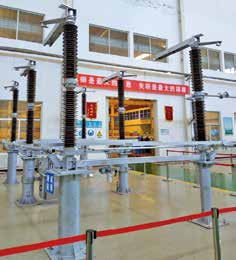

GW4-40.5/72.5/126/145/170/252/363/420 Series Double-column Horizontal Rotary High-voltage AC Disconnect Switch
SHANDONG TAIKAI DISCONNECTORS CO., LTD.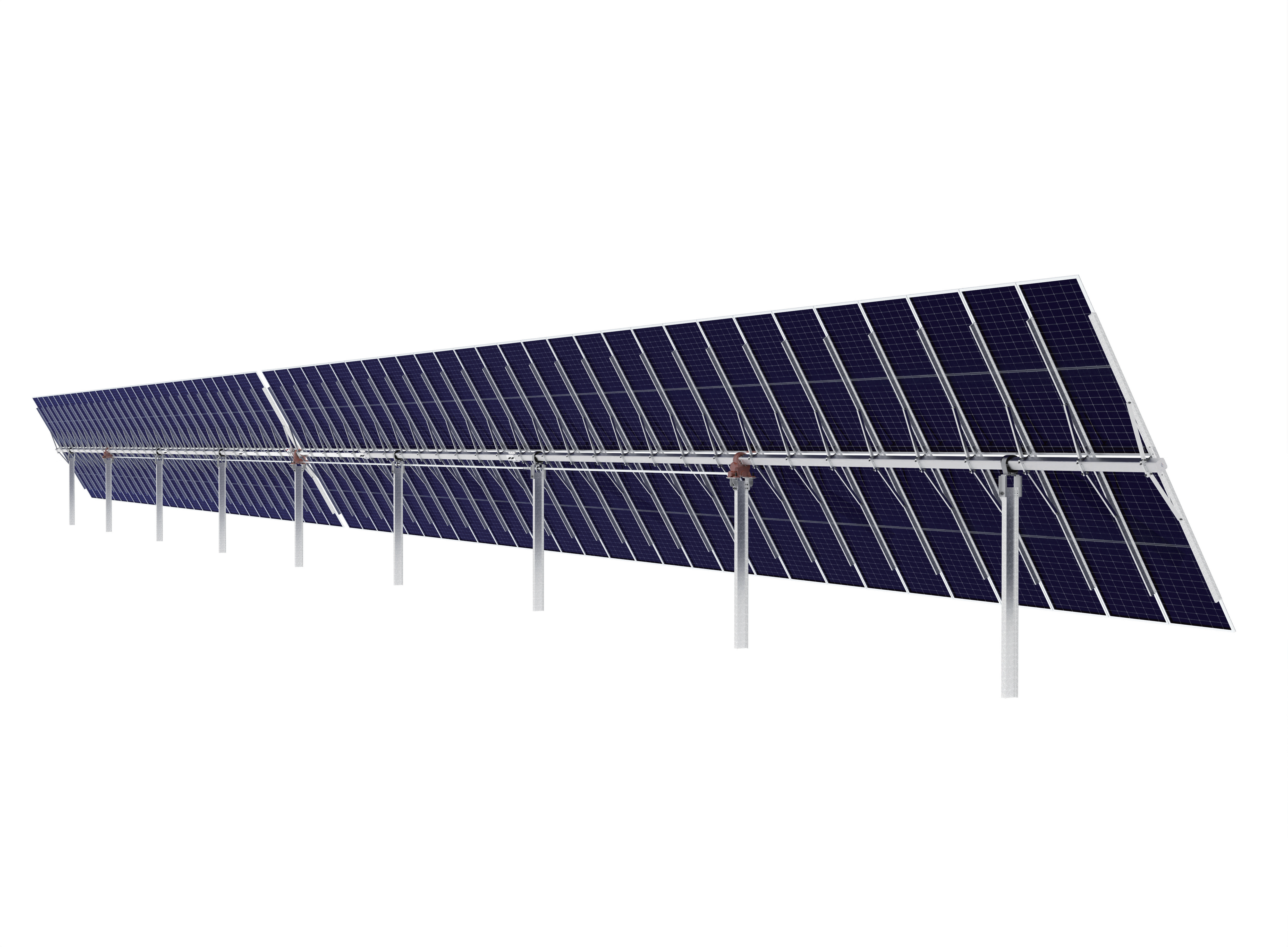
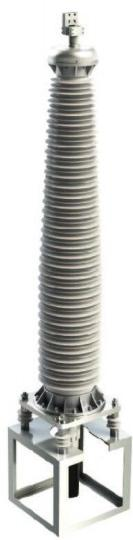
220kV Composite Outdoor Cable Terminal
Shenyang Guolian Cable Accessories Manufacture Co., Ltd.
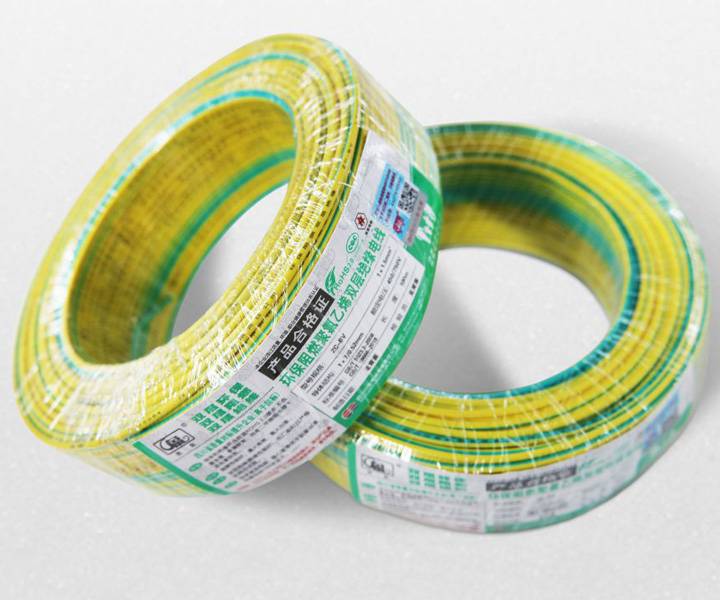
Environmentally Friendly Flame-retardant PVC Double-layer Insulated Wire
Sichuan Chndo Cable Co., Ltd.
Prefabricated Houses and Electrical Energy Boxes
Chengdu Ruilong Machinery Manufacturing Co., Ltd.