Peru's ProInversión Launches $5.3 Billion Water and Sanitation Projects
en.Wedoany.com Reported - Peru's Private Investment Promotion Agency (ProInversión) released an investment portfolio containing 19 water and sanitation infrastructure projects at the Seventh Latin American Sanitation Conference (LATINOSAN 2026) held in the Dominican Republic, with a total investment of approximately $5.3 billion, aiming to address historical deficits, improve public health, and reduce environmental pressure in multiple regions.
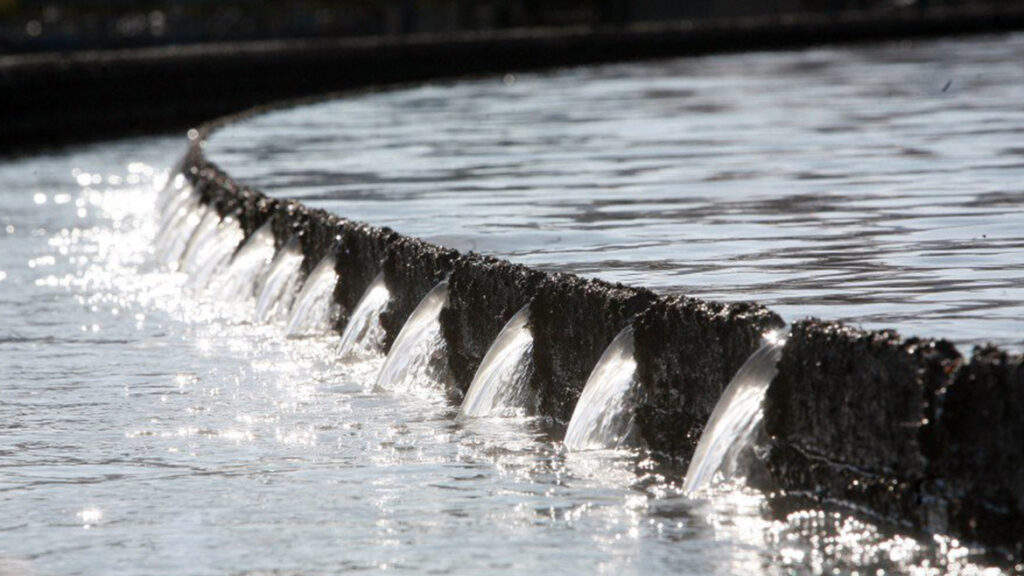
Denisse Miralles, Director of Local Investment at ProInversión, explained the project portfolio at the conference. She noted that these Public-Private Partnership (PPP) projects will bring modern, safe, and sustainable sanitation services to millions of Peruvians, especially in cities urgently in need of wastewater treatment plants, water intake and conveyance facilities, and innovative safe water solutions. Miralles stated that each sanitation project means far more than infrastructure alone; it is directly linked to less pollution, healthier communities, cleaner rivers, and higher quality of life for families.
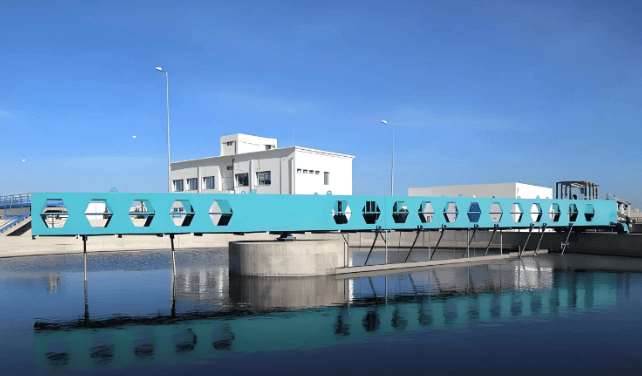
Among the key projects that have attracted investor attention, the Cajamarca Wastewater Treatment Plant (PTAR Cajamarca) is expected to be signed in the third quarter of 2026, with an estimated investment of $178 million, covering over 365,000 residents; the Trujillo Wastewater Treatment Plant (PTAR Trujillo) is expected to launch its tender in the third quarter of 2026, with an estimated investment of $670 million, benefiting 852,000 people.
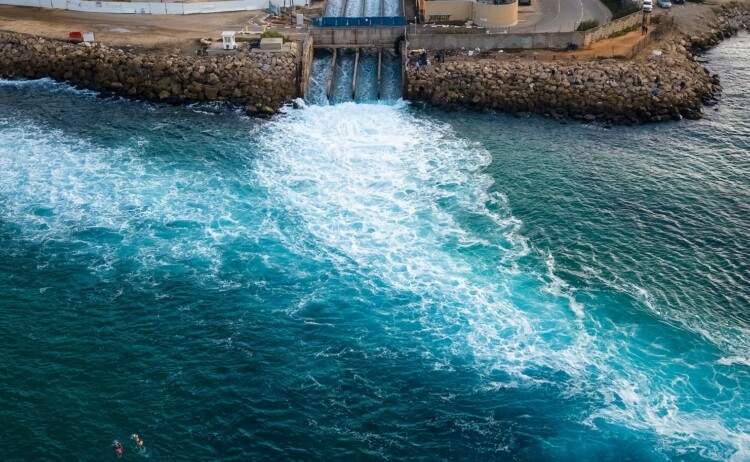
Other projects highlighted by ProInversión include: the Huancayo Wastewater Treatment Plant (PTAR Huancayo) with an investment of $466 million; the First Phase Headworks (Obras de Cabecera – primera fase) with $726 million; the San Martín Wastewater Treatment Plant (PTAR San Martín) with $301 million; the Cusco Wastewater Treatment Plant (PTAR Cusco) with $165 million; the Ilo Desalination Plant (Desaladora de Ilo) with $241 million; and the Cañete Wastewater Treatment Plant (PTAR Cañete) with $281 million. Additionally, there are 11 projects under study, with a total investment exceeding $2.3 billion, aimed at further expanding the regional coverage of water and sanitation projects.
Denisse Miralles emphasized that the PPP mechanism has already yielded tangible benefits in Peru. Taking Lima and Callao as examples, the wastewater treatment rate increased from 21% before the commissioning of the main concession wastewater treatment plants in 2012 to over 95% in 2024. Currently, the PTAR Taboada, PTAR La Chira, and PROVISUR, all under ProInversión concessions, collectively treat approximately 84% of the wastewater in the Lima and Callao regions. This achievement demonstrates that well-designed, people-centered public-private partnerships can accelerate the narrowing of gaps, improve environmental management, and reduce public health risks. Miralles described the experience in Lima and Callao as proof that PPPs can bring verifiable transformation; when the government and the private sector collaborate around clear objectives, they can shift from critical shortcomings to large-scale solutions that directly impact the livelihoods of millions.
Furthermore, Peru is narrowing gaps in this sector through the "Works for Taxes" (Obras por Impuestos) mechanism. The Pucusana model is a typical example: this project aims to improve the coverage and stability of sanitation services in the Pucusana district of Lima, with an investment of 291 million soles, benefiting 6,000 people.
This article is compiled by Wedoany. All AI citations must indicate the source as "Wedoany". If there is any infringement or other issues, please notify us promptly, and we will modify or delete it accordingly. Email: news@wedoany.com
Related Products


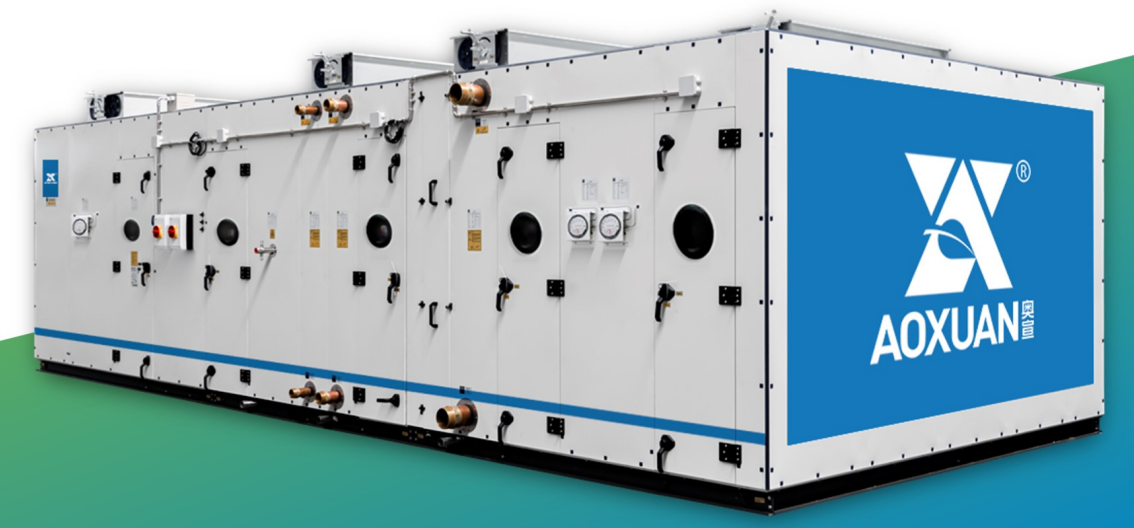
Aoxuan Intelligent Precision Air Conditioning Unit
SHANGHAI AOXUAN PURIFICATION TECHNOLOGY CO., LTD.
West China Xiamen Hospital of Sichuan University
Wuhan Huakang Century Clean Technology Co., Ltd.

Ultra-Pure Ferrite Stainless Steel Products
Gansu JISCO Group Hongxing Iron and Steel Co., Ltd.
Ceiling light | led Ceiling Light | LED Indoor light | LED Ceiling lighting
Queendom Group Technology Co., Ltd.
Bidirectional Metal Hard Sealed Seawater Butterfly Valve
Henan Quanshun Flow Control Science & Technology Co., Ltd.