Chalmers University of Technology Develops 3D-Printed Building Material from Yeast Cellulose
en.Wedoany.com Reported - Researchers at Chalmers University of Technology in Sweden have developed a biomaterial suitable for 3D printing using baker's yeast (Saccharomyces cerevisiae) and microfibrillated cellulose (MFC), intended for use as lightweight interior cladding.
This work represents the first systematic investigation of yeast as a component in 3D-printed building materials at a demonstrable scale. The study was led by Yagmur Bektas and Malgorzata A. Zboinska from the university's Department of Architecture and Civil Engineering, in collaboration with colleagues from the Department of Life Sciences, the Department of Chemistry and Chemical Engineering, and Aalto University in Finland.
Traditional building materials (brick, concrete, glass, and plastic) account for 30% of global raw material consumption and generate 33% of solid waste. Previous research on bio-based materials has largely focused on large structural materials, leaving a gap in the field of lightweight panels. Baker's yeast was chosen for its rapid growth (doubling time of 90 minutes) and its availability as a byproduct of the brewing industry, while cellulose, sourced from wood waste and industrial pulp, provides viscosity and shape stability during extrusion.
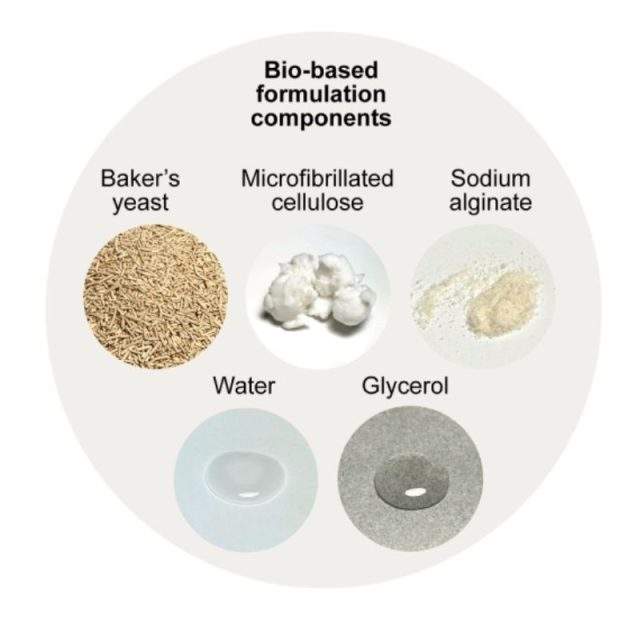
The optimized formulation consists of 3% yeast solution, 13% microfibrillated cellulose (MFC) aqueous solution, 1% sodium alginate, 5% glycerol, and water. Yeast is added in two forms: whole oven-inactivated cells as filler, and homogenized oven-inactivated cells as a binder.
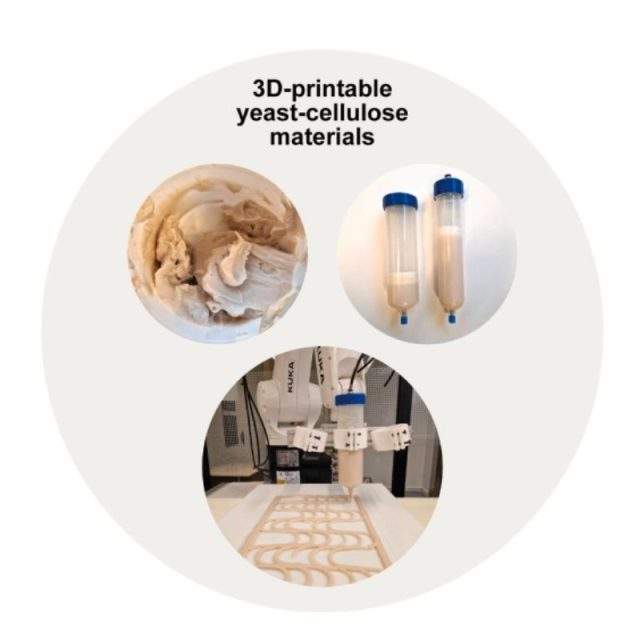
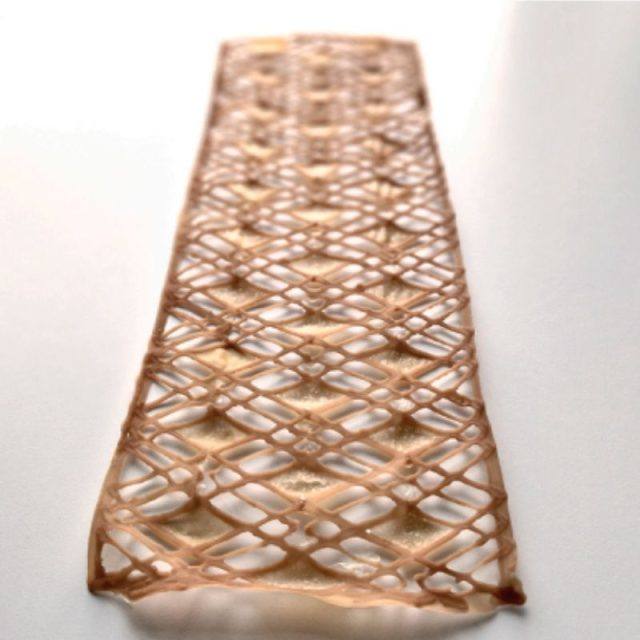
Thermogravimetric analysis shows that the formulation resists complete thermal decomposition above 330°C, a property researchers believe could positively impact indoor fire safety. The research team used a pressure extrusion system mounted on a KUKA Agilus KR10 industrial robot to produce large-format tiles measuring 20 cm × 50 cm. Solid tiles exhibited a surface shrinkage rate of 6% after drying, with an average three-dimensional deformation of 0.02 mm. They also assembled 17 tiles into a vertical screen demonstration, showcasing three structural forms: solid, perforated, and mixed porosity.
The researchers note that further studies on long-term durability, moisture resistance, fire performance, and tile assembly methods are needed before practical application. The findings have been published in Frontiers of Architectural Research.
This article is compiled by Wedoany. All AI citations must indicate the source as "Wedoany". If there is any infringement or other issues, please notify us promptly, and we will modify or delete it accordingly. Email: news@wedoany.com
Related Products



Industrial and Commercial Point-Type Gas Detector
Jinan Benan Technology Development Co., Ltd.

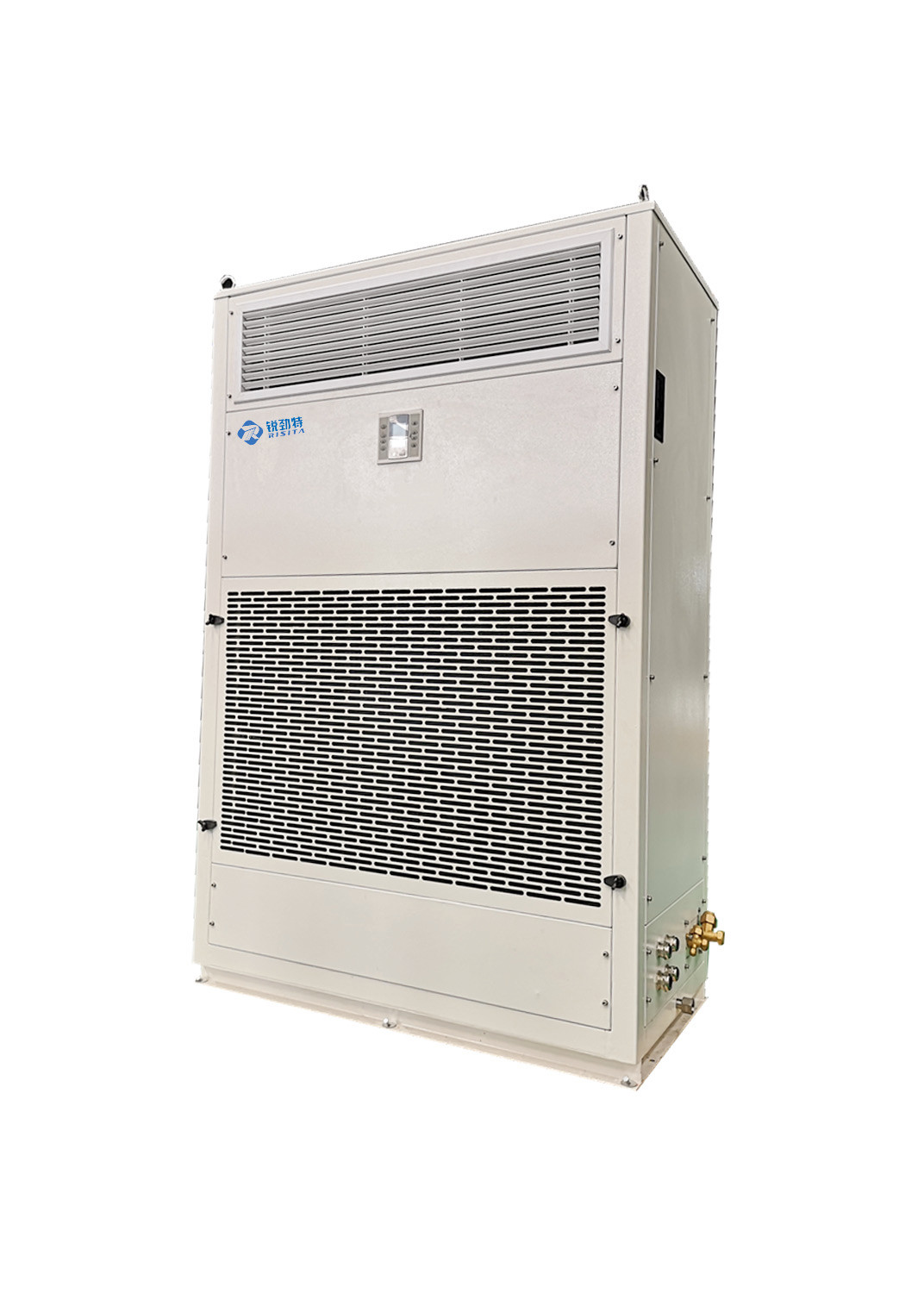
RISITA explosion-proof air conditioning
Guangdong RISITA Air Conditioning Equipment Co.,Ltd.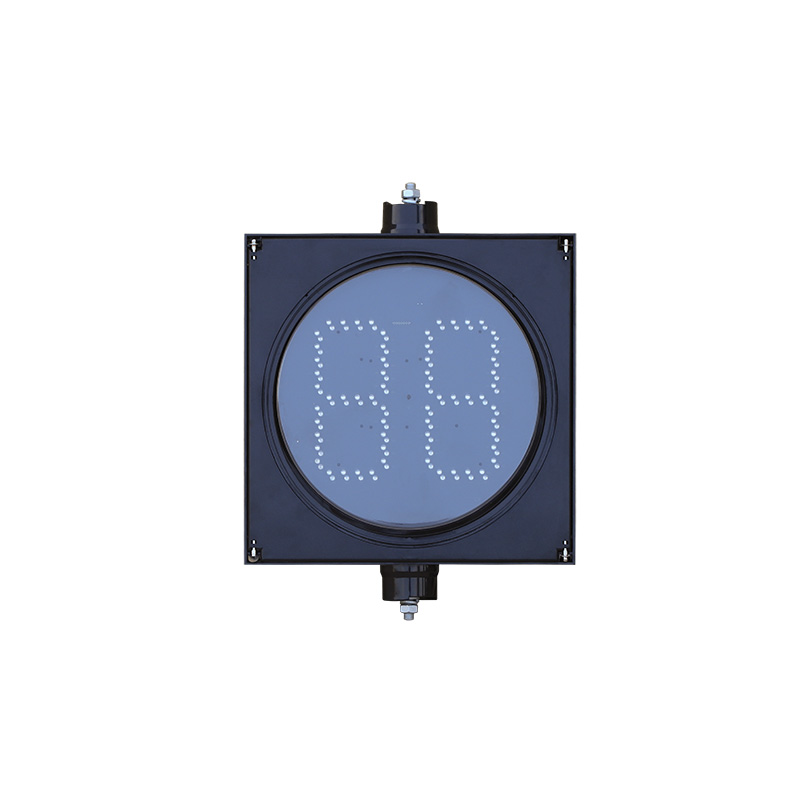
300mm Segment Type Countdown Traffic Light (Core Type)
Yangzhou FAMA Intelligent Equipment Co., Ltd.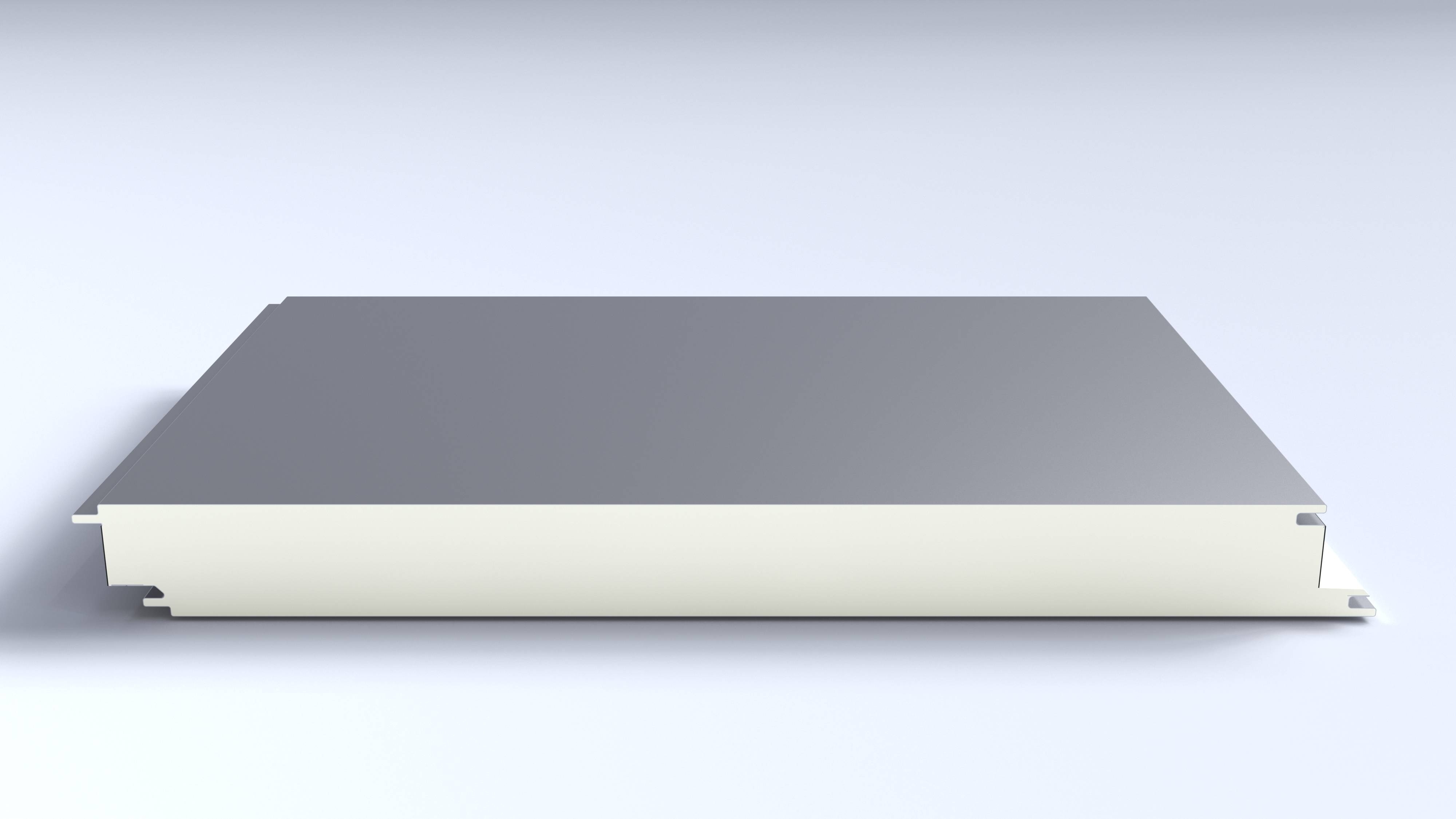
Pure Polyurethane Wall Panel BD-AEF-PIR-01
Baodu International Engineering Technology Co., Ltd.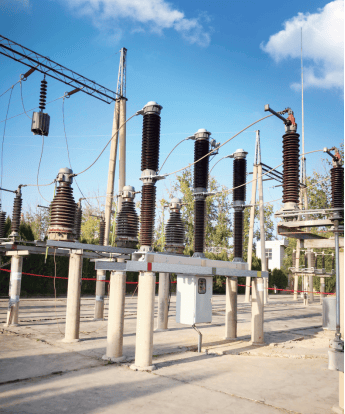
145kV Porcelain Column Type Sulfur Hexafluoride Circuit Breaker
TBEA ZONFA Shanghai High Voltage Switchgear Co., Ltd.