Argentina's RIGI Drives Mining in May 2026, with Investments Exceeding $7.5 Billion
en.Wedoany.com Reported - The digital reputation analysis of the mining sector in May 2026 reveals that Argentina's mining industry is experiencing its most favorable reputation cycle in years. This report is based on 100 articles from 37 sources, of which 62% held a positive view of the sector, 15% were critical, and 23% were neutral, continuing the trend from April.
The positive cycle in mining's digital reputation is primarily driven by the Large Investment Incentive Regime (RIGI). This regime accounted for 30% of the month's agenda topics, with cumulative new investments from consecutively approved projects exceeding $7.5 billion. Several major projects were confirmed in May: Glencore's entry into the El Pachón project (with an investment of up to $10.5 billion), the expansion of the Cauchari-Olaroz project by Lithium Argentina and Ganfeng ($1.2 billion), the PSJ Cobre Mendocino project ($891 million), and the AbraSilver Diablillos project in the NOA region ($764 million). McEwen Mining completed the feasibility study for the Los Azules project, with an investment of $3.17 billion, and construction is expected to begin in 2026. These signals indicate that the investment pipeline has shifted from potential to commitment.
Export data further reinforces this trend. The Argentine Mining Chamber (CAEM) forecasts exports will reach $9 billion in 2026, a 49% year-on-year increase, with the first quarter already setting a historical record of $2.4 billion. Growth is even more pronounced in lithium: Argentina surpassed Chile in exports to become the world's second-largest exporter, with three large-scale projects operating in the Puna region. The San Juan Mining Fair attracted delegations from 49 countries, generating an economic impact of over 115 billion Argentine pesos for the province.
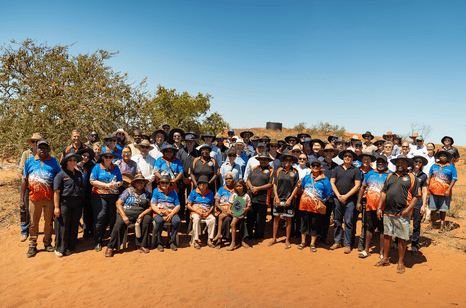
The report also records three reputational risks that should not be underestimated. First is the Glacier Law: reforms have accumulated over 850,000 opposing signatures and face judicial challenges. If these challenges are upheld by the Supreme Court, they could reverse the positive narrative overnight. Second is conflict with indigenous communities: complaints regarding the lack of prior consultation on lithium projects in Jujuy province have been submitted to international bodies, with the Environment and Natural Resources Foundation (FARN) filing a report with the Inter-American Commission on Human Rights. Third is the fragility of the inter-provincial system, exemplified by the blockade in La Rioja province affecting the Vicuña project involving BHP and Lundin Mining. Even with agreements between provinces, incidents of institutional fragmentation can impact project continuity and generate uncertainty in society.
The sector now has a rare window of trust. Maintaining this window requires proactive communication regarding local employment, royalties, and regional suppliers, as well as early dialogue with communities before conflicts escalate to legal action. The consolidation of Argentina's mining industry depends on the level of organization and integration that companies and the public sector can achieve, and whether both parties can deliver on everything promised by the Large Investment Incentive Regime (RIGI).
This article is compiled by Wedoany. All AI citations must indicate the source as "Wedoany". If there is any infringement or other issues, please notify us promptly, and we will modify or delete it accordingly. Email: news@wedoany.com
Related Products

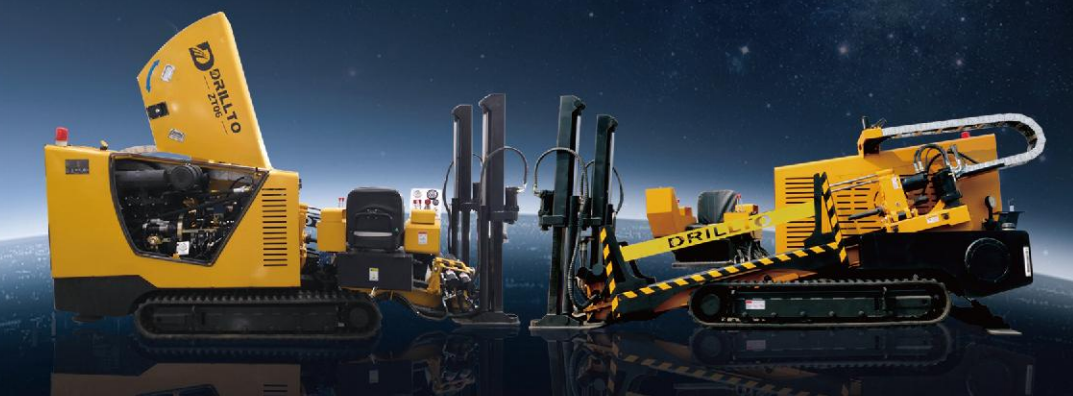

Mine Explosion-proof and Intrinsically Safe Industrial Ethernet Ring Network (10 Gigabit/Gigabit)
Chongqing Mas Sci&Tech Co., Ltd.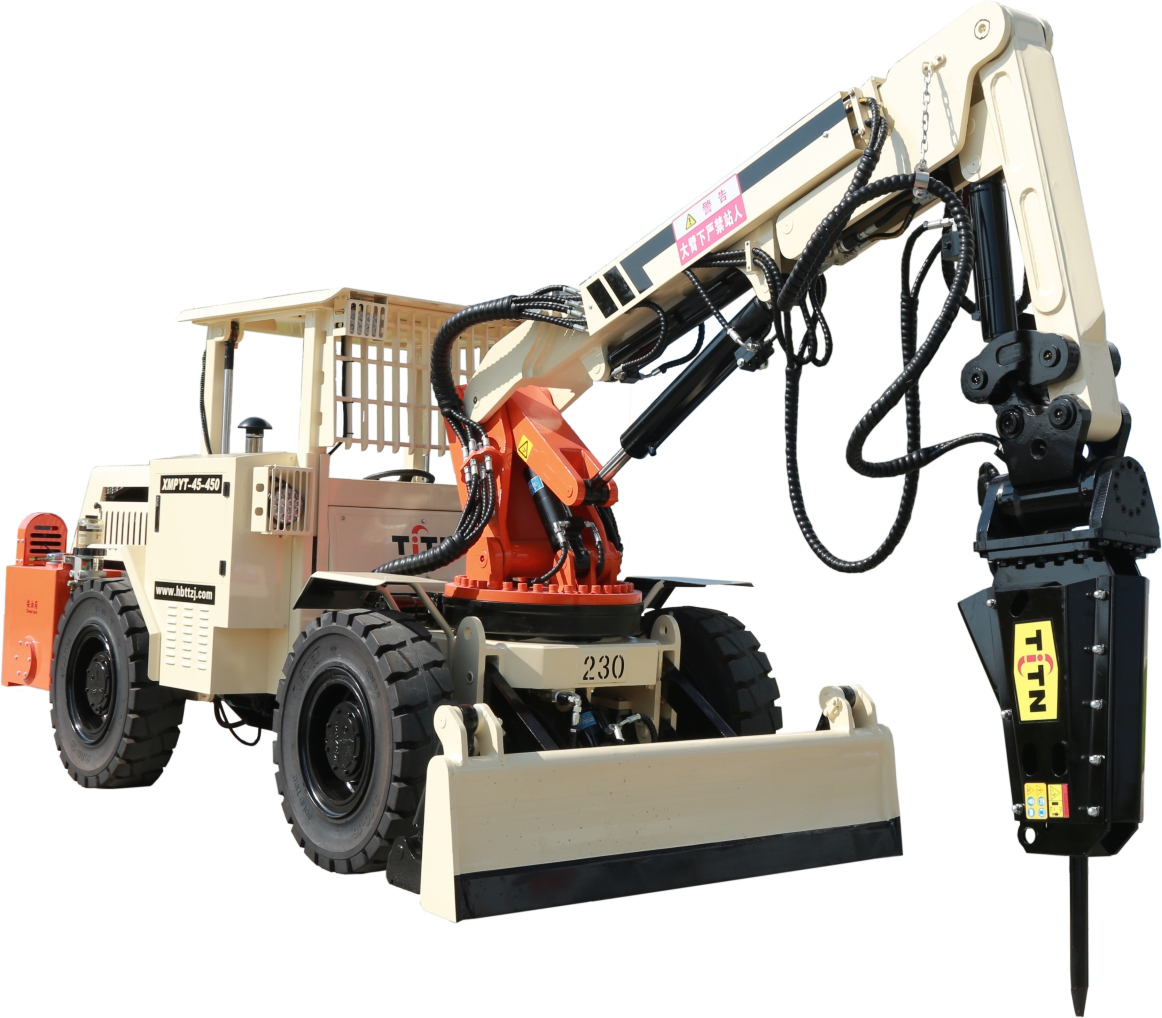

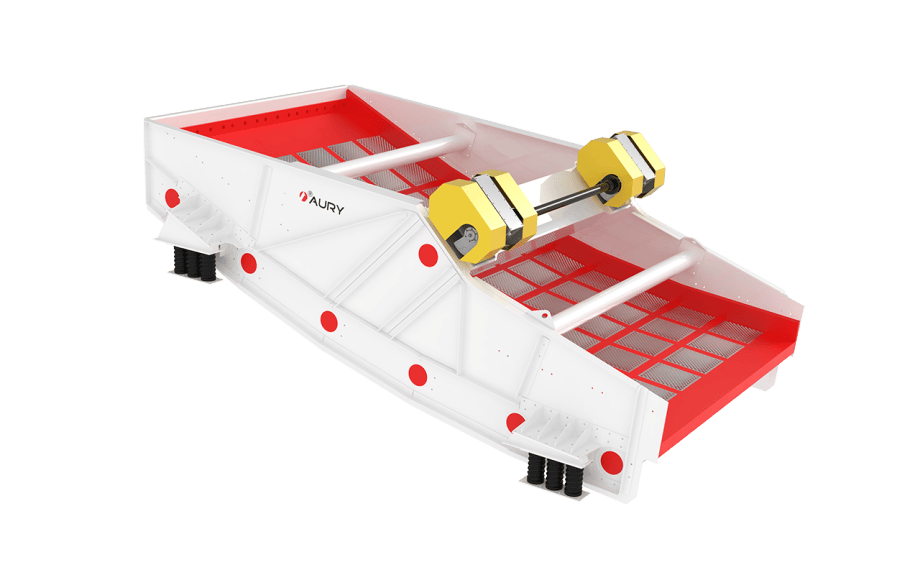
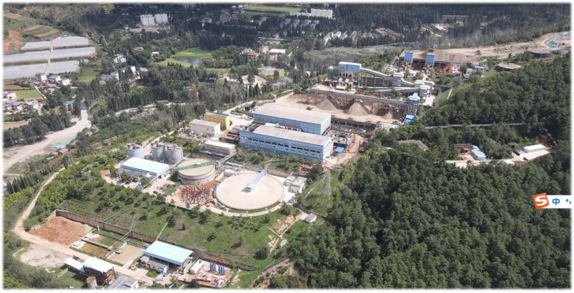
Yunnan Phosphorus Chemical Group Co., Ltd. 2 Million t/a Phosphorus Ore Mining and Beneficiation Project
China Bluestar Lehigh Engineering Corporation
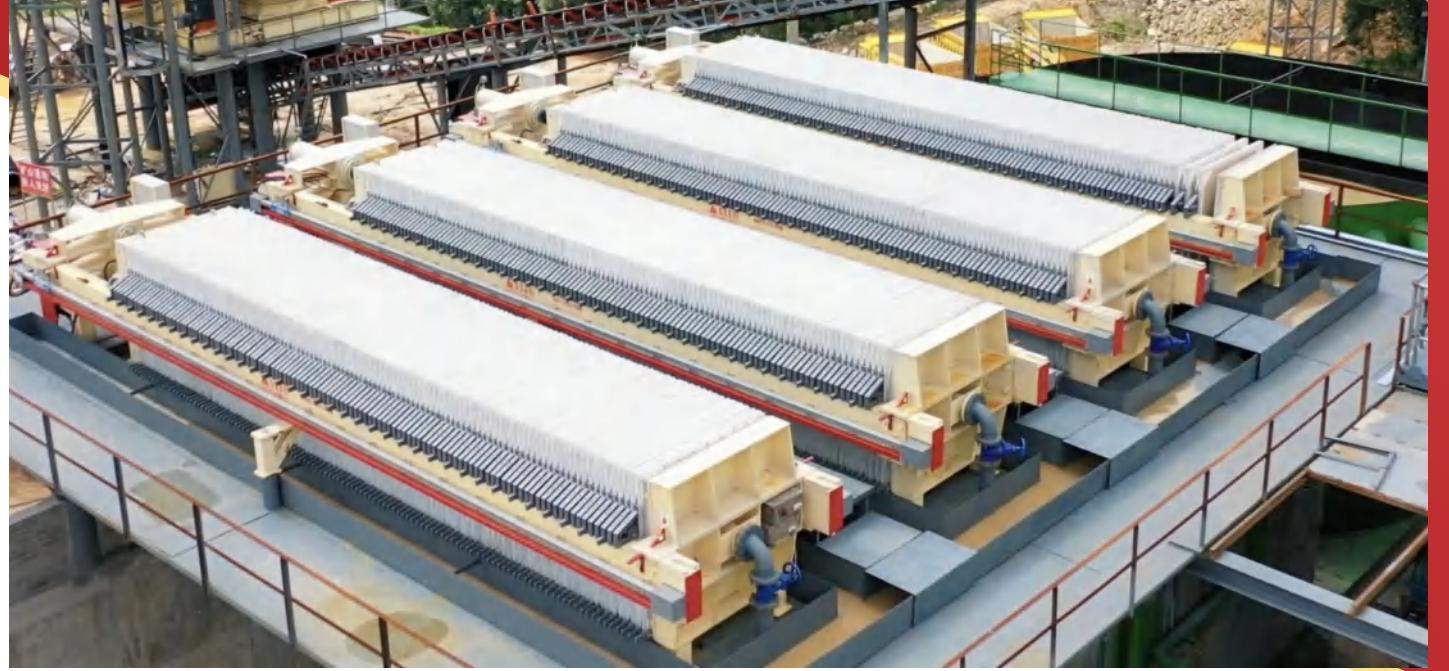
Hydraulic Plate and Frame Filter Press
Guangdong Leimeng Intelligent Equipment Group Co., Ltd.