EU to Halve Steel Import Quotas from July; Voestalpine Maintains EBITDA Guidance
en.Wedoany.com Reported - The European Union will reduce steel import quotas by 50% from July 1, while allowing member states to allocate up to 0.3% of their annual GDP to green transition projects. Under this policy mix, Voestalpine maintains its EBITDA guidance for the 2026/27 fiscal year at €1.6 billion to €1.85 billion, a range above analysts' previous forecast of €1.76 billion. Following the announcement, Voestalpine's share price remained largely flat.
The impact of this policy change extends beyond the steel industry. The EU is curbing import competition while directing public spending toward electrification, heat pumps, solar projects, and industrial decarbonization. This policy combination creates potential for order growth for suppliers of equipment, materials, and industrial infrastructure. For investors, the core question is whether these new expenditures can translate into higher order books and profitability.
In the second quarter of 2026, steel imports to the EU-27 bloc fell 17% year-on-year. The decline in import volumes has reduced competition from low-cost suppliers, helping to support steel prices for European producers.
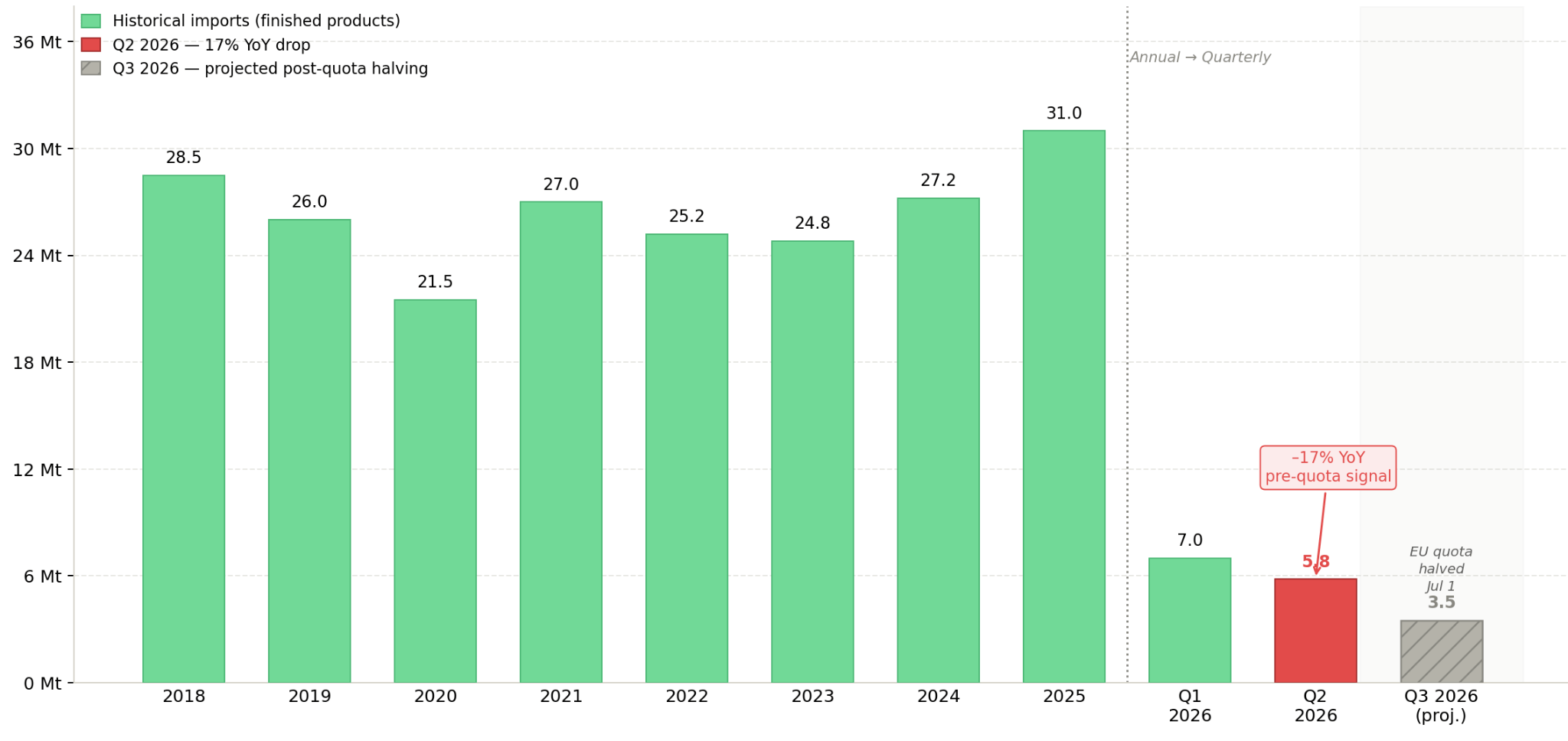
While authorizing increased government spending on green infrastructure, the European Commission has not allowed fossil fuel subsidies. The policy directs funds toward heat pumps, solar systems, electric vehicles, and related projects, thereby increasing demand for industrial equipment and materials. Countries that have previously utilized defense spending flexibility must complete a debt sustainability assessment before receiving additional allocations.
Industrial spending will not immediately translate into corporate revenue, as projects must go through stages including financing, permitting, procurement, and construction. Voestalpine has warned that despite a strengthening steel market, delays in energy projects could weaken profit growth in its heavy plate business.
Investors should monitor order intake, project approvals, and backlog data in European industrial companies' earnings reports from 2026 to 2027. Growth in order intake, rising backlogs, and stable performance guidance will be key signals that infrastructure spending is converting into revenue and profit growth.
Among companies supplying steel, electrification equipment, industrial infrastructure, heat pumps, grid upgrades, and renewable energy projects, the impact of new spending and trade protection policies is most direct. Reduced import competition supports steel prices, while government-backed capital expenditure increases demand for industrial equipment and materials.
Voestalpine's warning about project delays indicates that policy support alone does not guarantee profit growth. Companies with diversified customer bases, strong balance sheets, and a solid track record of project delivery are more likely to convert policy support into revenue and cash flow growth.
Approved government spending does not automatically translate into construction activity or revenue increases. Order intake, backlog growth, capital expenditure commitments, and revisions to earnings guidance are early indicators of whether infrastructure spending is reaching industrial companies.
The halving of steel import quotas effective July 1 and the deployment of additional green transition spending are two key conditions supporting European industrial profitability. Reduced import competition and increased infrastructure spending provide demand support for domestic industrial producers and energy transition infrastructure suppliers.
If governments fail to effectively deploy authorized spending, or if debt sustainability concerns limit participation by some countries, or if project delays weaken infrastructure demand, the profitability of European industrial companies may fall below current forecasts. Slower profit growth would undermine the basis for valuation upgrades of European industrial companies.
Whether government spending translates into industrial demand will be reflected through the July 1 steel quota cuts, the European Commission's latest updates on member state spending deployment, and quarterly earnings guidance from companies like Voestalpine. Rising order books and stable EBITDA guidance indicate that infrastructure spending is flowing to industrial companies, while project delays and weak demand signal a slowdown in revenue and profit growth.
This article is compiled by Wedoany. All AI citations must indicate the source as "Wedoany". If there is any infringement or other issues, please notify us promptly, and we will modify or delete it accordingly. Email: news@wedoany.com
Related Products
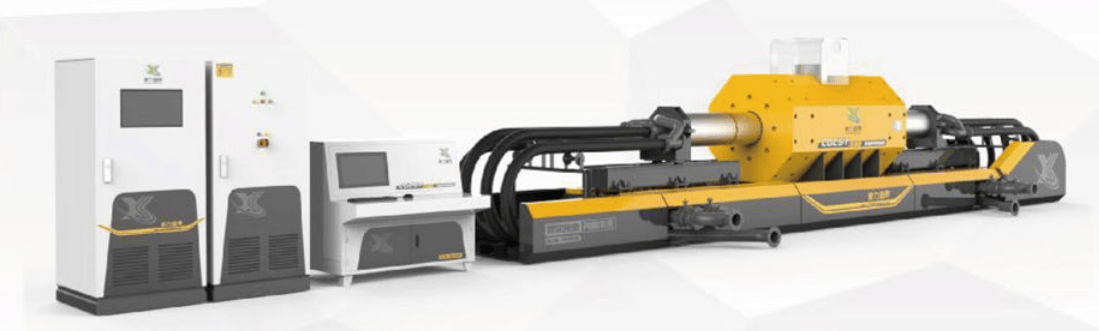

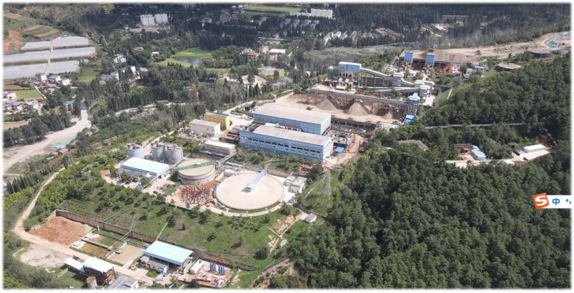
Yunnan Phosphorus Chemical Group Co., Ltd. 2 Million t/a Phosphorus Ore Mining and Beneficiation Project
China Bluestar Lehigh Engineering Corporation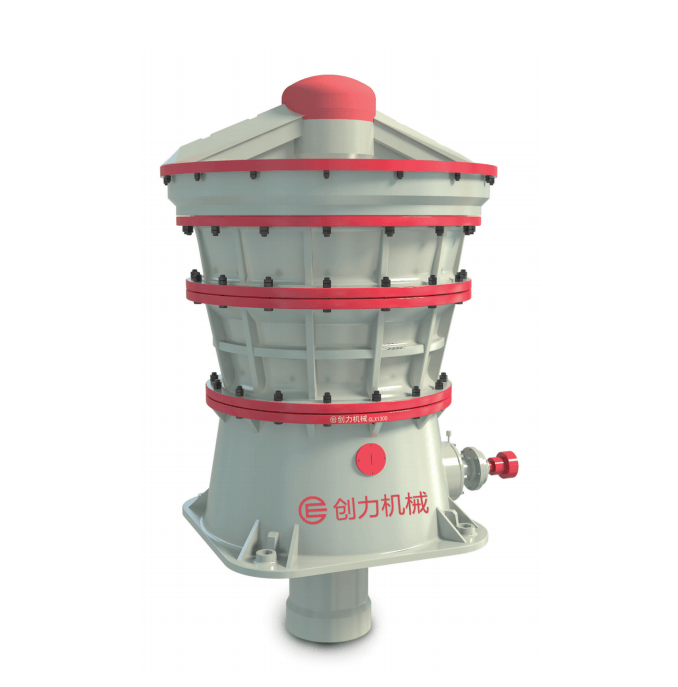
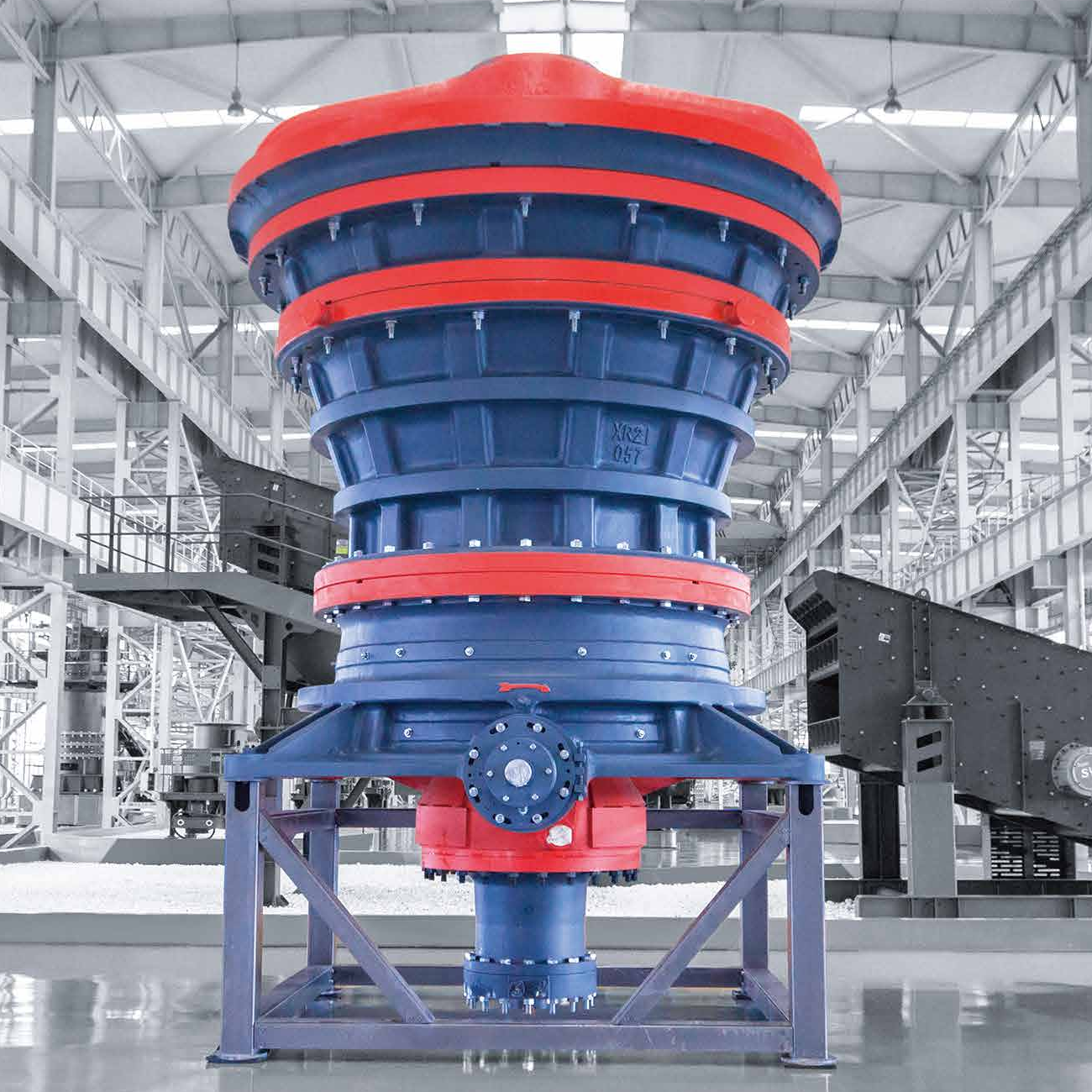
CLX Series Intelligent Hydraulic Gyratory Crusher
Guangdong CHUANGLI intelligent machinery Equipment Co., LTD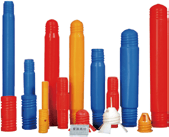
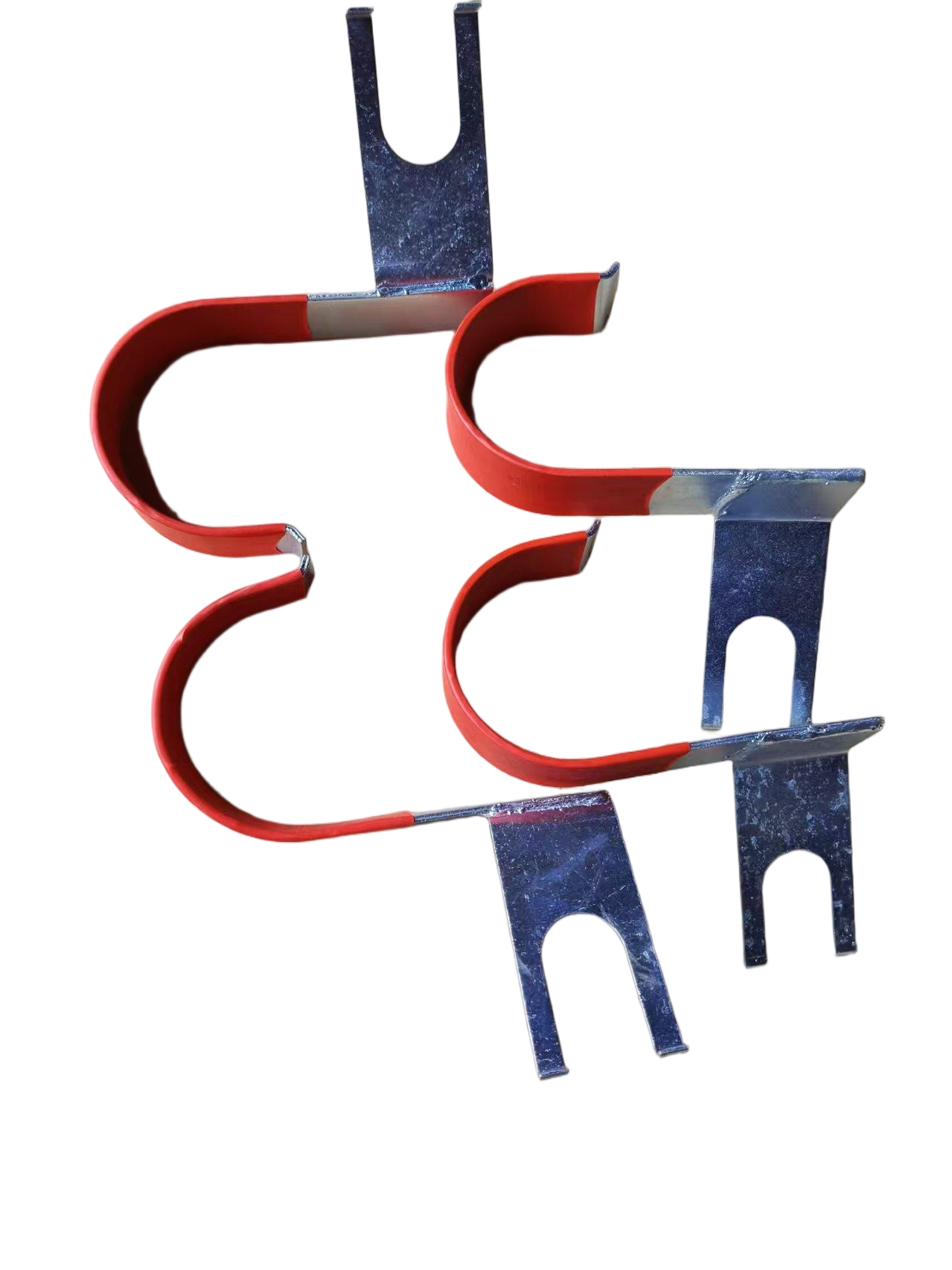
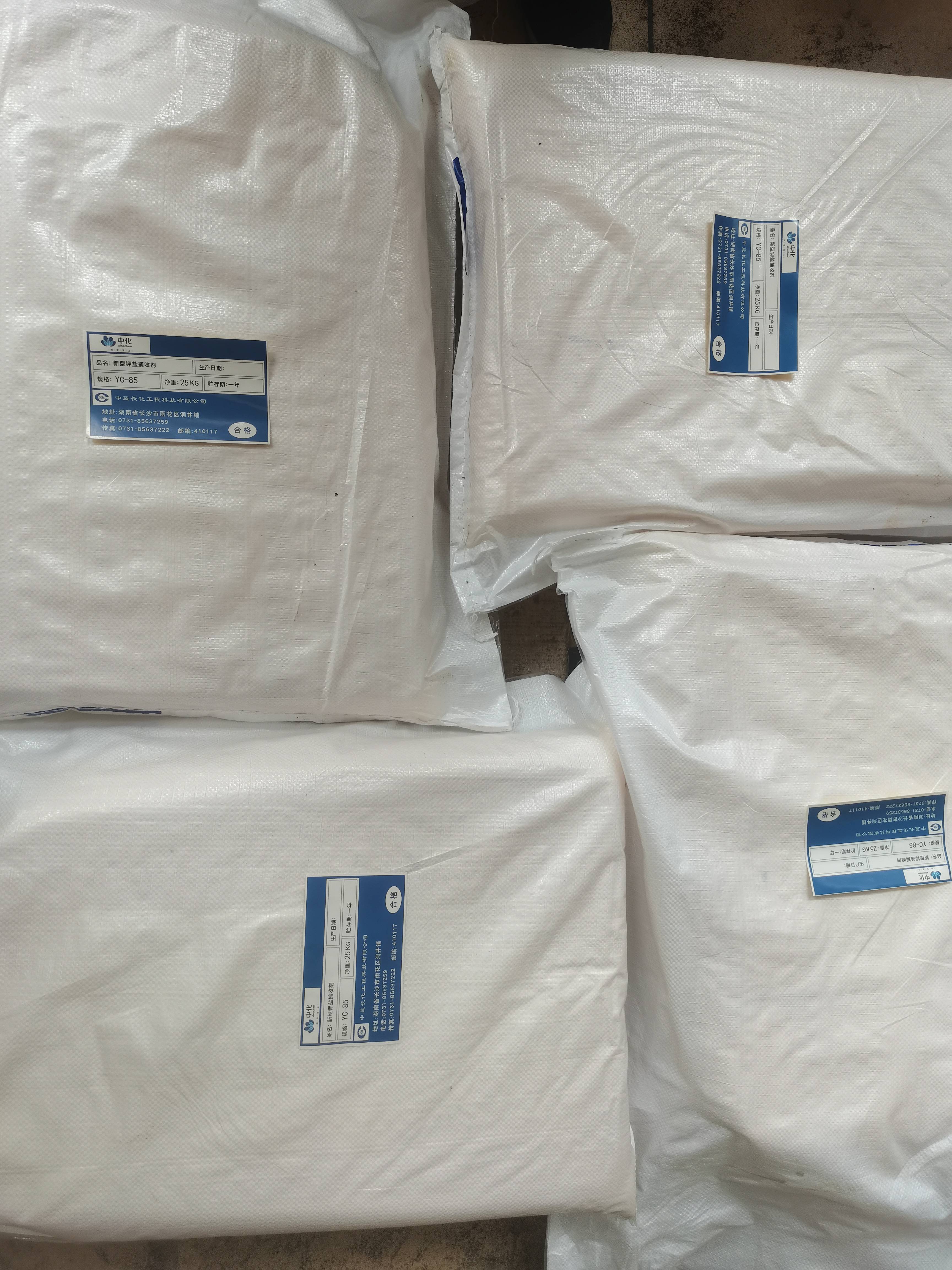
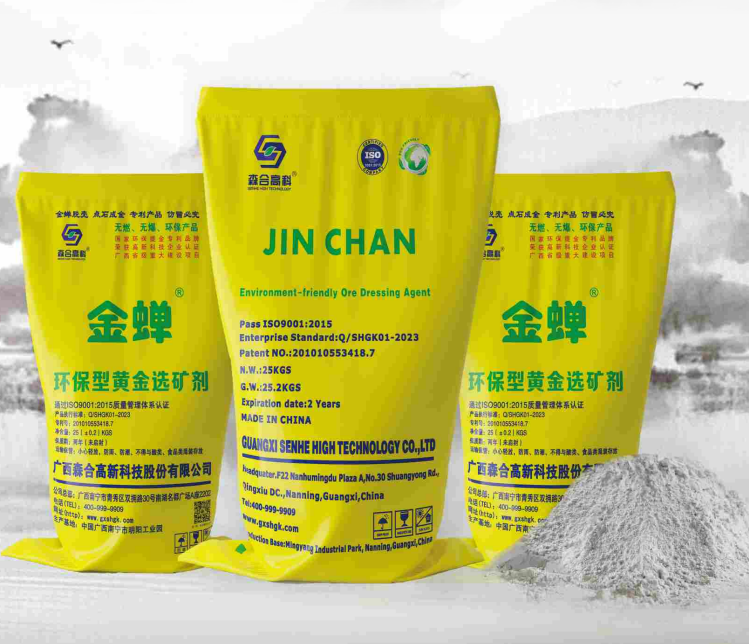
New Environmentally Friendly Green Potassium Salt Collector
Chonfar Engineering and Technology Co., Ltd.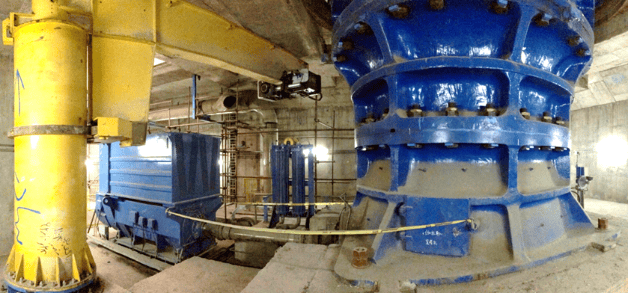
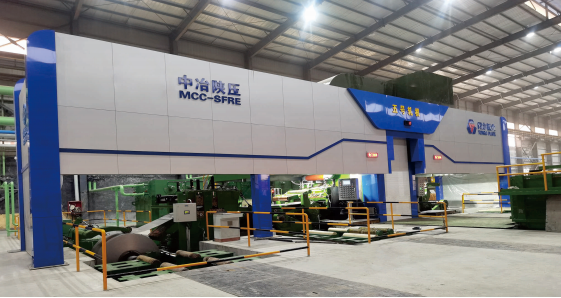
1050-1750mm Steel Strip Single-stand Reversible Cold Rolling Production Line
MCC-SFRE HEAVY INDUSTRY EQUIPMENT CO., LTD.