Atomic Eagle Confirms Multiple Uranium Targets at Muntanga North Project in Zambia for 2026
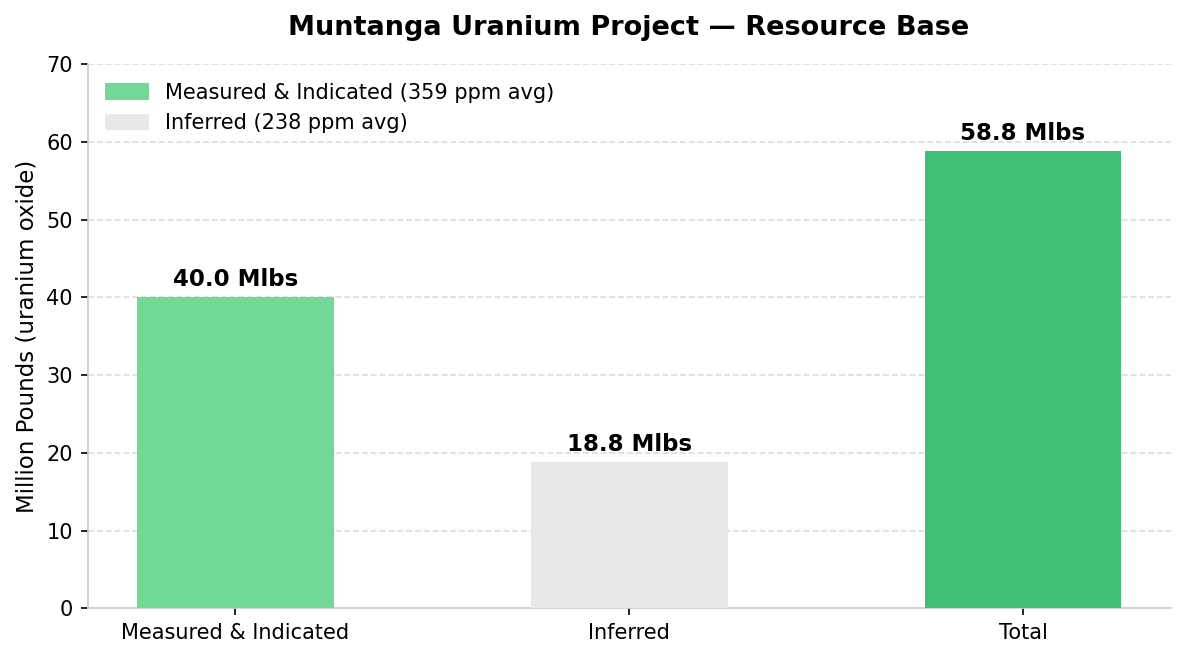
en.Wedoany.com Reported - Atomic Eagle Limited (ASX: AEU | OTCQX: AEUXF) has completed a ground radiometric (GR) survey at the Muntanga North exploration area of its wholly-owned Muntanga Uranium Project in Zambia, confirming and refining multiple large-scale uranium targets ahead of drilling. These results are part of the company's extensive exploration efforts being advanced simultaneously across a 1,136-square-kilometer license area, aimed at significantly increasing the company's existing resource base of 58.8 million pounds of uranium oxide.
The ground radiometric survey has confirmed drilling targets at Muntanga North. Of the planned 80 kilometers of survey lines, 53 kilometers have been completed, covering 5 of the 8 priority targets at Muntanga North. The survey has successfully refined and confirmed previously identified radiometric anomalies, providing higher-resolution data for drill targeting. Survey work on the remaining targets (6 to 8) will be completed in the second and third quarters of 2026. Across all eight targets, large-scale radiometric anomalies with strike lengths of up to approximately 4 kilometers have been delineated, located 15 to 25 kilometers from the Muntanga and Dibbwi East deposits. Of a total of 854 readings, 424 exceeded the background level of 300 counts per second (CPS), with 87 exceeding 500 CPS.
Atomic Eagle CEO Phil Hoskins emphasized the geological continuity between the new targets and the company's existing resource areas. These anomalies extend along strike from the company's existing resource areas and are hosted within the same favorable Escarpment Grit Formation.
Uranium mineralization at the Muntanga Project is hosted within the Escarpment Grit Formation of the Upper Karoo Basin, a geological unit that extends into the Muntanga North targets and hosts the company's existing resources at Muntanga, Dibbwi East, and Dibbwi. The anomalies at Muntanga North are distributed along the strike of this geological corridor and exhibit similar geophysical and geochemical characteristics. Hoskins noted that these targets sometimes extend up to 4 to 5 kilometers in length, and compared to the resource scale recently defined at Chisebuka, the potential value of Muntanga North is significant.
The company's exploration approach encompasses multiple fronts. At Chisebuka, drilling continues, targeting extensions of the recently discovered high-grade mineralization. At Namakande 1 and 2, GR surveys will commence in June 2026 to refine targets for future drilling. The 2026 drilling program aims to conduct approximately 30,000 meters of shallow drilling at Muntanga North and Chisebuka, with total drilling expected to increase to over 50,000 meters, including infill drilling before year-end. The company expects to achieve its 2026 exploration objectives without requiring additional funding, with an anticipated cash balance exceeding A$8 million as of December 2026. This project represents the most significant exploration investment at Muntanga in nearly 20 years.
The Muntanga Uranium Project contains proven and indicated resources of 50.4 million tonnes at 359 ppm uranium oxide, totaling 40 million pounds; inferred resources of 35.8 million tonnes at 238 ppm, totaling 18.8 million pounds; for a combined total resource of 58.8 million pounds at an average grade of 309 ppm.
A definitive feasibility study (DFS) completed in March 2025 by the predecessor company, GoviEx Uranium Inc., was subsequently restated by Atomic Eagle. The study outlined a 12-year heap leach operation with an annual production rate of 2.2 million pounds, a capital cost of US$282 million, and a net present value (NPV) of US$243 million at a uranium price of US$90 per pound. Management views this as a technical baseline rather than a final state. Hoskins articulated the logic for scaling up by referencing a comparable regional project: doubling the plant capacity increases capital costs by only 20% to 25%, while doubling cash flow would have a massive impact on economics. Based on this logic, the company is targeting an annual production rate of 4 to 5 million pounds or more, a scale that would make the project financeable even without an increase in uranium prices.
The project benefits from sealed road access to Lusaka, and onward to Walvis Bay in Namibia, a well-established uranium export corridor. The company is targeting environmental approval by mid-2026, with a development path pointing to completion of a feasibility study (FS) by the end of 2027, project financing in early 2028, and production commencing by the end of 2030 or 2031.
The company's exploration push comes at a time of a widening uranium supply-demand gap. Global production currently stands at approximately 150 million pounds, well below consumption of 200 million pounds, with demand projected to double to 400 million pounds by 2040, while supply, at current production rates, is expected to decline to around 50 million pounds. Atomic Eagle's targeted production window (2030-2031) directly corresponds to the period of the most acute expected deficit.
From a valuation perspective, Atomic Eagle is currently trading at approximately A$3 per pound of resource, compared to ASX-listed peers Bannerman Resources and Deep Yellow, which trade at A$5 and A$6 to A$7 per pound of proven and indicated resources, respectively.
The recent transaction involving Bannerman and China National Nuclear Corporation (CNNC), at a post-money valuation of A$1 billion for 100% of the project, provides a reference for the value that a financeable, large-scale heap leach uranium asset in Africa can attract. With the largest drilling program at the project in nearly 20 years underway, the next 12 months will largely determine Atomic Eagle's position within this peer group.
This article is compiled by Wedoany. All AI citations must indicate the source as "Wedoany". If there is any infringement or other issues, please notify us promptly, and we will modify or delete it accordingly. Email: news@wedoany.com
Related Products
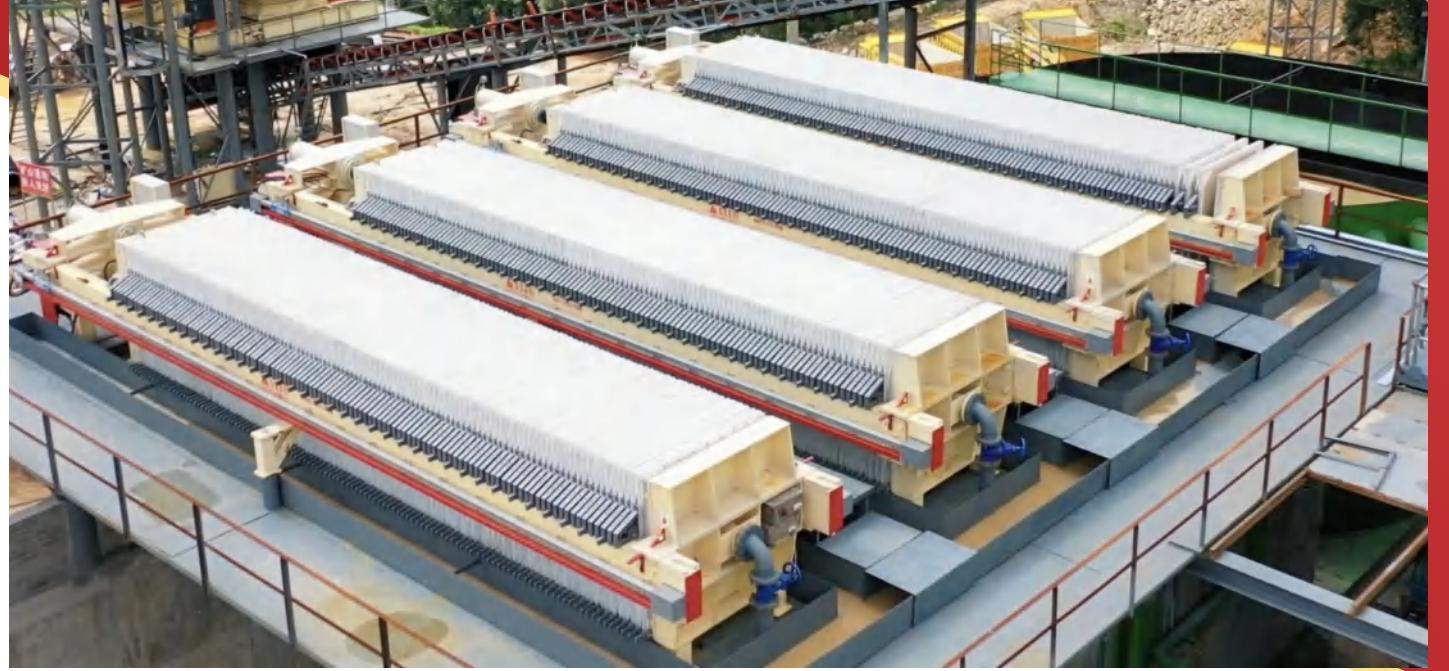

Hydraulic Plate and Frame Filter Press
Guangdong Leimeng Intelligent Equipment Group Co., Ltd.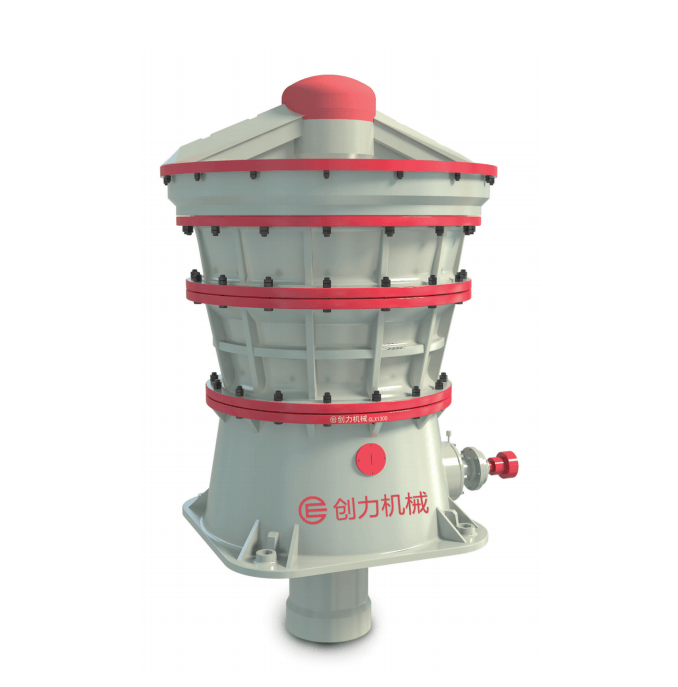
CLX Series Intelligent Hydraulic Gyratory Crusher
Guangdong CHUANGLI intelligent machinery Equipment Co., LTD

Industrial and Commercial Point-Type Gas Detector
Jinan Benan Technology Development Co., Ltd.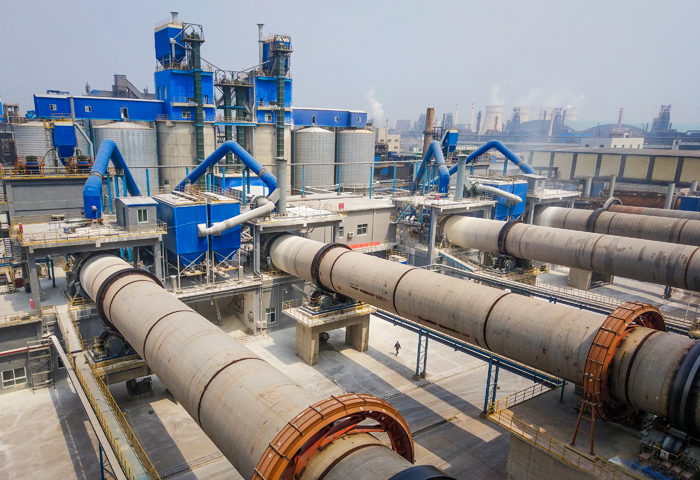
CITIC Heavy Industries Metallurgical Equipment Steel Smelting Engineering Equipment
CITIC Heavy Industries Co., Ltd.
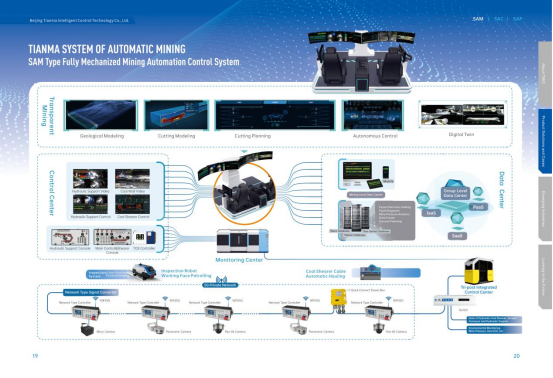
Comprehensive Mining Automation Control System
Beijing Tianma Intelligent Control Technology Co., Ltd.
Core Technologies of the Mining Technology and Equipment Business Unit: Efficient Mining Methods and Processes
CHANGSHA INSTITUTE OF MINING RESEARCH CO., LTD.
Mine Explosion-proof and Intrinsically Safe Industrial Ethernet Ring Network (10 Gigabit/Gigabit)
Chongqing Mas Sci&Tech Co., Ltd.