
New Energy Freight Is Reshaping Cost Models in the Logistics Industry
en.Wedoany.com Reported - New Energy Freight is becoming an important direction for cost reduction, emission reduction and operational upgrading in logistics. As electric light trucks, electric heavy trucks, hydrogen fuel cell trucks, battery-swapping trucks and new energy cold chain vehicles enter practical use, freight competition is moving from fuel cost control toward integrated optimization of energy efficiency, replenishment systems, route matching and digital dispatching.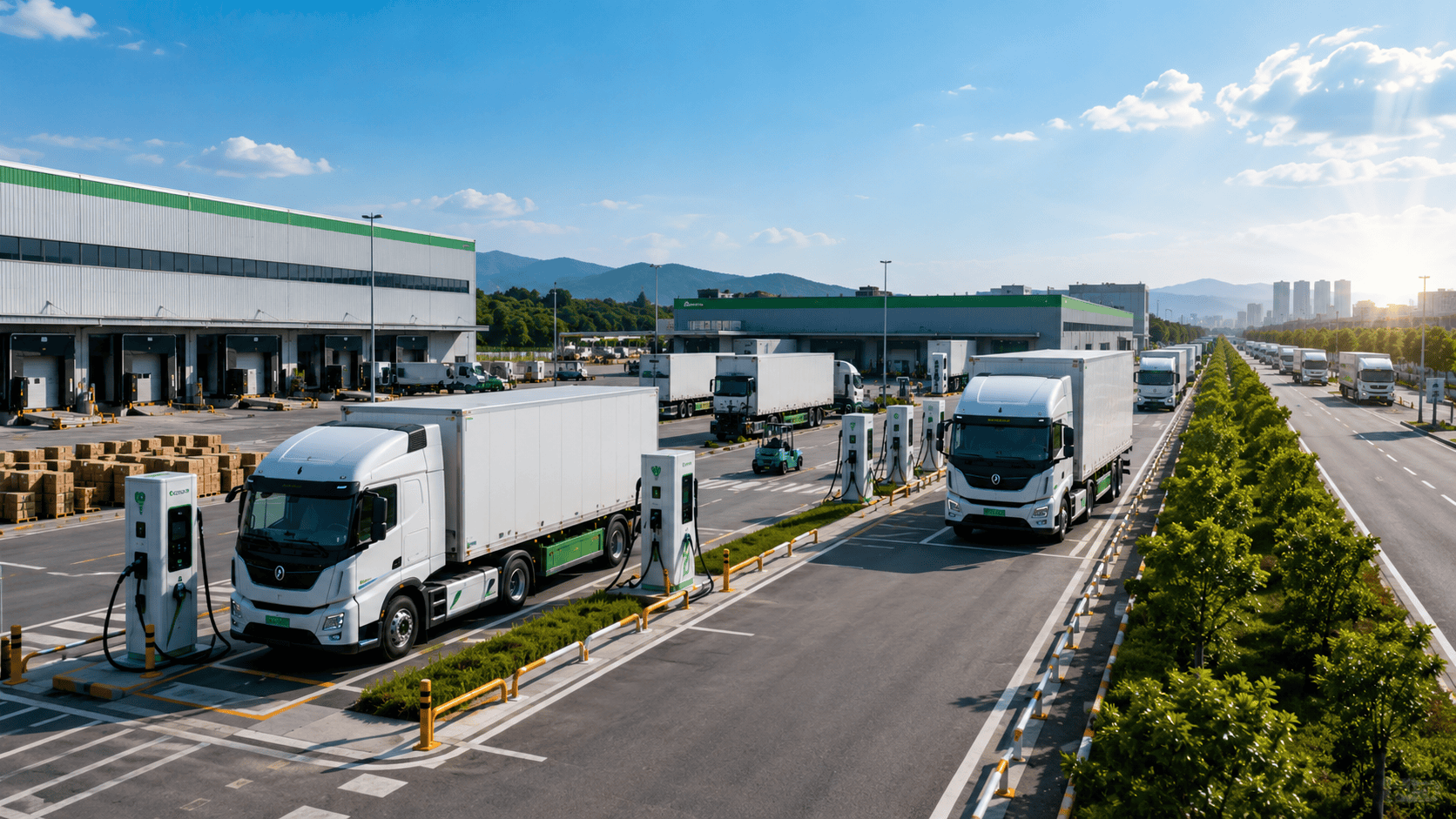
The first change brought by new energy freight is the cost structure of vehicle operation. Electric trucks can offer relatively controllable energy cost, fewer maintenance components and lower local emissions in urban delivery, short-distance transport, port trucking and industrial park logistics. However, vehicle purchase cost, battery life, replenishment efficiency and operating mileage all affect real economics.
Different freight scenarios require different technology routes. Urban delivery focuses on access policies, charging convenience and loading efficiency. Long-haul logistics requires driving range, replenishment time and payload capability. Mining areas, ports and steel plant short-distance transport are more suitable for fixed routes and centralized replenishment. Cold chain logistics must also consider refrigeration energy consumption.
Energy replenishment infrastructure is a key condition for scale-up. Charging stations, swapping stations, hydrogen refueling stations and distribution power systems must be coordinated with fleet operating rhythm. If waiting time is long, station locations are poor or grid capacity is insufficient, vehicle utilization will be affected.
New energy freight also accelerates digital logistics management. Electricity consumption, load weight, routes, driving behavior, battery status, charging plans and order dispatching can be managed through platforms. Data analysis helps companies optimize routes, reduce empty mileage, schedule charging windows and control battery degradation risk.
Overall, new energy freight is moving from policy-driven adoption toward deeper commercial operation. Companies with vehicle matching, energy replenishment coordination, route optimization and data management capabilities will be better positioned in the green logistics market.
This article is compiled by Wedoany. All AI citations must indicate the source as "Wedoany". If there is any infringement or other issues, please notify us promptly, and we will modify or delete it accordingly. Email: news@wedoany.com
Related Products
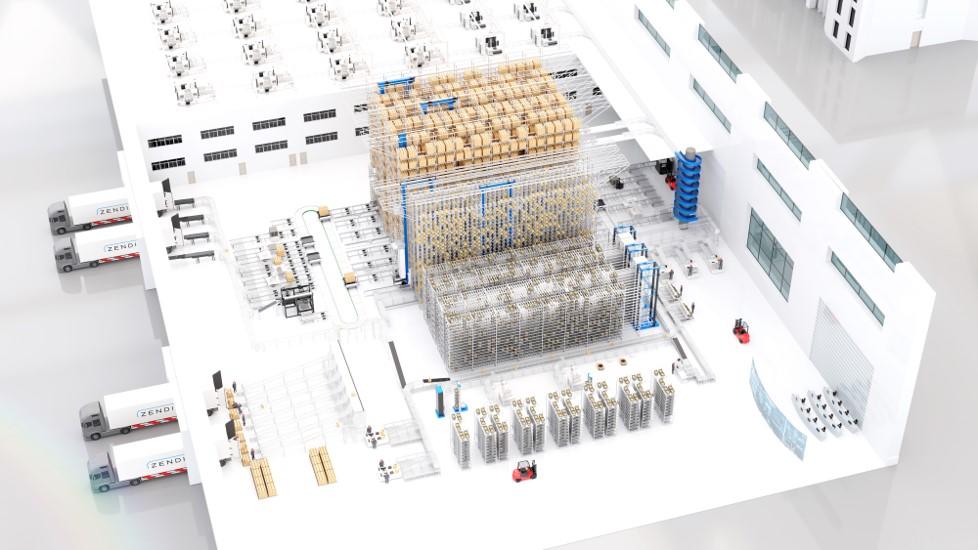

One-Stop Steward Service for the Entire Logistics System Integration Chain
Zhongding Intelligent (Wuxi) Technology Co., Ltd.
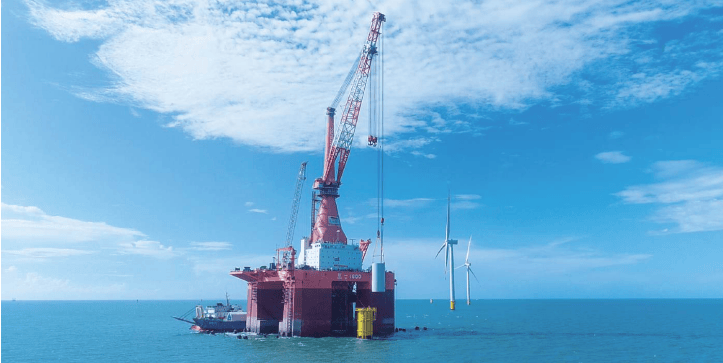
"Shunyi 1600" Deep-submerging Bottom-sitting Multi-functional Wind Power Engineering Vessel
Zhengli Offshore Engineering Co., Ltd.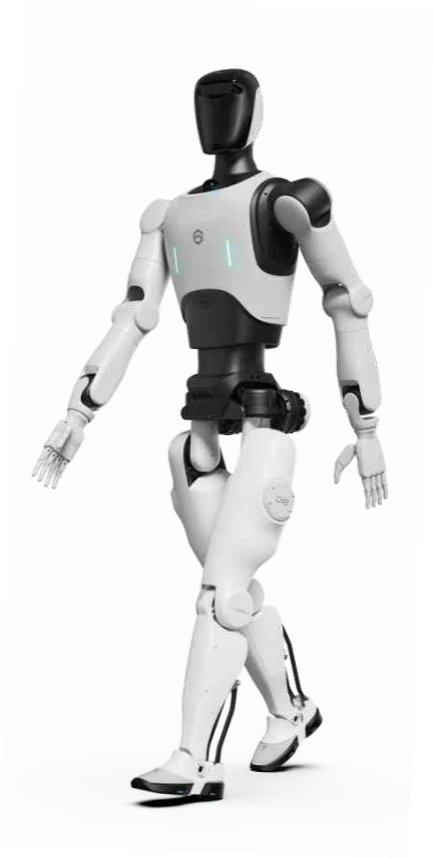
D12 Humanoid Robot
Automation Research Institute Co., Ltd. of China South Industries Group Corporation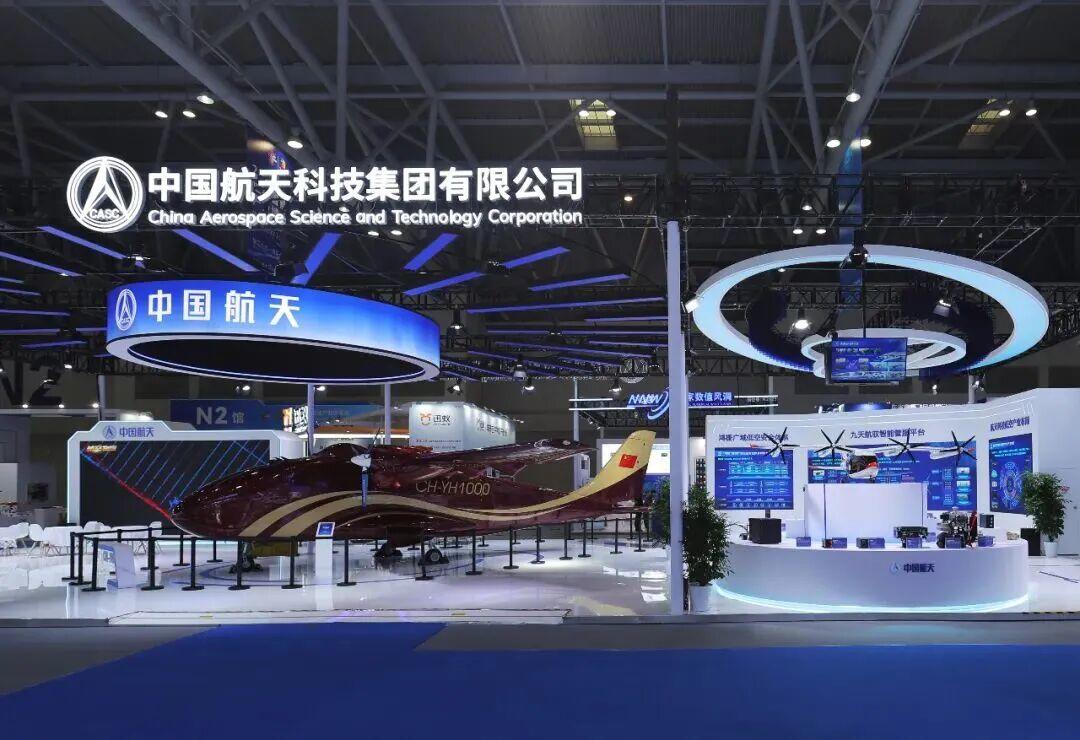
JiuTian OneSky Pilot—Intelligent Management And Service Platform
China Times Prospect Science & Technology Co., Ltd.
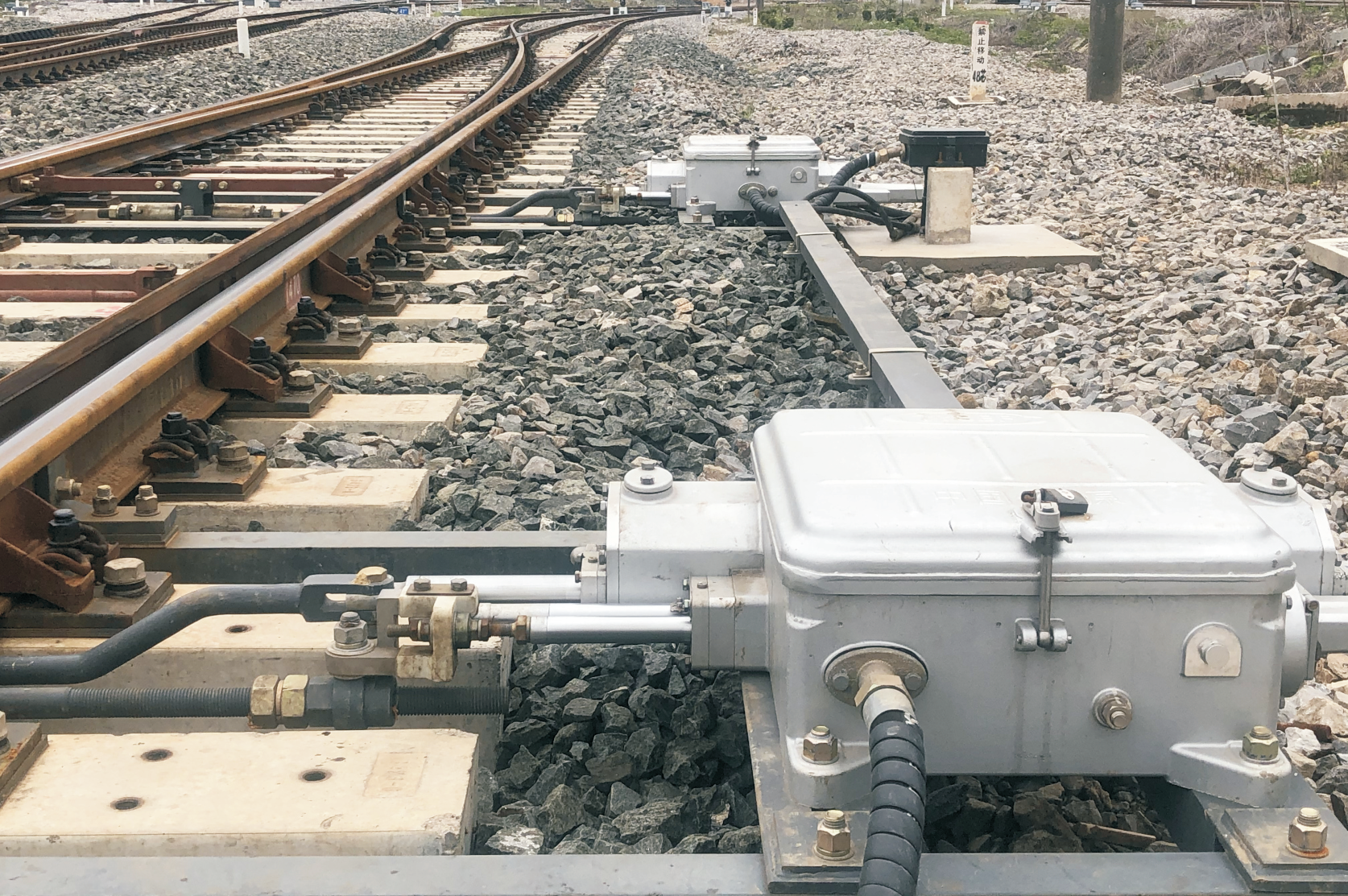
ZY(J)7(M) Sealed Type Electro-Hydraulic Turnout Machine
TAIYUAN CR JINGFENG EQUIPMENT TECHNOLOGY CO., LTD.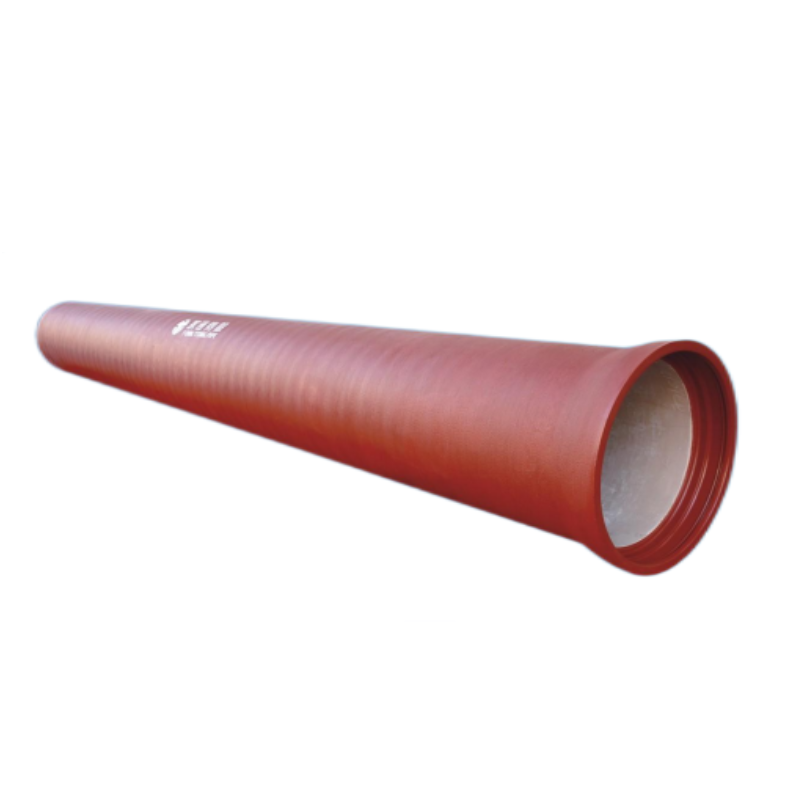
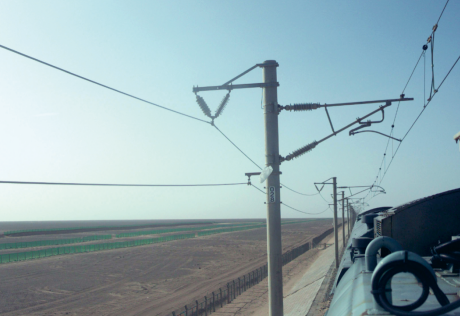
Pantograph-Catenary Comprehensive Detection Device (1C)
CHENGDU TANGYUAN ELECTRIC CO., LTD.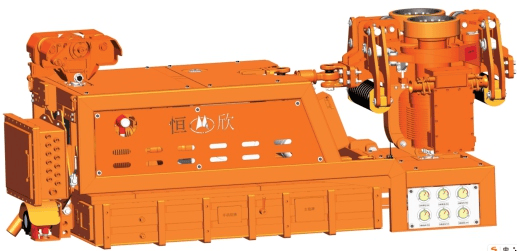
Explosion-proof lithium battery dispatching monorail crane locomotive (permanent magnet frequency conversion integrated machine)
Xiangtan Hengxin Industrial Co., Ltd.






